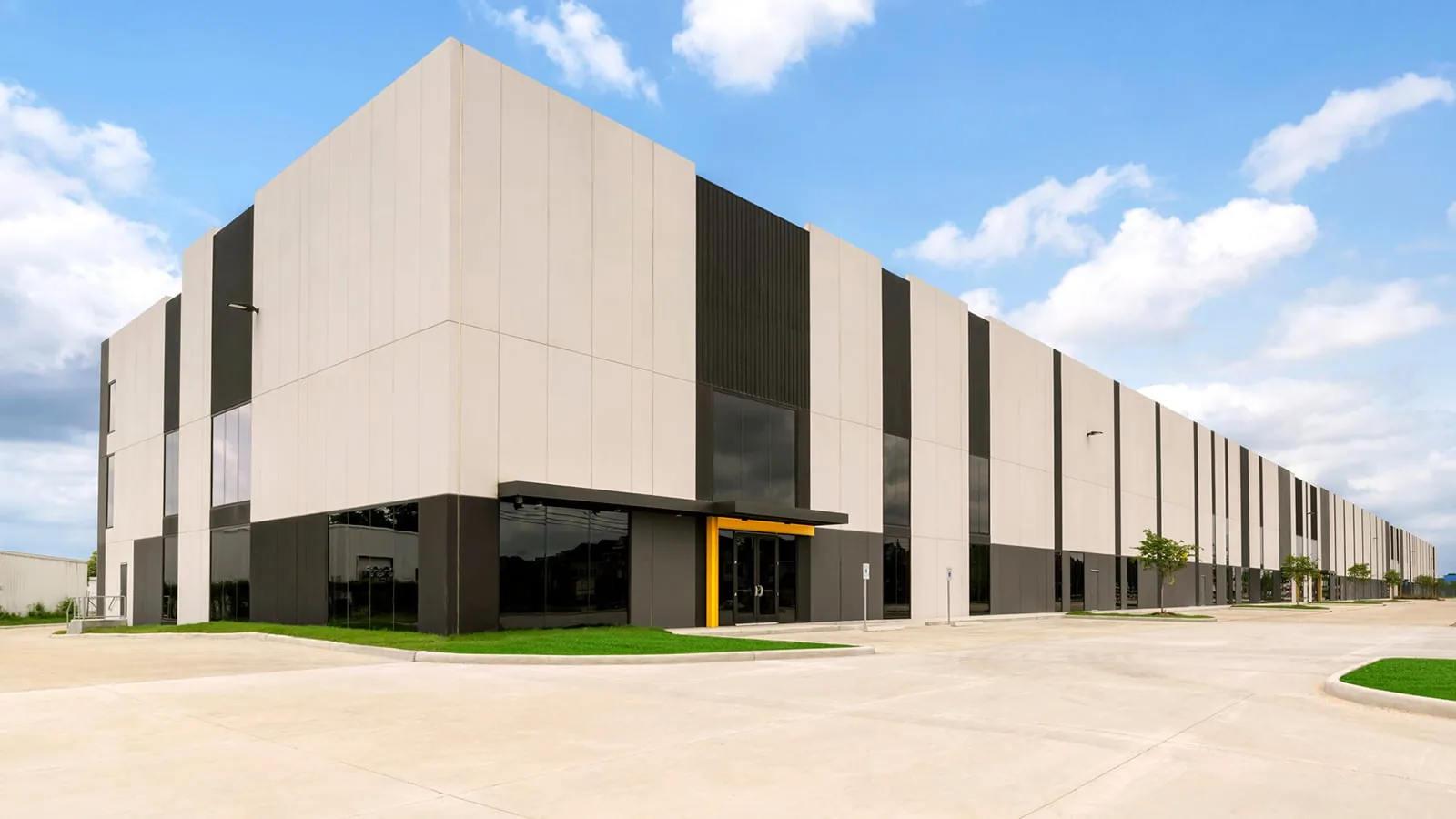
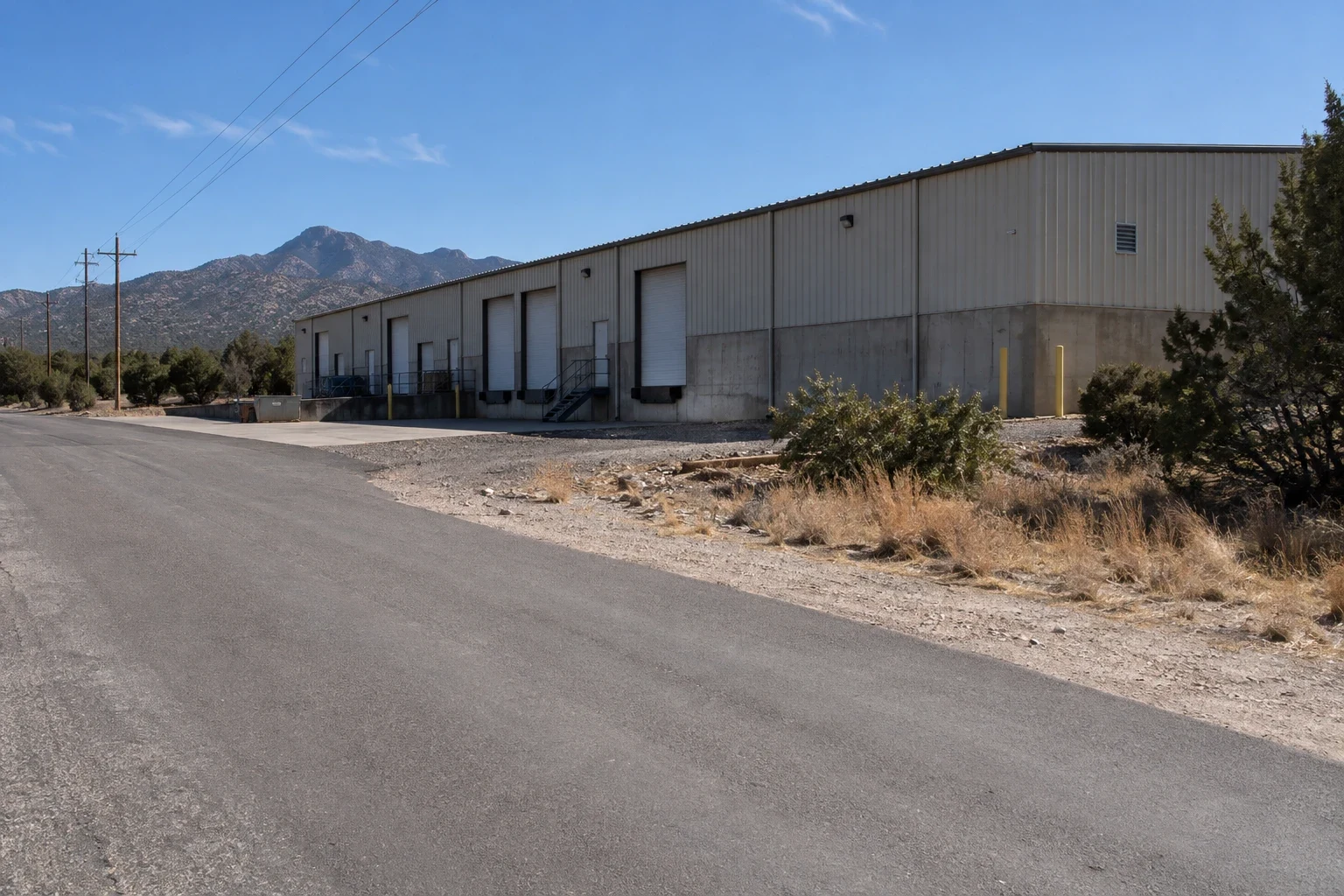
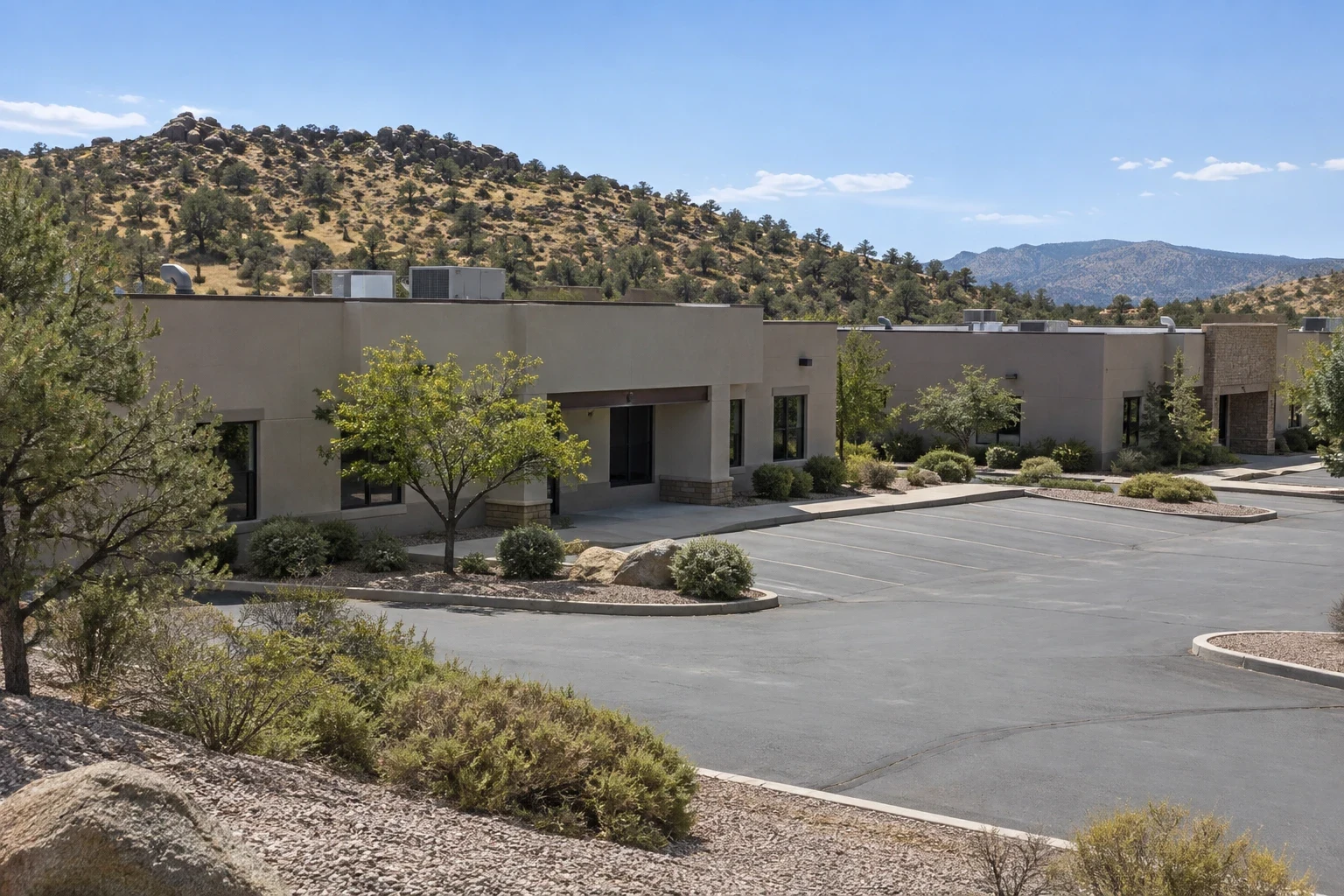
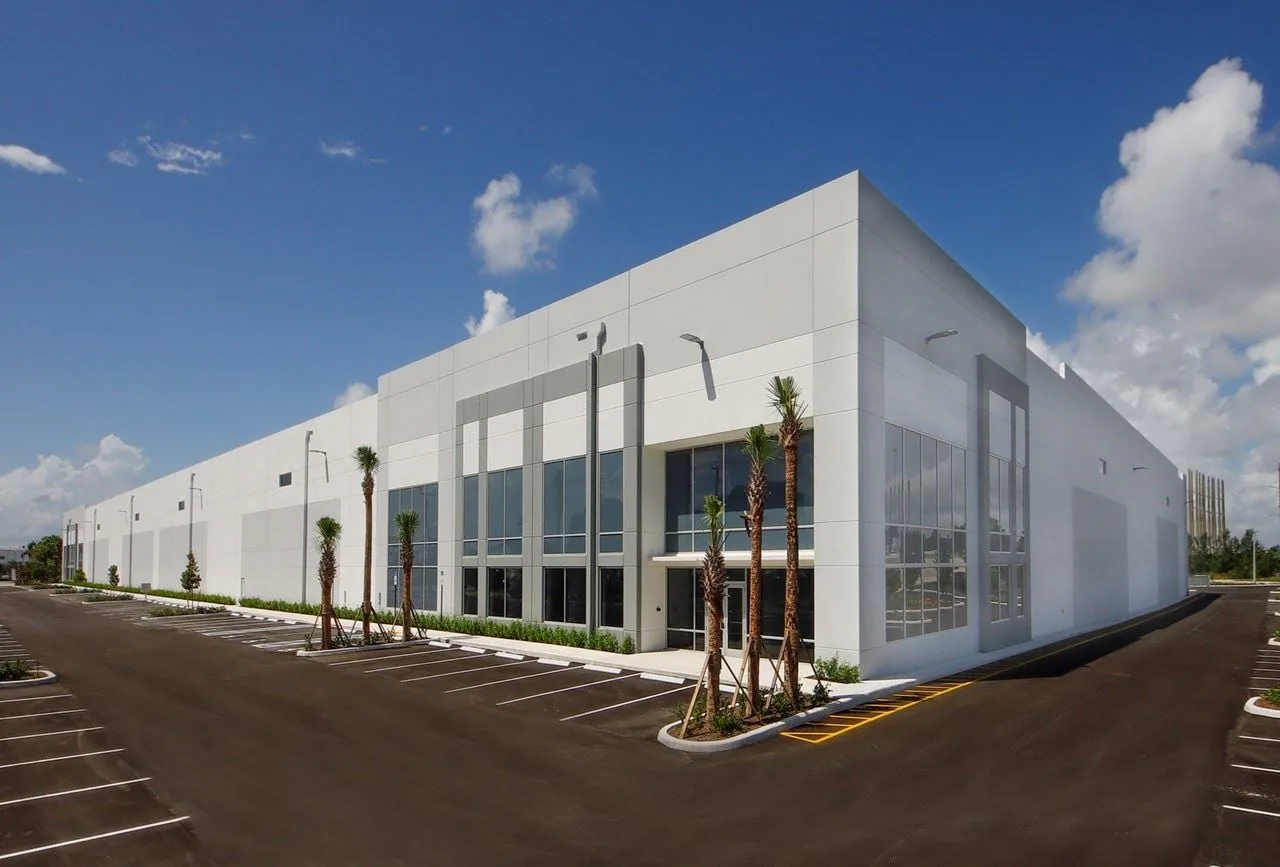
Roofing for Logistics and 3PL Operators in Prescott Valley, AZ
Roof walks, drain checks and phased repair for warehouses and 3PL operators in Prescott Valley, AZ, scheduled around dock doors, inbound trucks and peak weeks.
Walk the dock line and look up. Dark streaks run down the wall below the roof edge, and each streak marks where water has spilled over a clogged scupper. It is the first place to look on a distribution roof. In Prescott Valley, AZ, we find the drain that failed, photograph it and send the written sheet before anyone prices a repair.
A logistics building has a simple job: keep the inventory dry and the doors working. The roof decides whether that happens in a monsoon cell.
What a big flat roof hides
Distribution roofs are broad and plain, and that works against them. A long membrane field expands and contracts as one sheet, so the seams carry the strain.
The weak spots sit at the edges and the details: a skylight curb, a vent stack, a dock leveler pit, a rooftop unit over the office corner. Each is an opening for water. Each lands on the plan with a photograph.
Drains are the big item. A wide flat roof sheds a lot of water at once and sends it toward a few outlets. If one is packed with gravel and leaves, the roof turns into a pond, and a ponding line shows where the deck has dipped. We map those lines after each storm.
Insulation is the quiet item. Wet board under a dry membrane adds weight, loses R-value and makes a soft spot that a boot can break through. A scan after a wet season finds these before they find someone's foot.
Fall protection protects the crew and yours. Skylights, open edges and roof hatches go on the plan so anyone who goes up knows where the danger is.
Distribution in Prescott Valley
The Ace Hardware Retail Support Distribution Center employs 418 people, and the Prescott Valley Economic Development Foundation lists warehouse distribution among the industries it targets, for companies of 10 to 125 employees. The town advertises several industrial parks, and the east side is where the Fain Road corridor sits. On the Fain Road corridor, a limited-access four-lane freeway joins SR 89A with SR 69, and SR 69 itself runs six lanes toward downtown Prescott and Interstate 17.
At Big Sky Business Park, a 10.79-acre pad off East Florentine Road carries C3 zoning and ready utilities. Roofs on newer park buildings lean toward metal or single-ply over tilt-up and steel.
A distribution center roof in either place gets the same checks, whatever the address.
Monsoon, hail and ice at the dock
July and August bring most of the 15 inches of precipitation Prescott Valley receives each year, and one cell can deliver rain, wind and pea-sized hail inside ten minutes. A dock roof that cannot shed that water backs up fast.
Hail bruises soft membranes. The bruise may not leak that day, but it can after the next freeze. Mornings turn freezing around October 21 and stay that way into early May, and the daily swing near thirty degrees opens seams a hair each cycle.
Wind works on edges, and a lifted edge on a long roof can peel back a wide strip of membrane. Edge fasteners and caps get checked on every walk.
Snow arrives in smaller doses, about ten inches a season in Prescott. On a long flat roof it melts at the drains and refreezes at the edge, and ice can dam a scupper overnight. Scupper height and heat tape matter on buildings with cold dock lines.
Working around docks and peak weeks
Dock doors cannot close, and trucks arrive on a schedule that does not move for a roof. The plan starts with your calendar: peak weeks, inventory counts, customer audits. We avoid those dates.
The roof edge sits right over the dock, so staging and hoists go on the side of the building that does not block truck turns. Edge protection goes in before tear-off, and drivers get a map of the exclusion zones with the days they apply.
Work moves in bays, not across the whole roof, and each bay is dried in the same day. That takes longer than a full strip, but the building keeps running and the stock stays dry. On a large warehouse roof, two small crews at opposite ends can recover some of the time. Crane picks go in the gaps between inbound trucks, and the yard lead sees the lift schedule a day ahead. If a delivery slips, the crew shifts to a bay away from the dock apron, so a late truck never meets a lift.
What to repair now and what can wait
Repair now: leaks over racking, drains packed solid before monsoon, open seams, failed curb seals and lifted edge metal. Each puts water on stock.
Repair soon: tired boots, dried sealant, worn walk routes. What can wait gets logged, such as faint staining and uncracked blisters, with a date for the next look.
A leak repair visit starts at the stain and works uphill. Tenants in a 3PL building can share a roof under separate leases, so the roof map is drawn by bay and each tenant gets a page showing what was found over its space. It helps the landlord too, and a fund that holds the building will want the same sheet, as investors and REITs usually do.
What to ask for in writing
Get a findings sheet carrying photos, the roof plan and a price per item, a clear answer on who pays under the lease, and a work sequence that keeps docks open with the dates for each bay.
Press on drains. A good report counts them and compares the count with the roof area, lists any scupper set too high and flags missing overflow protection. Drain work is among the cheapest upgrades and the one that protects stock most. Drains and scuppers can be cleaned, reset or given added overflow.
Manufacturers that ship through the same corridor share many of these questions, with production equipment added to the roof.
Commercial Roofing Questions
Can a warehouse roof be repaired with inventory inside?
Yes. Racks below open sections get covered, work moves in bays and each bay is dried in the same day. Aisle maps tell us what sits under each section, and a catch system below penetrations stops debris from reaching stock.
What is the main cause of leaks on a dock roof?
Clogged drains and scuppers come first, then seams and curb seals. Water that cannot leave the roof sits on the membrane and finds the weakest point. Every drain is counted and tested, and any that need work are marked.
How do we handle peak season?
Tell us the dates. Major work stays out of peak weeks, and that time goes to walks and small repairs. Large jobs fit the slow season, in spring or fall, when weather is steadier.
Does hail matter on a big flat roof?
It can. Recorded hail nearby runs from pea-sized to half-inch, and either size can bruise a soft membrane that leaks after a freeze. After a hail event the roof is walked, the surface pressed and each bruise photographed, which gives an insurer a clear record.
What should be in hand before the walk?
A site plan, roof drawings, warranty papers, the lease roof clause and a list of known leak spots make a good start. Mark the dock doors and any areas with sensitive stock, and the walk is planned around your truck schedule. A tenant list helps too, since several operators may share one roof and each needs to hear the dates.
Request a walk-through
Ask for a walk-through of your warehouse or distribution roof. We will send a written findings sheet with photos before we price any repair, and we will plan the work around your docks and peak weeks.
Request a Roof Assessment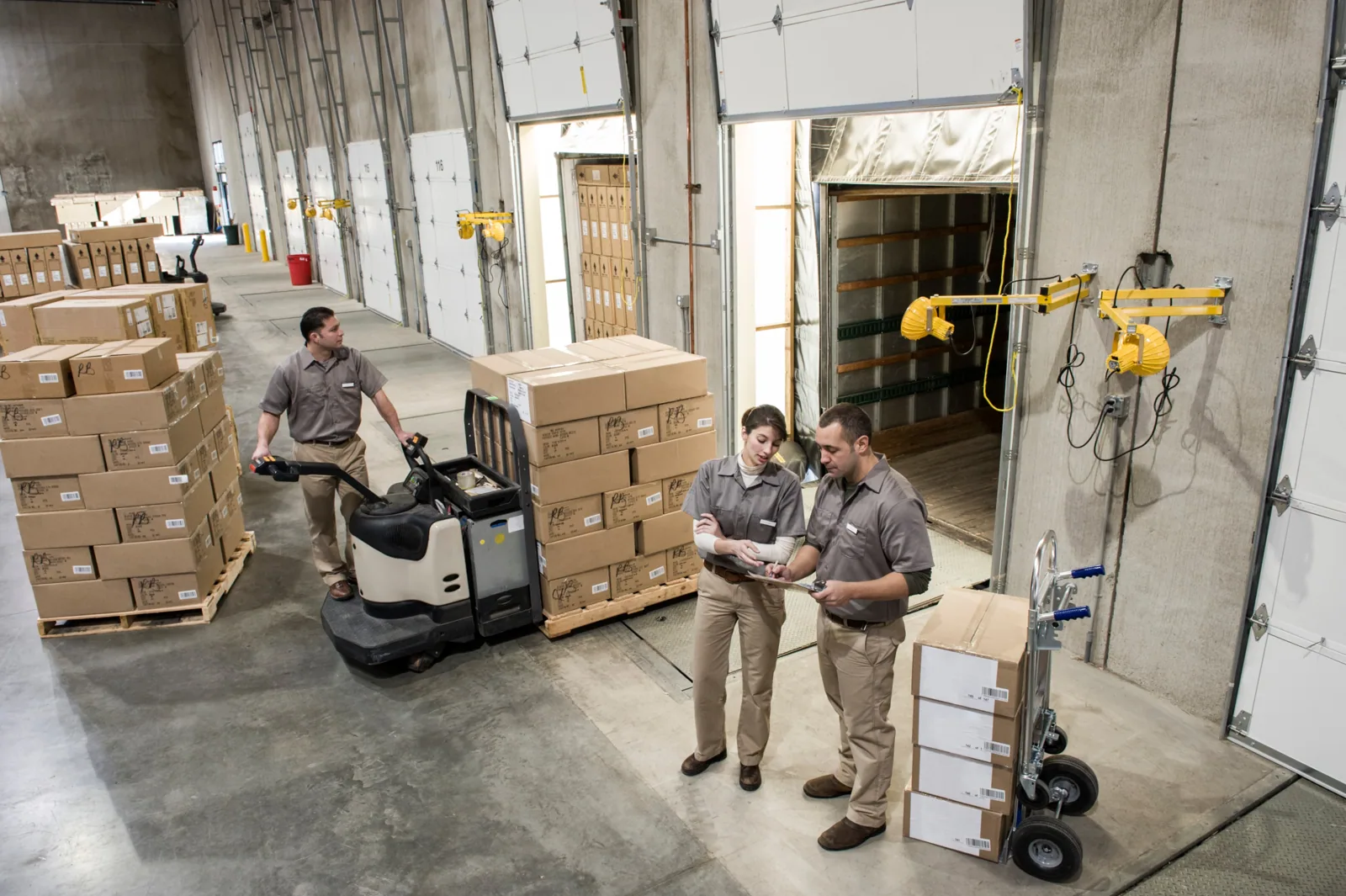
Commercial Roofing Questions
Yes. Racks below open sections get covered, work moves in bays and each bay is dried in the same day. Aisle maps tell us what sits under each section, and a catch system below penetrations stops debris from reaching stock.
Clogged drains and scuppers come first, then seams and curb seals. Water that cannot leave the roof sits on the membrane and finds the weakest point. Every drain is counted and tested, and any that need work are marked.
Tell us the dates. Major work stays out of peak weeks, and that time goes to walks and small repairs. Large jobs fit the slow season, in spring or fall, when weather is steadier.
It can. Recorded hail nearby runs from pea-sized to half-inch, and either size can bruise a soft membrane that leaks after a freeze. After a hail event the roof is walked, the surface pressed and each bruise photographed, which gives an insurer a clear record.
A site plan, roof drawings, warranty papers, the lease roof clause and a list of known leak spots make a good start. Mark the dock doors and any areas with sensitive stock, and the walk is planned around your truck schedule. A tenant list helps too, since several operators may share one roof and each needs to hear the dates.