Roof Surveys and Planning for Prescott Valley, AZ Investors and REITs
Roof surveys, core cuts and capital timelines for investors, funds and REITs buying or holding property in Prescott Valley, AZ, with photos behind every number.
Ask the seller for the last roof invoice. Often there is a small one from a patch and nothing else. That gap is the first finding on an acquisition. A roof with no record has no known age, no known layers and no known warranty. We walk roofs in Prescott Valley, AZ, before closing and fill that gap with photos, readings and a plan. You hold a document you can put in front of a committee or a lender.
An investor does not need a roofing lesson. An investor needs a number, a date and a reason. We give all three, and we show our work.
What a pre-purchase roof walk covers
We start with the plans, if there are any. Then we walk every roof on the site. We probe seams, check flashing, count curbs and note every patch. We photograph each finding and mark it on a plan.
Next we test. An infrared moisture survey on a cool evening shows wet insulation that the surface hides. A probe confirms it. A core cut shows the layers, the thickness and the state of the insulation. We patch every cut the same day.
Last we write. The sheet lists each finding, its cause, a repair method and a price. It splits the items into repair now, repair soon and can wait. It gives a range for the remaining life of each roof. Our due diligence roof surveys are built for the short window a deal allows.
What monsoon and freeze do to the numbers
About 15 inches of precipitation fall on Prescott Valley in a year, most of it in July and August, and monsoon cells can bring rain, gusts and hail within minutes. Hail and heavy rain hit town on July 20, 2026, and power failed for over 130 APS customers.
Hail leaves bruises that do not leak the same day. They open at the next freeze. A buyer who closes in winter can inherit a roof that is already damaged and has not shown it yet. We press on the surface and look for soft spots.
Freeze and thaw cycle from late October into May, and daily swings near thirty degrees move seams and flashing. That wear is steady. It shortens the life of a roof in a way a calendar age does not show. A fifteen-year-old roof here can be older than its date says.
Where the roof risk sits by asset type
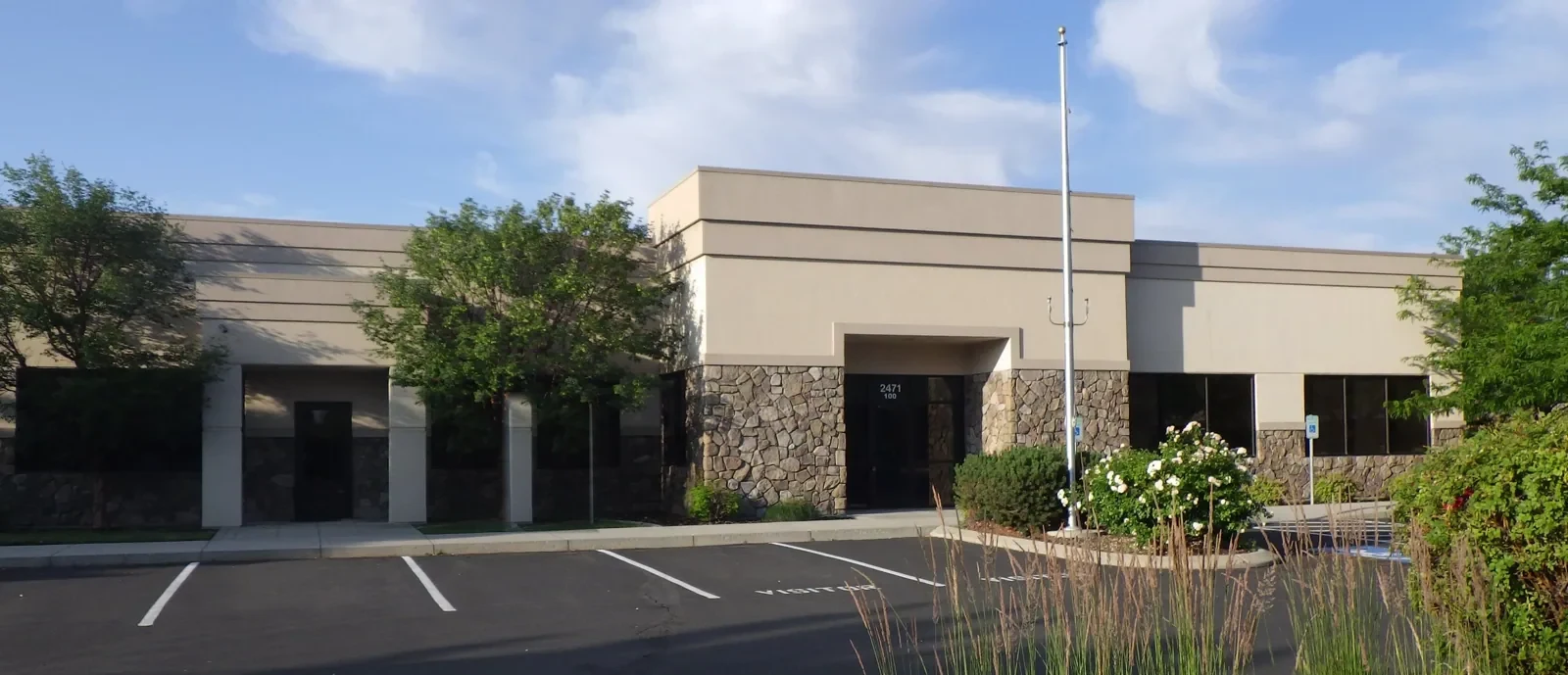
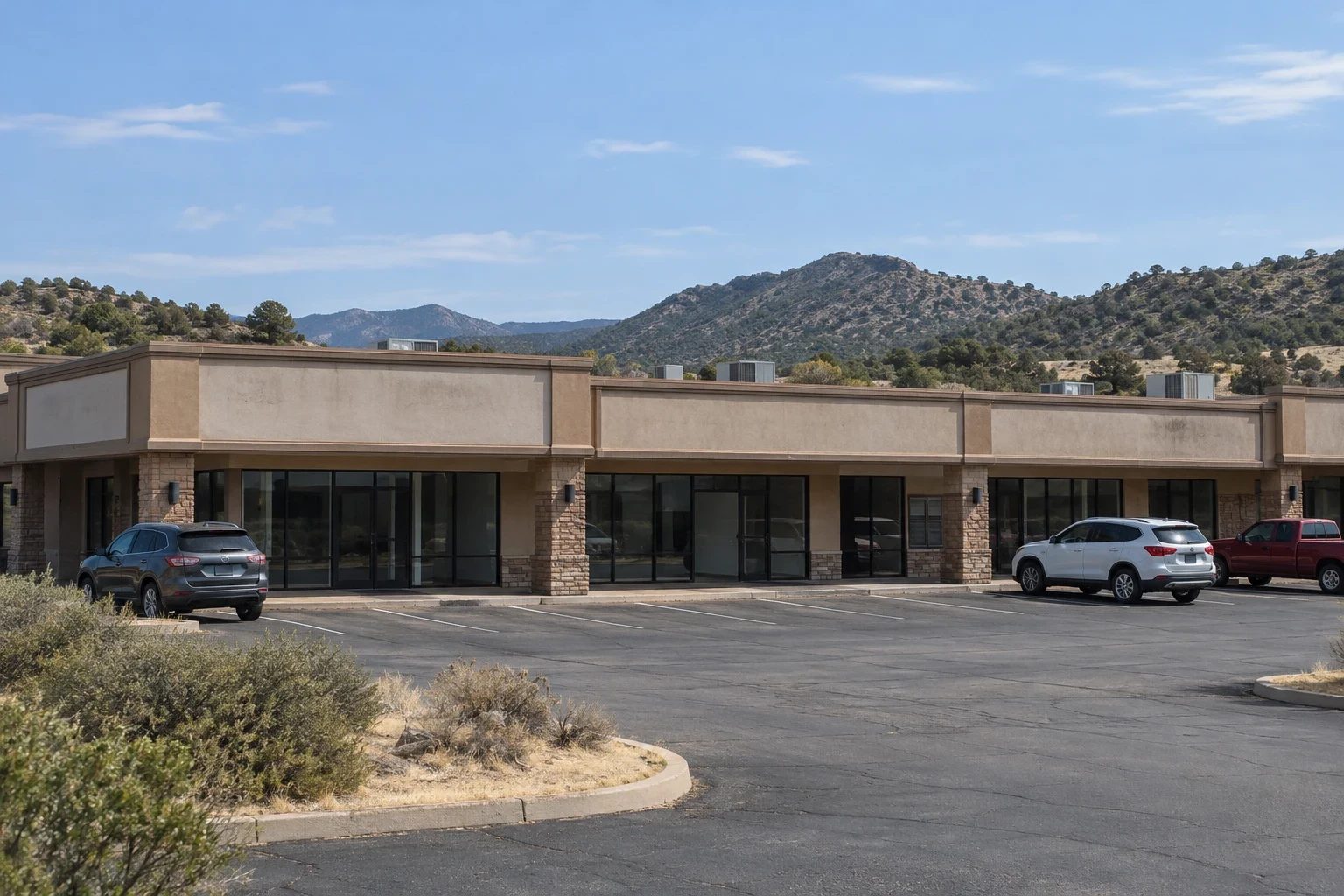
Retail is the big one, and Glassford Hill Marketplace and The Crossroads are the power centers to know. The roofs on shopping center buildings tend to be low-slope and shared by many tenants, and the rooftop units bring foot traffic that wears the surface.
Industrial is next. The east side has industrial parks, and Big Sky Business Park lists a 10.79-acre pad with C3 zoning, water, power, sewer and gas. Roofs on new buildings tend to be metal or single-ply on tilt-up and steel. The risk there is fastener wear and curb seals. On flex industrial buildings we count every curb and check each one.
Multifamily and mixed use sit near the core. Homestead Talking Glass is a 214-unit apartment complex downtown. Apartment roofs bring many penetrations and many residents who report drips. Each asset type has its own failure pattern, and the report sorts them so a fund can compare.
Tenants like the Ace Hardware Retail Support Distribution Center and MI Windows and Doors, both employers in town, show who rents or owns space at the larger end. A fund that buys near them should read the roof through the lens of manufacturing tenants, who care about leaks over production floors and stock.
Turning findings into a capital timeline
A fund needs a schedule, not a story. We give each roof a year and a range. The year is when we expect the item to need work. The range is the cost, from a repair-only path to a full replacement. Where a recover or a coating can extend life, we show that path as well.
We then lay the roofs on one timeline. Which year has three roofs due? Which year is quiet? The answer helps you plan reserves and hold periods. Our roof capital planning uses the same sheet each year, so changes show up clearly.
Roofs near the end of life are flagged for price. If a building needs a full replacement in two years, that should be in the offer. We give a number you can use in the negotiation, and we show the photos behind it.
For a hold of five years, we show what the roof needs during the hold and what it leaves to the buyer. If a roof will need work in year six, the next buyer will discount for it. A recoat in year four can move that date and the price.
Warranties and records
A transferable warranty has value only if the file is complete. We read the paperwork against what we see on the roof. We note repairs made by others. We flag any penetration or equipment change that may affect coverage.
After closing, warranty management keeps the file current. We log each visit, each repair and each photo set. When you sell, the next buyer sees the same record. It makes the roof a known quantity. That can protect the price at exit.
If you hold through a property manager, we work with property management companies to keep the walks on a calendar.
What to ask for in writing
Each building's sheet should hold photos and a roof plan, a range of remaining life, a price on every repair-now item, the core cut results and the moisture scan map.
Ask what you cannot see. A roof under snow or ice cannot be walked. A roof with a heavy overlay cannot be judged by the surface. We say so in the sheet and tell you what additional step would answer the question.
Commercial Roofing Questions
How long does a pre-purchase roof walk take?
For one building, a day for the walk and a few days to finish the sheet. For a portfolio, we plan visits in a sequence and deliver sheets as each is done. Tell us your deal deadline, and we plan the work to fit.
Do you take core samples?
Yes, where the owner allows it. A core cut shows layers, thickness and moisture. We take a small number in places the scan points to, record each location and patch it the same day. Without cores, we say what we cannot confirm.
Can the report be shared with lenders and insurers?
Yes. It is written to be read by people who have not seen the roof. Each finding has a photo, a location and a method. Many lenders ask for a roof statement in a deal. The sheet can be that statement.
What if the seller will not allow a core cut?
We do the walk, the scan and the probes, and we report what they show. We note that the layers and insulation state are unconfirmed. You can then ask for a credit or a holdback to cover the unknown.
How do you handle hail history on a roof we are buying?
We press on the surface, look for bruises and dents and compare them with the date of known storms. We photograph what we find. If damage is recent, an insurance claim may be open or possible, and the sheet gives you a record to take to the carrier.
Request a walk-through
Ask for a walk-through before you close. We will send a written findings sheet with photos before we price any repair, and we will give you a range and a year for each roof.
Request a Roof Assessment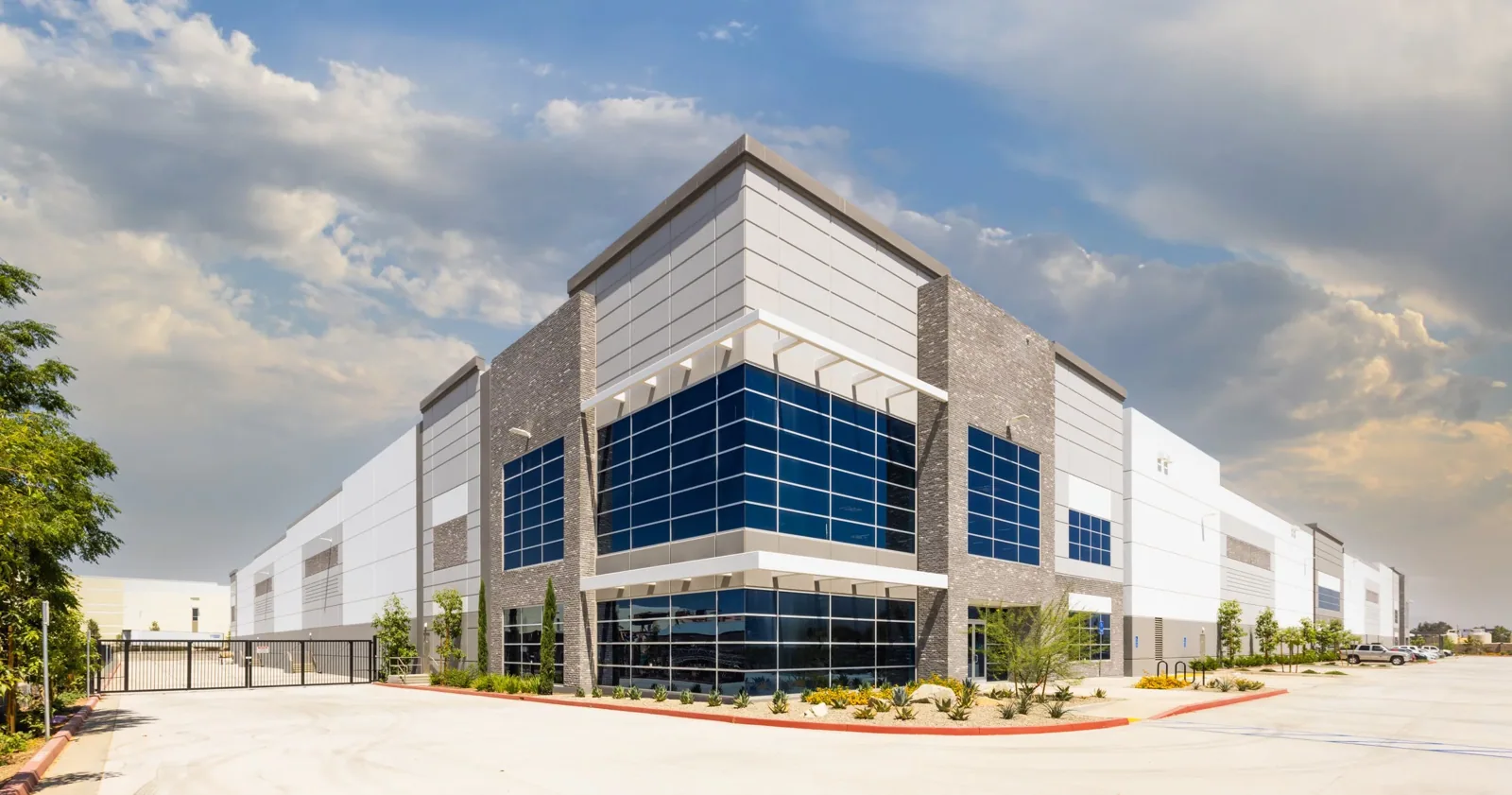
Commercial Roofing Questions
For one building, a day for the walk and a few days to finish the sheet. For a portfolio, we plan visits in a sequence and deliver sheets as each is done. Tell us your deal deadline, and we plan the work to fit.
Yes, where the owner allows it. A core cut shows layers, thickness and moisture. We take a small number in places the scan points to, record each location and patch it the same day. Without cores, we say what we cannot confirm.
Yes. It is written to be read by people who have not seen the roof. Each finding has a photo, a location and a method. Many lenders ask for a roof statement in a deal. The sheet can be that statement.
We do the walk, the scan and the probes, and we report what they show. We note that the layers and insulation state are unconfirmed. You can then ask for a credit or a holdback to cover the unknown.
We press on the surface, look for bruises and dents and compare them with the date of known storms. We photograph what we find. If damage is recent, an insurance claim may be open or possible, and the sheet gives you a record to take to the carrier.