Commercial Roof Repair in Prescott Valley, AZ
Planned commercial roof repair in Prescott Valley, AZ: membrane, flashing, seams and details fixed from an inspection sheet, with photos before and after.
A roof repair usually starts small and visible: a split in a corner flashing, a seam that has lifted a quarter inch, a pipe boot gone brittle in the sun. Walk the roof with a plan and these show up before they leak. In Prescott Valley, AZ, the mix of monsoon downpours, freezing mornings and thirty-degree daily swings means small defects open fast, so planned repair is the cheapest roof work an owner can buy.
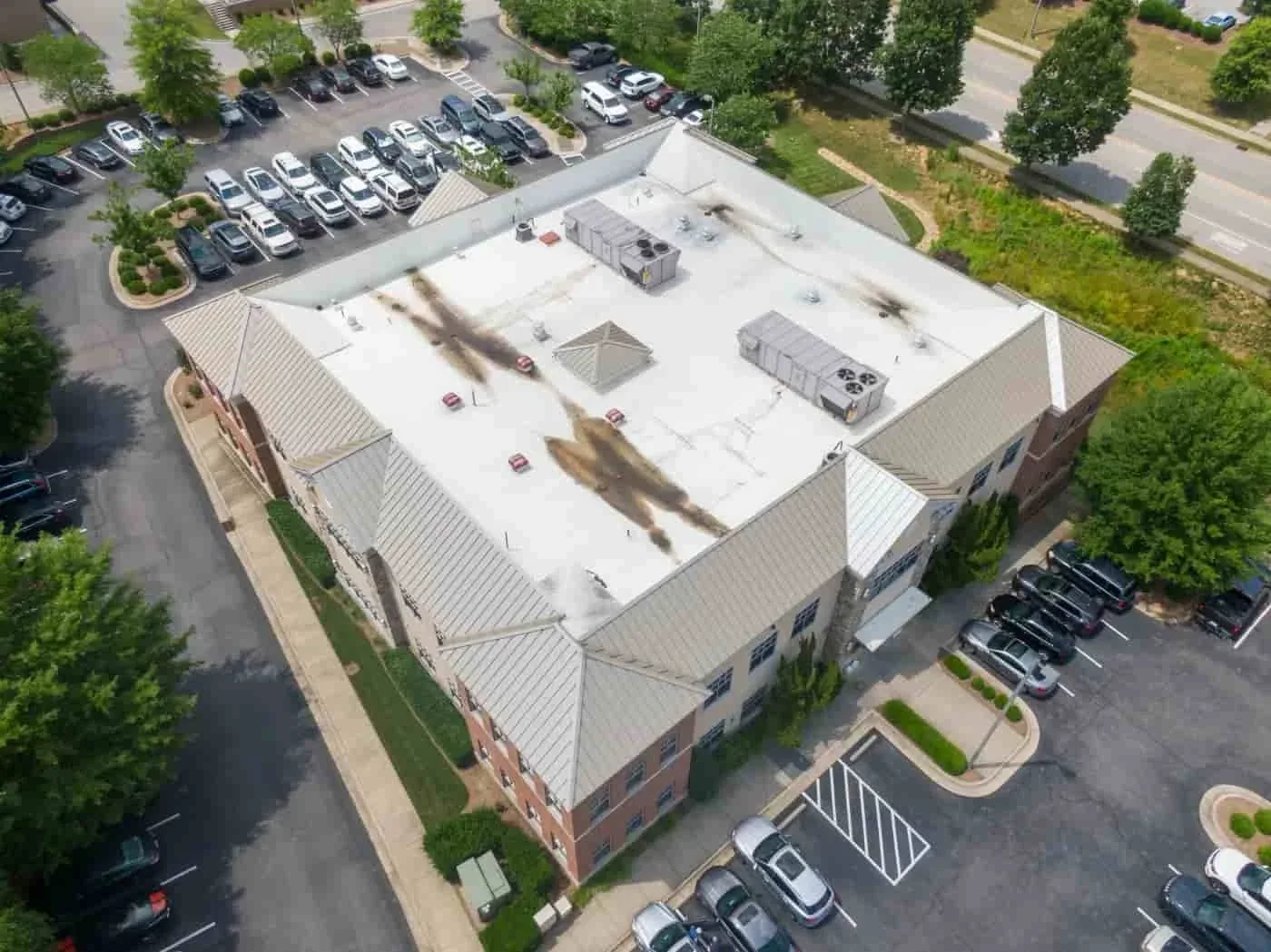
A planned repair is different from an emergency patch. It begins with a written inspection that lists every defect by location, with a photograph and a recommended fix. Then you choose what to repair now and what can wait. The work is done in dry weather, with the right material for your membrane, and the same crew photographs each fix when it is complete. If a leak is already active, our leak tracing comes first, and the planned repair follows.
What the Walk Usually Turns Up
Flashings come first. Where a membrane meets a wall, a curb or a pipe, movement concentrates. Each day the roof heats and cools by nearly thirty degrees, as measured in Prescott, and the flashing flexes against a surface that does not move. Over a few seasons that flex opens the termination bar, cracks the sealant and lifts the edge. We re-secure the bar, cut out the failed sealant and set new flashing with reinforcement at the corners.
Seams come next. Heat-welded seams in TPO or PVC can fail where the weld was cold or where dirt was trapped in the lap. Modified bitumen seams can open from slow movement. We probe every seam with a rounded tool, mark the soft ones and weld, torch or adhere them back.
Penetrations and drains round out the list. Pipe boots crack and exhaust fan curbs settle. Drain screens pack with gravel and leaves after a storm, and a drain that cannot pass water turns a flat roof into a shallow pond. Clearing and re-sealing those is quick work with a large payoff.
Edges and metal trim deserve a look too. Coping caps and gravel stops loosen as fasteners work out of the substrate, and a loose edge is where the next gust front starts to peel a membrane. Re-securing metal now is a small job that can prevent a large one.
Repairs After a Monsoon Cell
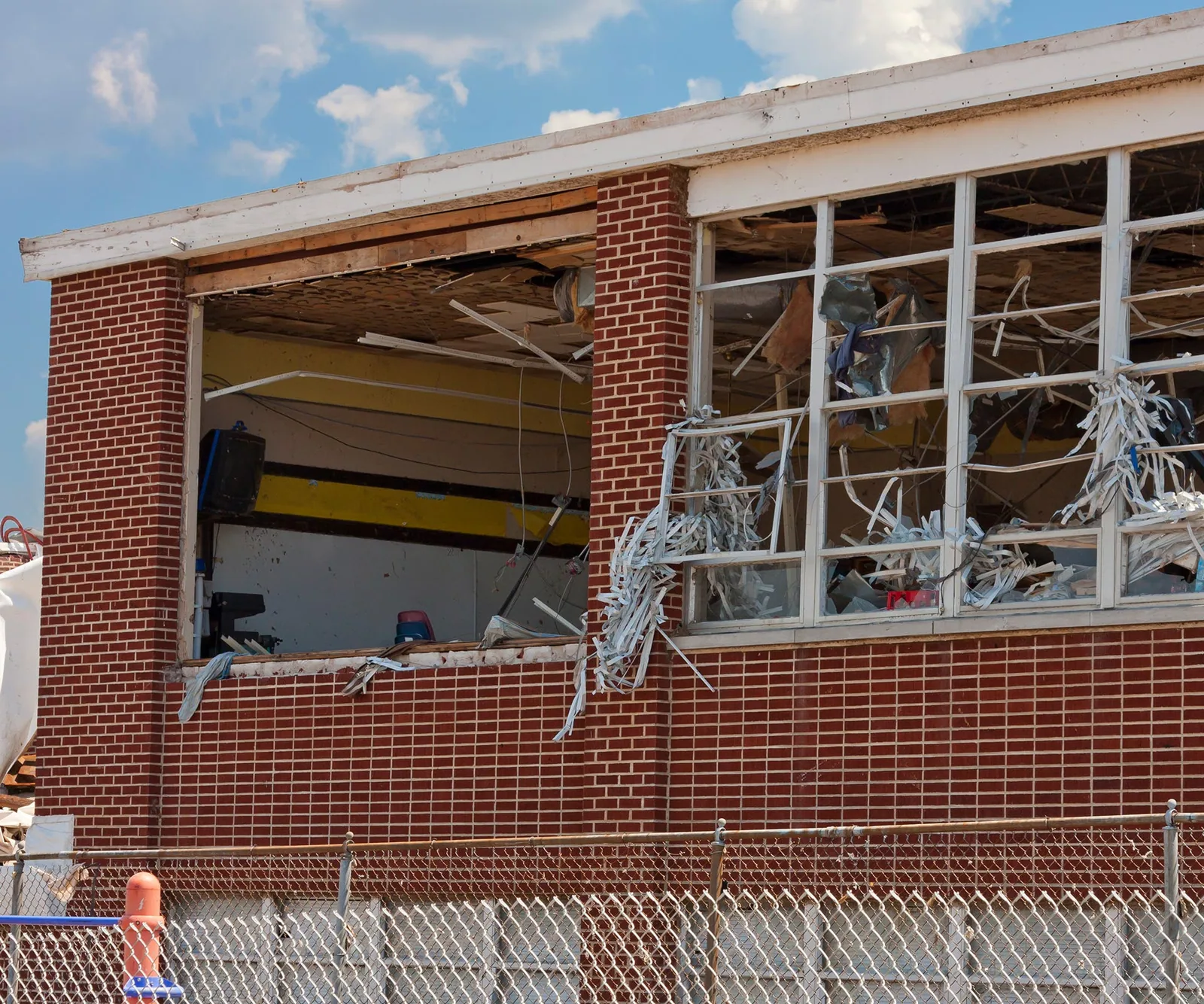
The July 20, 2026 storm that crossed Prescott Valley brought heavy rain, strong gusts and pea-sized hail, and took down trees and traffic signals. After a cell like that, roofs often show a fresh set of defects: granules or surface pitting from hail, a fastener head backed out, debris lodged in a seam, water standing in the low spots. A tornado reported north of town on May 6, 2025 was filmed pulling shingles off a roof, a reminder that wind can find a loose detail on any building type.
We schedule a post-storm walk when owners ask for one. It is a smaller version of the full inspection that focuses on the edges, penetrations and the places where water stood. Small damage found within days costs a fraction of what the same damage costs after a winter freeze has worked into it. For storm claims, our storm damage repair work includes photographs and a written scope suitable for your insurer.
Matching the Repair to the Roof
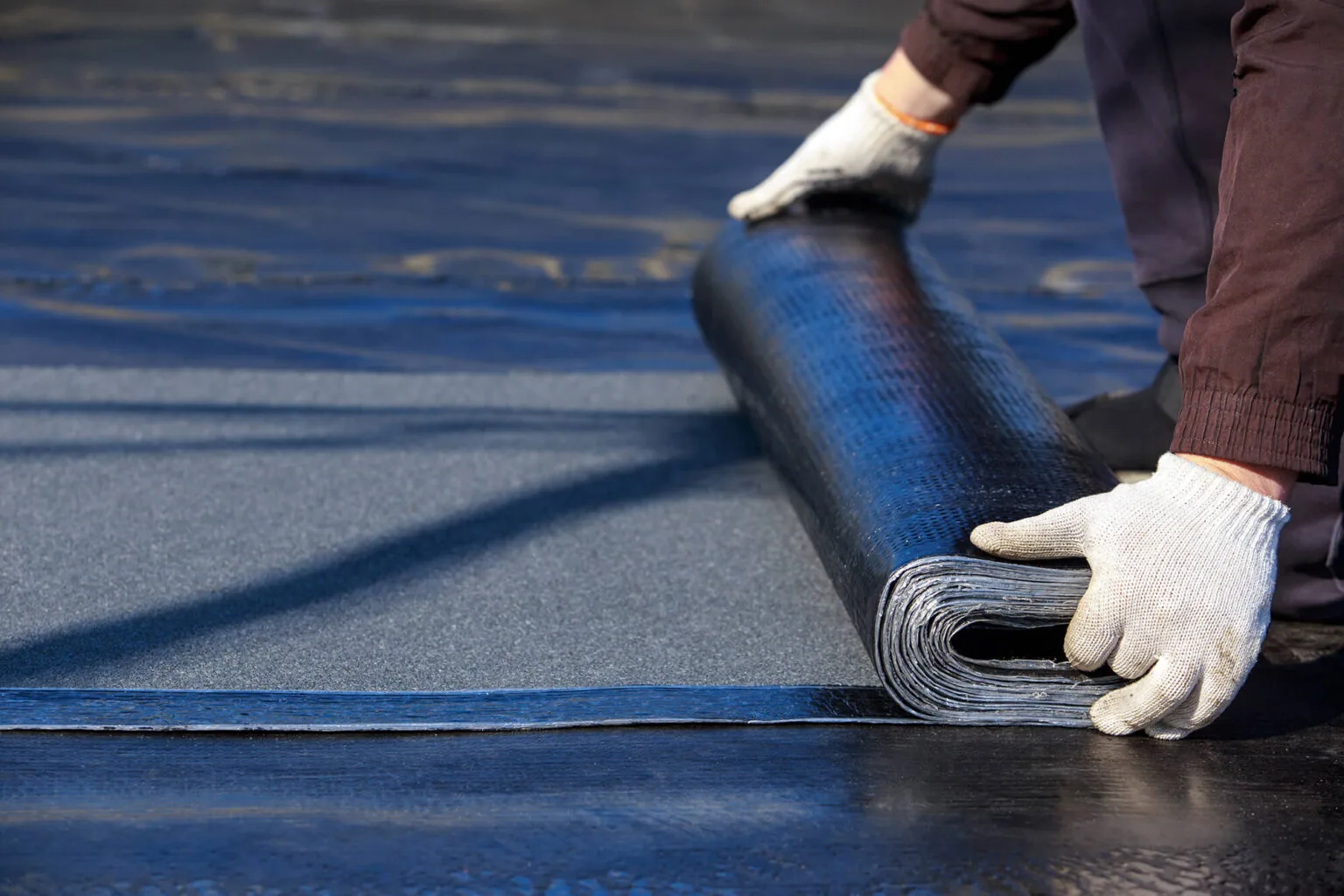
A repair fails fast if the patch material does not suit the membrane under it. TPO takes a heat-welded patch. EPDM takes a vulcanizing or tape-based patch. Modified bitumen takes a torch-applied or cold-applied cap sheet. A coating can bridge small cracks in a sound roof, though it cannot cure a wet one. We identify the system first, usually by a core or a seam sample, then pick the repair.
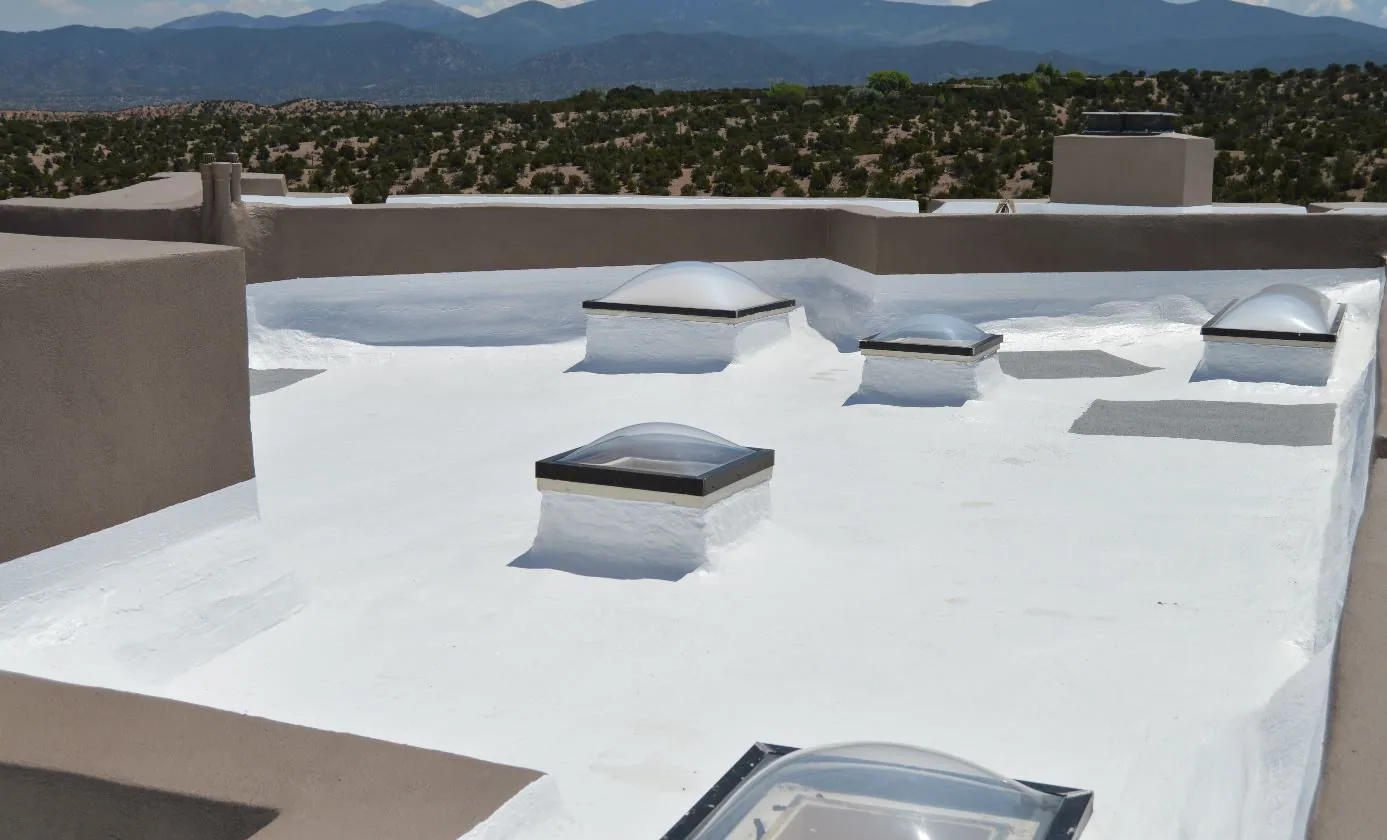
For roofs that need more than patching, we point to the next step. Our coating restoration can extend the life of a sound roof, and flashing repair is often the first line item. When too much of a roof is failing, a full replacement becomes the better use of money, and we say so in the findings sheet.
Ranking the Work by Risk
Not every defect deserves the same urgency. We rank each item on the sheet by what happens if it waits. A cracked pipe boot over a ceiling is first, because water follows the pipe into the building. A lifted seam on a low-slope field comes next. Surface wear on a sound membrane sits near the bottom. Ranking this way lets a property manager spend a limited budget where it stops the most damage, and it gives a facility director a defensible order of work to show the owner.
Timing matters as much as rank. A repair that can wait until spring dry weather is scheduled for spring. A repair that sits above a freezer, a server closet or a clinic is done this week, with a temporary dry-in the same day if needed.
Where These Repairs Happen
Retail and grocery buildings along the State Route 69 corridor keep the doors open every day, so we repair in zones and keep walkways clear. In Big Sky Business Park, where newer buildings tend to carry metal or single-ply roofs, the repair list centers on dock canopies, rooftop equipment and drains. Farther afield, in Prescott, Chino Valley and Cottonwood, the same inspection process applies, with adjustments for elevation: Cottonwood sits at about 3,461 feet and runs far hotter in summer than Prescott Valley.
The Entertainment District adds a different kind of repair call. Assembly and restaurant roofs carry kitchen exhaust, drains and rooftop equipment close together, and the events center draws large crowds, so we schedule noisy work outside event nights.
Commercial Roofing Questions
How do I know whether a repair is worth doing or the roof is too far gone?
We compare the cost of the repairs on the sheet to the roof's remaining condition. If a core shows dry insulation and the defects are isolated, repair is the better value. If wet insulation or widespread membrane failure appears in the cores, spending on patches only delays the replacement. The findings sheet makes that comparison with photographs.
Can you repair a roof in winter?
Often yes, with limits. Many sealants and adhesives need a minimum temperature, and snow or ice on the surface has to be cleared. Prescott sees freezing temperatures from about late October into spring, so we use cold-rated products or wait for an afternoon window. Safe, temporary dry-in is available any day.
What does the written report include?
Each item has a location on a roof plan, a photograph, a description of the defect and a recommended fix with a priority. You can approve all of it, pick items, or hold some for a later budget. After the work, we photograph each completed repair so you have a before-and-after record.
Will repairs affect my existing warranty?
They can, depending on who does the work and what material is used. Check the terms of the warranty before repair begins. We follow manufacturer details for the system we are repairing and keep a record of materials used, so a claim has documentation behind it.
How long should a repair last?
A repair made with matching materials on a sound roof can last for years, but the surrounding roof keeps aging. We note the condition of nearby seams and flashings so you can see whether the repair is one fix in a healthy roof or one of many on a failing one.
Schedule a Walk-Through
Call for an inspection of your roof. You receive a findings sheet with photos and a ranked list of repairs, and no repair is priced until you have read it.
Request a Roof Assessment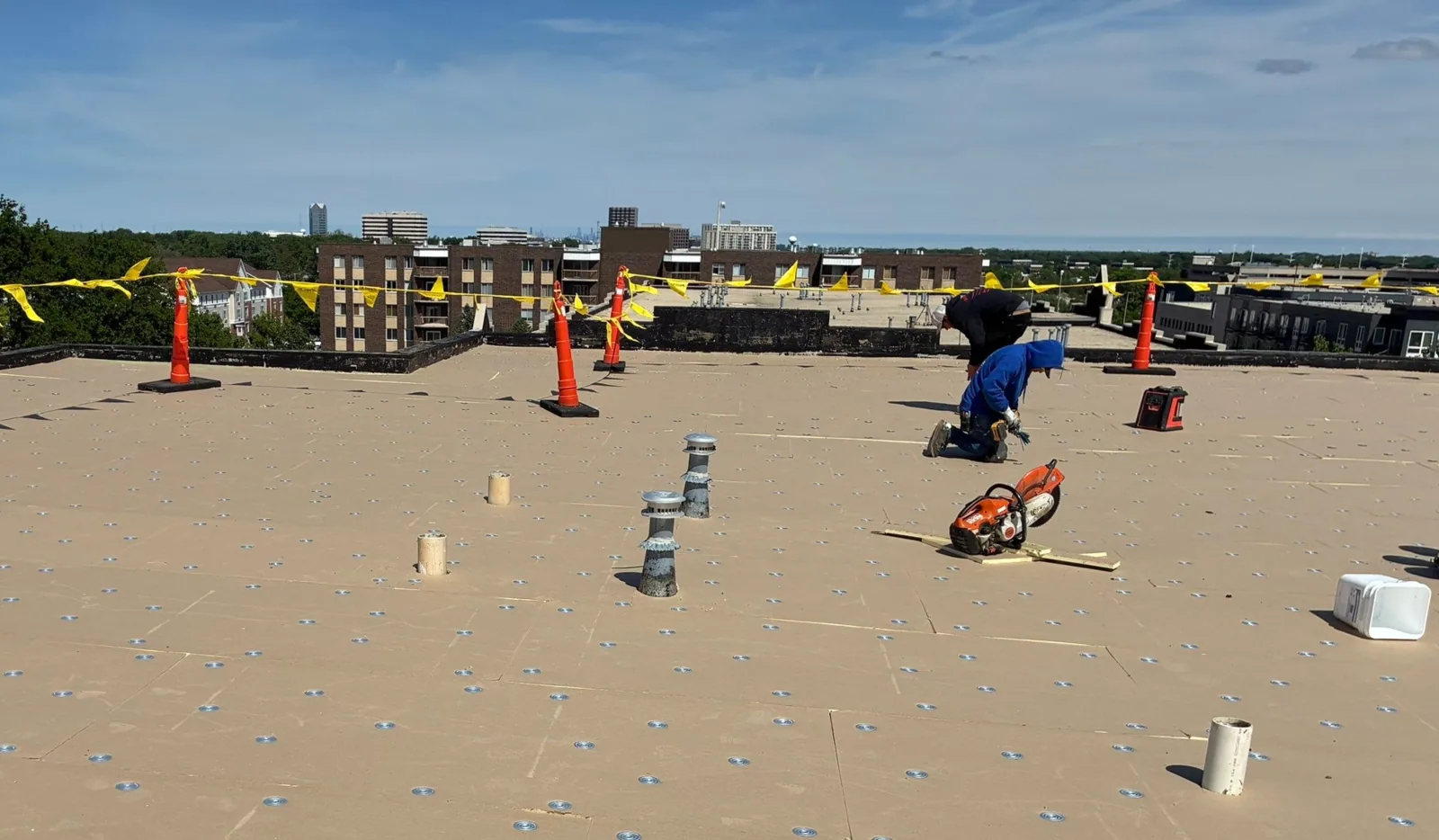
Commercial Roofing Questions
We compare the cost of the repairs on the sheet to the roof's remaining condition. If a core shows dry insulation and the defects are isolated, repair is the better value. If wet insulation or widespread membrane failure appears in the cores, spending on patches only delays the replacement. The findings sheet makes that comparison with photographs.
Often yes, with limits. Many sealants and adhesives need a minimum temperature, and snow or ice on the surface has to be cleared. Prescott sees freezing temperatures from about late October into spring, so we use cold-rated products or wait for an afternoon window. Safe, temporary dry-in is available any day.
Each item has a location on a roof plan, a photograph, a description of the defect and a recommended fix with a priority. You can approve all of it, pick items, or hold some for a later budget. After the work, we photograph each completed repair so you have a before-and-after record.
They can, depending on who does the work and what material is used. Check the terms of the warranty before repair begins. We follow manufacturer details for the system we are repairing and keep a record of materials used, so a claim has documentation behind it.
A repair made with matching materials on a sound roof can last for years, but the surrounding roof keeps aging. We note the condition of nearby seams and flashings so you can see whether the repair is one fix in a healthy roof or one of many on a failing one.