Office Building Roofing in Prescott Valley, AZ
Roof inspection, repair and replacement for office buildings in Prescott Valley, AZ, with photo findings and tenant-friendly scheduling.
Look at the roof drains after a rain. A drain screen on an office roof in Prescott Valley, AZ can hold gravel, leaves or small hail. That is a cheap finding, and it matters. A drain that cannot pass water leaves a ponding line, and a ponding line shows where the deck has settled. Our walk covers the seams, the curbs and the drains, with photographs of what we find, and the written sheet arrives ahead of any price.
Office roofs are quiet until they leak. Then a tenant calls, a ceiling tile drops and a manager needs answers fast. The sheet gives them.
What office roofs have in common
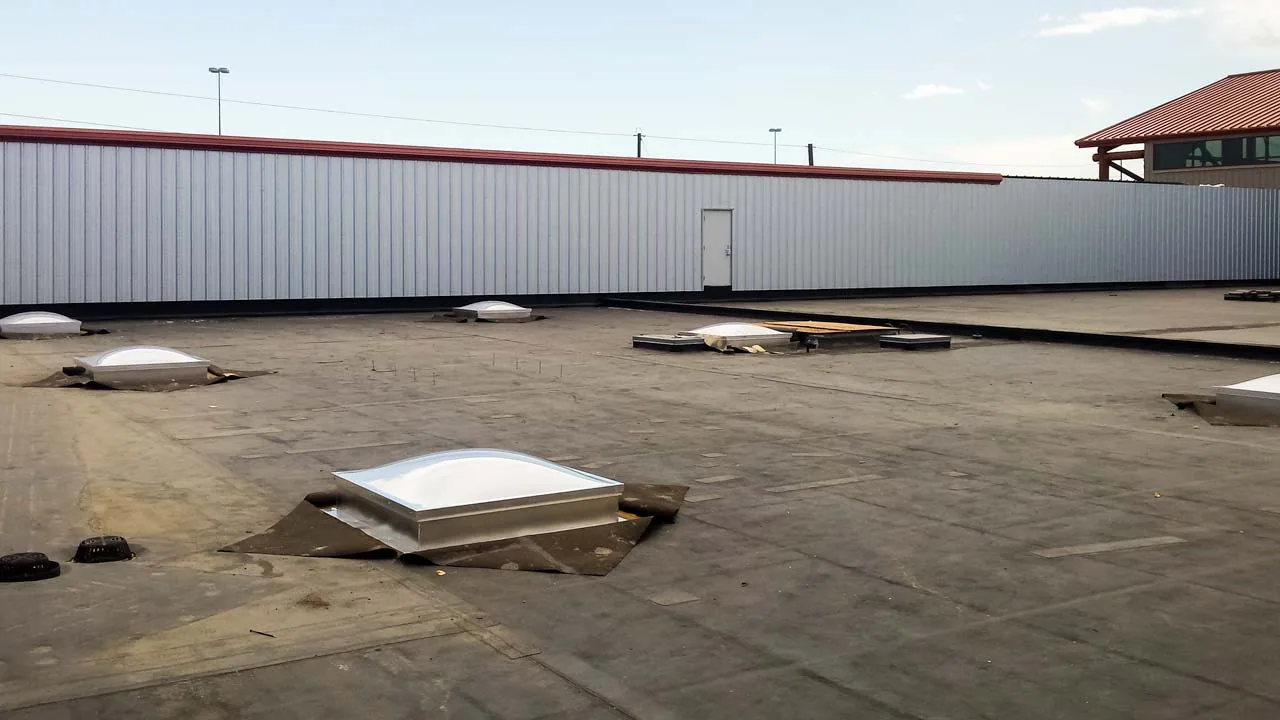
Many office roofs are low-slope with a parapet. They carry rooftop units, vent stacks and a few skylights. The rest is membrane field and drains.
The units are the problem. Each one sits on a curb, and each curb has flashing. When a tenant adds a unit or replaces one, the crew cuts and patches. If the flashing is wrong, the roof leaks within a season.
We mark every curb and every patch on the plan. We note which ones look original and which look like a quick fix.
Skylights and roof hatches get the same check. Their curbs are tall, and their seals age fast. A cracked seal lets in water on every rain. We photograph each one and rank it. A skylight or penetration flashing repair is small if caught early.
What a ceiling stain really tells you
A stain shows where water ended up. It does not show where it came in. Water travels along the deck, the insulation and the pipes before it drips.
So we start at the stain and work upstream. We look at the nearest curb, wall joint and drain. We use a moisture scan if the source is not clear. The leak repair goes at the entry point, not at the stain.
A manager who fixes the stain and not the source pays twice.
We keep a record of each leak call. Date, suite, source, repair. After a year, the record shows patterns. Three leaks at one curb mean the curb is the problem, not the weather. That record helps a manager argue for a real fix instead of another patch.
What monsoon and hail do to a flat roof
Monsoon cells arrive in July and August with rain, gusts and hail. The July 20, 2026 storm dropped heavy rain, strong wind and pea-sized hail on Prescott Valley, and the damage across town included downed signals and trees.
Pea-sized hail does not usually punch through a membrane. It can bruise one. A bruise is a soft, dark spot that may leak after the next freeze. We press along the field and mark each one.
Buildings near Glassford Hill take ridge-top wind as well. Buildings near Glassford Hill, which tops out at 6,177 feet, take ridge-top wind. Edge metal on those roofs needs a close look.
After any storm, walk the roof or send us. Check the edge, the flashings and the drains. Take photos and write the date. If hail fell, check the vent caps and the rooftop units. Dented fins on a unit tell you hail was big enough to matter.
What freezing mornings do
Mornings turn freezing from late October until May. A daily swing near 30 degrees makes the membrane expand and shrink. Seams and flashings take the strain.
Water that gets into a lap freezes and pries it open. By spring the lap leaks more. We probe the seams in autumn and mark the soft ones. We also check the downspouts. A frozen drain line holds water on the roof.
If you see ice on the roof edge, call us. Ice dams hold water against the flashing.
Prescott averages about 10 inches of snow a season. That is not a heavy load, but it melts and refreezes. Melt that cannot reach a drain pools at the low spots. We clear the paths and note any drain that runs slow.
Where office roofs sit in town
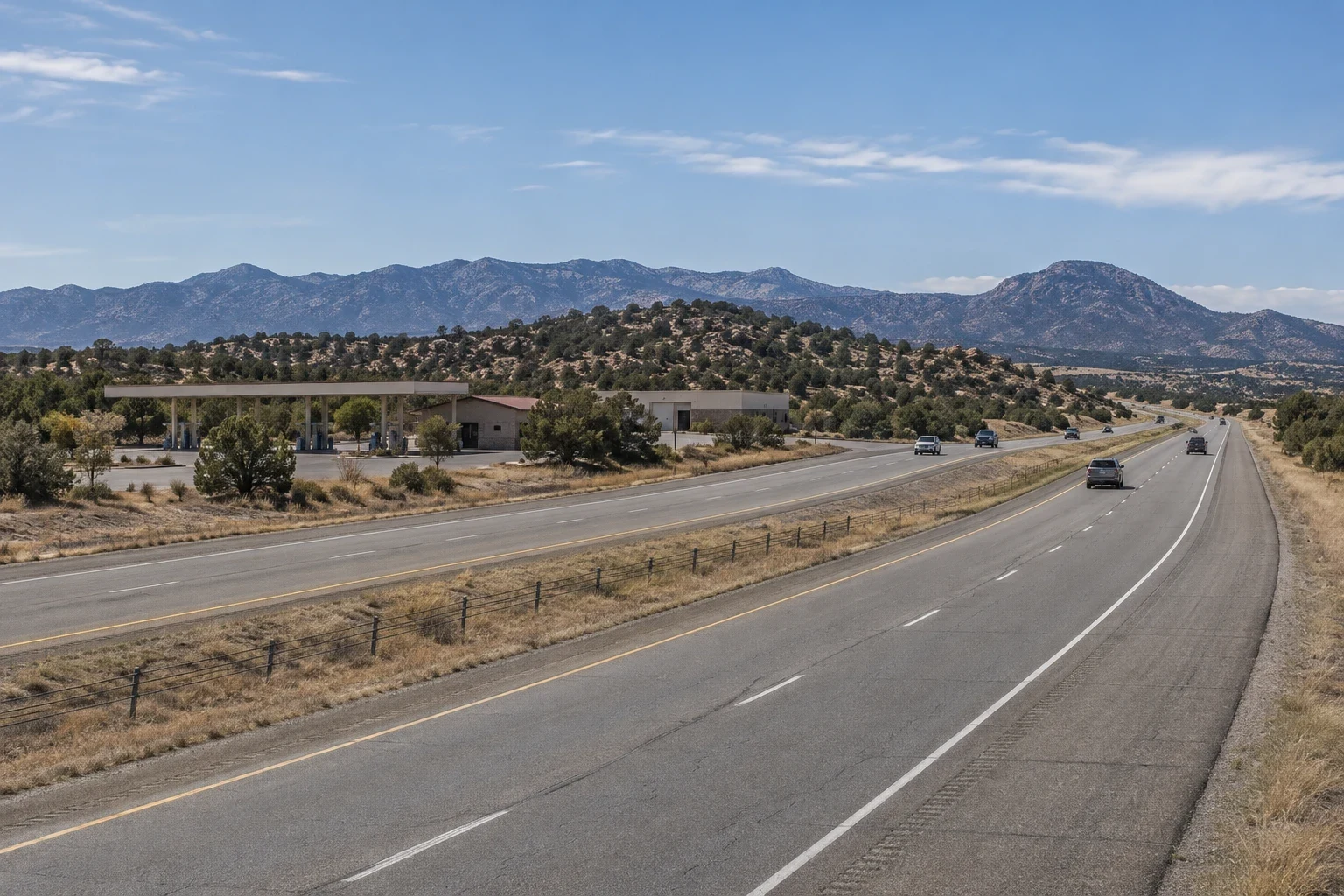
Office roofs share the town with the SR 69 corridor, where the six-lane highway runs from Prescott Valley to downtown Prescott and Interstate 17, and with the downtown Entertainment District.
An office near the Entertainment District sits beside large-span assembly and retail roofs, so a leak at a shared wall can start on the next building. We trace it before we price it.
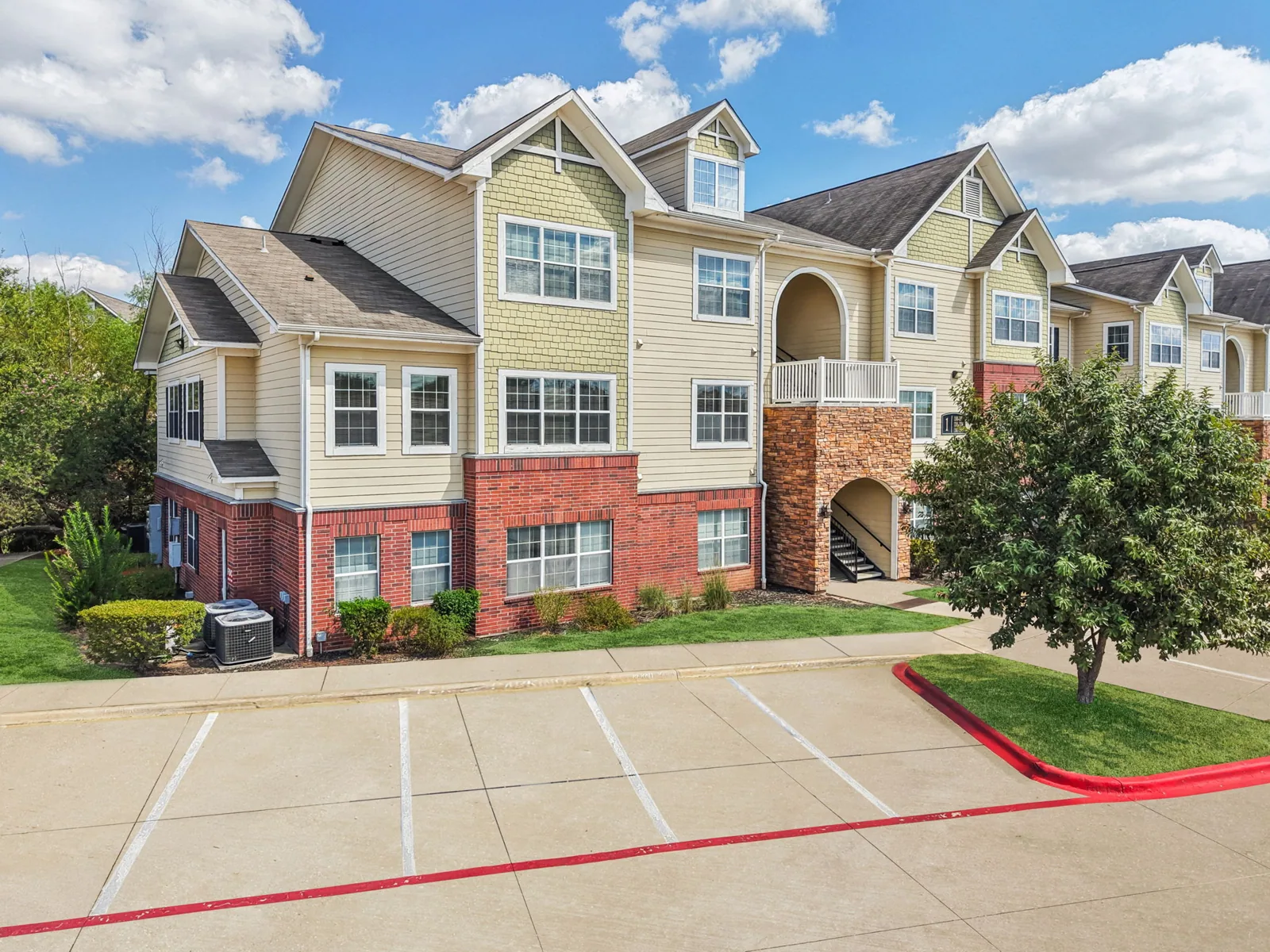
Homestead Talking Glass, a 214-unit apartment complex, sits in the downtown area, so offices and homes stand close together. Parapet walls shared between buildings need care. A cracked cap on a shared wall drips into both sides. A multifamily roof asks for a different notice plan than an office roof, and we write each plan for the building at hand.
What to repair now and what can wait
Repair now: open seams, failed curb flashing, blocked drains and torn membrane. Water finds these first.
What can wait: staining, minor chalking and small blisters that do not cut the fabric. We list them with photos so you can budget. If a building has wet insulation, an infrared moisture survey shows where. A medical office in the same plaza may need a faster schedule because of patient flow.
Every item carries a photograph, a plan location and a price, and the lists stay separate so the first can be funded now. For buildings with many items, a preventive maintenance plan spreads the work over several visits.
Commercial Roofing Questions
Can tenants stay during a reroof?
Yes. Each section is opened, closed and dried in the same day, and loud work waits for the hours you pick. We notify tenants in writing, protect entries and cover air intakes. Tell us which suites are sensitive and we schedule the loudest work for the quietest hours. We also ask which parking areas must stay open, and we stage material away from the main entrance.
How do we split roof costs between tenants?
Check the lease first. Many leases charge roof repair to the landlord and pass costs through as common area expense. We mark tenant units on the plan, so you can show which repairs came from which equipment. Dated photographs settle most disputes before they start.
When should we replace instead of repair?
Replacement makes sense when core samples show soaked insulation over a large share of the roof or seams are failing everywhere. Repair makes sense when defects are isolated over dry insulation. You see both prices beside the core photographs. A recover is an option if the roof is dry and flat. It adds a new membrane over the old one, so it saves disposal cost, but it cannot cover wet insulation.
What does the written report include?
It includes a roof plan, photographs of each finding, core locations, a list of repairs with prices, and a note on the warranty. We send it before any repair is priced. You can share it with a lender, an insurer or a buyer. Tenants who ask what happened get a short summary and a photograph, not a long story.
How soon should we call after a hailstorm?
Call within a week. Hail bruises fade, and a dated photo set helps with a claim. We press along the field, mark each soft spot and photograph it with a scale. If we find damage, we write it up in plain terms. A short summary with one photograph is enough for tenants, while the full sheet stays with the property manager for the file.
Request a walk-through
Ask for a walk-through of your office roof. We send a written findings sheet with photos before we price any repair. You decide what to fix now and what can wait.
Request a Roof Assessment
Commercial Roofing Questions
Yes. Each section is opened, closed and dried in the same day, and loud work waits for the hours you pick. We notify tenants in writing, protect entries and cover air intakes. Tell us which suites are sensitive and we schedule the loudest work for the quietest hours. We also ask which parking areas must stay open, and we stage material away from the main entrance.
Check the lease first. Many leases charge roof repair to the landlord and pass costs through as common area expense. We mark tenant units on the plan, so you can show which repairs came from which equipment. Dated photographs settle most disputes before they start.
Replacement makes sense when core samples show soaked insulation over a large share of the roof or seams are failing everywhere. Repair makes sense when defects are isolated over dry insulation. You see both prices beside the core photographs. A recover is an option if the roof is dry and flat. It adds a new membrane over the old one, so it saves disposal cost, but it cannot cover wet insulation.
It includes a roof plan, photographs of each finding, core locations, a list of repairs with prices, and a note on the warranty. We send it before any repair is priced. You can share it with a lender, an insurer or a buyer. Tenants who ask what happened get a short summary and a photograph, not a long story.
Call within a week. Hail bruises fade, and a dated photo set helps with a claim. We press along the field, mark each soft spot and photograph it with a scale. If we find damage, we write it up in plain terms. A short summary with one photograph is enough for tenants, while the full sheet stays with the property manager for the file.