Commercial Roofing in Big Sky Business Park, Prescott Valley, AZ
Roof inspection, new-build checks and repair for tilt-up, steel and metal buildings in Big Sky Business Park in Prescott Valley, AZ, with written findings.
New roofs get walked too. A building in its first years still has fasteners to set, sealant to cure and flashings to settle. Big Sky Business Park sits on East Florentine Road in Prescott Valley, AZ. The park lists a C3-zoned pad of 10.79 acres with utilities on site (water, power, sewer, gas), easy access to Highway 69 and a short drive to downtown and major retailers. The town advertises shovel-ready business-park lots, so new-build roof work there tends to be metal or single-ply on tilt-up and steel buildings.
We inspect, repair and replace roofs in business parks. We probe the seams, photograph the findings and write them up. A written sheet reaches you before any repair has a price. The sheet reads as a punch list and a baseline at once. It shows what to fix now and what the roof looked like on the day we walked it.
Checking a new roof
A new roof can hide mistakes for a year or two. A seam welded on a cold morning may look fine and still be thin. A fastener driven a little off may sit proud. A flashing set without enough sealant may look tight on day one.
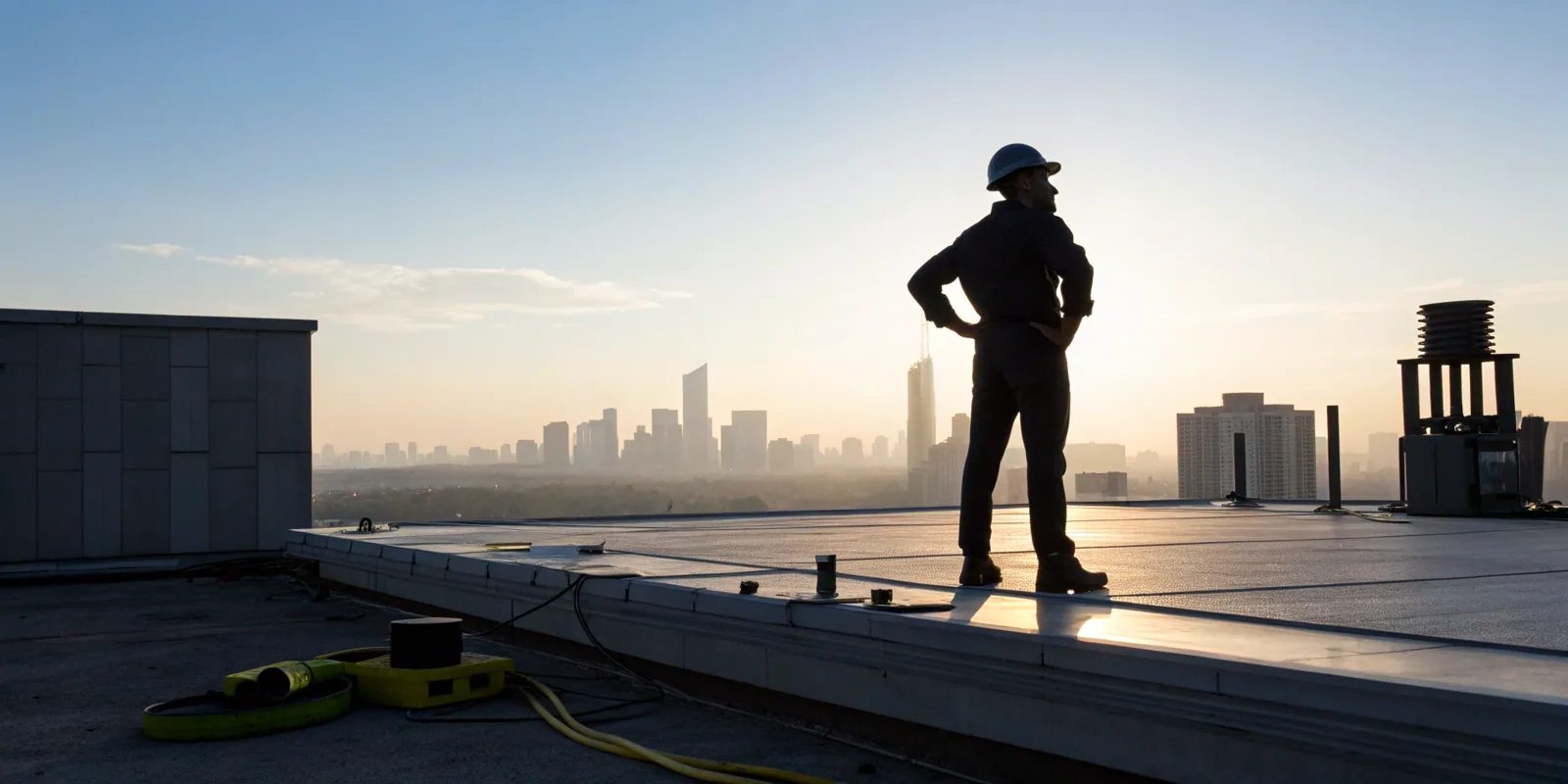
We walk the roof before the first winter. We probe every seam. We press fastener plates along sample rows. We check the sealant at every flashing and penetration. We note anything that looks off and mark it on the plan. Owners and developers use the sheet to ask the original installer to fix problems while the work is fresh, and the dated photos keep that conversation short and factual. It also becomes the first page of the roof file. A developer with several buildings in a park gets the same format for each, so a manager can compare them. Drains get their own line, since a new roof with a drain set an inch high will pond from day one. We measure the water depth after a rain and note any low spot.
Tilt-up and steel buildings
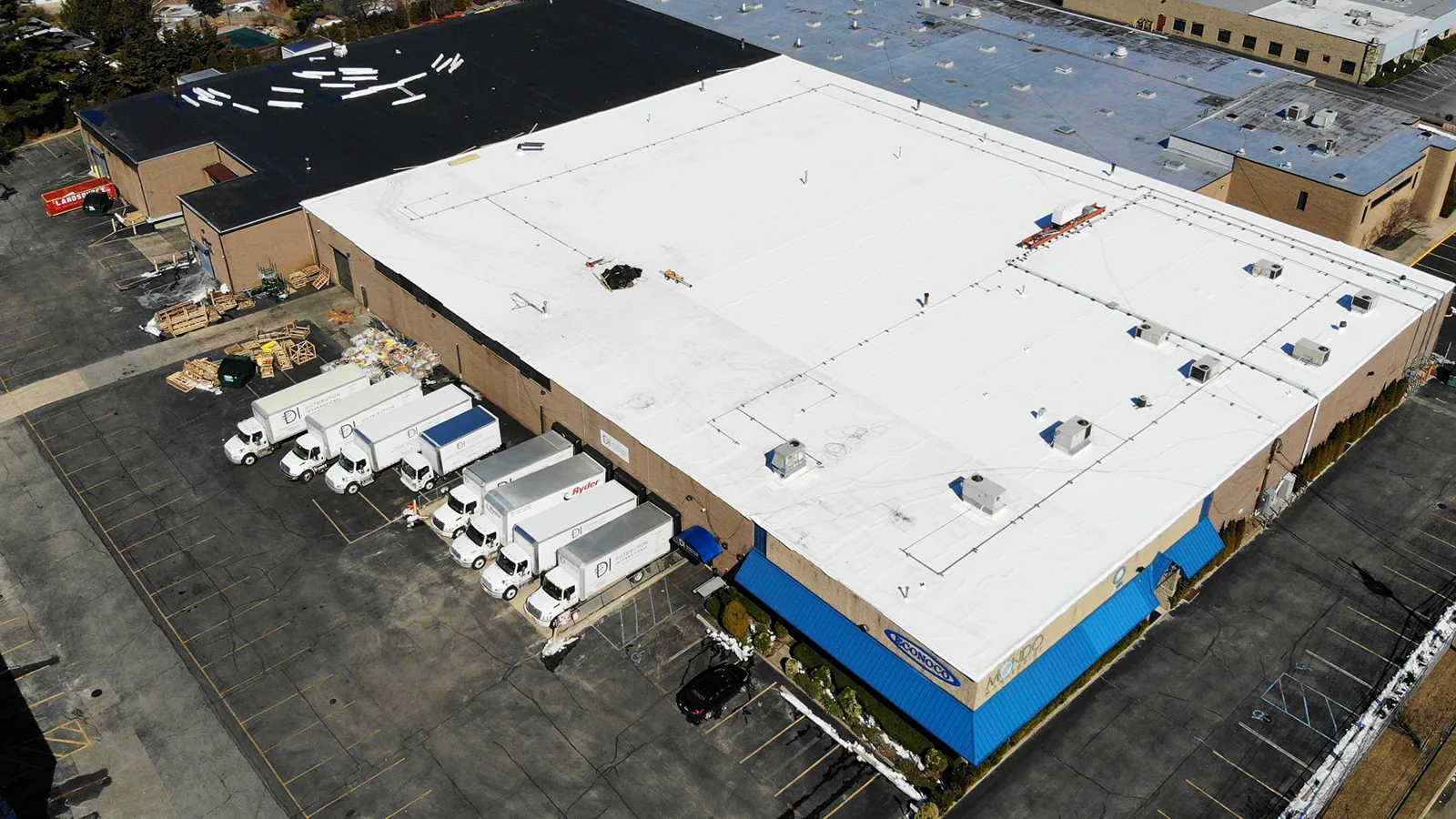
Tilt-up buildings have concrete walls and a roof deck on top. Steel buildings have a metal frame and panels or a deck. Both often carry large low-slope or gently sloped roofs. The walk names the system on each building.
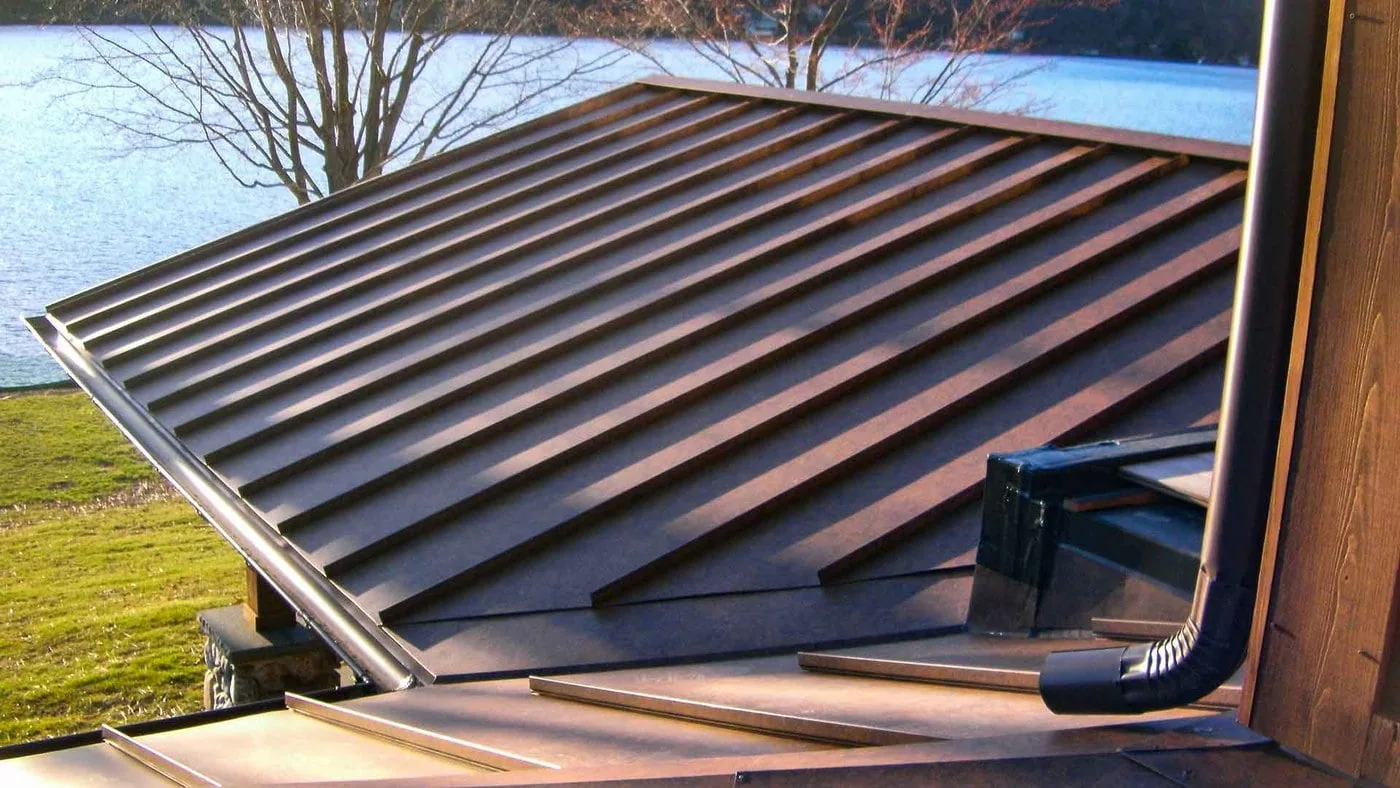
On a tilt-up, the wall-to-roof joint deserves a close look. Concrete panels move differently from a membrane. The flashing has to follow both. On a steel building with a standing seam metal roof, we check the clips, the seams and the penetrations. Panels slide with temperature, and a fixed penetration can bind them. Single-ply roofs get seam probes and drain checks. Penetrations get a close look on both. Every vent, pipe and unit is a hole in the roof. On a new building, tenants fit out the interior and often add equipment, and each addition cuts the roof again. We photograph each new curb and flashing so the record shows who did what. A TPO field gets welded patches. A metal roof gets clips, sealant and panel fasteners.
Why thermal swing matters on metal
The town sits near 5,100 feet. Daily swings in nearby Prescott average almost 30 degrees. A long metal panel can grow and shrink noticeably over a day. The clips allow that movement. Fixed points do not.
We look for signs of binding. Oil-canning, scuffed paint at clips, and sealant that has pulled apart all point to movement with nowhere to go. Over a winter of freezing mornings, from about late October to May 1, those signs get worse. A slight fix in fall costs little. A split seam in January costs more. We photograph each sign and rank it. Gutters and downspouts on a metal building also need a look. They fill with gravel and leaves, and ice in a downspout can split a joint. We clear them in fall and check that the outlets drain away from the foundation.
What storms leave on new roofs
The July 20, 2026 monsoon storm sent a downpour, strong wind and pea-sized hail across Prescott Valley. Wind lifts loose edge metal. Hail can leave dents on soft metal. Neither proves damage to a given roof. We check edges, cleats, panel ends and ridge caps after a cell. We look for dents, scuffs and displaced sealant.
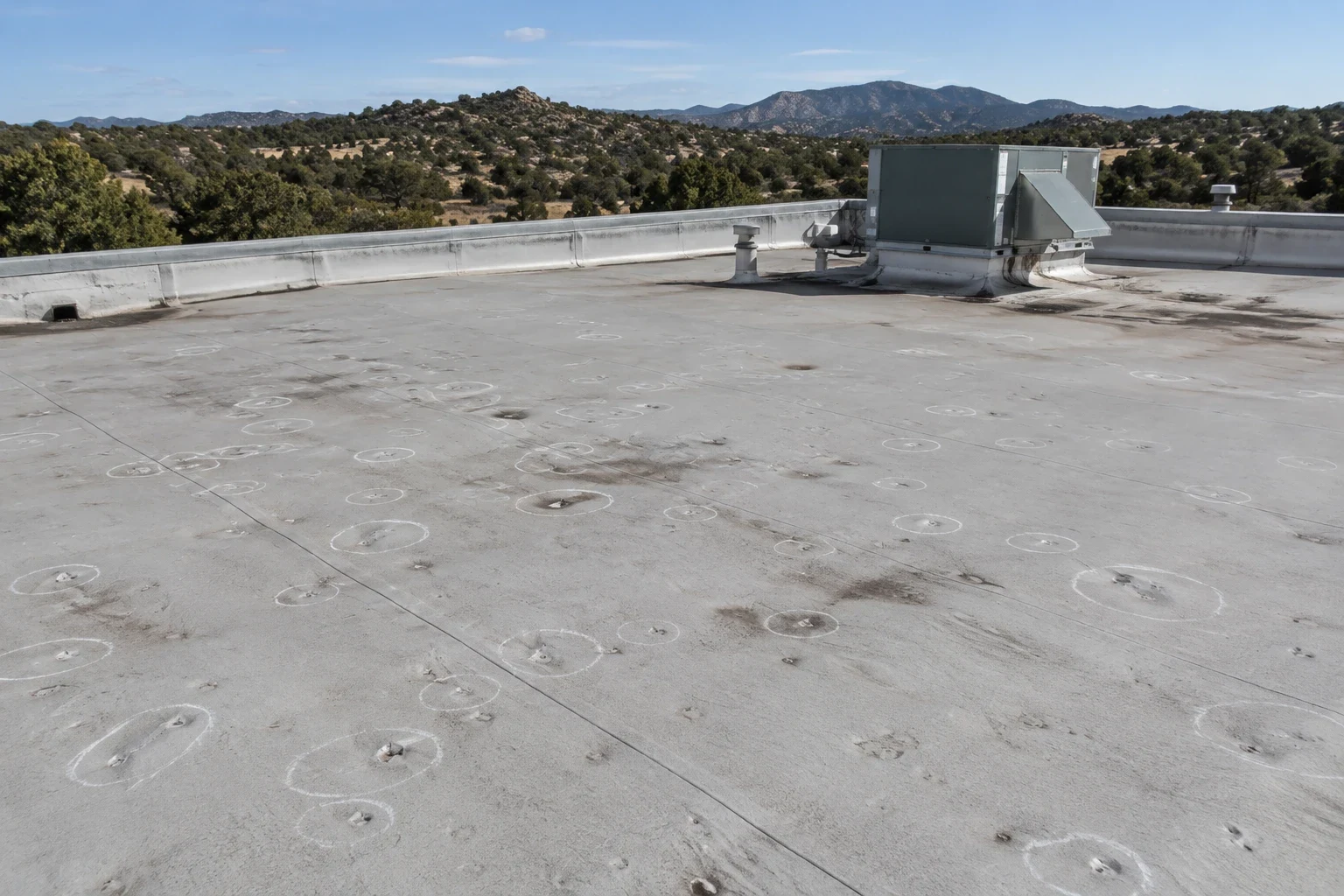
On a membrane roof, we clear the drain screens and look for ponding lines. On a metal roof, we look at gutters and downspouts, which fill with gravel and leaves. A hail damage repair scope starts with a core cut or a panel check at the marks. The result tells the owner whether the marks are cosmetic or structural. For a membrane roof, we press the surface near a mark and cut a small core if it gives. A core shows if the damage got through to the insulation. Weather reports describe the storm, not the roof, so the walk comes first.
Warranty and handoff
A new building usually carries a roof warranty. It has conditions. Many require inspections and limit who may repair the roof. We read the paperwork and keep a file with each inspection and each repair. If a repair is needed, we use materials that fit the terms and log what we used.
For developers who hand a building to a tenant or buyer, a clean roof condition report helps. It shows the state of the roof on a known date. A buyer's inspector can read it. A lender can too. The report also helps a property manager plan the first maintenance walk. Pad sites with utilities in place invite quick builds, and quick builds leave little time for roof checks. A walk in the first year closes that gap, and the findings go back to whoever built the roof while the warranty is fresh.
Planning the park
Several buildings in one park can share a maintenance plan, much like the State Route 69 retail roofs a few minutes away. One walk each spring and fall covers drains, edges and seams. A property manager can see every building on one list. The same format works for roofs on the Fain Road corridor, where manufacturing and distribution roofs sit. The weakest roof rises to the top and the budget follows. Each walk ends with a short note to the manager: what was cleared, what was reset and what is queued, so the file reads as a running log and not a pile of reports.
Commercial Roofing Questions
Should a new roof be inspected before the first winter?
Yes. Problems from installation show up as thin welds, backed-out fasteners or dry sealant. Finding them early lets the original installer fix them while the work is fresh.
What is different about a tilt-up roof?
The concrete walls move differently from the roof. The flashing at the wall-to-roof joint has to handle both. We probe that joint along its full length.
How do you check a standing seam metal roof?
We look at the clips, the seams and every penetration. We look for oil-canning, scuffed paint and pulled sealant, which point to binding.
Does a dent from hail mean damage?
Not always. A dent can be cosmetic. We check whether the coating is broken or the panel is deformed at a seam. That answer decides if it is a repair item.
What does a developer or manager need to bring?
Building addresses, roof types if known, warranty papers and the date of occupancy start the file. Photos and findings come first.
Request a walk-through
Ask for a roof walk before the first winter. We will deliver a written findings sheet with photos before any repair is priced.
Request a Roof Assessment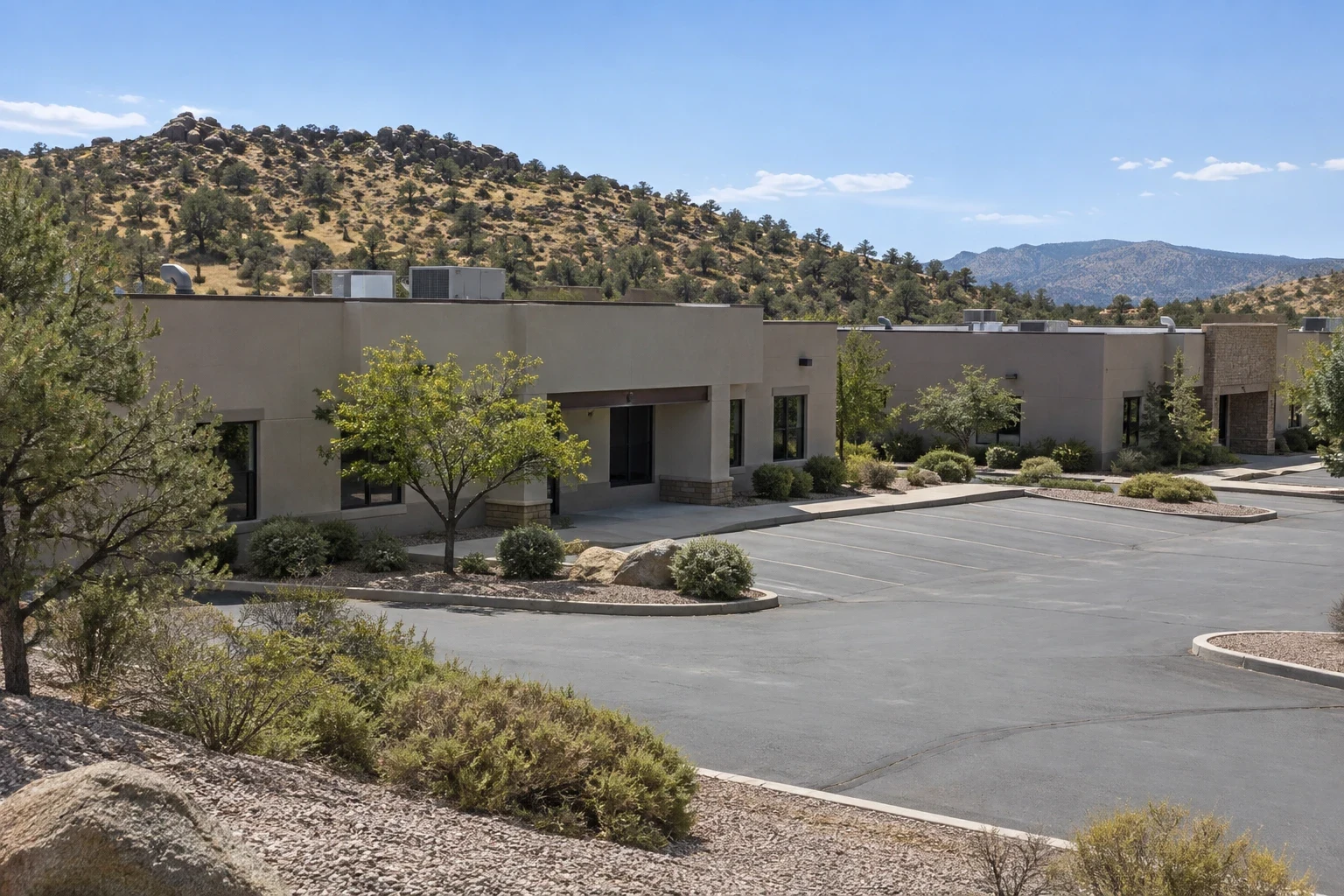
Commercial Roofing Questions
Yes. Problems from installation show up as thin welds, backed-out fasteners or dry sealant. Finding them early lets the original installer fix them while the work is fresh.
The concrete walls move differently from the roof. The flashing at the wall-to-roof joint has to handle both. We probe that joint along its full length.
We look at the clips, the seams and every penetration. We look for oil-canning, scuffed paint and pulled sealant, which point to binding.
Not always. A dent can be cosmetic. We check whether the coating is broken or the panel is deformed at a seam. That answer decides if it is a repair item.
Building addresses, roof types if known, warranty papers and the date of occupancy start the file. Photos and findings come first.