Hail Damage Roof Repair in Prescott Valley, AZ
Hail damage roof repair in Prescott Valley, AZ: bruise checks on membranes, dented metal and cracked coatings after monsoon cells, with a photo findings sheet.
Press a thumb into a faint dimple on the membrane. If the surface gives, you have found a bruise. A bruise is a spot where hail cracked the reinforcement or crushed the layer under it. The skin looks fine. The damage sits inside. In Prescott Valley, AZ, monsoon cells can bring pea-sized to half-inch hail. Small stones do small harm to a single hit. Across a whole roof, they add up. We look for the pattern, not just the worst mark.
What local hail looks like
Heavy rain, strong wind and pea-sized hail crossed Prescott Valley on July 20, 2026, and traffic signals and trees fell. The hail was small, yet the storm was still hard on the town.
Monsoon season in the Prescott area brings rain, wind, hail and thunderstorms from July through September. Cells are short and violent. They cross the valley in minutes. Hail often falls with a gust front, so wind and hail hit together. A roof may get bruised and lifted in the same minute. We look for both kinds of damage when we walk a roof after a cell.
Follow-up weather matters. From late October to May 1, mornings freeze. A bruise that took water in September can freeze in November and split. Hail from the summer shows up as a leak in the winter. That is why we ask for a walk soon after the storm, not at the first leak.
Read the marks
Hail leaves a scatter of round marks. The marks tend to face one direction, the way the wind drove the stones. On a smooth membrane they look like faint dents or dull spots. On a coated roof they look like cracked or chipped dots. On metal they look like dimples. On gravel roofs they show as displaced stone and bare patches.
We mark a test area, a ten-foot square, and count the hits. We photograph each one. We press and probe each mark. We note how many are bruises and how many are cuts. Then we repeat in other areas of the roof, on different faces. A roof that is hit hardest on one side tells us which direction the storm came from.
Light matters. We look at low angle in the morning or evening, when dents throw shadows. A dull roof in flat noon light hides marks. A photograph taken from the same spot at the same hour next season shows whether the marks changed. Dated photos taken at a set angle make a better record than a large pile of random ones.
Each system reacts differently
Single-ply membranes such as TPO, PVC and EPDM bruise at the reinforcement and crack at the surface. Thicker membranes resist better. Older, brittle sheets crack more easily. Modified bitumen loses granules and may fracture at the mat. Built-up roofs lose gravel and show fractured plies. Coatings chip and expose the base. Foam roofs dent and may lose coating. Metal dents but often keeps its seal.
The test of damage is not the dent. It is whether the roof still sheds water and still has life. A dented standing seam panel may be fine. A bruised thin membrane may be done. We say which, and we back it with photos and probe results.
Age changes the answer. A new sheet shrugs off pea-sized hail. A sheet near the end of its life, stiffened by years of thermal swing near thirty degrees a day, cracks. The same storm can leave two roofs in different shape. We rate each roof on what the hail did and what the roof was before it.
Repair what the hail broke
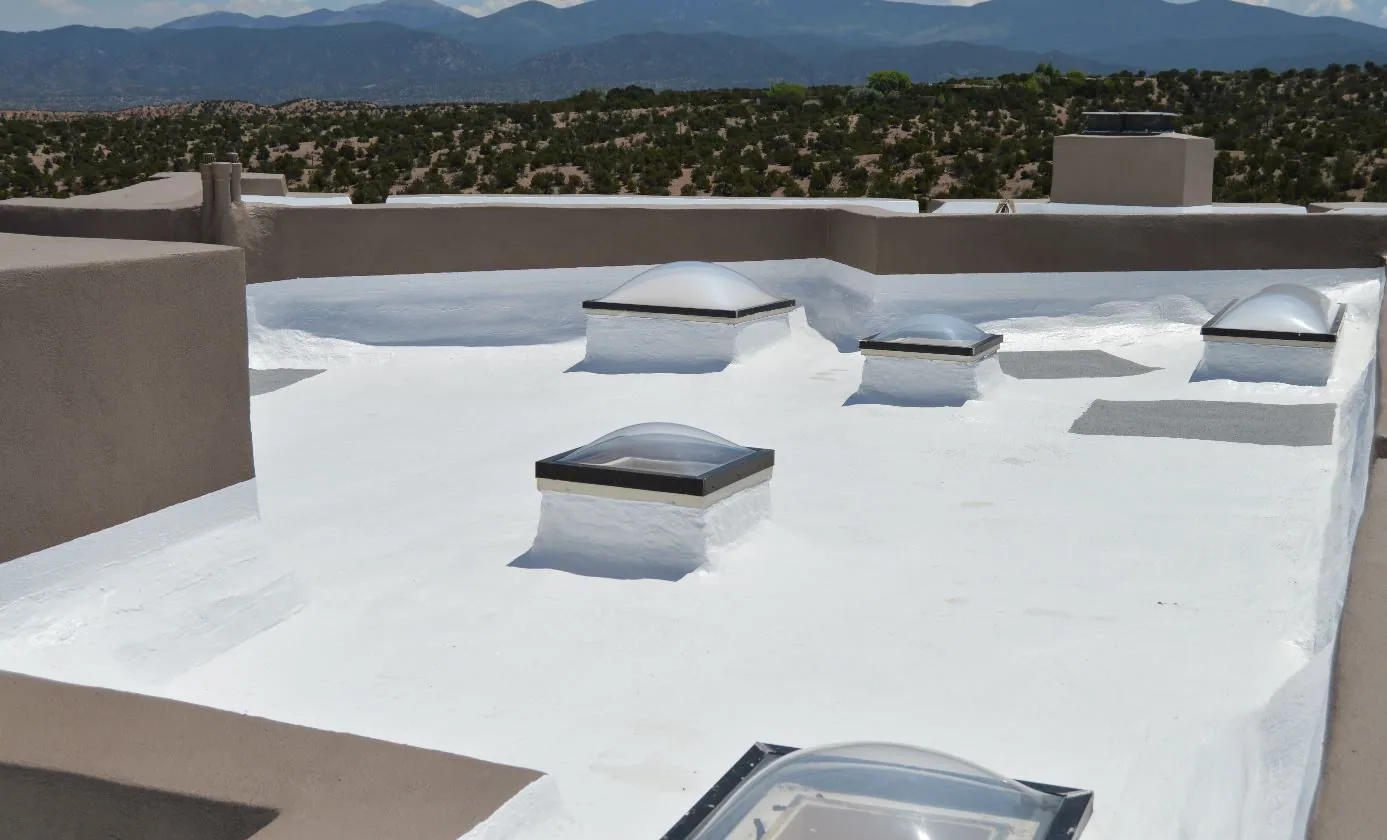
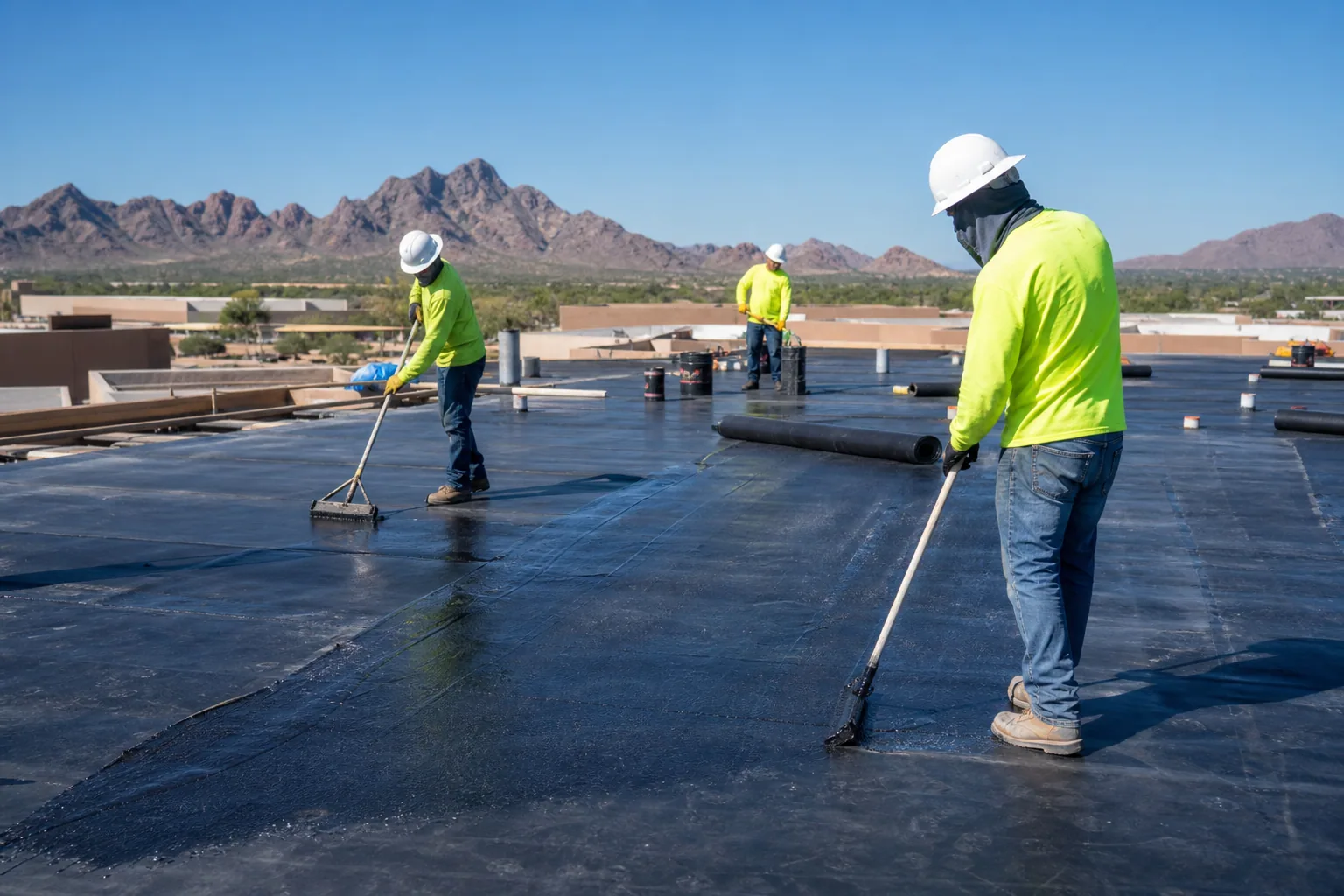
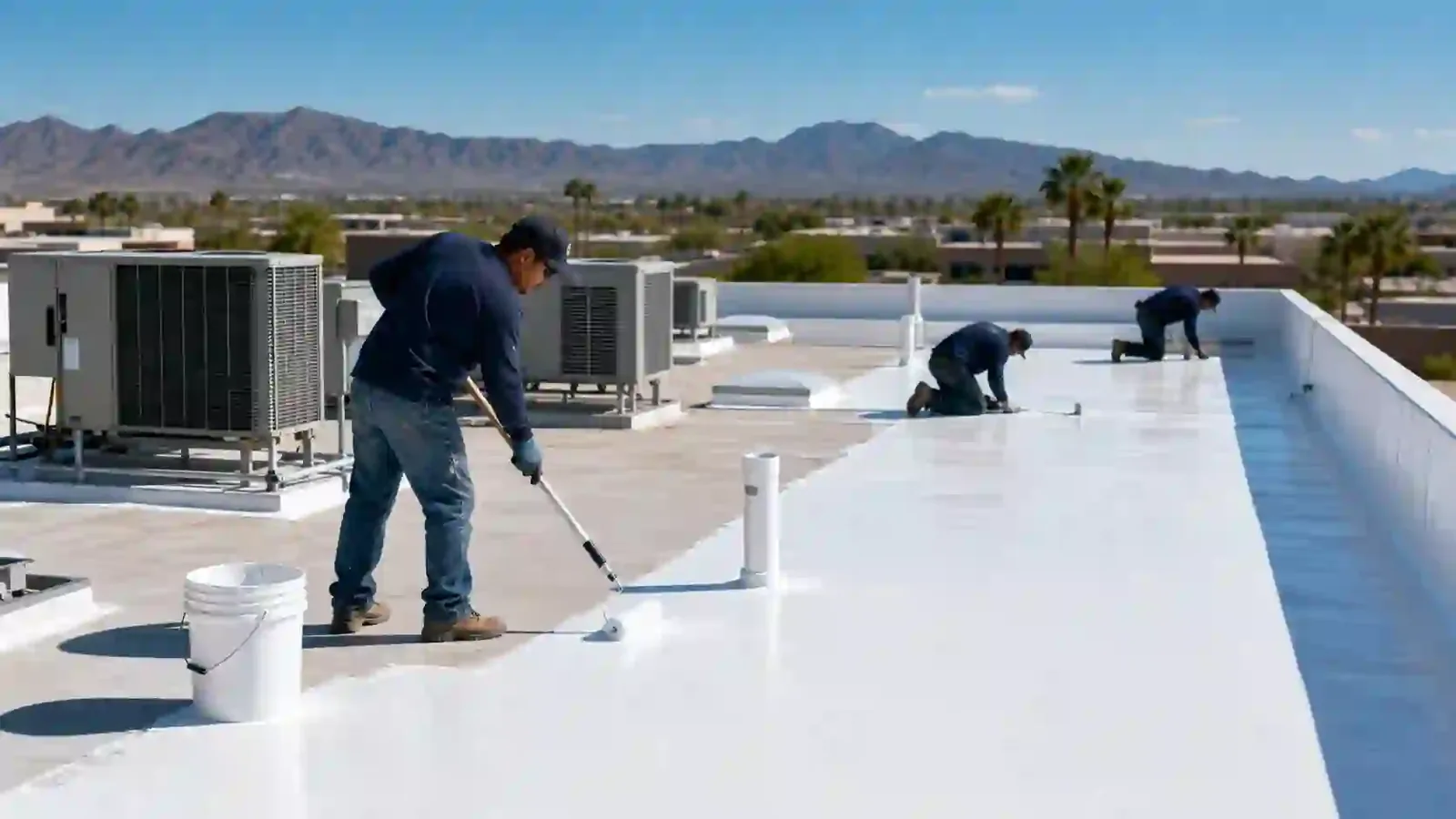
Repairs follow the damage. Isolated cracks get patches. Bruised areas with intact surfaces get a closer check, and we may cut a sample. Chipped coatings get a recoat in the damaged zone, with the substrate cleaned first. Cracked foam coating is recoated. Dented metal with sound coating stays. Dented metal with cracked paint or a broken seam gets repaired.
Where bruises cover a large share of the field, patching becomes costly and weak. We compare a full recoat or a replacement against the patch bill. Our coating restoration and replacement work give the owner those numbers side by side. The cheaper path today may not be the cheaper path over five years.
Related damage gets handled in the same visit. A hail strike near a seam can open it, and the seam failure repair joins the scope. A stone that cut the sheet leaves a membrane puncture. Gusts that came with the hail may have lifted edges, and the wind damage list sits beside the hail list.
Documenting hail for a claim
Hail claims turn on records. An adjuster wants dates, photos and counts. We provide a test square count, photos of each mark type, a map of the hit pattern and a note of the storm date. If the roof has earlier photos, we compare them with today's condition. That is the cleanest way to separate hail from age.
Hail claims have time limits. Policies set windows for reporting. Send the photos and the findings sheet to your agent soon after the storm. Our claim assistance process keeps the photo record, the scope and the invoices together. We do not decide coverage. We document the roof.
Roofs that take the hits
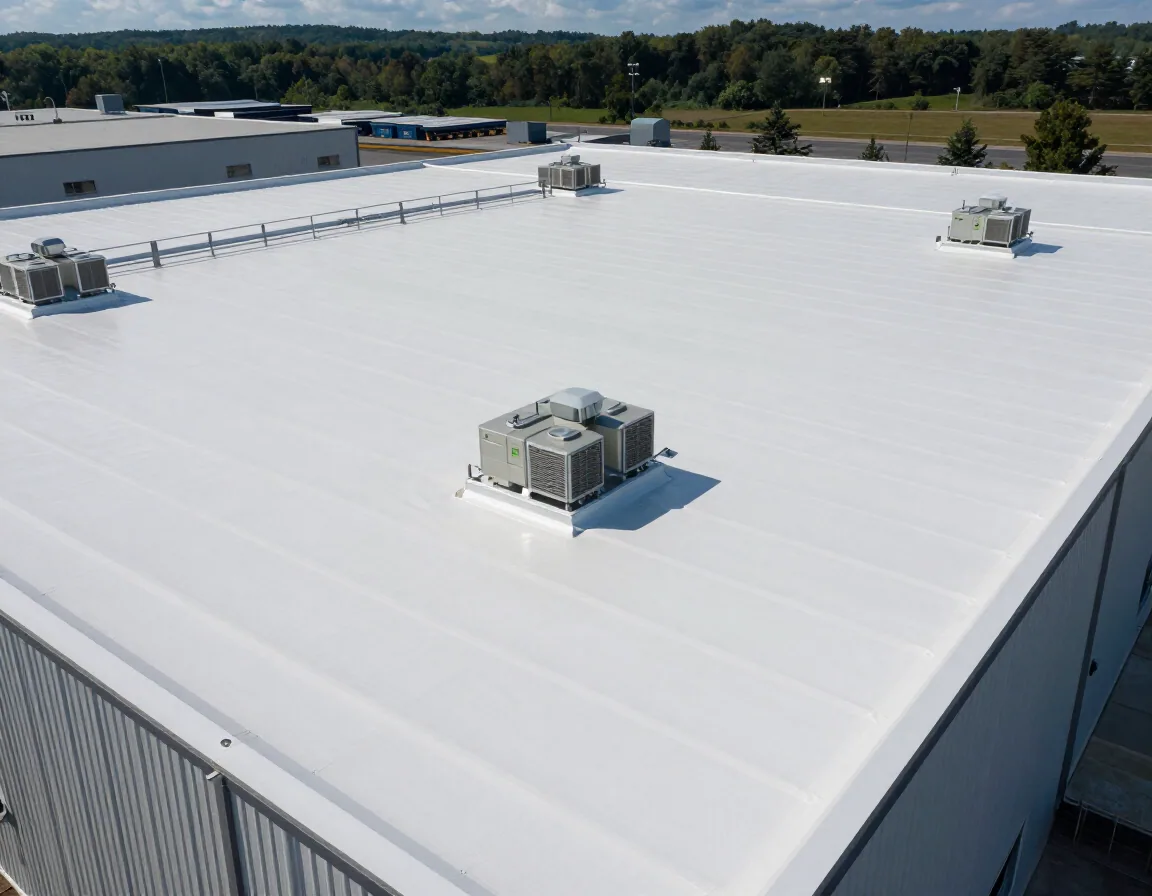
Large roofs present the most area to the stones. Retail power centers such as Glassford Hill Marketplace and The Crossroads cover many tenant bays under one roofline. Manufacturers and distributors on the east side are part of the town's industrial base, and in parks such as Big Sky Business Park the roofs carry rooftop equipment that hail can dent and crack. The downtown Entertainment District holds a 6,000-seat events center, and an owner in that district gets the same bruise check as any other.
Equipment housings, skylight domes and plastic vents take hail hard. A cracked dome leaks on the first rain. We check every one. Rooftop unit coil fins can bend, and that is the mechanical contractor's finding, but we note it so the facility director hears about it.
Commercial Roofing Questions
Can pea-sized hail damage a commercial roof?
Yes, though less often than larger stones. Pea-sized hail can bruise thin or aged membrane, chip coatings and crack brittle sealant. A single hit rarely matters. A dense pattern across a roof can. We count marks in test areas and probe suspect spots.
How soon after a storm should I have the roof checked?
Within days. Marks are clearer when fresh, and claim windows are limited. Take dated photos from the ground and send them to your insurer. Then ask for a roof walk and a written findings sheet.
Does a dented metal roof need replacement?
Not always. A dent with sound coating and intact seams is cosmetic. A dent that cracks the finish or opens a seam needs repair. We test the finish and check each seam near a dent before deciding.
What if there is no leak?
Bruises often do not leak at first. They shorten the roof's life by letting water into the reinforcement over seasons. A freeze can then split the bruise. Documenting the hits now protects your options later.
Will repairs affect my roof warranty?
Many warranties exclude hail or limit it. Repairs made with approved methods and kept on file protect what coverage remains. Check your warranty terms, and send us a copy so the scope matches.
Request a roof walk after the next cell
Ask for a walk-through and we will count hits in test areas and photograph every finding. You get a written findings sheet with photos before any repair is priced.
Request a Roof Assessment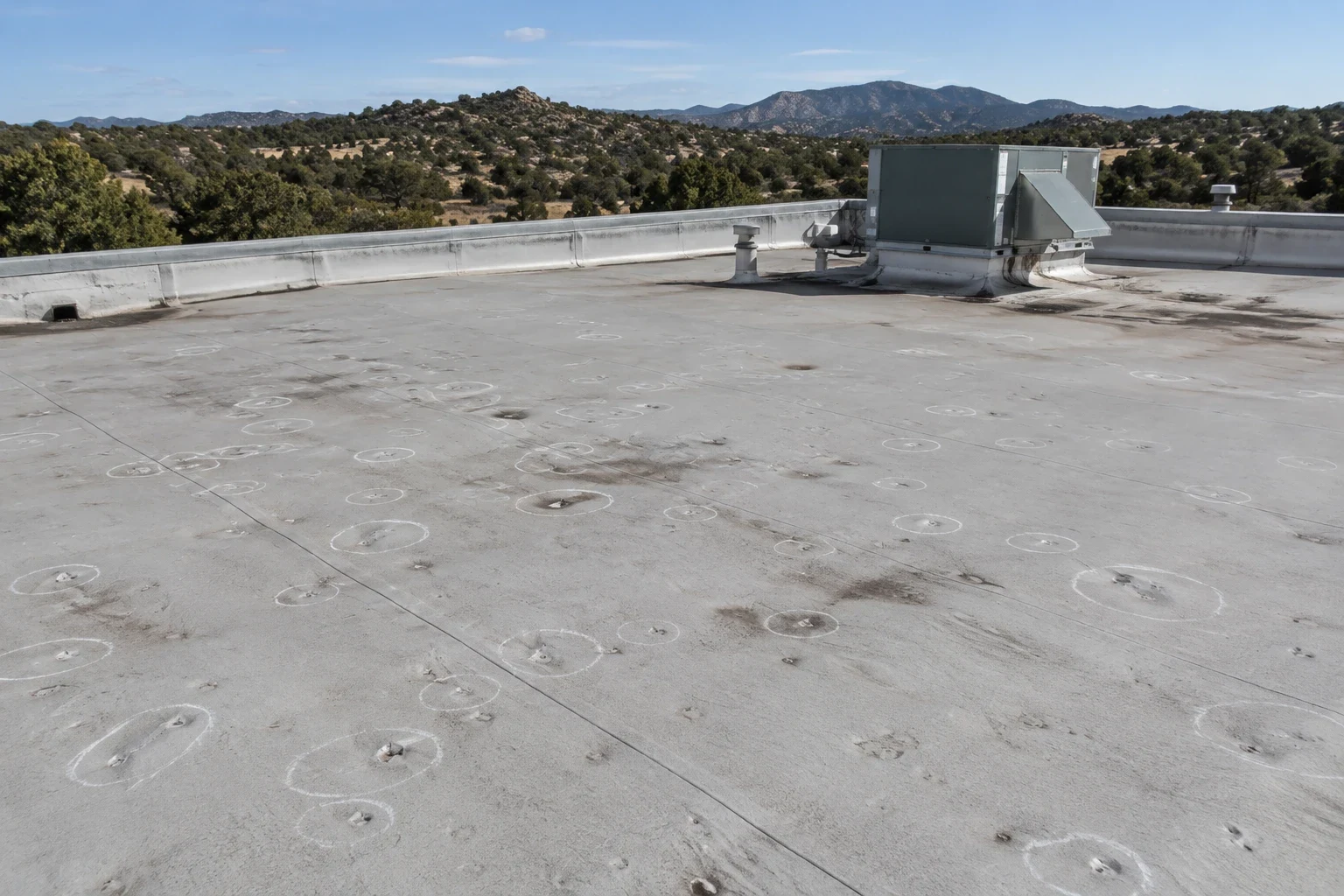
Commercial Roofing Questions
Yes, though less often than larger stones. Pea-sized hail can bruise thin or aged membrane, chip coatings and crack brittle sealant. A single hit rarely matters. A dense pattern across a roof can. We count marks in test areas and probe suspect spots.
Within days. Marks are clearer when fresh, and claim windows are limited. Take dated photos from the ground and send them to your insurer. Then ask for a roof walk and a written findings sheet.
Not always. A dent with sound coating and intact seams is cosmetic. A dent that cracks the finish or opens a seam needs repair. We test the finish and check each seam near a dent before deciding.
Bruises often do not leak at first. They shorten the roof's life by letting water into the reinforcement over seasons. A freeze can then split the bruise. Documenting the hits now protects your options later.
Many warranties exclude hail or limit it. Repairs made with approved methods and kept on file protect what coverage remains. Check your warranty terms, and send us a copy so the scope matches.