TPO Roofing in Prescott Valley, AZ
TPO single-ply roofing for Prescott Valley, AZ commercial buildings: hail bruising, welded seams, freeze-season installs and what we check each year.
Run a thumb along a TPO seam. It should feel like one piece of sheet, not two. That is the whole promise of the system. A hot-air weld fuses two panels into a single skin. In Prescott Valley, AZ the promise gets tested by hail, by freezing mornings and by a thirty-degree swing between noon and midnight. So we judge a TPO roof by its seams first. We probe them, photograph them and tell you what we found. Then we explain what the finding means for the next five years.
What TPO is
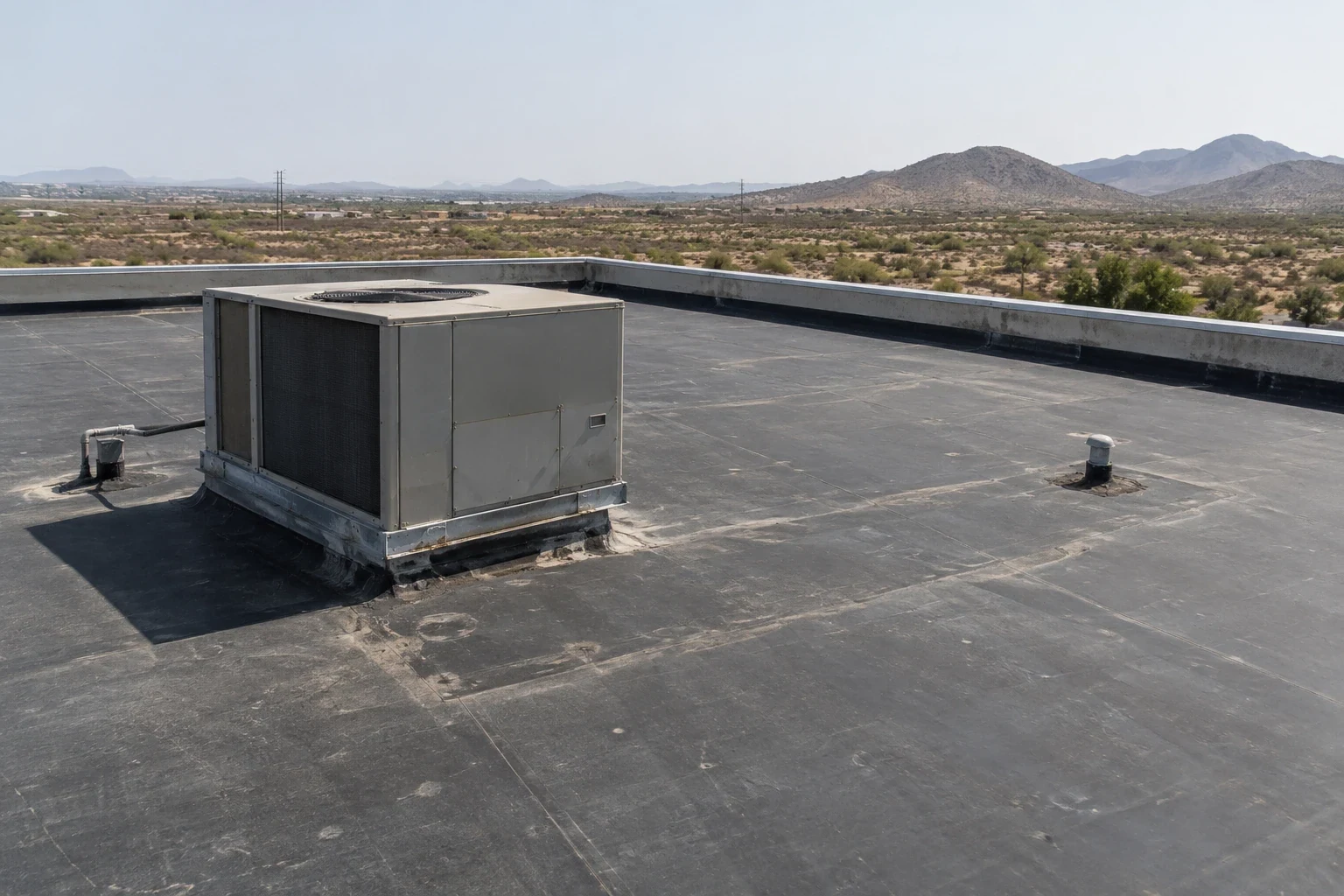
TPO stands for thermoplastic polyolefin. The rolls are wide and usually white or light gray. Panels lie over insulation and are joined by hot-air welds. Attachment is by fasteners, adhesive or ballast. White TPO reflects sunlight, which helps in summer. It also stays flexible enough to take a hard cold morning, which suits a town near 5,100 feet.
The system is only as good as three things. The seam welds. The flashing at walls and curbs. The insulation and deck below. We look at all three on every roof we walk.
Thickness is a choice too. A thicker sheet resists foot traffic and hail better, and it costs more per square foot. A roof with many rooftop units and frequent service visits earns the thicker sheet. A quiet roof with few penetrations may not. We give you both prices and the reason for each, so the decision is yours.
What hail does to the sheet
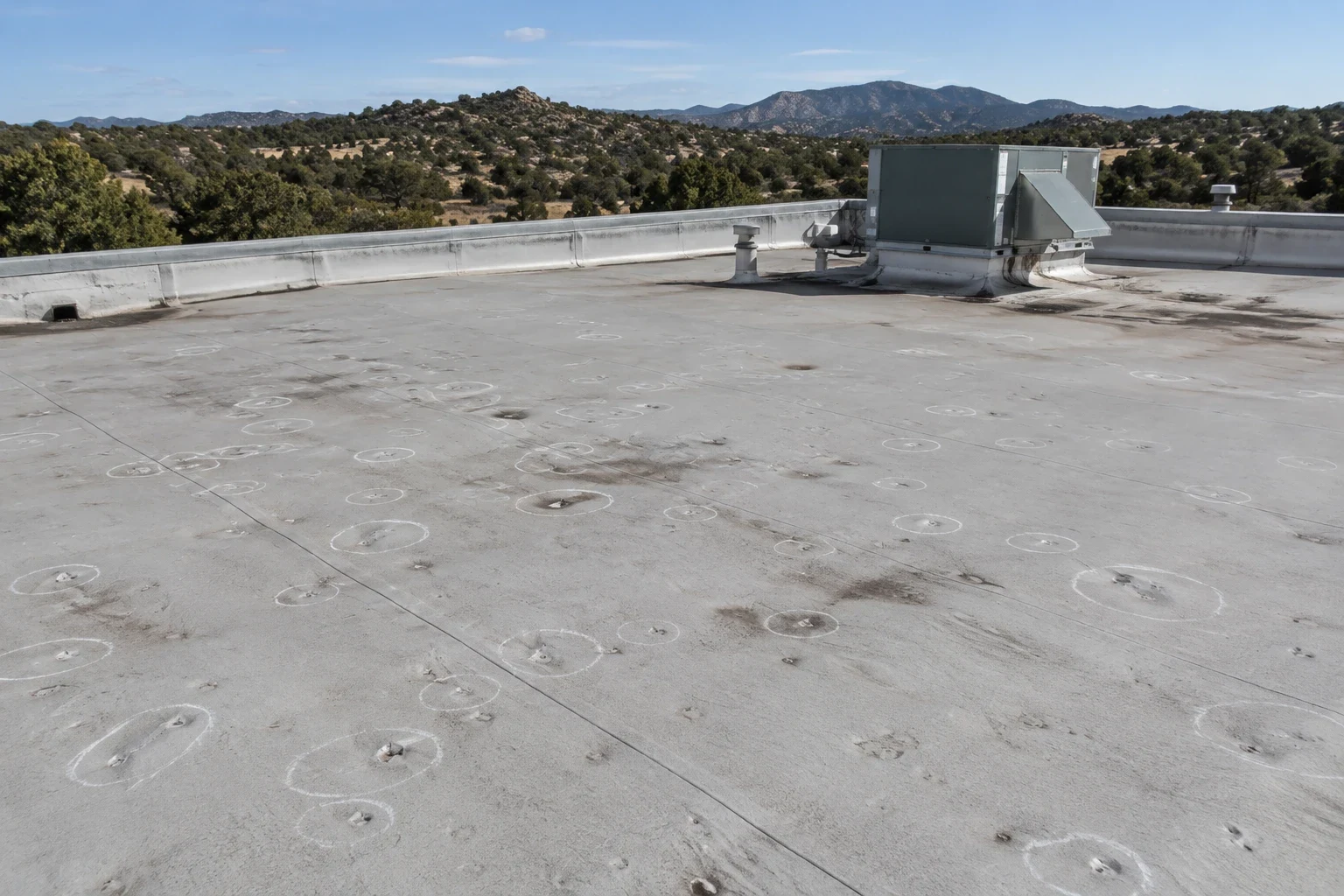
Hail leaves a bruise. On a TPO roof, a bruise is a small round dent where a stone struck the sheet, often over a soft or thin spot in the insulation. Pea-sized hail fell in Prescott Valley on July 20, 2026, with heavy rain and strong wind behind it. Pea-sized stones rarely puncture a good sheet. Bigger stones can.
After a hail event, we walk the field and mark every bruise on a roof plan. We press on each one. We check whether the sheet has cracked or the insulation below has crushed. We also look at the hail damage pattern across the roof. Hits that line up on one side point to the storm's wind direction. Hits clustered over a thin spot point to the insulation. A rubber EPDM sheet shows hail differently, so we read each material on its own terms. A bruise that has not cracked can wait. Mark it, photograph it and look again in six months. A crack gets a patch. A cluster of crushed spots tells us the cover board is too thin. That finding changes the repair, so we write it down with photos.
What freeze and thermal swing do
A cold sheet is stiff, and a cold deck holds frost, and freezing weather holds from the last week of October until early May. Welding on a frosted deck gives a weak seam. So we install in the warmer part of the year when we can, and we dry and warm the weld area when we cannot. Each day we test-weld before we start and probe the finished seams at the end.
The daily swing near thirty degrees pulls on laps and flashings. A seam that opens a hair on a cold morning can open further each cycle. Probing catches the lift early, when a repair is a short weld and a cover strip.
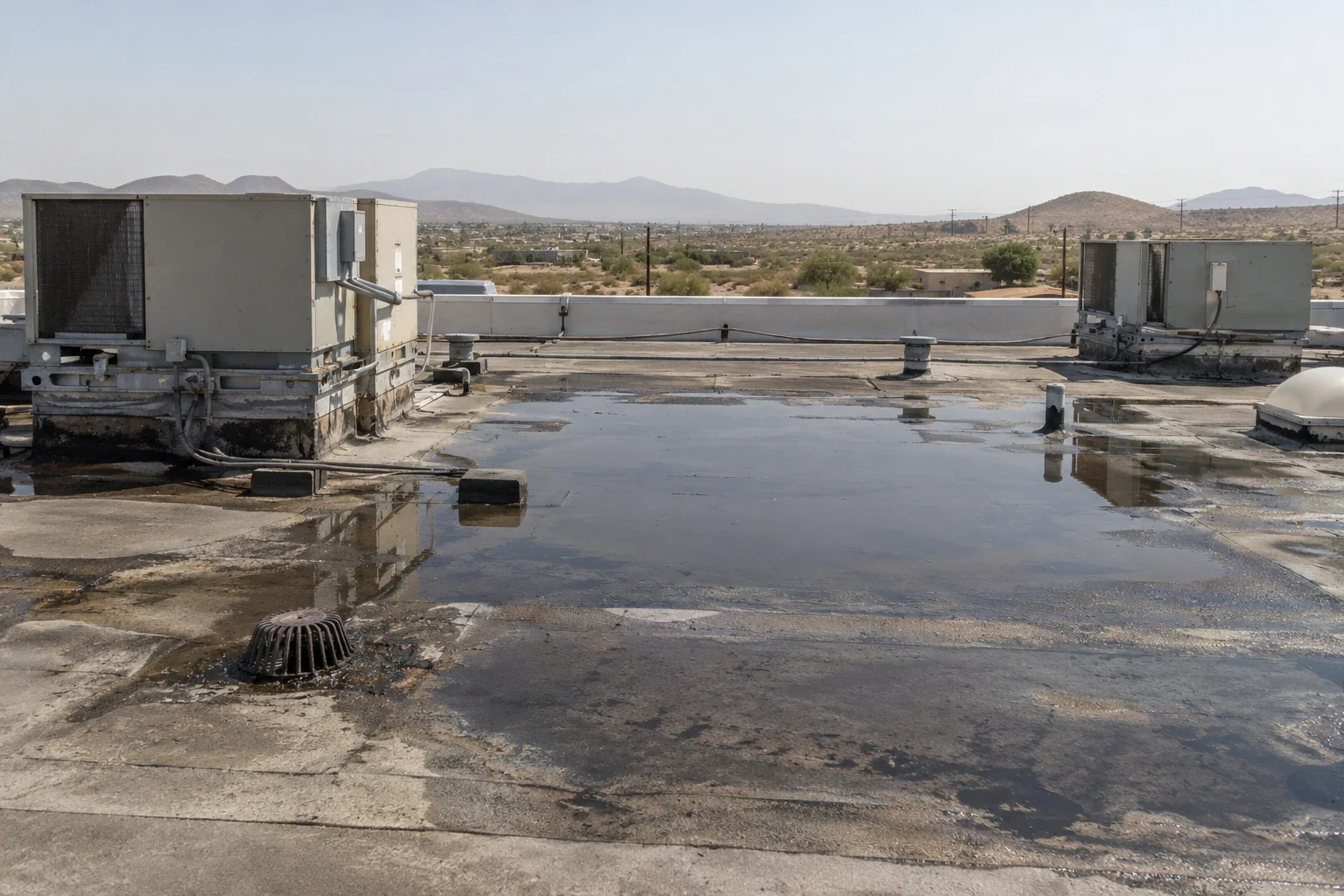
Snow adds its own load. Prescott averages about ten inches of seasonal snow, and a drift against a parapet can sit for days. As it melts it runs to the low spots and refreezes overnight. A plug of ice at a drain can send meltwater back across the field. So we check the drain screens and scuppers before the first freeze, and we check each drain for the ring where water stood. That ponding line tells us where the deck has sagged and where seams work hardest.
Where TPO fits in town
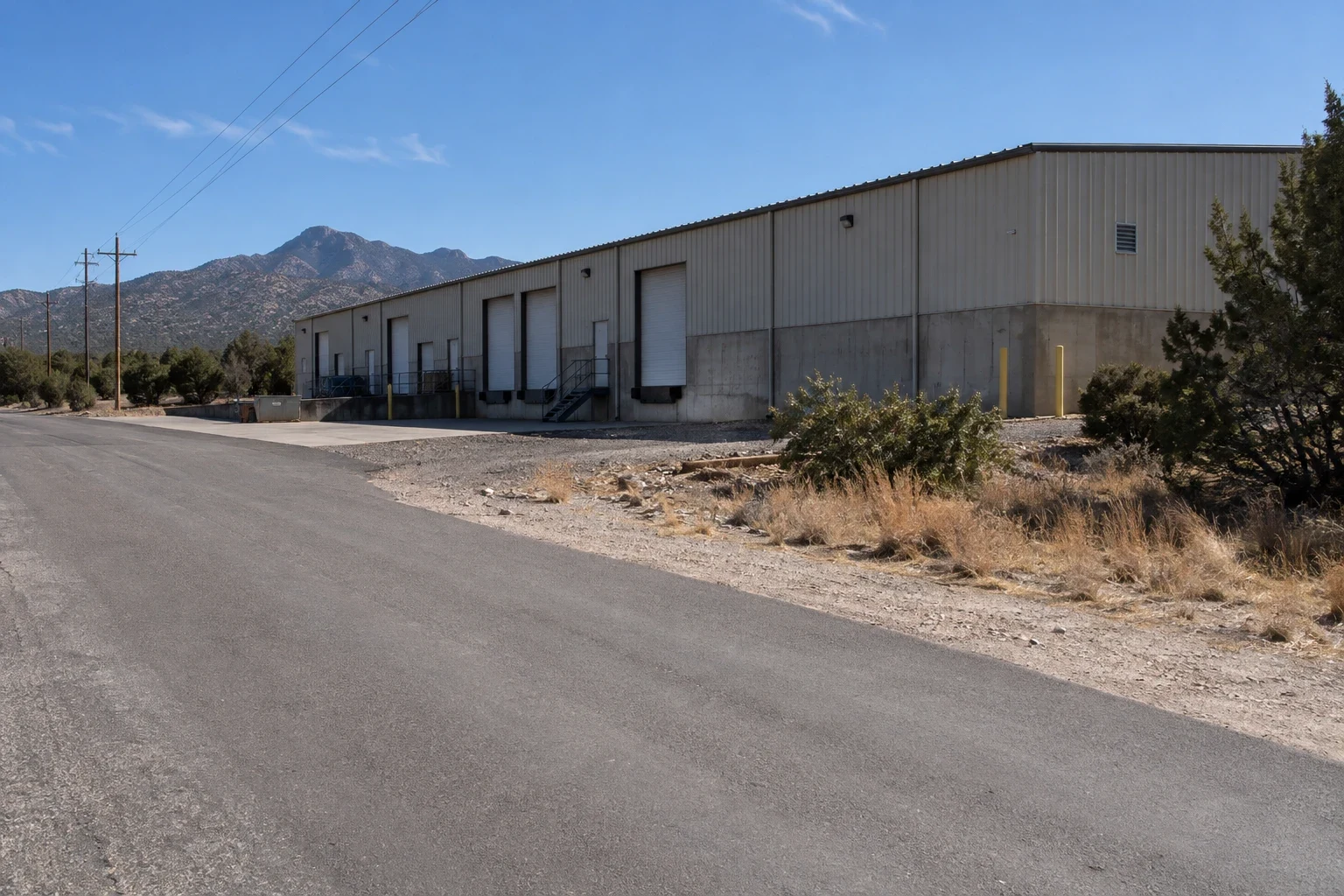
Low-slope retail roofs are the usual home for it. The Glassford Hill Marketplace and The Crossroads are retail power centers, and TPO's wide rolls suit low-slope big-box roofs like those of the SR 69 corridor. The Entertainment District's big assembly and theater roofs are another fit. Big roofs mean fewer seams per square foot, which helps. On the east side, Fain Road distributors and manufacturers are another place to weigh it. Ridge-top wind off Glassford Hill means attachment matters, so we specify the fastening pattern for the real exposure.
For a heavier-use roof, a thicker sheet or added walk pads help.
Edges and corners need extra care. Wind lifts a roof from the edges first. We fasten the perimeter tighter than the field and check the edge metal. A loose coping or a lifted edge cap is the start of a bigger tear. A PVC roof shares this detail, and so does a coated one. The edge metal is part of the roof, not an accessory.
What to repair now and what can wait
Repair now: open seams, split corners, loose flashings, cracked boots and clogged drain screens. Each is a leak path. Repair soon: bruises on thin spots, worn pads, sealant gone hard. Watch: dirt, minor chalking, faded areas that still bond. We sort the findings that way on the sheet. The facility director sees the cost of each tier. Each tier gets a photo and a location mark. A year later, we walk the same marks and compare. That is how you learn whether a watch item is getting worse. When the roof is sound but old, a coating restoration can add years. When the insulation is wet, a replacement is the right call.
Commercial Roofing Questions
Is TPO a good choice where hail falls?
It handles pea-sized hail well, and thicker sheets and firm cover boards help with larger stones. The insulation below the sheet matters as much as the sheet. We recommend a cover board over soft insulation. After any hail event we walk the roof, mark the bruises and photograph them so an insurance review has a record to use.
Can TPO be installed in winter near Prescott Valley?
It can, on days when the deck is dry and the temperature allows good welds. We test-weld each morning and probe seams at day's end. On frosted or damp mornings we wait. We recommend planning the big runs for late spring through early fall and saving small repairs for the cold months.
Can TPO go over the old roof?
Often yes, if cores show the old insulation is dry and the deck is sound. We cut cores and probe seams first. Then we add a cover board and lay the new sheet. If the cores show wet insulation, the wet areas come out first. The photos show the choice, and the core results show how many layers sit below the new sheet, which sets the fastener length and the total weight on the deck.
How long before we see seam problems?
Poorly welded seams can open in the first winter. Well-welded ones last for years. We recommend a seam probe after the first freeze season and again after the first monsoon. Those two visits catch most early trouble while it is still a short weld.
What is the difference between TPO and PVC?
Each is a hot-air-welded single-ply sheet. PVC handles grease and chemical exposure better, at a higher price, while TPO suits most dry roofs. If your roof has kitchen exhaust or chemical vents, we recommend PVC near those spots and say why in the findings.
Request a walk-through
Ask us to walk the roof. You receive a written findings sheet with seam probes, bruise marks and photos before any TPO repair or replacement is priced.
Request a Roof Assessment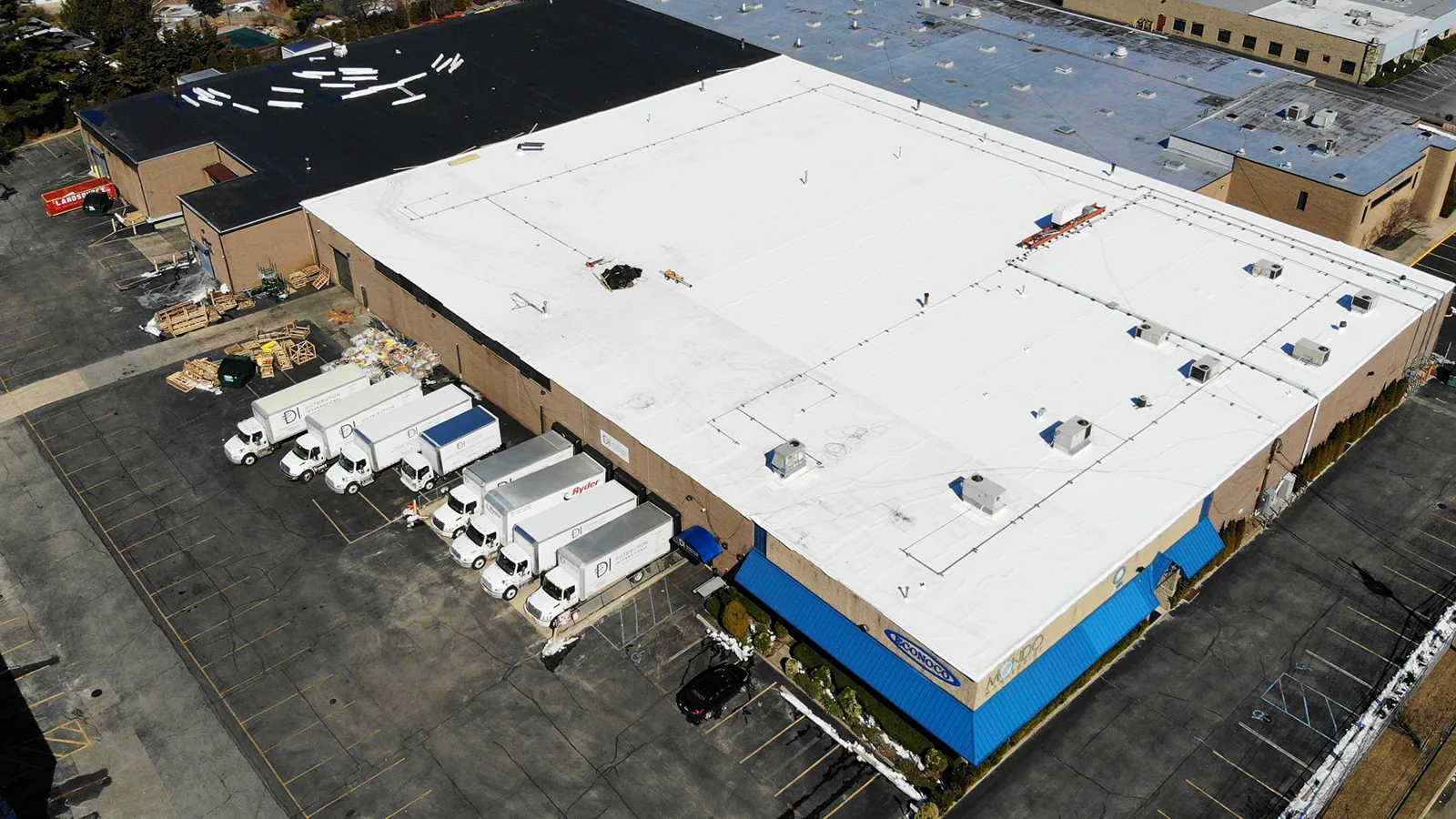
Commercial Roofing Questions
It handles pea-sized hail well, and thicker sheets and firm cover boards help with larger stones. The insulation below the sheet matters as much as the sheet. We recommend a cover board over soft insulation. After any hail event we walk the roof, mark the bruises and photograph them so an insurance review has a record to use.
It can, on days when the deck is dry and the temperature allows good welds. We test-weld each morning and probe seams at day's end. On frosted or damp mornings we wait. We recommend planning the big runs for late spring through early fall and saving small repairs for the cold months.
Often yes, if cores show the old insulation is dry and the deck is sound. We cut cores and probe seams first. Then we add a cover board and lay the new sheet. If the cores show wet insulation, the wet areas come out first. The photos show the choice, and the core results show how many layers sit below the new sheet, which sets the fastener length and the total weight on the deck.
Poorly welded seams can open in the first winter. Well-welded ones last for years. We recommend a seam probe after the first freeze season and again after the first monsoon. Those two visits catch most early trouble while it is still a short weld.
Each is a hot-air-welded single-ply sheet. PVC handles grease and chemical exposure better, at a higher price, while TPO suits most dry roofs. If your roof has kitchen exhaust or chemical vents, we recommend PVC near those spots and say why in the findings.