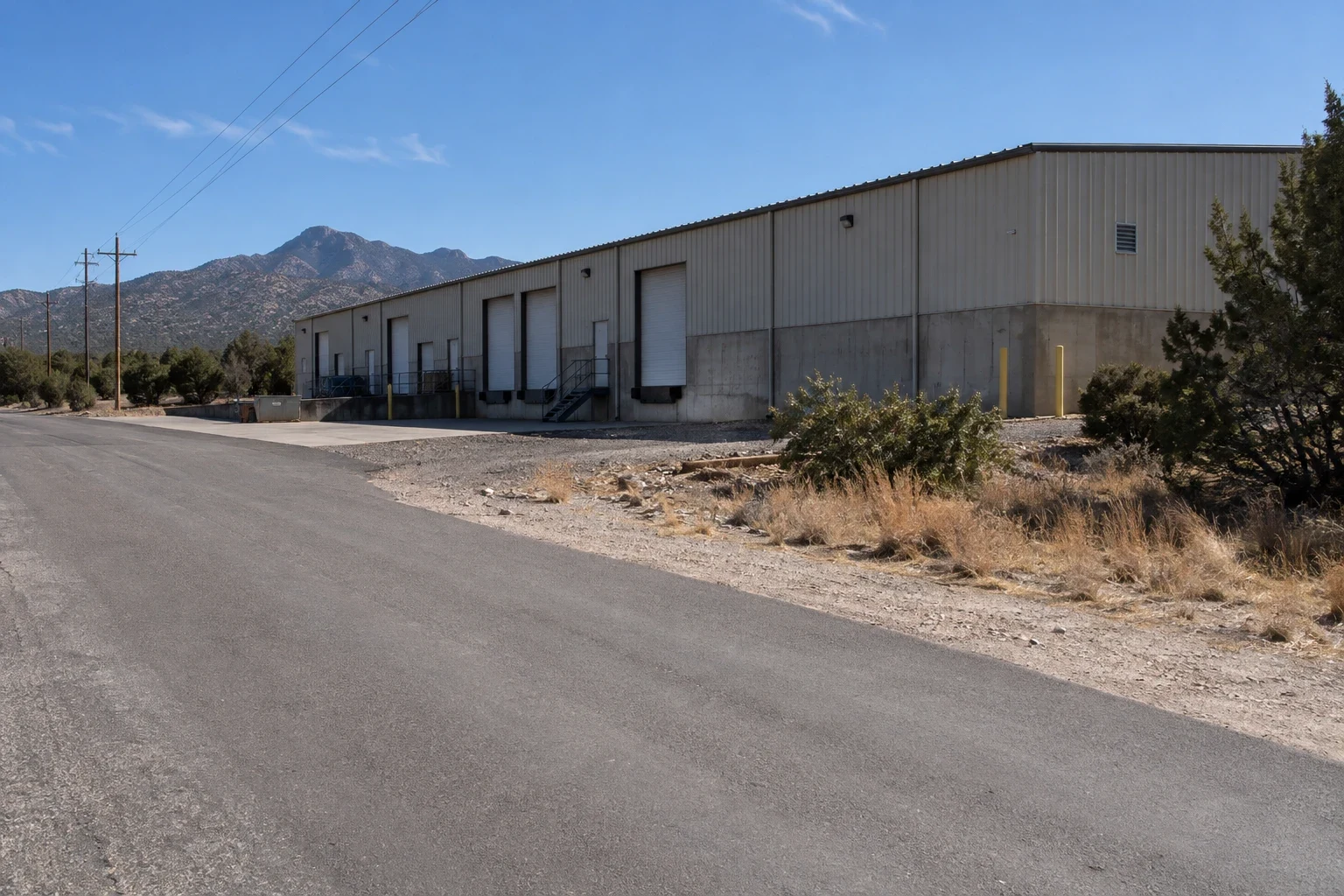
Roofing for Manufacturing Companies in Prescott Valley, AZ
Plant roof inspections, leak repair and replacement planning for manufacturers in Prescott Valley, AZ, scheduled around production lines, shifts and shutdowns.
Find the floor under the oldest rooftop fan. A small stain on the concrete, near a line, with a rag tucked beside it. That rag is the first clue on a plant roof, because someone on your team already knows where it drips. In Prescott Valley, AZ, we trace the rag back to a curb, a seam or a drain, photograph the source and deliver a written sheet before any repair has a price.
A plant manager has a hard job. Lines must run. Stock must stay dry. The roof must not become the reason a shift stops.
What sits over a production floor
Plant roofs carry more equipment than most: exhaust fans, make-up air units, dust collectors, process vents, chillers and piping. Each sits on a curb or a stand, and each has a seal that vibration and heat wear down.
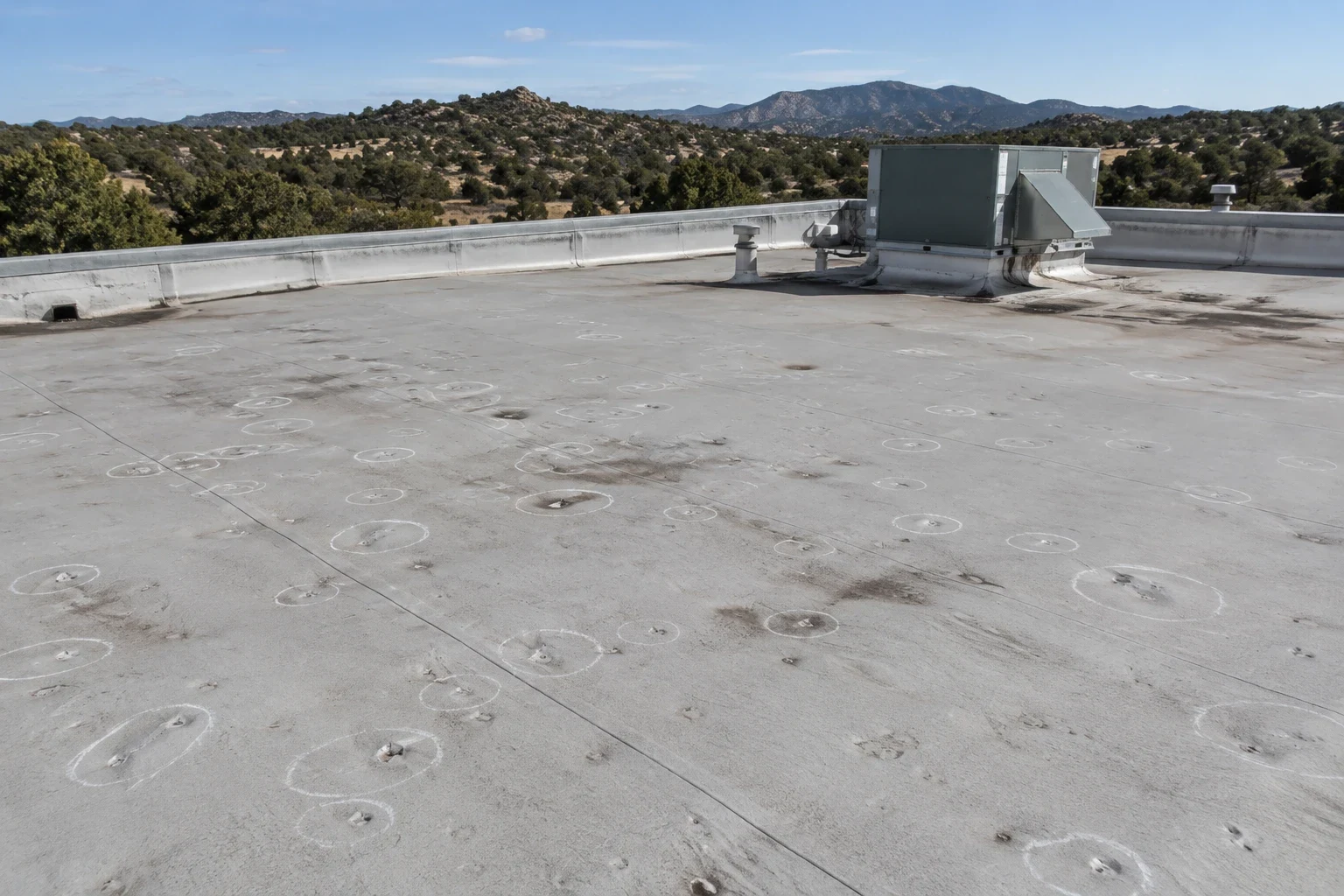
The field of the roof can be fine while the details are not. Look for a curb sealed once and never again, a pipe cut through the membrane with only a bead of sealant, and a walk route worn through the surface because many vendors cross it.
Drains are the other item. A plant roof is wide and flat, and in a monsoon cell a lot of water arrives at once. A drain screen packed with gravel and leaves leaves a pond on the roof, and over a production floor that pond is a risk to everything below. Ponding lines, the pale rings where water stood, show where the deck has dipped, and each one is measured and photographed.
The plants of Prescott Valley
Manufacturers and distributors in town include MI Windows and Doors with 440 employees, the Ace Hardware Retail Support Distribution Center with 418 and Superior Industries with 150. Prescott Valley's east side is where the Fain Road corridor sits, tying SR 89A to SR 69 as a four-lane freeway.
The Prescott Valley Economic Development Foundation recruits aerospace, distribution, manufacturing, education and medical firms of roughly 10 to 125 employees. That small and mid-size range suits the newer buildings going up in business parks, and Big Sky Business Park, for instance, has a 10.79-acre pad with utilities in place.
Each plant is treated by use, not by name. What runs under the roof, what cannot get wet and what vents through it set the plan.
Monsoon, hail and cold decks
Most of the town's 15 inches of annual precipitation comes in July and August, and a single cell can drop rain, wind and pea-sized hail within ten minutes. The July 20, 2026 storm was one such cell, and it toppled signals and trees across town.
Hail bruises soft membranes, and a bruise may not leak until the next freeze. Hail damage repair starts with a press-and-photograph walk after any storm that drops stones.
Winter wears in other ways. Frost holds from about October 21 until May 1, and the daily swing nears thirty degrees. A seam at the base of a curb can open a hair each cycle, and by the third winter the curb leaks. A plant with process heat under a cold roof may also see condensation, and a moisture scan tells the two causes apart.
Working around production
The plan starts with your calendar: shift patterns, planned shutdowns, peak weeks and audits. We ask which areas cannot be disturbed and divide the roof into zones that match.
Zones over clean areas, stock or sensitive lines go during a shutdown or a slow week. Zones over storage or utility space can run in normal hours. Every opened section is dried in the same day, with covers over equipment and catch systems below openings.
Lockouts, hot work and fire watch are coordinated with your maintenance team. A torch or heat weld near dust, solvents or stock needs a permit and a watch, and the permits are listed in the plan, along with the radio or phone contacts for the roof and the floor.
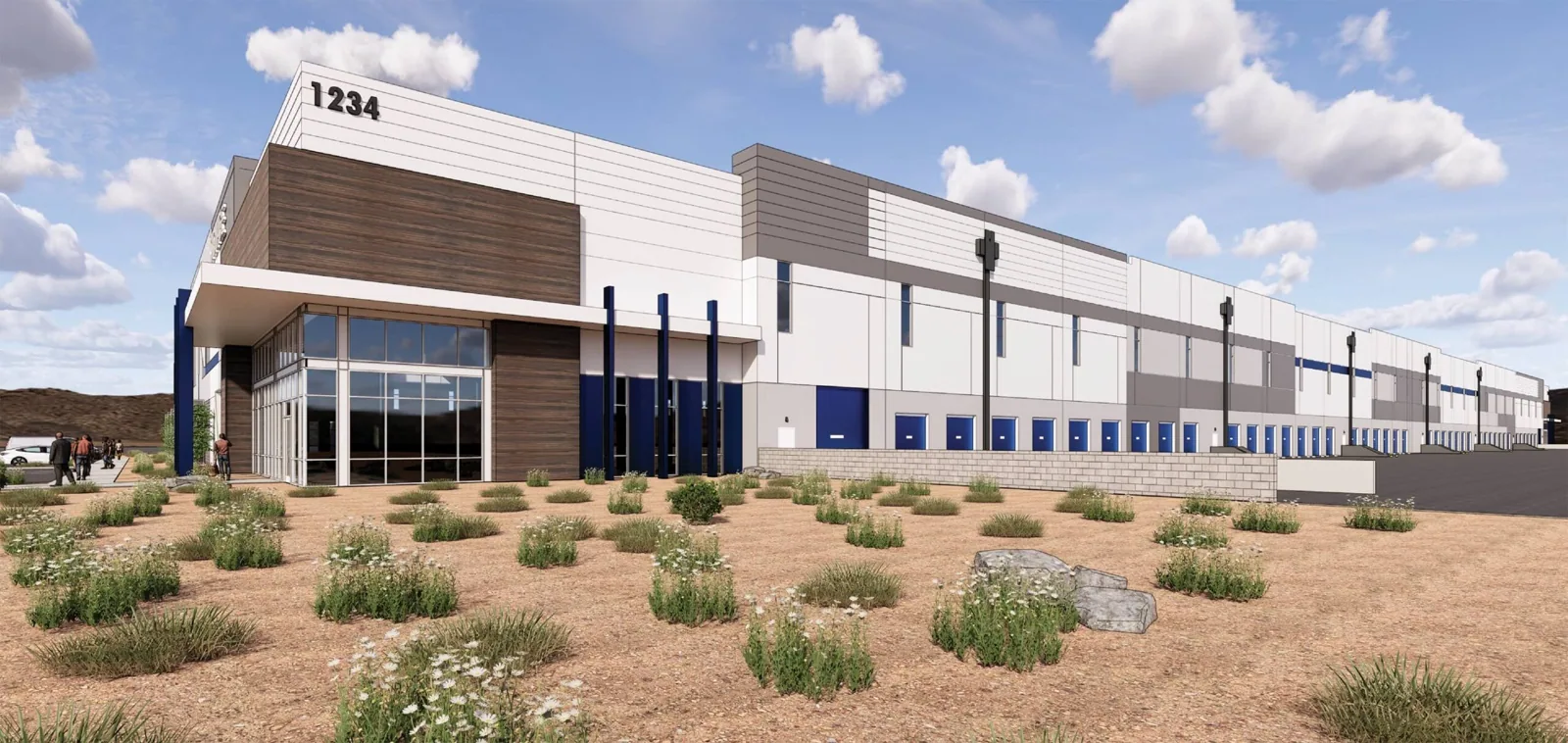
A plant in a stand-alone building follows the steps of any manufacturing plant roof. A small producer in a shared flex industrial building adds a landlord and neighbors to the plan.
When the building belongs to a landlord, the lease decides who pays for what, and a property manager will want the same findings sheet you do. One set of photos goes to both, so a repair request never turns into a dispute over what the roof looked like.
Plant roofs also carry loads that go unnoticed. A new dust collector, a stack of spare panels or a crane for equipment lifts all add weight, so any area where weight sits on the roof goes to a structural engineer before repair or recover work under it.
What to repair now and what can wait
Repair now: leaks over lines, wet insulation above sensitive areas, failed curb seals and drains packed solid before monsoon. These put stock and uptime at risk.
Repair soon: boots going brittle, dried sealant, bare cable runs and walk routes with no pads. Curb and support work lifts each unit to a clean standard. What can wait is logged with the date to look again.
If a roof has life left over dry insulation, a recover can extend it. If the insulation is wet, it comes out, and a cover board over the new layer gives service crews a firmer path. For a plant that adds equipment often, curbs are planned ahead, so a new unit does not mean a new hole.
What to ask for in writing
The findings sheet should carry photos and a roof plan, a price for each item and each zone, the effect on your production calendar, the permit list and the hot-work plan.
Keep a roof file you can hand over. Roof asset management puts the sheet, the photos and the warranty in one place, so a corporate engineer or an auditor gets answers quickly. Plants that supply logistics operators or sit near them can share the same format.
Commercial Roofing Questions
Can a plant keep running during a reroof?
Usually, with zones and protection. The roof is divided, equipment is covered, debris is caught and each section is dried in the same day. Sensitive areas go during shutdowns, and the written plan names the zones, the dates and the contacts.
What usually causes a leak over a production line?
A curb seal, a pipe boot or a drain that did not clear. Sometimes it is a seam near equipment that gets walked on. The trace runs from the floor stain back up to the roof, with a scan for wet insulation along the path.
How do you handle hot work near dust or solvents?
The method is listed in the plan before work starts. Where a torch or heat weld is not safe, cold-applied or mechanical methods replace it. Where hot work is needed, a permit, a fire watch and a clear zone are set with your safety lead.
Does condensation under the roof look like a leak?
Yes. Process heat or humidity can sweat on a cold deck in winter. The drip follows temperature, not rain, and a moisture scan with a look at the vents tells the two apart. The fix may be air sealing or exhaust, not the membrane.
What should be ready before the walk?
A site plan, roof drawings, warranty papers and a list of known drips are enough to begin. Mark areas that cannot be disturbed and the dates of planned shutdowns, and the walk follows your shifts.
Request a walk-through
Ask for a walk-through of your plant roof. We will send a written findings sheet with photos before we price any repair, and we will build the plan around your lines and shutdowns.
Request a Roof Assessment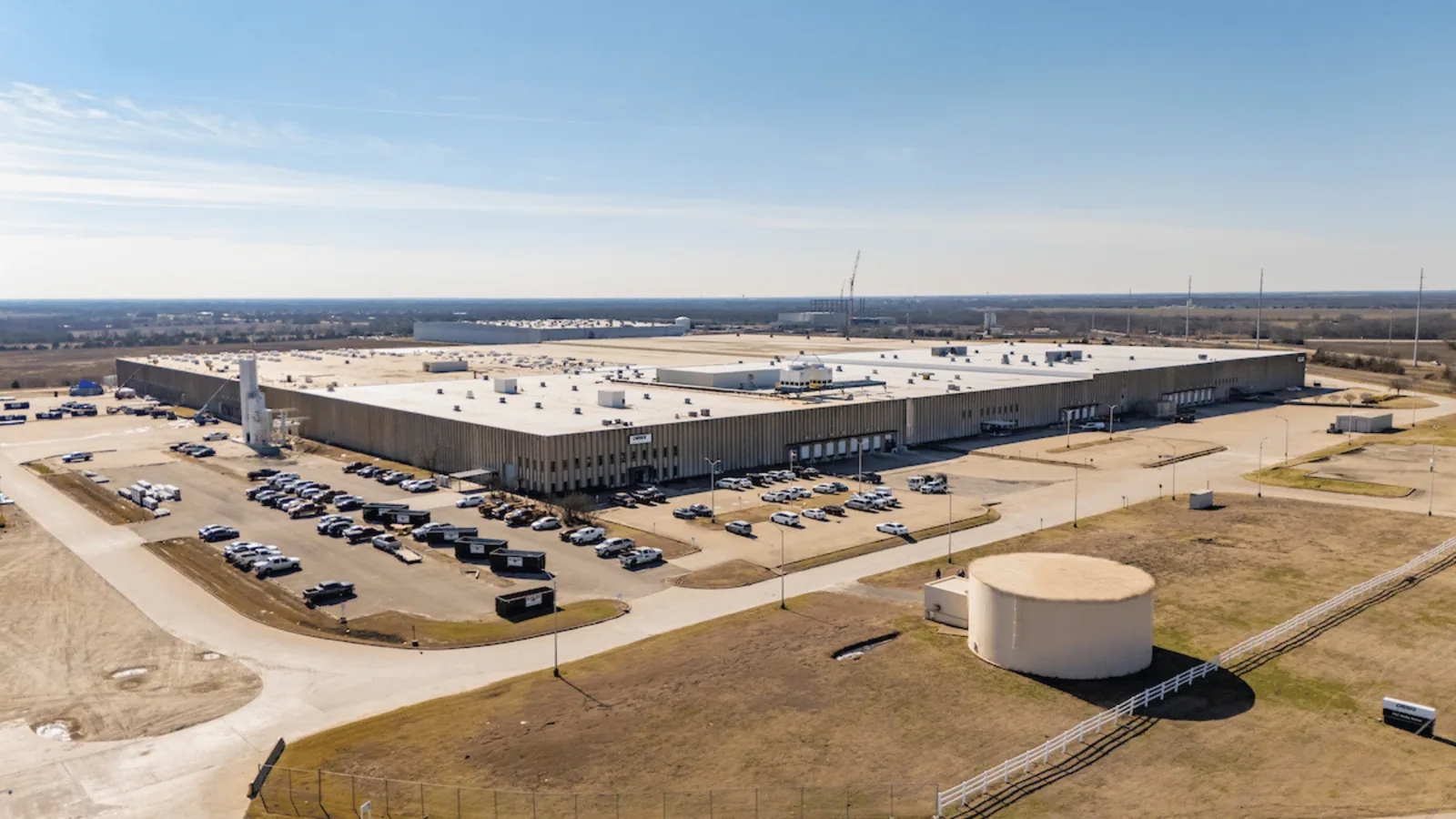
Commercial Roofing Questions
Usually, with zones and protection. The roof is divided, equipment is covered, debris is caught and each section is dried in the same day. Sensitive areas go during shutdowns, and the written plan names the zones, the dates and the contacts.
A curb seal, a pipe boot or a drain that did not clear. Sometimes it is a seam near equipment that gets walked on. The trace runs from the floor stain back up to the roof, with a scan for wet insulation along the path.
The method is listed in the plan before work starts. Where a torch or heat weld is not safe, cold-applied or mechanical methods replace it. Where hot work is needed, a permit, a fire watch and a clear zone are set with your safety lead.
Yes. Process heat or humidity can sweat on a cold deck in winter. The drip follows temperature, not rain, and a moisture scan with a look at the vents tells the two apart. The fix may be air sealing or exhaust, not the membrane.
A site plan, roof drawings, warranty papers and a list of known drips are enough to begin. Mark areas that cannot be disturbed and the dates of planned shutdowns, and the walk follows your shifts.