Commercial Roof Replacement in Prescott Valley, AZ
Full tear-off and replacement of commercial roofs in Prescott Valley, AZ, planned around monsoon season, freezing mornings and the findings from a core cut.
Cut a core from a roof that is ready for replacement and the sample tells the story. Insulation that has gone gray and soft. A membrane that has split along the old laps. Fasteners with a skin of rust. In Prescott Valley, AZ, that sample usually carries one more mark: a season of monsoon water that found its way down and sat. We read the core before we write a scope, because a replacement should answer what the roof actually shows, not what a bid form assumes.
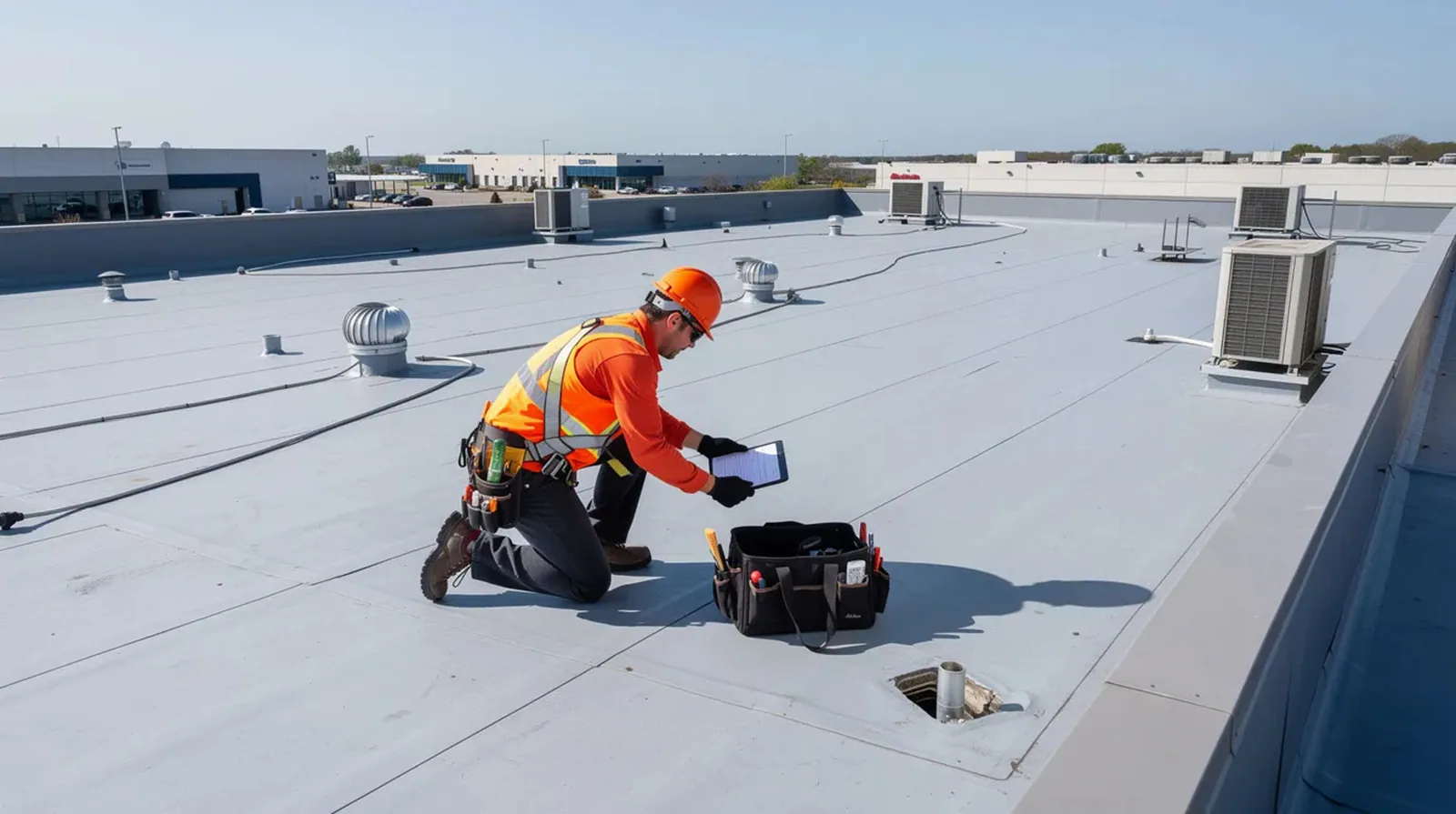
A full tear-off is the biggest roofing decision a building owner makes. It removes the old membrane and wet insulation down to the deck, repairs what the deck needs, and puts in a new system with new flashings, edge metal and drainage details. It costs more than a repair and less than living with repeated leaks. Our hands-on roof inspection comes first, and the findings sheet decides whether replacement, a recover or a repair is the right call.
What the Core Cut Tells Us
We cut small cores at several points across the roof: near drains, along the low edge, under rooftop units and in the field. Each one shows the layers as they sit today. If the insulation is dry, firm and bonded, parts of the roof may be saved. If it is wet, crumbled or separated from the deck, it has to come out. Wet insulation does not dry in place, and it gives up its R-value long before water drips through a ceiling.
The core also shows how many layers are already on the building. Two membranes stacked on each other change the weight, the fastener length and the way the new system must be tied in. A third layer is rarely a good idea. We record the layer count, take photographs of each sample and mark the location on a roof plan. You get that sheet before we price anything.
Moisture meters and infrared scans tell us where to cut, but the core is what we trust. It shows the condition of the deck surface too. Rusted steel deck, delaminated plywood or cracked lightweight concrete decides whether the job needs deck repair as a separate line, and it is far cheaper to find that before the tear-off than after the roof is open to rain.
Monsoon Season Sets the Calendar
Prescott Valley sits near 5,100 feet and averages about 15 inches of precipitation a year, with July and August the wettest months. The monsoon arrives as short, hard cells. On July 20, 2026, one crossed the town with heavy rain, strong gusts and pea-sized hail, knocked down traffic signals and trees, and cut power to more than 130 APS customers. A roof that is open to the deck when a cell like that arrives is a roof that floods the building under it.
That is why we plan tear-off in sections that can be dried in the same day. We open only as much roof as the crew can cover with new membrane before the afternoon sky builds. We watch the radar through the morning. A section that cannot be closed by the end of the shift stays closed. Spring and early summer are drier, which makes them the best window, and a replacement started in April or May usually finishes before the monsoon peaks.
Fall is the second window. Freezing mornings begin about the third week of October in the Prescott area, so adhesives and sealants must be chosen for the temperature on the roof, not the temperature at noon.
Choosing the New System
The replacement system should match the building, not the catalog. For a low-slope roof with many penetrations, a fully adhered TPO membrane is a common choice because its seams are heat-welded and it reflects heat. For a roof with chemical exhaust or grease, PVC often holds up better. A building with a steep or complex metal roof may be better served by a retrofit panel system.
Wind and hail both shape the decision. Hail the size of a pea bruises a thin membrane less than larger stones, but it still dents metal panels and works at weak seams, and a National Weather Service statement flagged half-inch hail over nearby Dewey-Humboldt. Thicker membranes and a cover board over the insulation give the roof a firmer face. Daily temperature swings near 30 degrees, as recorded in Prescott, pull at laps and flashings every day, so we favor details that can flex: reinforced flashing, welded corners and sealed terminations rather than surface sealant alone.
We also ask what the roof carries. Rooftop units, solar racks, exhaust fans and service paths all change the layout. Planning for them now avoids penetrations later.
Buildings Where Replacement Comes Up
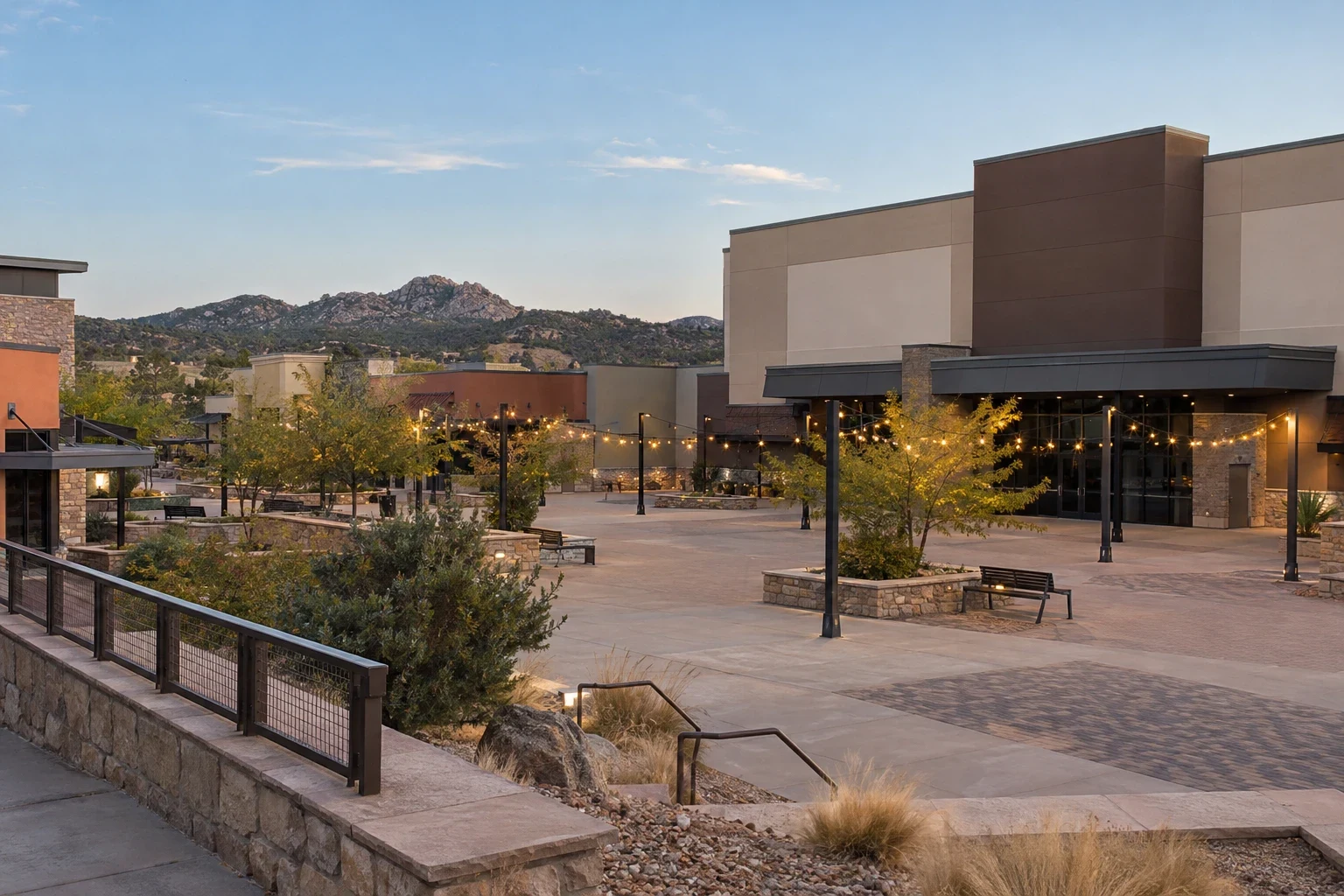
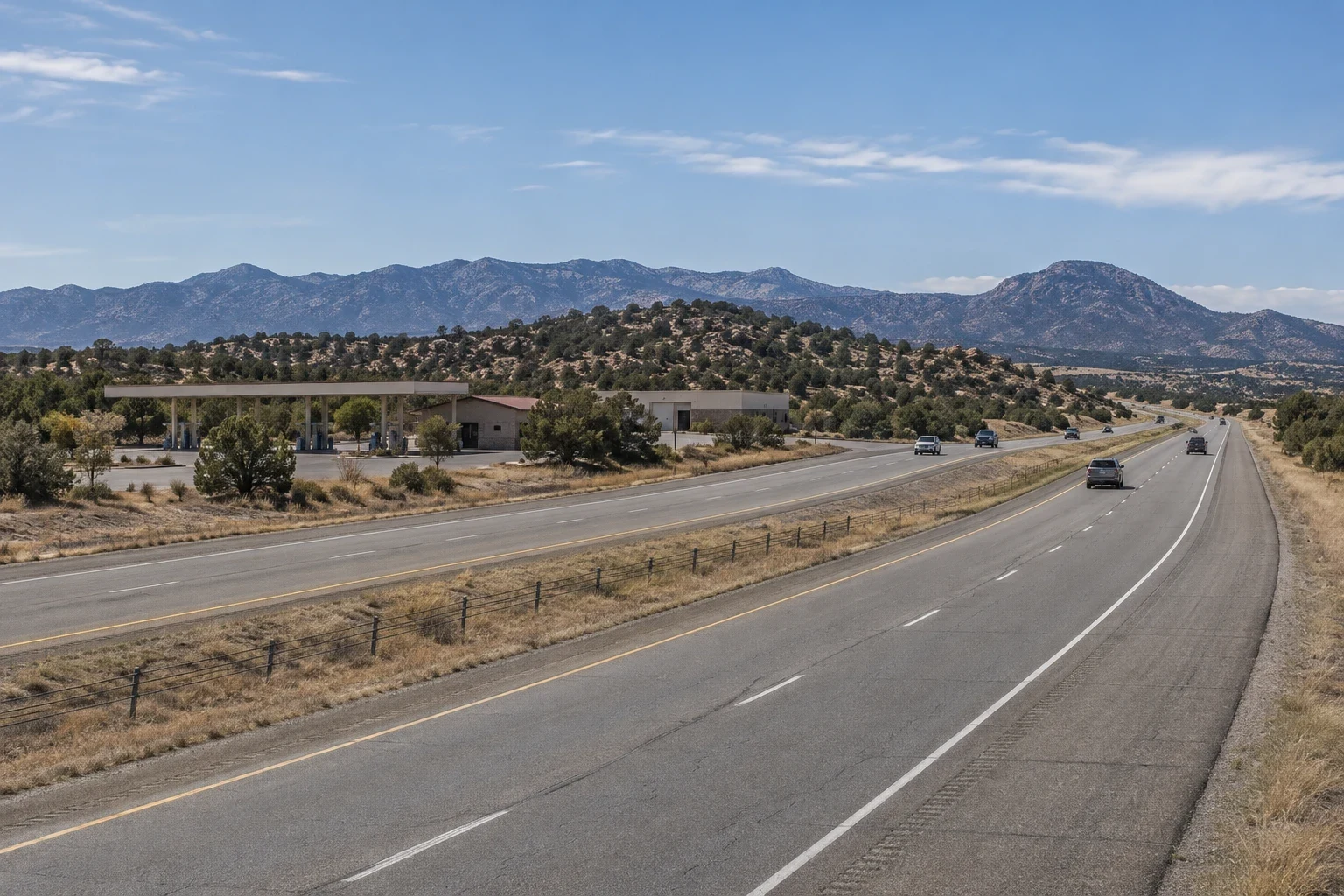
The retail and civic buildings around the Entertainment District are one case. Large assembly spaces and restaurants carry rooftop equipment and drains that a replacement must reroute carefully, and the public uses those buildings through the whole job. Along the State Route 69 corridor, grocery and home-improvement stores such as Fry's and Home Depot keep selling through a project, so tear-off is sequenced into zones with protected entrances.
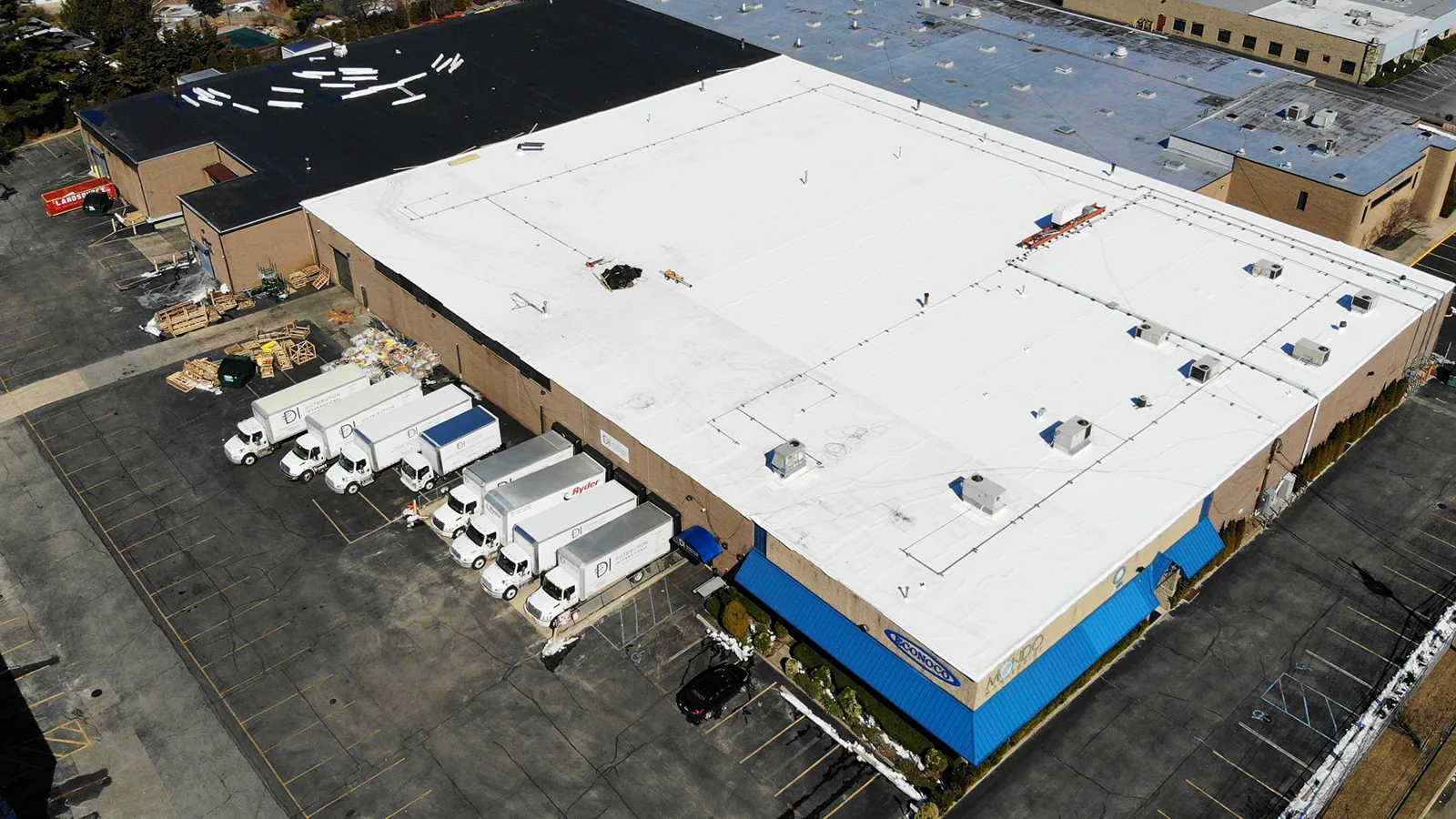
Prescott Valley manufacturers and distributors, a group that includes window makers and a hardware distribution center, need clear loading access. For those roofs, our occupied building reroofing sequence keeps the dock doors and the production floor out from under the work.
Out in Chino Valley, Dewey-Humboldt and Mayer, the question on a smaller commercial building is often whether a recover over the old membrane would work. The core answers it: one dry layer may allow a recover, and wet insulation never does.
Commercial Roofing Questions
How do you decide between tearing off a roof and covering it?
Moisture and layer count decide it. If a core shows dry, bonded insulation under a single old membrane, a recover may be possible. If the insulation is wet, if two layers are already in place, or if the deck is rusted, the roof has to come down to the deck. We put the core photographs and moisture readings on the findings sheet so you see the same evidence we do.
What happens to my building if rain arrives while the roof is open?
We do not leave a section open at the end of the shift. Tear-off is staged so each area is covered with new membrane or a temporary dry-in before the crew leaves. A monsoon cell can build in an hour, so we track the radar and keep tarps, sealant and spare membrane staged at the section edge during the whole day.
Can the deck be repaired during replacement?
Yes, and it should be. Once the old system is off, the deck is visible. Rusted steel sheets, soft plywood and cracked decking get replaced or reinforced as a separate line, priced by the sheet. Roofing over a damaged deck sends fasteners into weak material, and uplift finds that weakness first.
Will freezing mornings in fall or spring change the schedule?
They can. Adhesives and some sealants need a minimum surface temperature to cure, and a membrane stiffens in the cold. Prescott averages freezing temperatures from about late October through the end of April, so we plan cold-sensitive steps for the afternoon and hold them back when the roof stays cold.
Do I have to leave my building during the work?
Usually not. A replacement can run with the building open. We agree on tenant hours, protected entrances and loud-work windows before tear-off starts. Hospital and school roofs get the strictest limits, and we plan crane picks and debris chutes away from doors and parking so staff and customers keep moving.
Request a Walk-Through
Call us to walk your roof. We cut the cores, photograph what we find and give you a written findings sheet with photos before any scope is priced. Then you decide whether to replace, recover or repair.
Request a Roof Assessment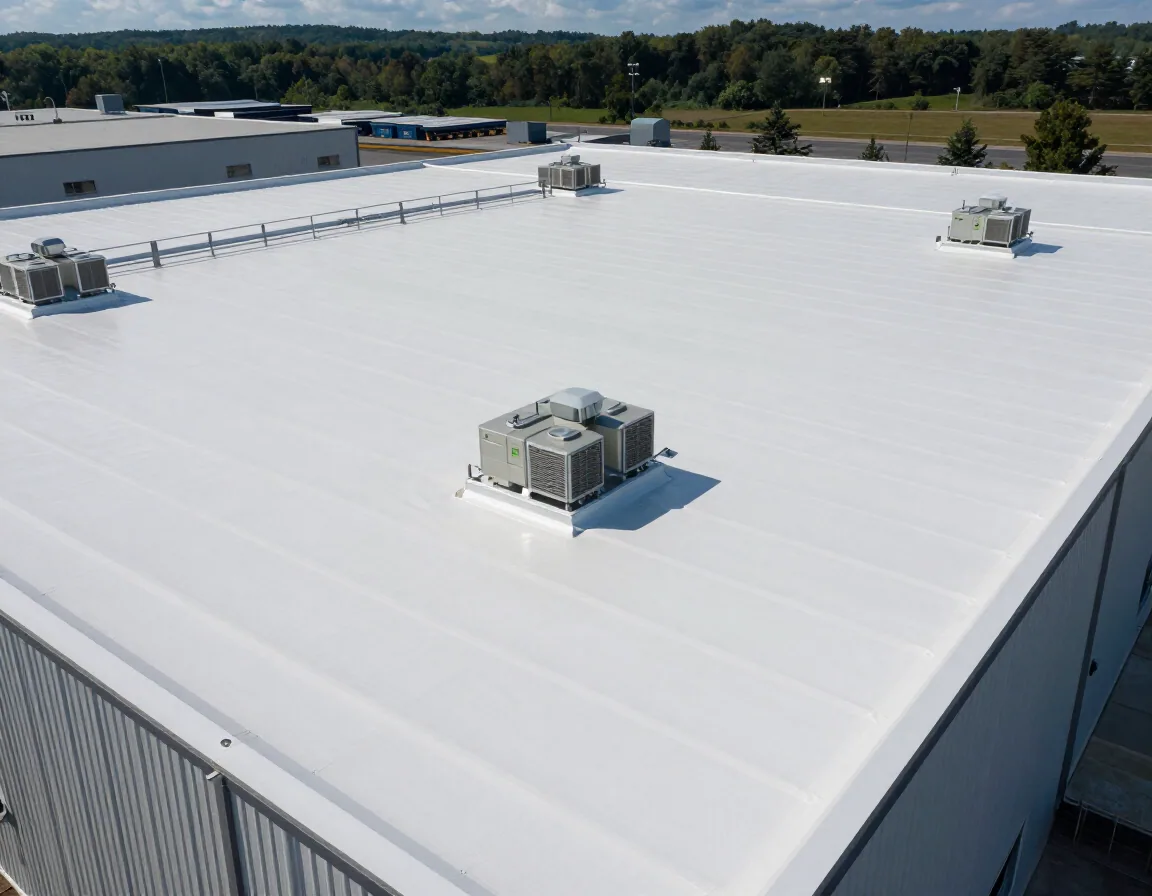
Commercial Roofing Questions
Moisture and layer count decide it. If a core shows dry, bonded insulation under a single old membrane, a recover may be possible. If the insulation is wet, if two layers are already in place, or if the deck is rusted, the roof has to come down to the deck. We put the core photographs and moisture readings on the findings sheet so you see the same evidence we do.
We do not leave a section open at the end of the shift. Tear-off is staged so each area is covered with new membrane or a temporary dry-in before the crew leaves. A monsoon cell can build in an hour, so we track the radar and keep tarps, sealant and spare membrane staged at the section edge during the whole day.
Yes, and it should be. Once the old system is off, the deck is visible. Rusted steel sheets, soft plywood and cracked decking get replaced or reinforced as a separate line, priced by the sheet. Roofing over a damaged deck sends fasteners into weak material, and uplift finds that weakness first.
They can. Adhesives and some sealants need a minimum surface temperature to cure, and a membrane stiffens in the cold. Prescott averages freezing temperatures from about late October through the end of April, so we plan cold-sensitive steps for the afternoon and hold them back when the roof stays cold.
Usually not. A replacement can run with the building open. We agree on tenant hours, protected entrances and loud-work windows before tear-off starts. Hospital and school roofs get the strictest limits, and we plan crane picks and debris chutes away from doors and parking so staff and customers keep moving.