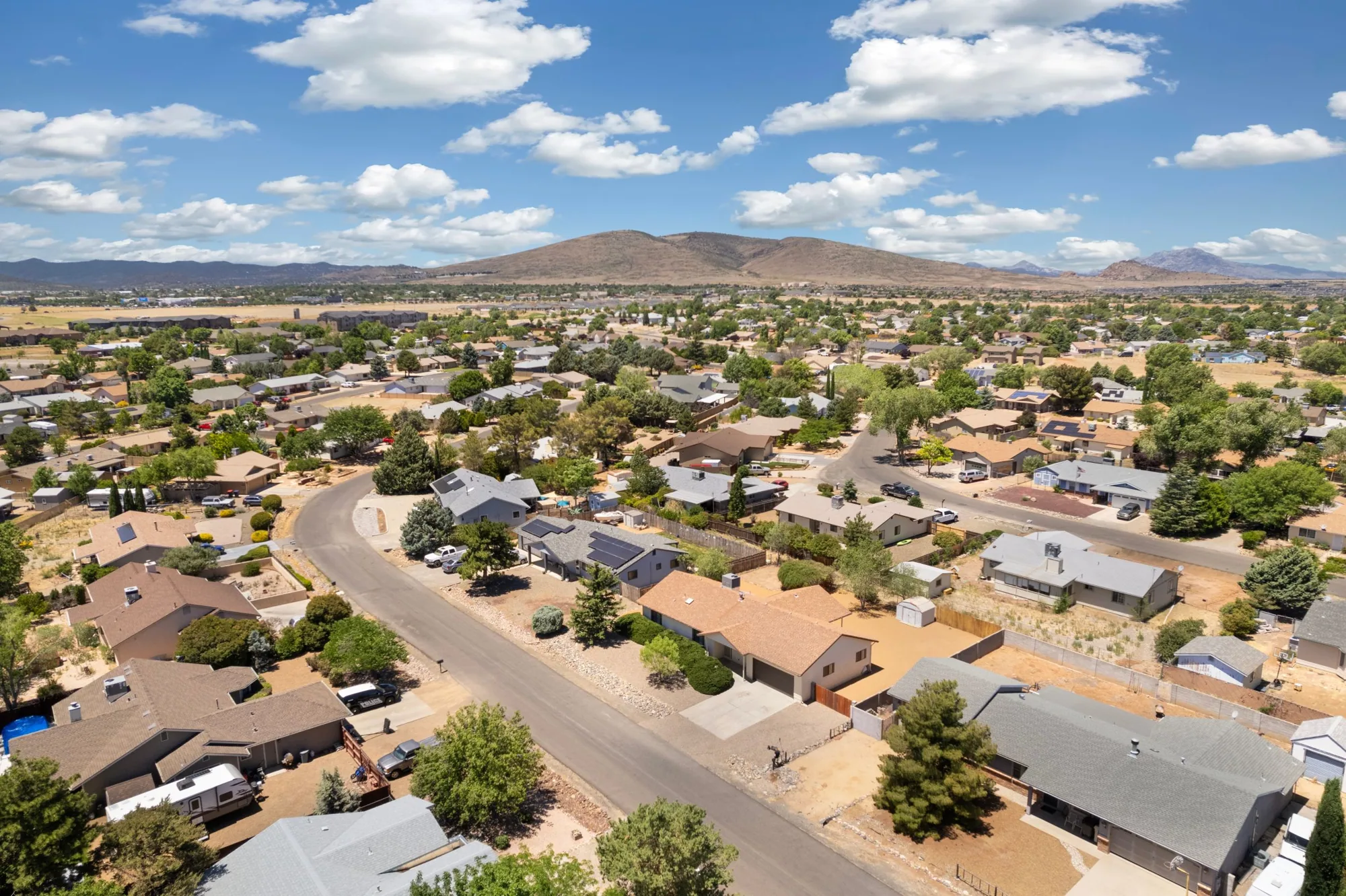
Roof Systems That Fit High Desert Weather.
Press a thumb on a roof surface on a cold morning. A sheet that stays flexible is a good sign. One that cracks is not. Prescott Valley, AZ stands near 5,100 feet and its 15-inch precipitation year falls mostly during a July to September monsoon. Winters bring freezing mornings. Daily swings near Prescott reach almost 30 degrees. A roof system here has to handle hail, cold and constant movement.
Every roof system we install and repair
More About Roof Systems
Single-ply sheets
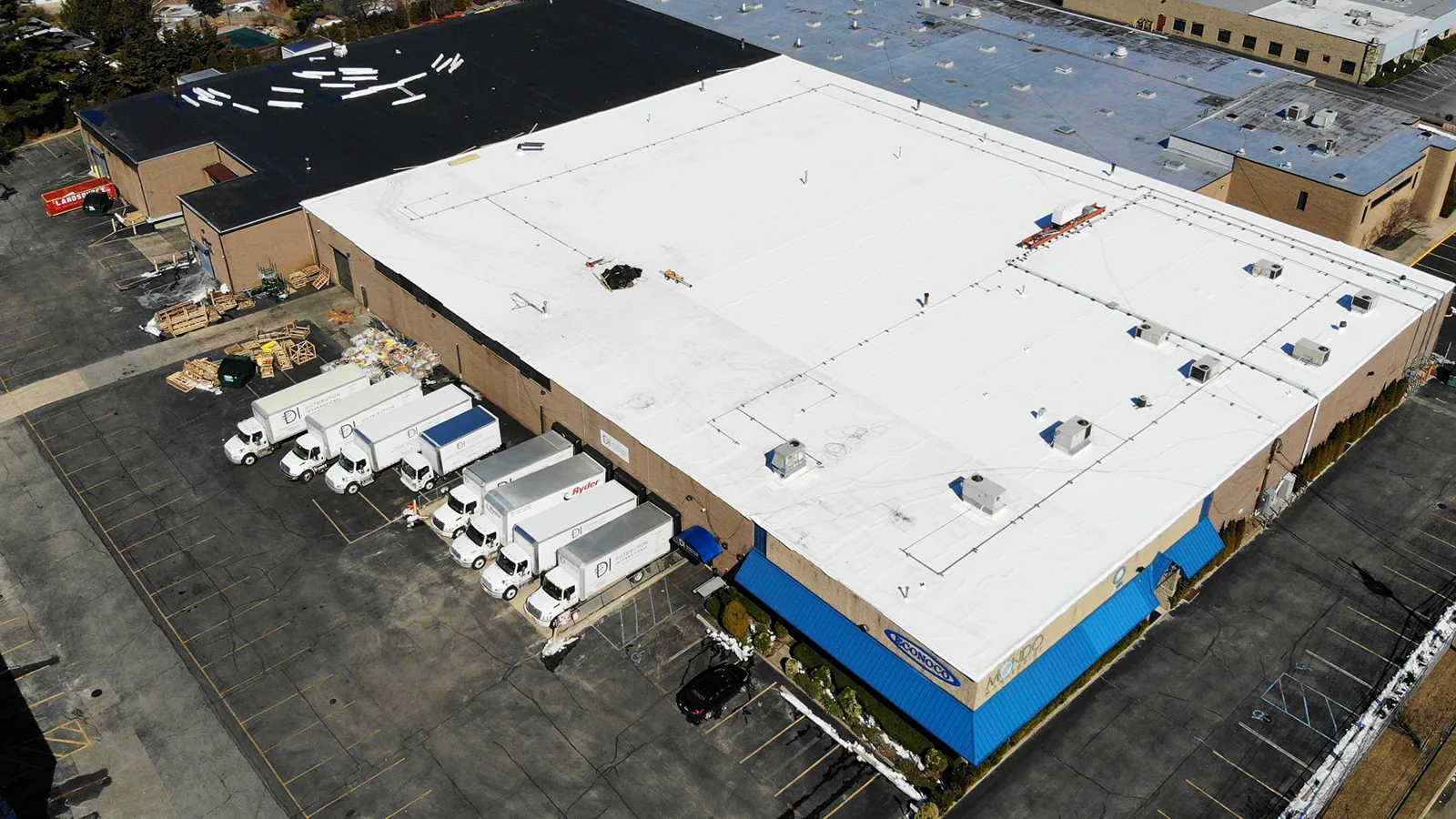
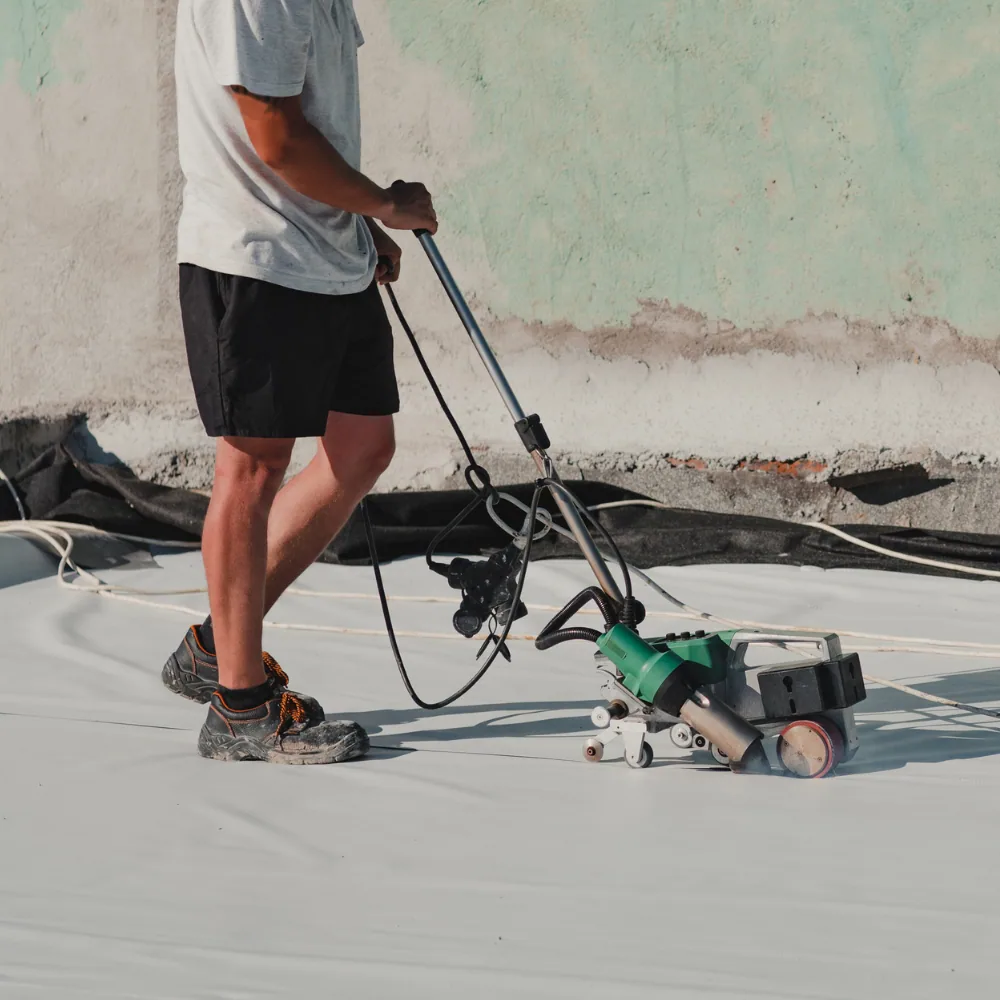
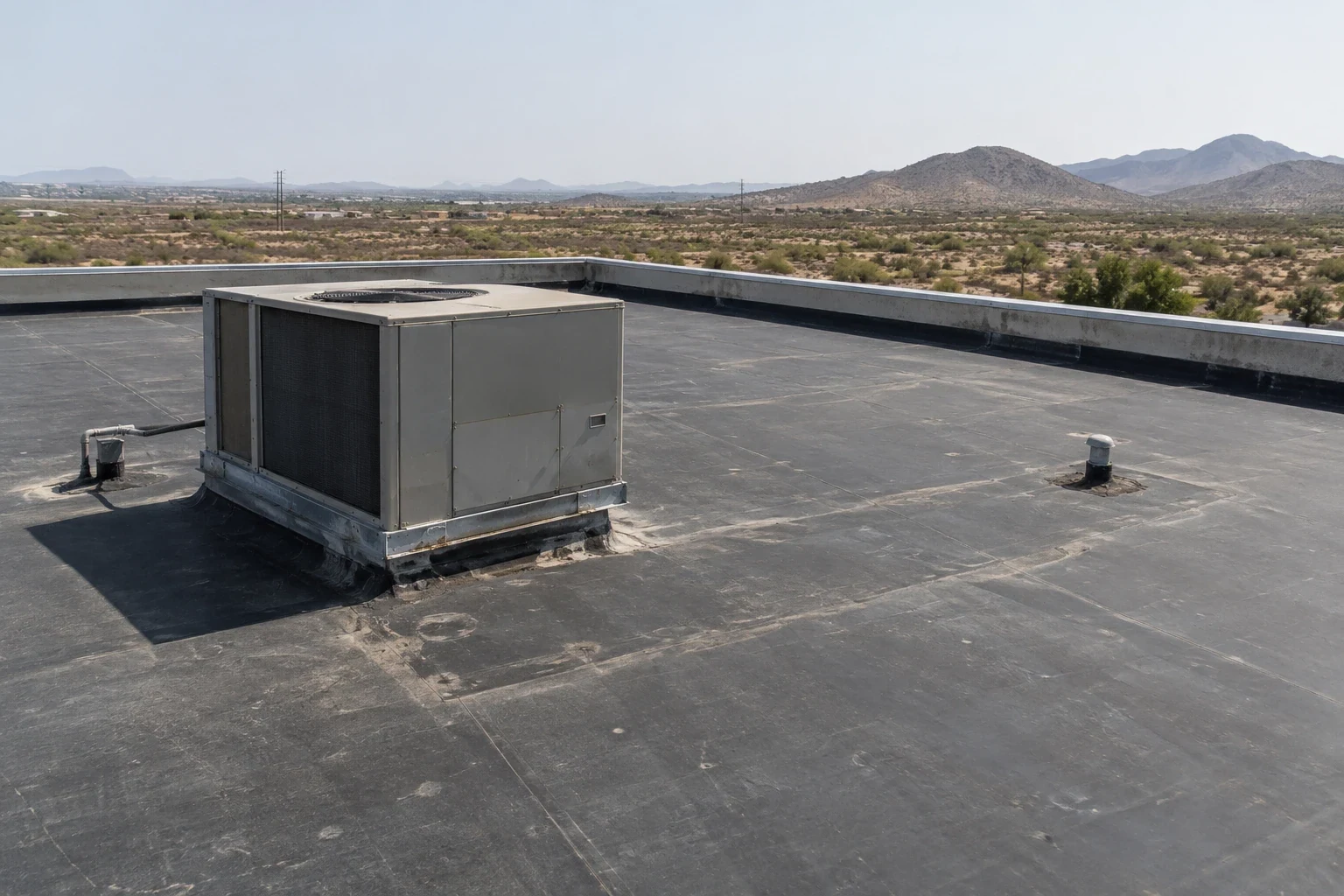
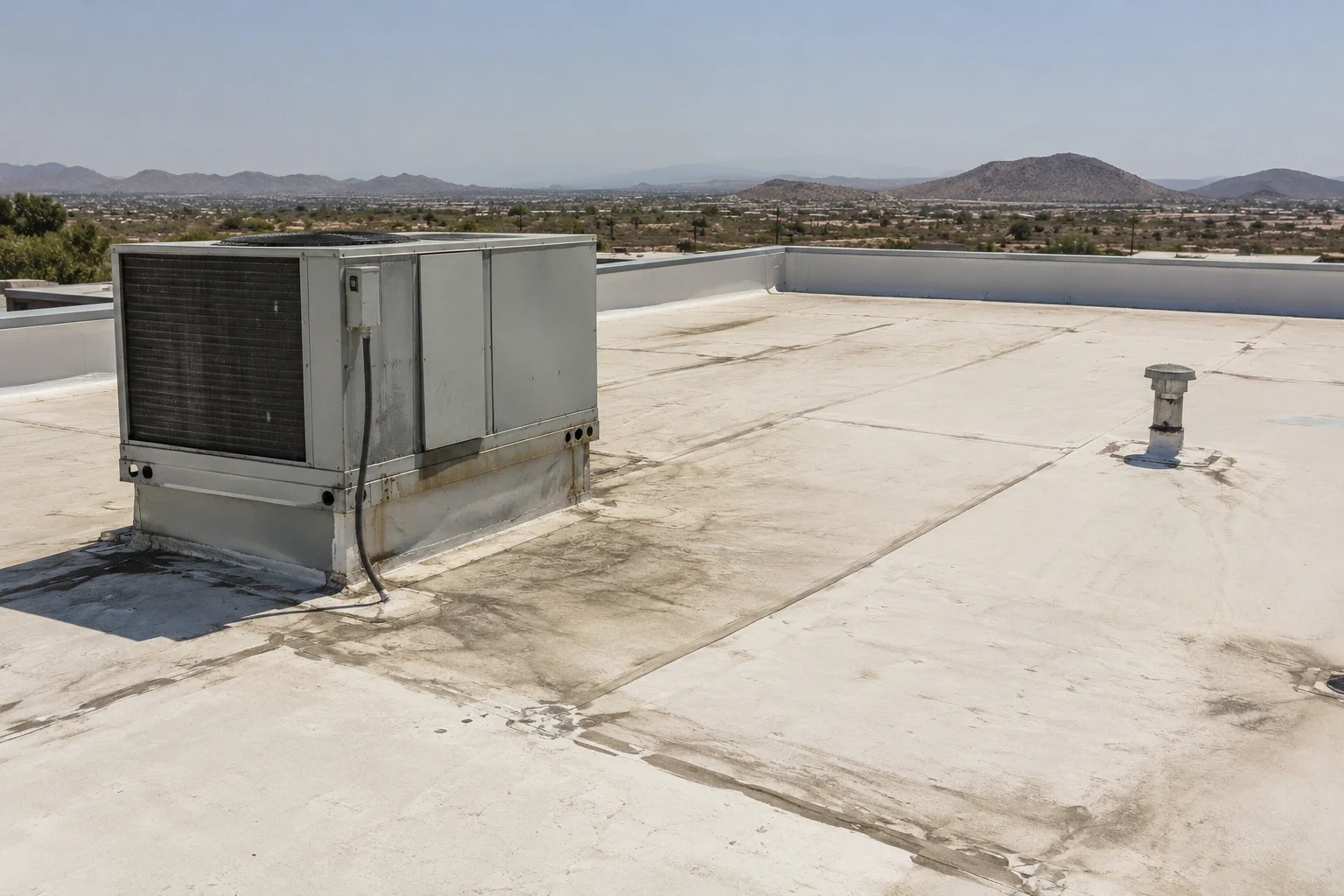
Single-ply sheets are the common choice on large low-slope roofs. TPO reflects sun and is welded at the seams. PVC resists grease and chemicals, which matters over kitchens and some plants. EPDM is a rubber sheet that stays flexible in the cold. KEE is a PVC-type sheet blended with a ketone ester for added resistance to grease and chemicals.
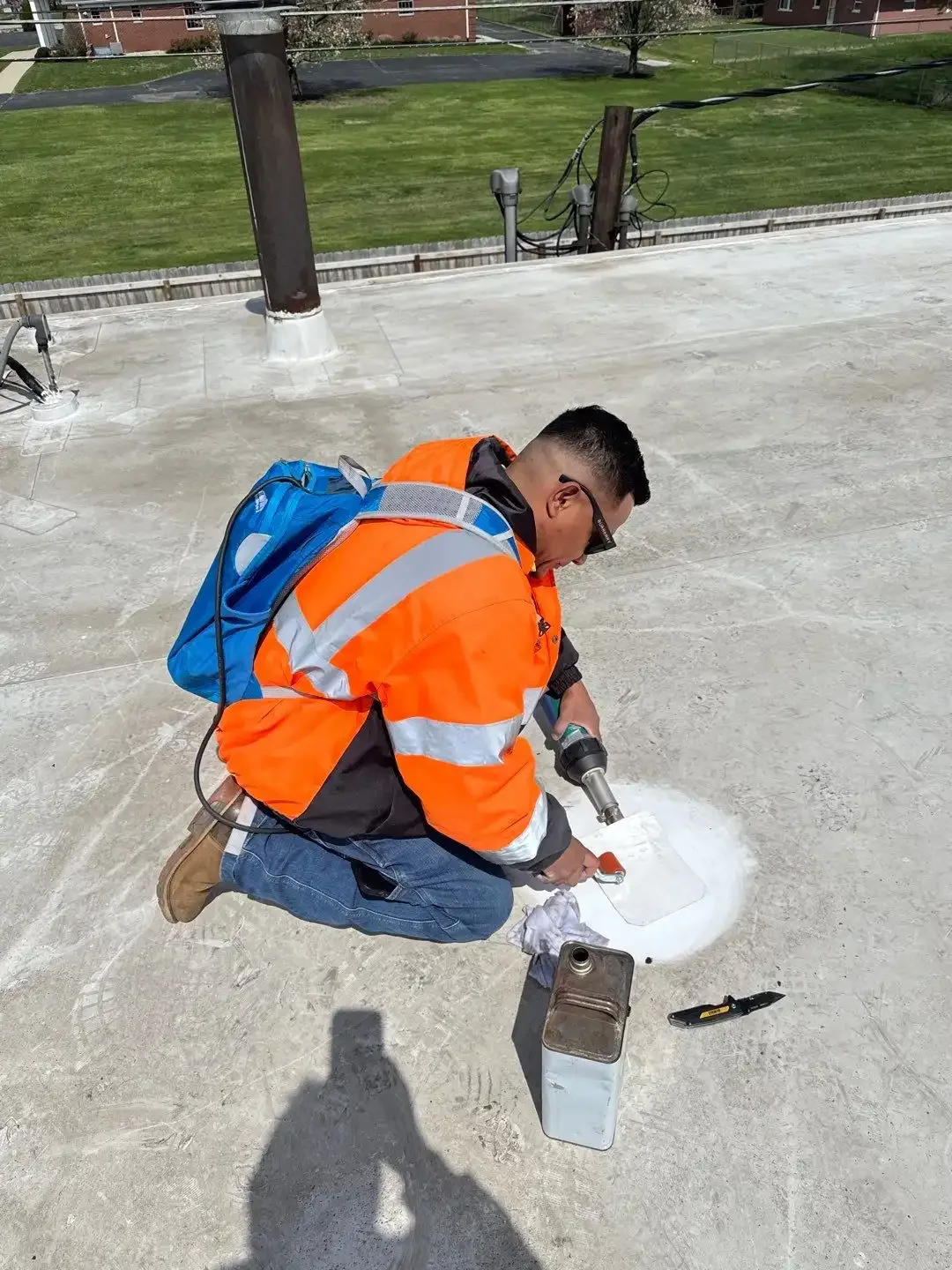
Each has a weak point. Seams are the usual one. We probe every seam and record the result.
Layered systems
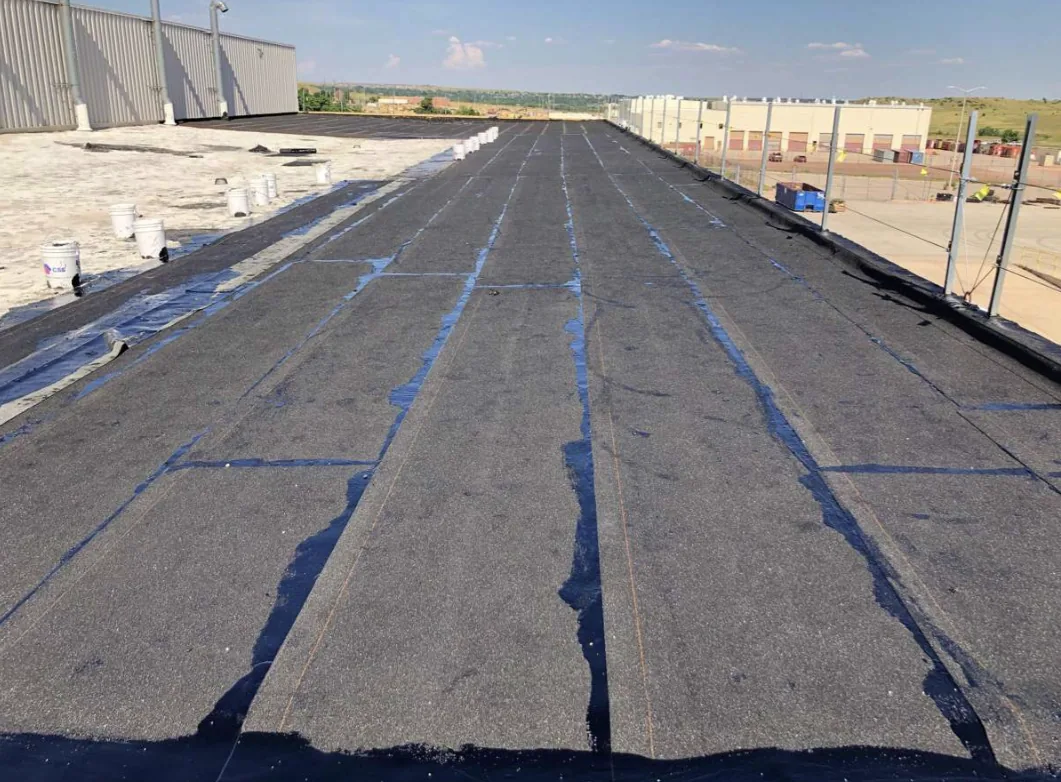
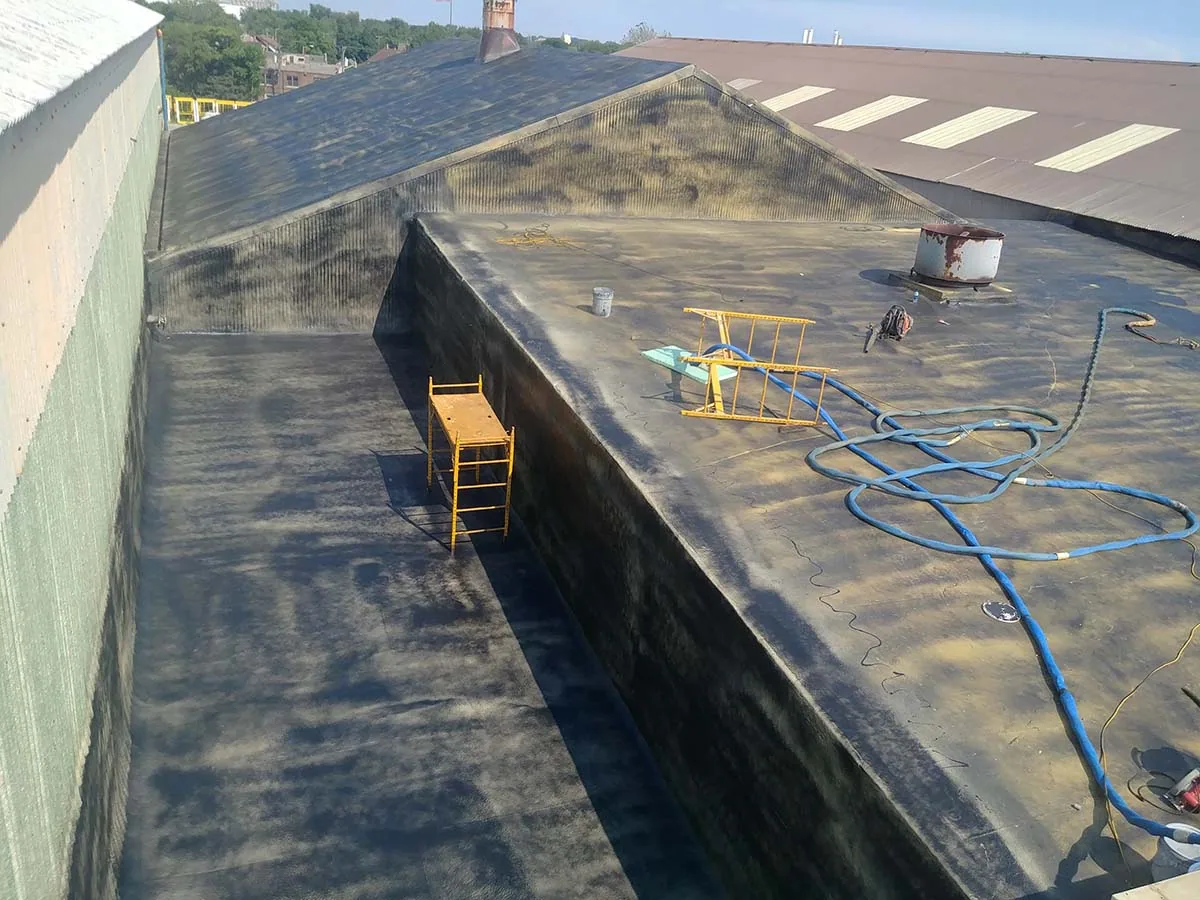
Modified bitumen and built-up roofing use layers. More layers mean more protection against punctures and hail. They also mean more weight, so we check the deck first. A layered roof is slower to install and easier to patch. Owners who want a roof that tolerates foot traffic from equipment service often start here.
Metal and retrofit
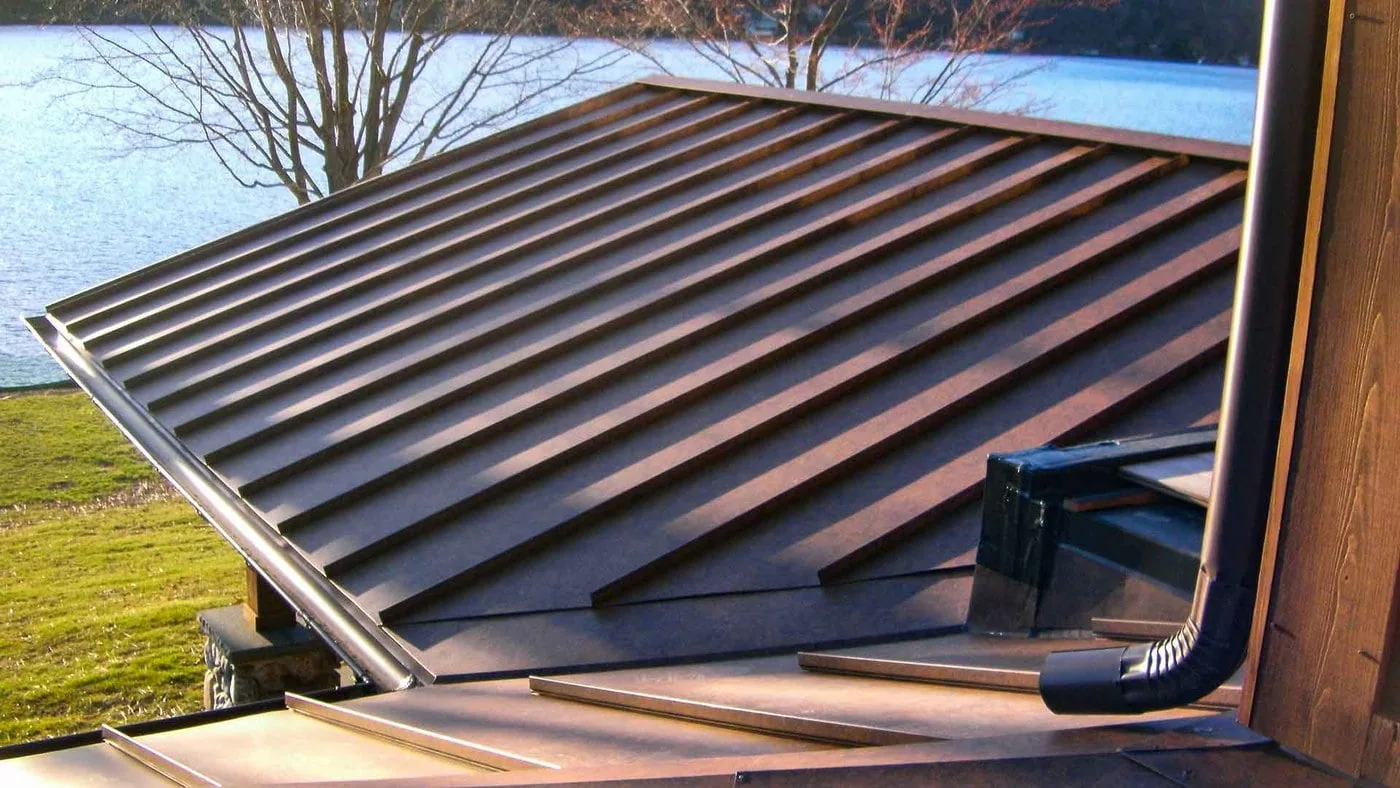
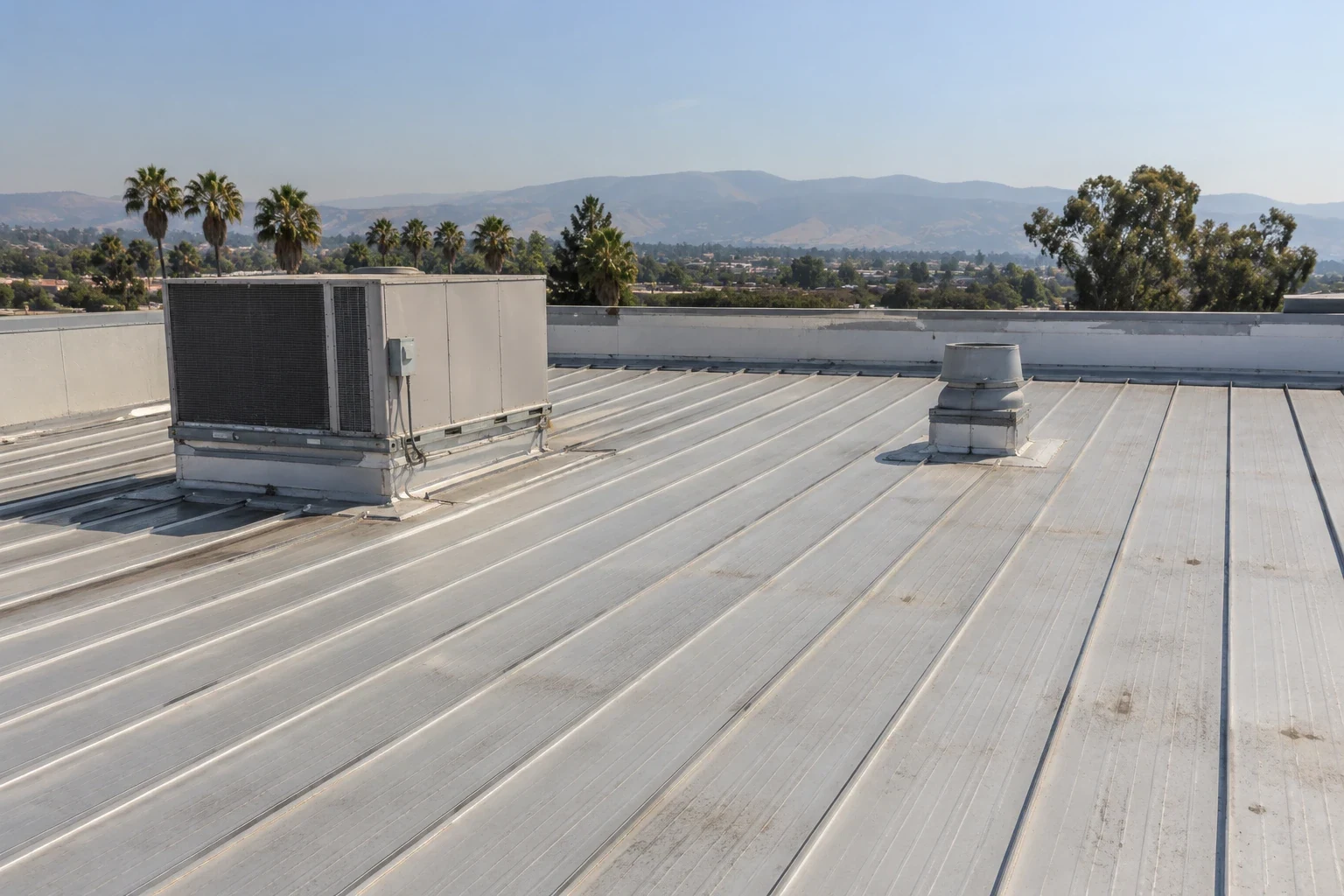
Standing seam metal sheds snow and moves with temperature. It can also drop that snow on a walkway, so snow guards matter. A metal retrofit goes over an aging low-slope roof if the structure can carry it and the insulation is dry. A core cut answers both questions first.
Foam and coatings
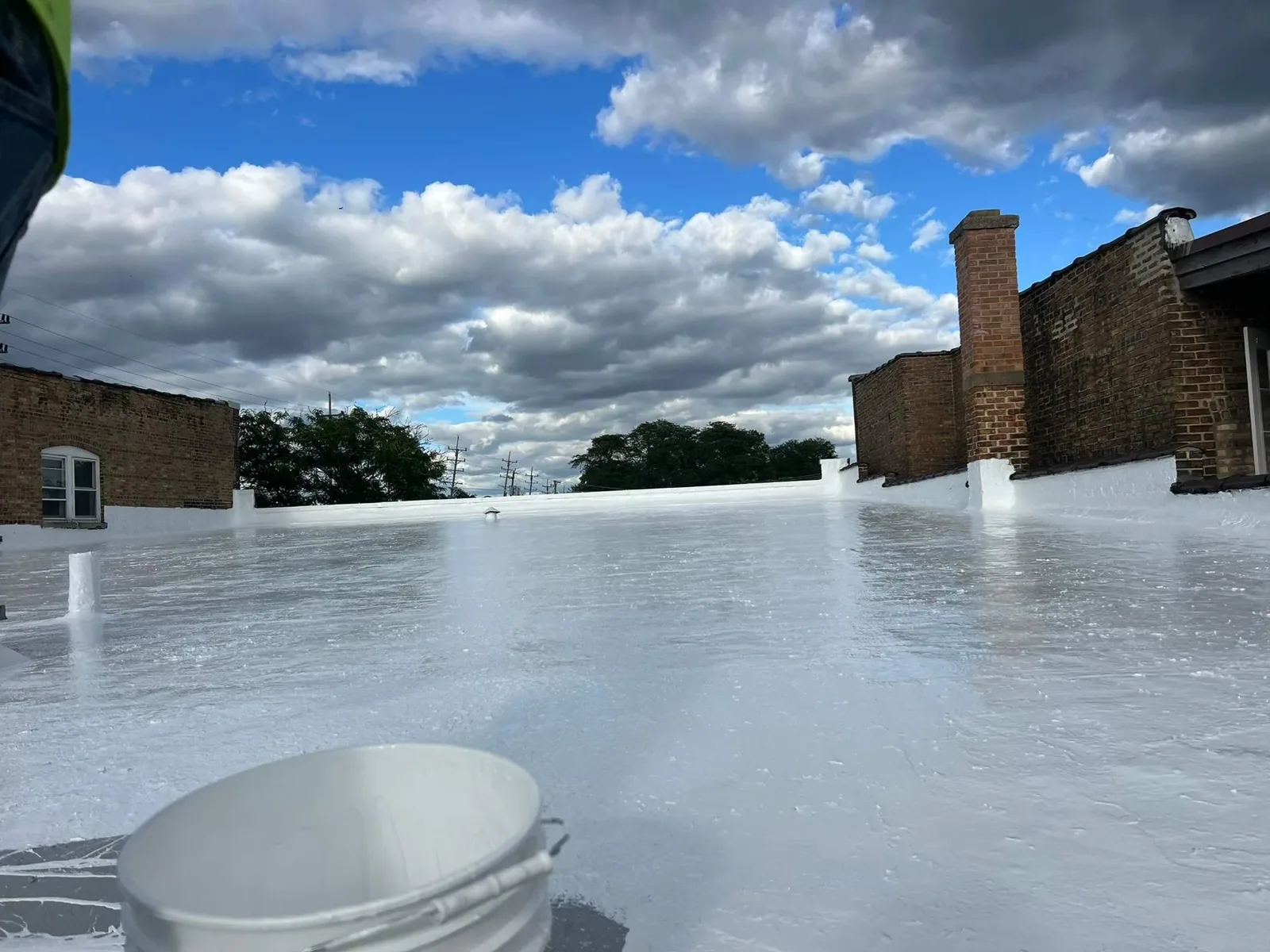
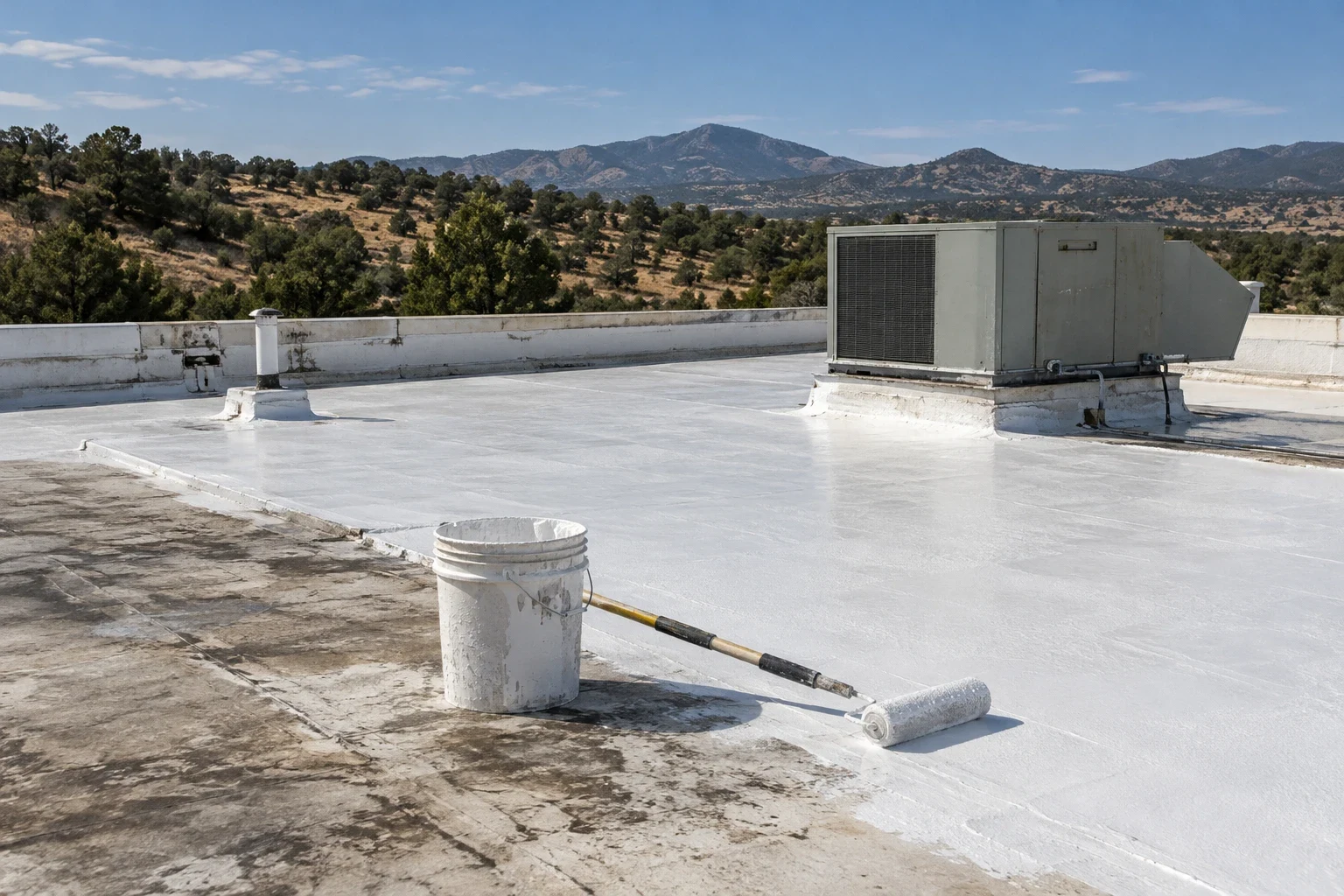
Spray foam adds insulation and a joint-free surface in one pass. Silicone and acrylic coatings restore a worn but dry roof. A coating over wet insulation traps water, so the moisture scan comes first.
Hail matters here. Pea-sized stones rarely harm a sound roof, and half-inch stones can bruise an old one. A bruise is a soft, round dent where a stone pressed the sheet into the insulation. After every storm they are searched for, and the deep ones get a core.
Fitting the system to the building
A distribution building on Fain Road and a retail roof near Glassford Hill need different details. The sheet type may match. The curbs, drains and traffic will not. We compare installed cost, expected service and repair path on one page. The numbers sit side by side, and the owner picks.
Commercial Roofing Questions
Which system handles hail best?
Thicker, layered assemblies and firm cover boards resist impact better than a thin sheet over soft insulation. We check the insulation under any sheet, since that is where hail does its quiet damage.
Does cold weather limit when a roof can be installed?
Yes. Adhesives and welds need temperatures within a range. Late spring through early fall is the easier window, and winter work is planned carefully if it must happen.
Can a coating replace a new roof?
On a dry, sound roof, it can add years. On wet insulation it cannot. A moisture scan and a few cores settle the question before any price is set.
Why does a metal roof need snow guards?
Snow slides off smooth metal in sheets. Guards hold it in place so it melts slowly instead of landing on a walkway or a gutter.
Request a walk-through
Ask for a roof walk and send the deck details. We will deliver a written findings sheet with photos, including system options, before any repair is priced.
Request a Roof Assessment