Acrylic Roof Coatings in Prescott Valley, AZ
Acrylic roof coatings in Prescott Valley, AZ: a water-based reflective film for well-drained roofs, with freeze, monsoon and cure-window limits explained.
Walk the roof the morning after a monsoon cell and look for puddles. Acrylic coating asks one question first: does the water leave? On a roof in Prescott Valley, AZ that drains well, acrylic is the lowest-cost reflective restoration. It is water-based, easy to apply and bright white. It does not like standing water, and it does not like a cold, wet deck. So we check the drains, map the ponding lines and cut cores before we recommend it.
What acrylic coating is
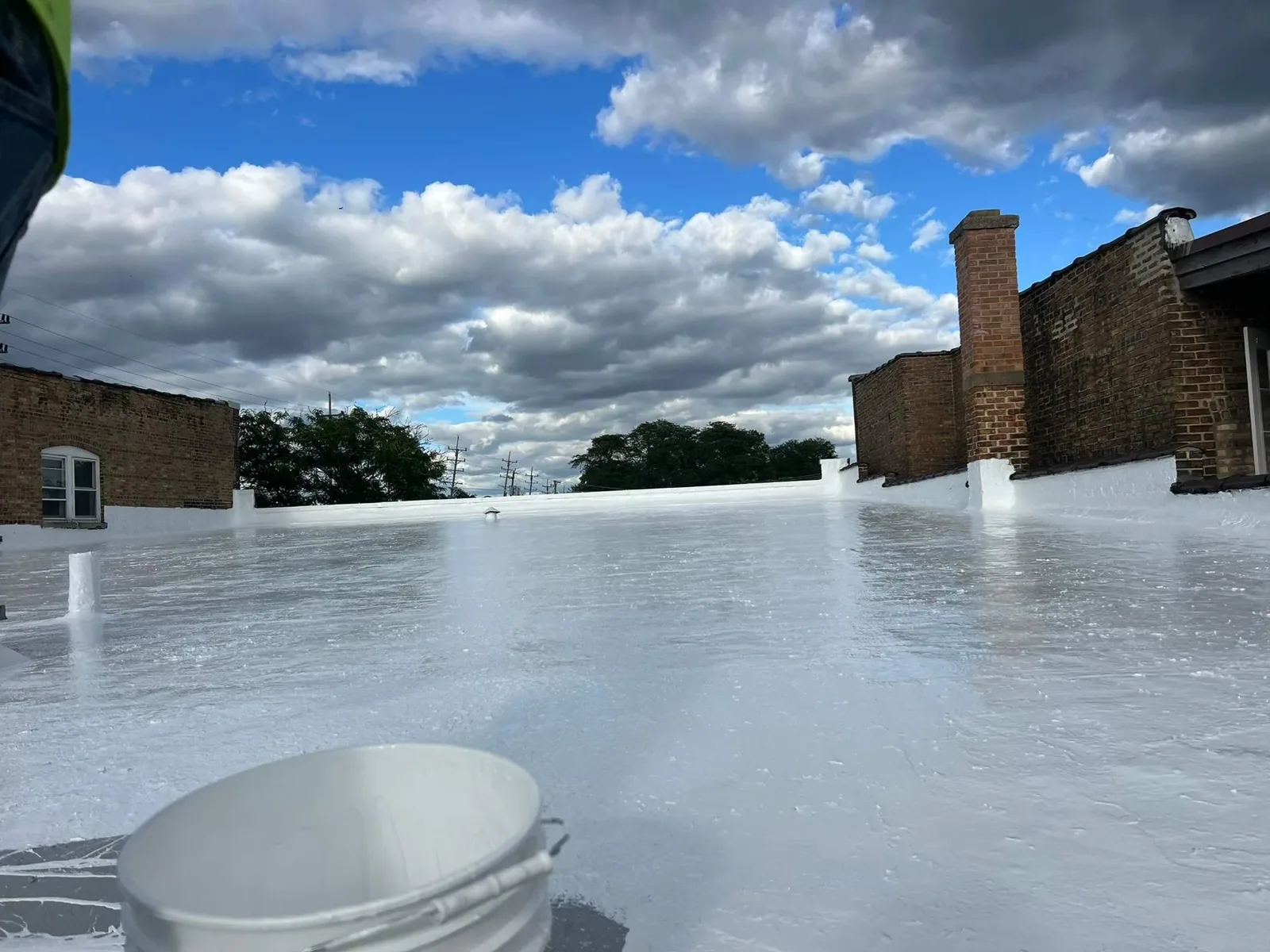
Acrylic coating is a water-based elastomer. It is sprayed or rolled onto a cleaned roof in coats. It dries by evaporation into a flexible white film. The film reflects sunlight and seals small cracks and seams. Fabric and mastic go in first at laps, corners and penetrations.
It costs less than silicone per square foot. The saving narrows if the roof needs heavy prep. We price the prep as its own line so the owner sees both numbers.
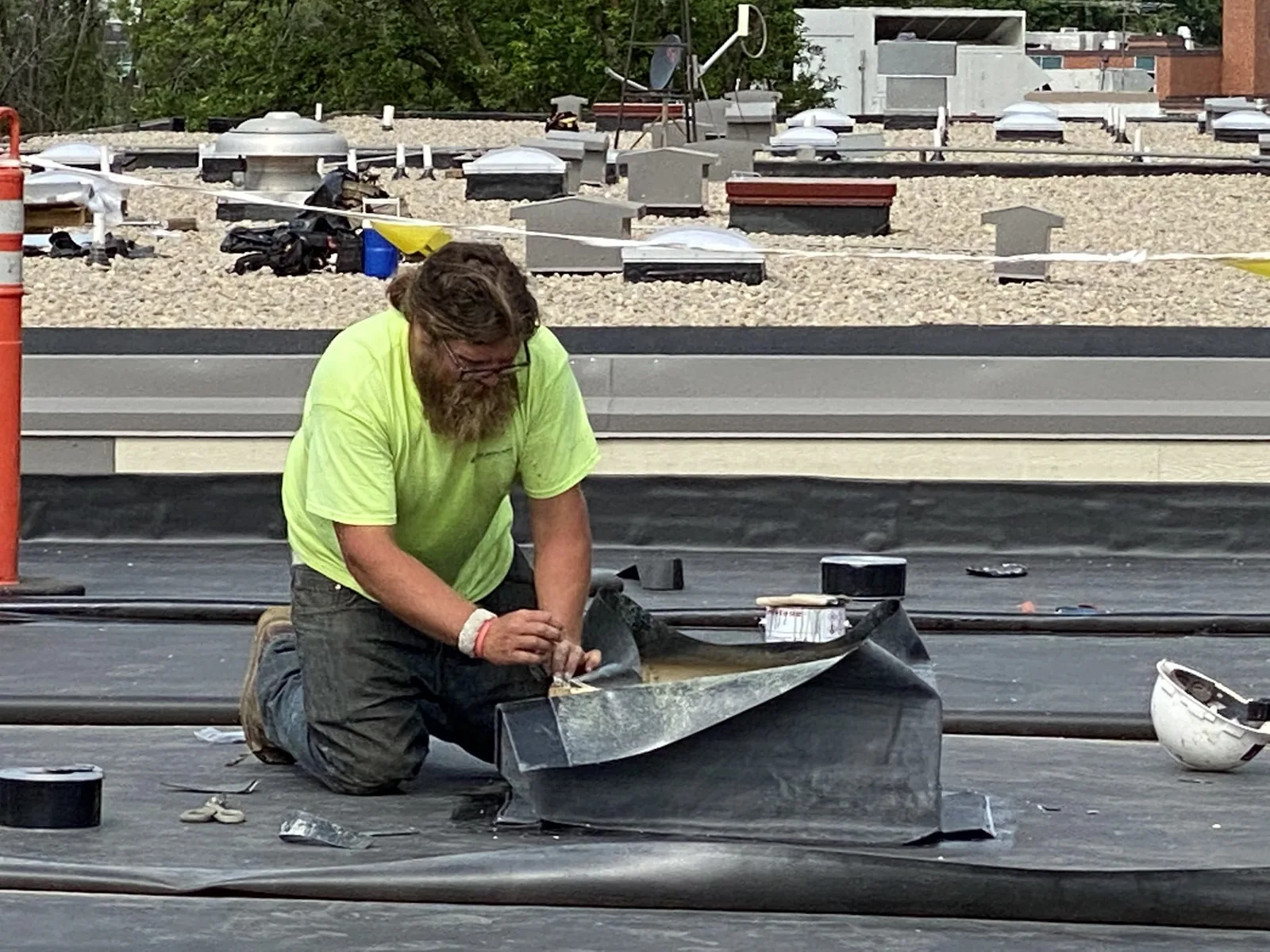
Prep is where acrylic jobs succeed or fail. We wash off dust and silt. We cut out blisters and loose material. We fabric-reinforce seams and corners. We prime where the product calls for it. A test patch goes down first, and we pull it after cure to check the bond. If the patch peels, the plan changes before the full roof is touched. That pull test photo is the cheapest insurance in the file.
Where water is the problem
Acrylic can soften or blister when water stands on it for days. July and August bring most of Prescott Valley's 15 inches of annual precipitation. A roof with a ponding line, a stain where water stood, is a poor fit unless the drainage is fixed. Snow melt that refreezes at a drain can pond water too.
We map each ponding line and measure how far it sits from the nearest drain. Where the low spot is small, a new drain or tapered insulation may solve it. Where it is large, we price a silicone coating beside acrylic. Silicone tolerates standing water better.
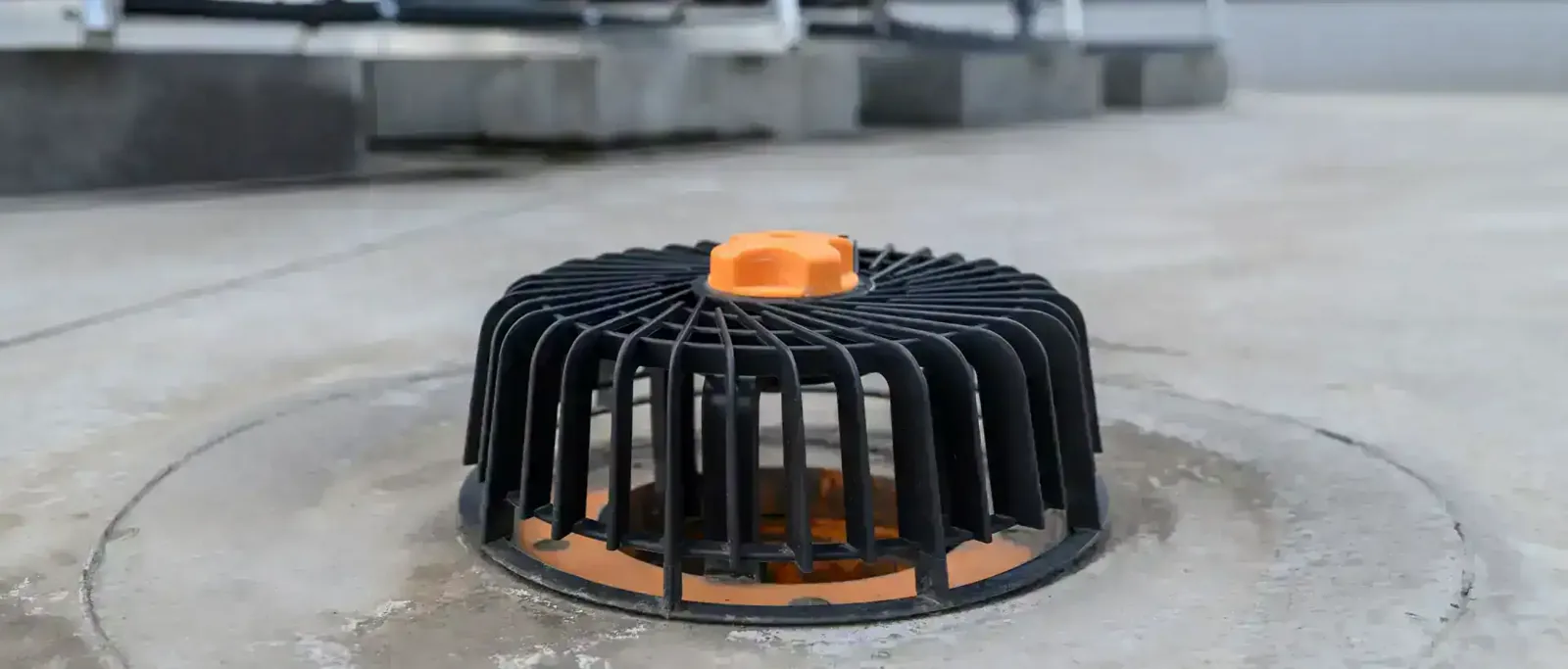
Drain screens come first in every case. After a monsoon cell they are often packed with gravel, leaves and hail. A packed screen makes a pond by itself, and a pond on fresh acrylic is a problem. We clear and photograph every screen and scupper before we coat, and we show the owner the drains and scuppers condition on the findings sheet.
Cure windows and cold
Acrylic cures as its water leaves. It needs warm, dry weather. Freezing mornings run from about October 21 to May 1 near Prescott Valley, and a coat applied before a frost can wash out or turn cloudy. A monsoon shower on a fresh film can wash it away.
So acrylic work belongs to late spring and early fall, on mornings with a clear forecast. We watch the overnight low and the afternoon sky. If a cell builds, we stop and cover. Holds go into the schedule and the price.
Wind matters too. Spray drifts, and ridge-top gusts off Glassford Hill can carry mist onto neighbors. We tent edges, move parked cars and start early before the wind rises. Snow is the last limit. Prescott averages about ten inches a season, and a roof with frost or melt cannot take a coat. We do not push the season for a day of work.
Hail, dirt and wear
Hail bruises coatings and the roofs under them. The July 20, 2026 storm brought pea-sized hail, heavy rain and strong wind to Prescott Valley. A sound acrylic film shrugs off pea-sized stones. Larger stones can crack it over a soft spot.
Dust and debris dull the white. A wash after monsoon season restores reflectance. We measure film thickness at fixed test spots each visit. When the number nears the minimum, a recoat is due. Acrylic over acrylic bonds well, and the recoat is usually quick. A yearly wash and a quick film check keep the coat working. The record lets the facility director plan the next coat in the budget year before it is needed, which is a cheaper way to run a roof than waiting for a leak. A maintenance program can carry the wash and the photos.
Where acrylic fits in town
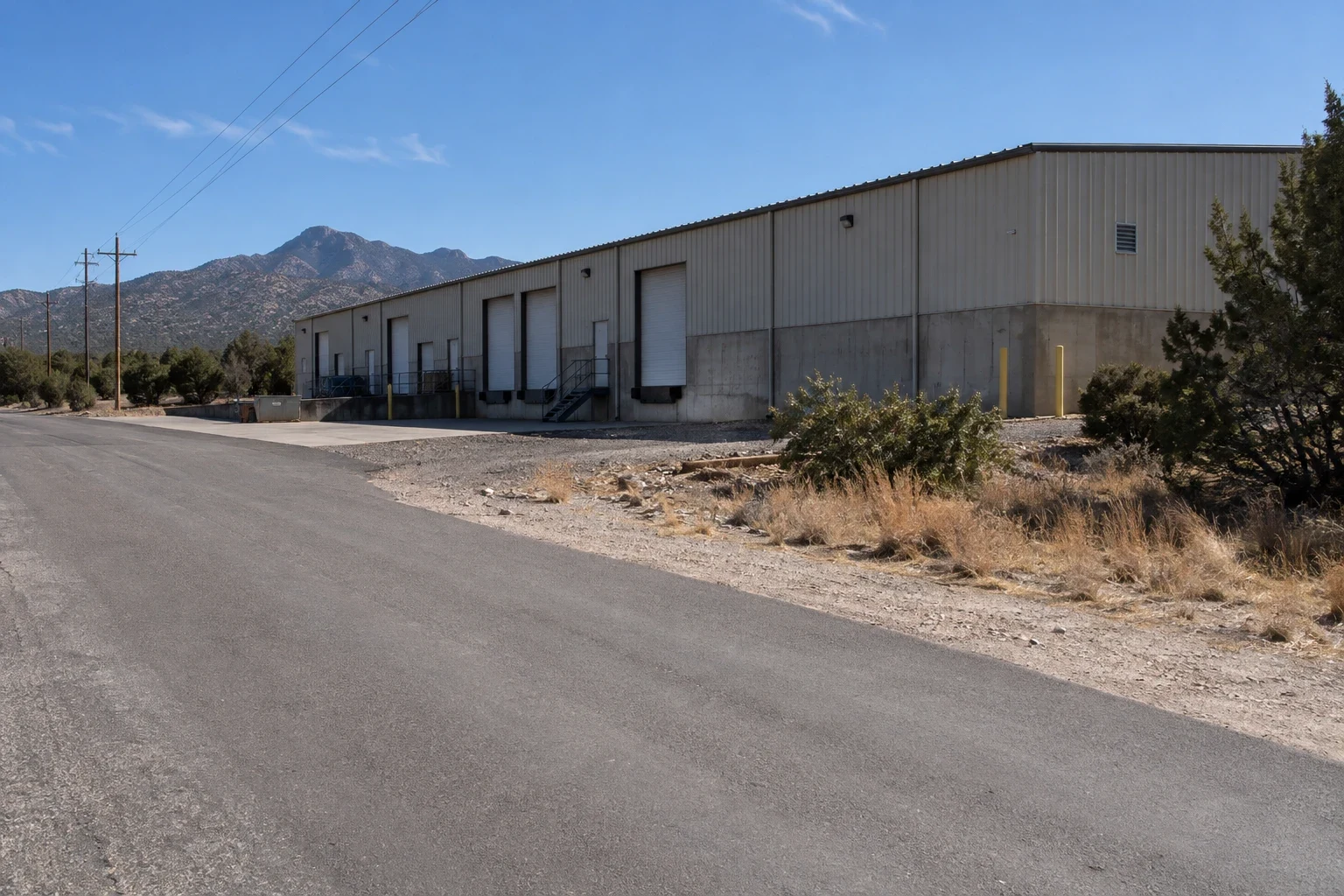
Roofs that drain freely are the best fit, and that is a finding, not an assumption. The distribution and manufacturing buildings along Fain Road, the retail at Glassford Hill Marketplace and The Crossroads and the lots at Big Sky Business Park each get the same questions: where does the water go, and are the cores dry? The cores decide the call. A coat over dry, bonded insulation lasts. A coat over wet insulation does not.
Roof edges get a closer look. Where a roof sheds water to scuppers at the perimeter, a clogged scupper puts a pond at the edge, against the flashing. We clear and photograph each scupper, check the edge metal and mark any loose coping. A small flashing repair at an edge costs little before the coat and a lot after it.
What to repair now and what can wait
Repair now: open seams, split flashings, wet insulation, punctures, clogged drains. Repair soon: shallow ponding lines, worn pads, cracked sealant. Watch: dirt, light chalking, small dents. We sort the findings that way and price each tier. A coating restoration follows the repairs. If the cores show widespread wet insulation, replacement is the better route.
What to ask for in writing
Get the coating type, the number of coats, the film thickness and the warranty on paper. Get the adhesion test result and the cure-window rules. We put them on the findings sheet beside the photos. A TPO roof and a rubber EPDM roof can both take an acrylic topcoat when they are clean, dry and bonded.
Commercial Roofing Questions
Is acrylic or silicone better for my roof?
Acrylic costs less and suits roofs that drain freely. Silicone costs more and suits roofs that hold some water. We cut cores, map ponding lines and price both. We recommend the one that matches the drainage we find, and we show the photos that decide it.
How many coats of acrylic will my roof need?
Most systems use a base coat and a top coat, with fabric at seams and penetrations. The film thickness is set by the product and the roof. We measure it with a gauge at test spots and record it. That number tells you when a recoat is due.
Can acrylic be applied in the fall?
Yes, on warm, dry days before the first frost. Freezing mornings start around October 21, so early fall is the last good window. We watch the overnight low and stop if frost threatens. We recommend booking fall work early in September, so the crew and the material are ready for the first dry week, and the roof is coated before the cold mornings arrive and the window closes for the season.
What if rain hits the fresh coat?
A shower on an uncured film can wash it off or leave streaks. We cover or stop when the forecast turns, and we recoat any damaged area once the roof is dry. We photograph the area before and after, so the file shows what happened.
Does acrylic fix leaks?
It seals small cracks and laps. It does not fix an unfound leak or a wet roof. We trace the water, repair the source and then coat. We recommend a moisture scan before any coating job so the coat covers a dry roof.
Request a walk-through
Ask us to walk the roof. You receive a written findings sheet with cores, ponding lines, adhesion tests and photos before any acrylic coating is priced.
Request a Roof Assessment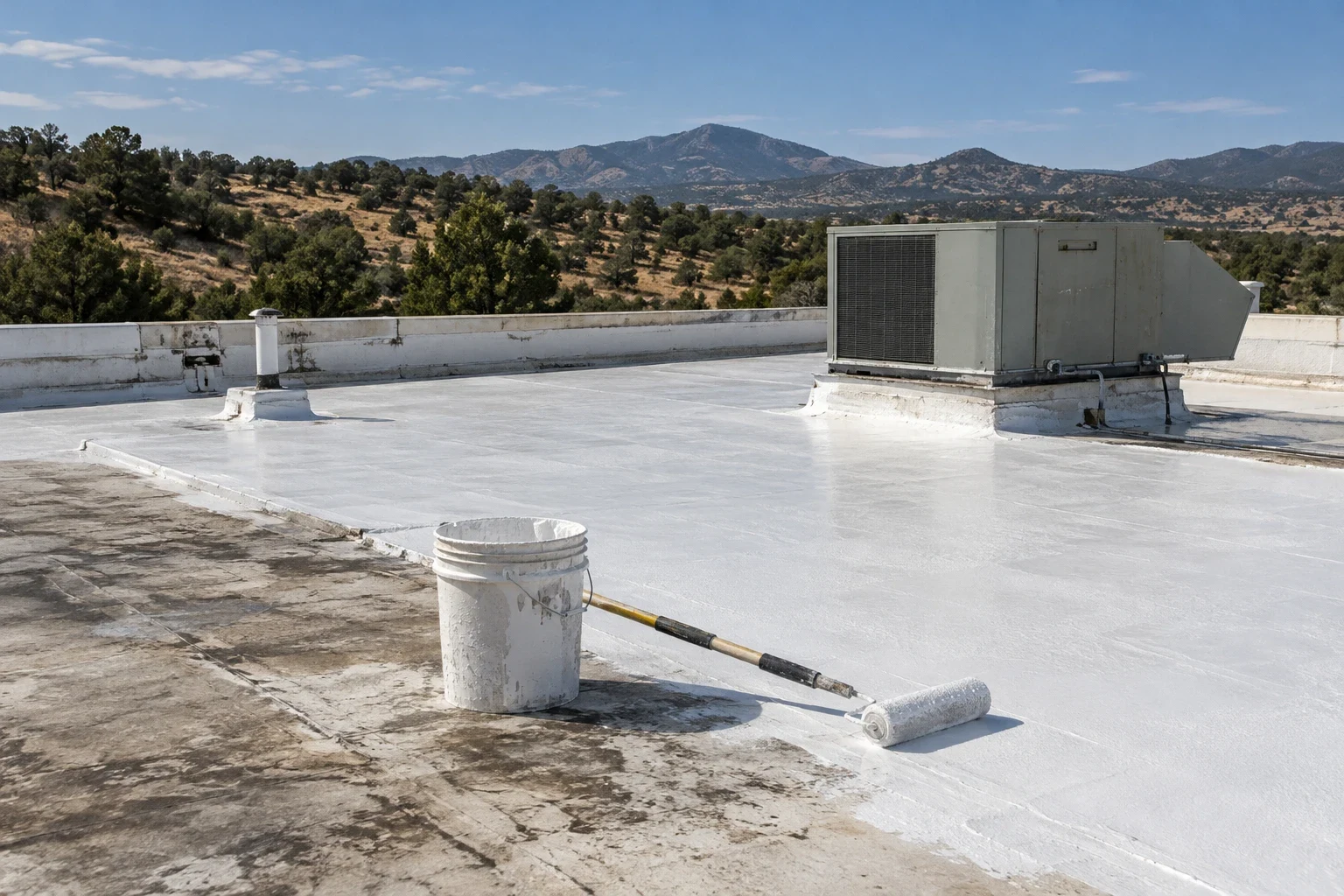
Commercial Roofing Questions
Acrylic costs less and suits roofs that drain freely. Silicone costs more and suits roofs that hold some water. We cut cores, map ponding lines and price both. We recommend the one that matches the drainage we find, and we show the photos that decide it.
Most systems use a base coat and a top coat, with fabric at seams and penetrations. The film thickness is set by the product and the roof. We measure it with a gauge at test spots and record it. That number tells you when a recoat is due.
Yes, on warm, dry days before the first frost. Freezing mornings start around October 21, so early fall is the last good window. We watch the overnight low and stop if frost threatens. We recommend booking fall work early in September, so the crew and the material are ready for the first dry week, and the roof is coated before the cold mornings arrive and the window closes for the season.
A shower on an uncured film can wash it off or leave streaks. We cover or stop when the forecast turns, and we recoat any damaged area once the roof is dry. We photograph the area before and after, so the file shows what happened.
It seals small cracks and laps. It does not fix an unfound leak or a wet roof. We trace the water, repair the source and then coat. We recommend a moisture scan before any coating job so the coat covers a dry roof.