Preventive Roof Maintenance in Prescott Valley, AZ
Preventive roof maintenance in Prescott Valley, AZ: scheduled walks before the monsoon and the freeze line, with findings sheets and photos at every visit.
Look at the calendar before you look at the roof. In Prescott Valley, AZ, a commercial roof gets four tests a year: the spring thaw, the July to September monsoon, the first freeze and the winter. A maintenance program puts a walk before each test. Commercial Roofing Prescott Valley runs those walks for commercial buildings, with a written findings sheet and dated photos after every visit.
The point is simple. Small defects found early cost little. The same defects found after a monsoon cell cost much more.
The Four Walks
Every program follows the same calendar. The dates move with the weather, but the order does not.
- Spring walk: after the last hard freeze, to find what winter opened.
- Pre-monsoon walk: in June, to clear drains and seal what spring found.
- Post-monsoon walk: in September, to record what the cells did.
- Pre-freeze walk: in October, before freezing mornings begin, to prepare the roof for winter.
Freezing temperatures in the Prescott area typically run from about October 21 through May 1. That sets the last good work window of the year. We schedule repairs found in the September walk before that date, while adhesives and sealants cure.
The first year adds one more visit: a baseline walk. It records the roof as it stands, with a full photo set, a drain tally and a moisture check. Later walks compare against it. Without a baseline, every change is a guess.
What We Look For
Each walk follows a fixed list. The list is short because the common problems are few.
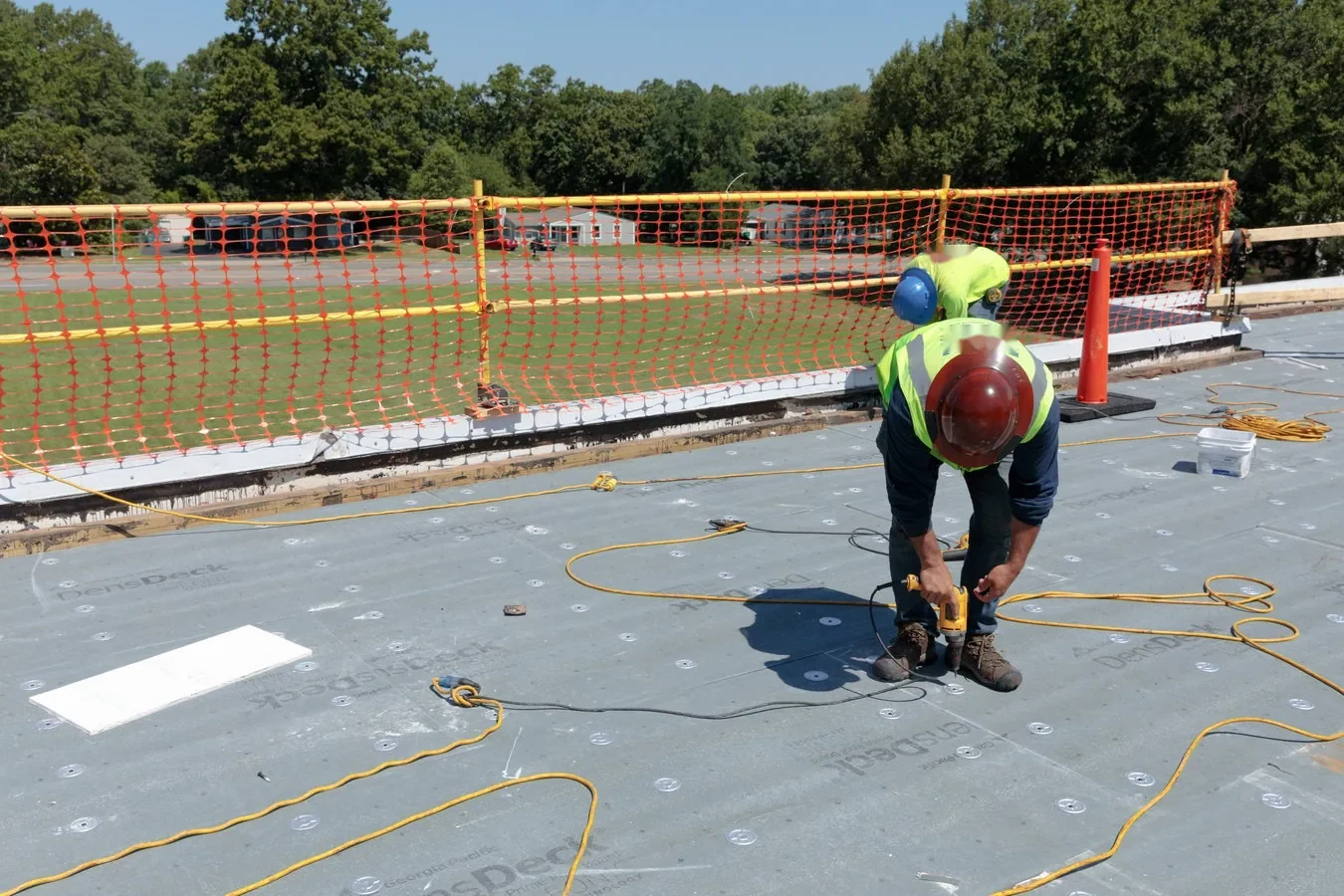
We start with drains and scuppers. Screens fill with gravel, leaves and hail, and a blocked outlet leaves a ponding line. We probe every seam with a rounded tool, because a seam can look tight and still be open. We check flashing at walls, curbs and pipes for cracks and gaps. We look at edge metal and coping for movement. We press along the surface for soft spots that mean wet insulation. And we photograph everything from the same spots each visit, so changes are easy to see.
The photos are the tool that matters most. A crack that grows from one visit to the next shows up in two images. A pond that deepens shows up in a measurement. The record turns a hunch into a finding.
Why Small Things Grow Here
Prescott Valley sits near 5,100 feet and gets about 15 inches of precipitation a year, mostly in the monsoon. Daily temperature swings near 30 degrees work every seam and flashing, because the membrane expands in the afternoon and shrinks overnight. Over a winter of freezing mornings, a loose seam opens a hair more each cycle.
Monsoon cells then test the openings. The July 20, 2026 monsoon storm pushed pea-sized hail and strong wind across Prescott Valley, and more than 130 APS customers lost power. A roof with clear drains and tight flashings handles that cell. A roof with a quarter-inch opening at a corner finds it. The walk before the cell is what separates the two.
Hail adds its own record. Pea-sized hail seldom harms a healthy surface, but it finds brittle spots. A program catches those spots early, with dated photos that show whether they came with a storm or were already there.
What We Fix on the Visit
Many items are small enough to fix on the walk. We carry materials for them, so the crew does not need a second trip.
- Clear drain screens, scuppers, gutters and downspouts.
- Reseal cracked sealant at pipe boots and curbs.
- Re-bond a lifted seam edge or a loose flashing corner.
- Replace fasteners that have backed out of metal panels.
- Patch small punctures and tears in the surface.
- Reset loose coping and edge metal.
Larger items are priced and ranked, and each walk doubles as a commercial roof inspection record. We mark each as a patch or a fix. A patch holds until the planned window. A fix deals with the cause. The written sheet gives the cost of each and the cost of waiting.
We also check the things around the roof. A downspout that dumps against a wall, a tree limb that touches the edge, a sign bracket through the surface: each one is a future finding. We photograph them and add them to the sheet with a suggested fix.
Where Programs Run
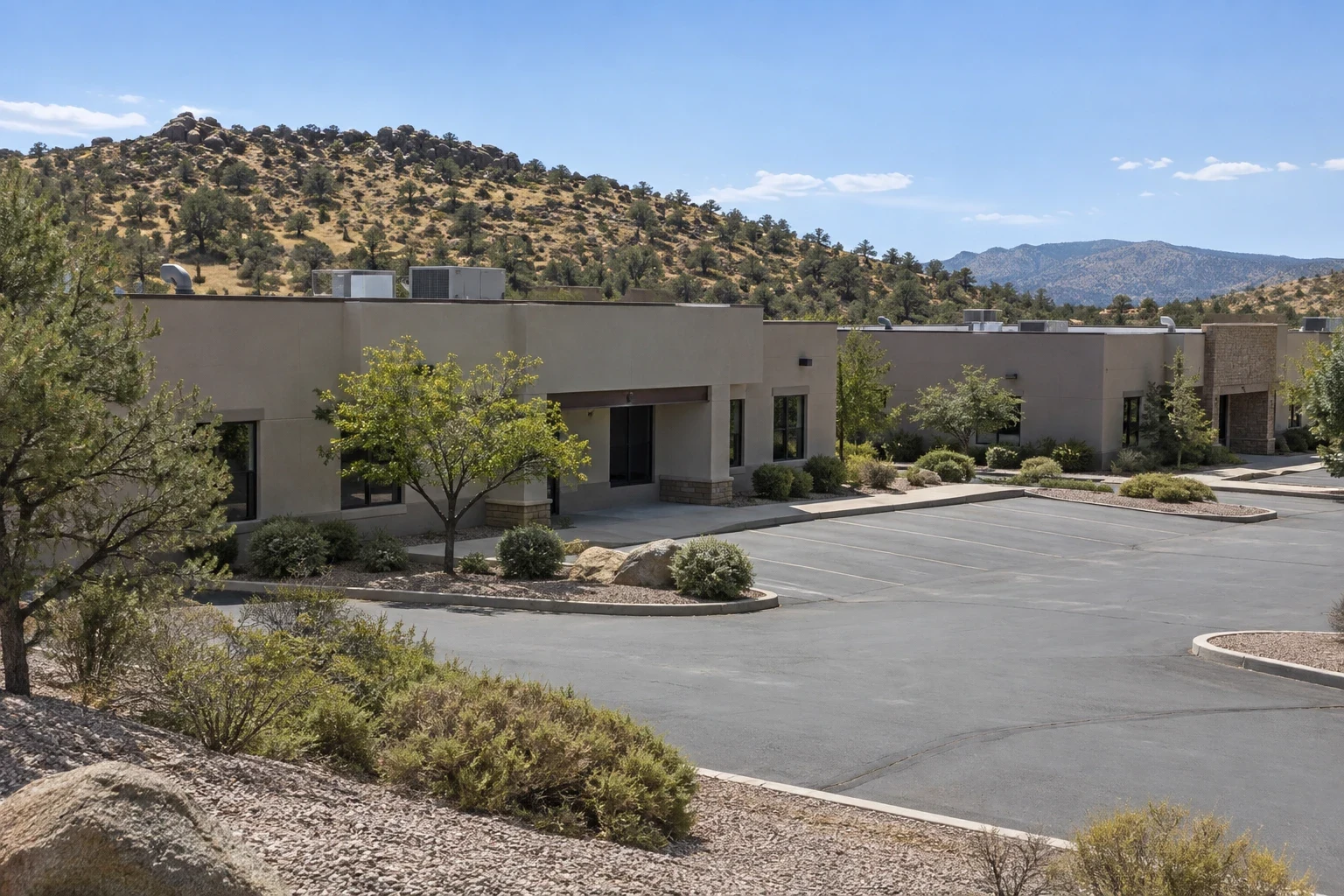
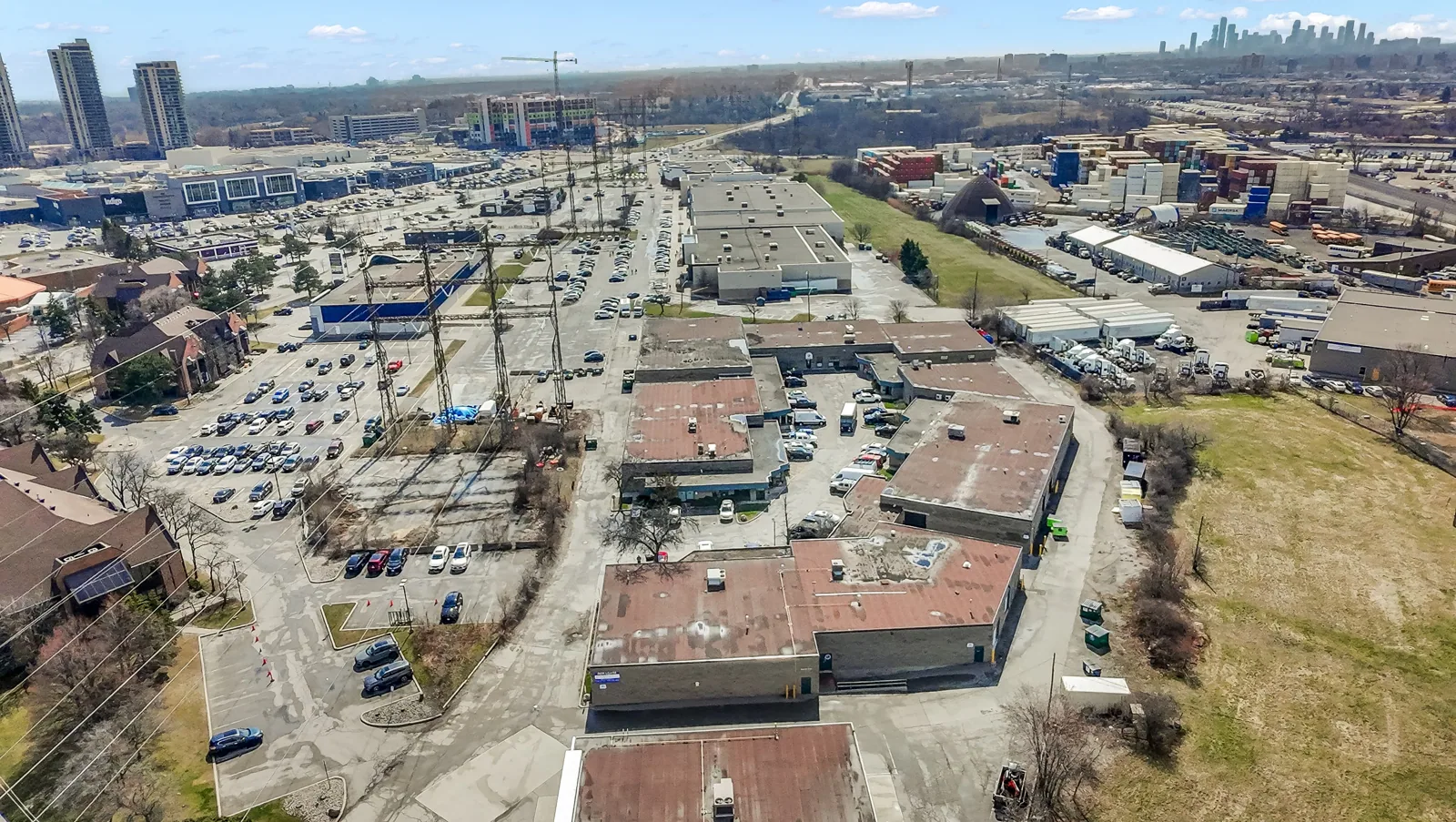
Different buildings need different weight in the program. Low-slope retail at Glassford Hill Marketplace and The Crossroads, including a row of inline shops, puts the closest look on edges and any rooftop units. New industrial lots at Big Sky Business Park are advertised as shovel-ready, and a new roof there still needs a first-year walk, since one blocked scupper can pond a wide space. East-side manufacturers and distributors run production and loading that a leak would interrupt.
In the downtown Entertainment District, large-span assembly roofs sit beside restaurants, a theater and retail, and a leak over public assembly space carries a scheduling cost. A program there schedules walks around events. Owners with several buildings can combine them in a multi-site program with one calendar and one report format.
What Can Wait
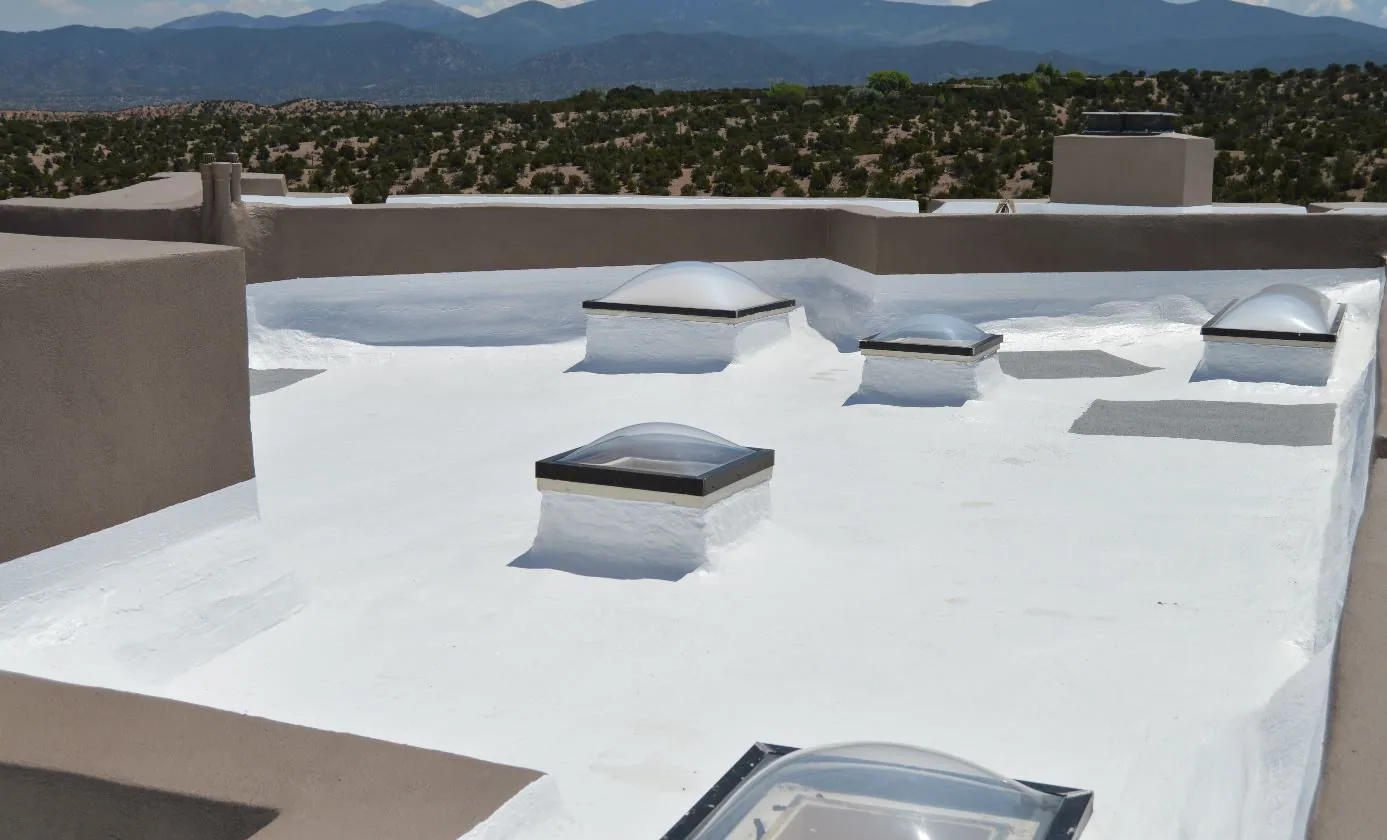
A good program also tells you what not to repair. Cosmetic marks that do not break the surface can wait. A shallow ponding line on a sound membrane can be watched. A faded surface on a dry, sound roof may be a candidate for coating restoration later, and does not need action now.
We keep a watch list in the findings sheet, with dates. If an item changes by the next walk, it moves to the repair list. That way the owner spends money on what changed, not on what looks old. The records also feed the roof asset record, which tracks condition over years.
Cost stays predictable this way: visits are scheduled ahead, and the repairs they trigger are small. An unplanned storm repair on a neglected roof involves wet insulation, interior damage and an emergency crew. The program does not remove that risk, but it cuts the odds and shortens the list.
Commercial Roofing Questions
How many visits a year does a program include?
Four is the usual set: spring, pre-monsoon, post-monsoon and pre-freeze. A small, simple roof may need only two, before July and before October 21. We set the number after the first walk.
What do I get after each visit?
A written findings sheet with dated photos, a list of what we fixed on the visit and a ranked list of what remains. Each item is marked as a patch or a fix, with the cost of waiting.
Is maintenance worth it on a newer roof?
Yes, and it can help protect a warranty. New roofs still collect debris in drains and still move with thermal swing. The first walks also set a baseline that makes later changes easy to see.
Can maintenance extend the life of an older roof?
Often. Clear drains, sealed flashings and tight seams slow wear. Maintenance cannot rescue wet insulation or a failed deck, and the walks tell us when a roof has reached that point.
What if a storm hits between scheduled visits?
Call for a post-storm walk. A program includes one after any strong cell. We compare the roof with the last photo set and record what changed, which also helps with any claim. The photographs from that walk join the program file, so the claim, if one follows, rests on a dated comparison and not on memory.
Request a Walk-Through
Request a walk-through, and we will send a written findings sheet with photos before any repair is priced.
Request a Roof Assessment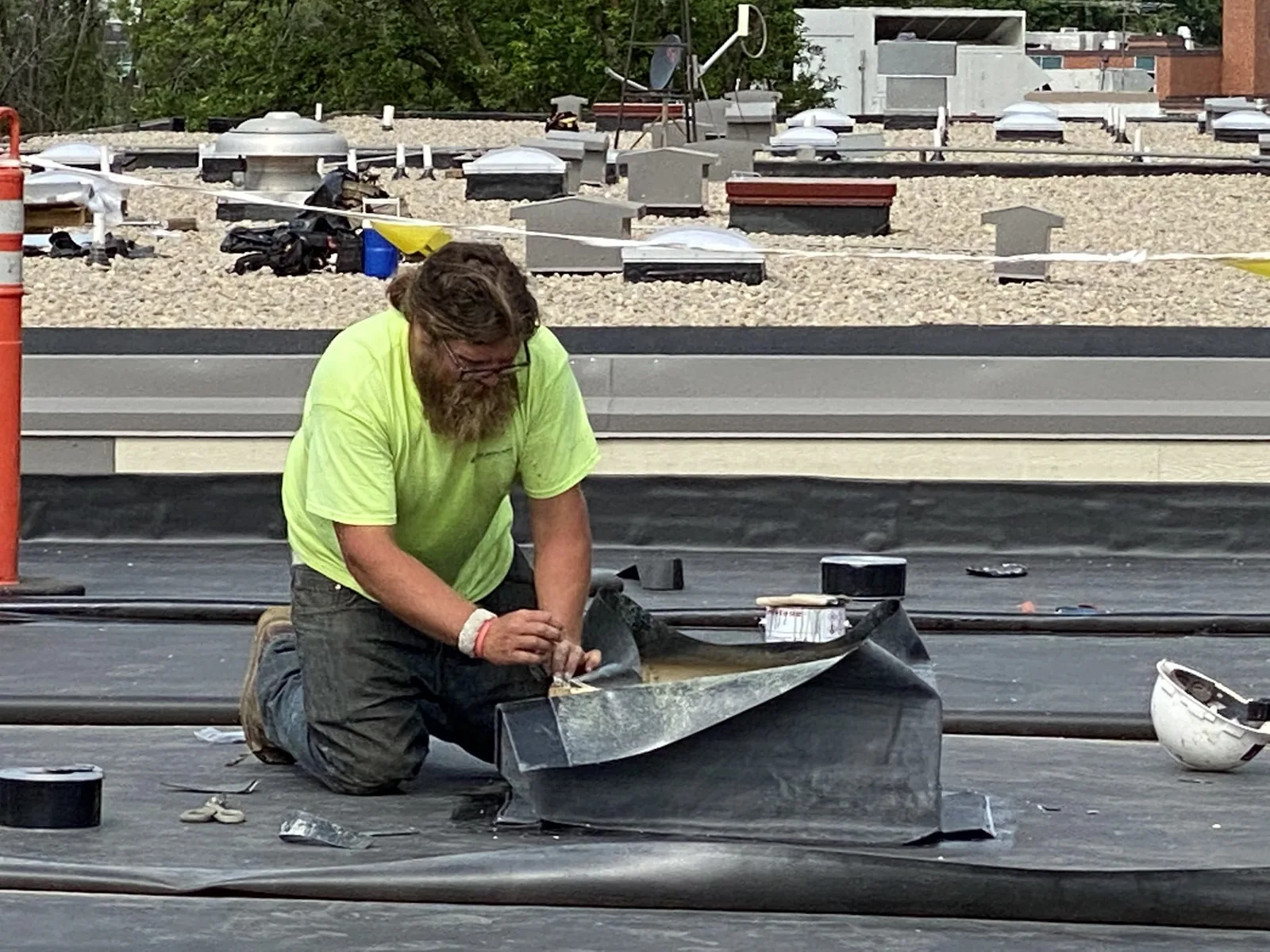
Commercial Roofing Questions
Four is the usual set: spring, pre-monsoon, post-monsoon and pre-freeze. A small, simple roof may need only two, before July and before October 21. We set the number after the first walk.
A written findings sheet with dated photos, a list of what we fixed on the visit and a ranked list of what remains. Each item is marked as a patch or a fix, with the cost of waiting.
Yes, and it can help protect a warranty. New roofs still collect debris in drains and still move with thermal swing. The first walks also set a baseline that makes later changes easy to see.
Often. Clear drains, sealed flashings and tight seams slow wear. Maintenance cannot rescue wet insulation or a failed deck, and the walks tell us when a roof has reached that point.
Call for a post-storm walk. A program includes one after any strong cell. We compare the roof with the last photo set and record what changed, which also helps with any claim. The photographs from that walk join the program file, so the claim, if one follows, rests on a dated comparison and not on memory.