Roof Asset Management in Prescott Valley, AZ
Roof asset management in Prescott Valley, AZ: a roof-by-roof register of condition, age and repairs, built from inspection photos and updated after each storm.
Open the facility file and look for the roof page. If it holds only an invoice and a warranty letter, the roof has no record. There is no photo from three years ago and no count of what is on the deck. That gap is the first finding in roof asset management. A roof you cannot describe is a roof you cannot plan for. In Prescott Valley, AZ, a roof takes freeze, thaw, monsoon wind and hail in one year. Tracking its condition turns those events into a record you can use.
What a roof register holds
A register is a file for each roof. It starts with the basics. Building name, roof area, system type, install year, deck type and insulation. Then it adds condition. A rating from the last walk. Photos of drains, seams, flashings and equipment. A count of penetrations. A list of known defects.
Then it adds history. Every repair, with date, cost and photo. Every storm, with what was found. Every warranty, with its terms and deadlines. The register is the roof's chart. Anyone who picks it up can see where the roof stands and how it got there.
The register can hold cost data too. The cost of each repair. The cost per square foot of the last coating. The invoice for the last cleaning. With cost on file, a manager can see where the money has gone and compare roofs. A roof that has absorbed three repairs in two years is a candidate for restoration, and the numbers show it.
Start with a baseline walk
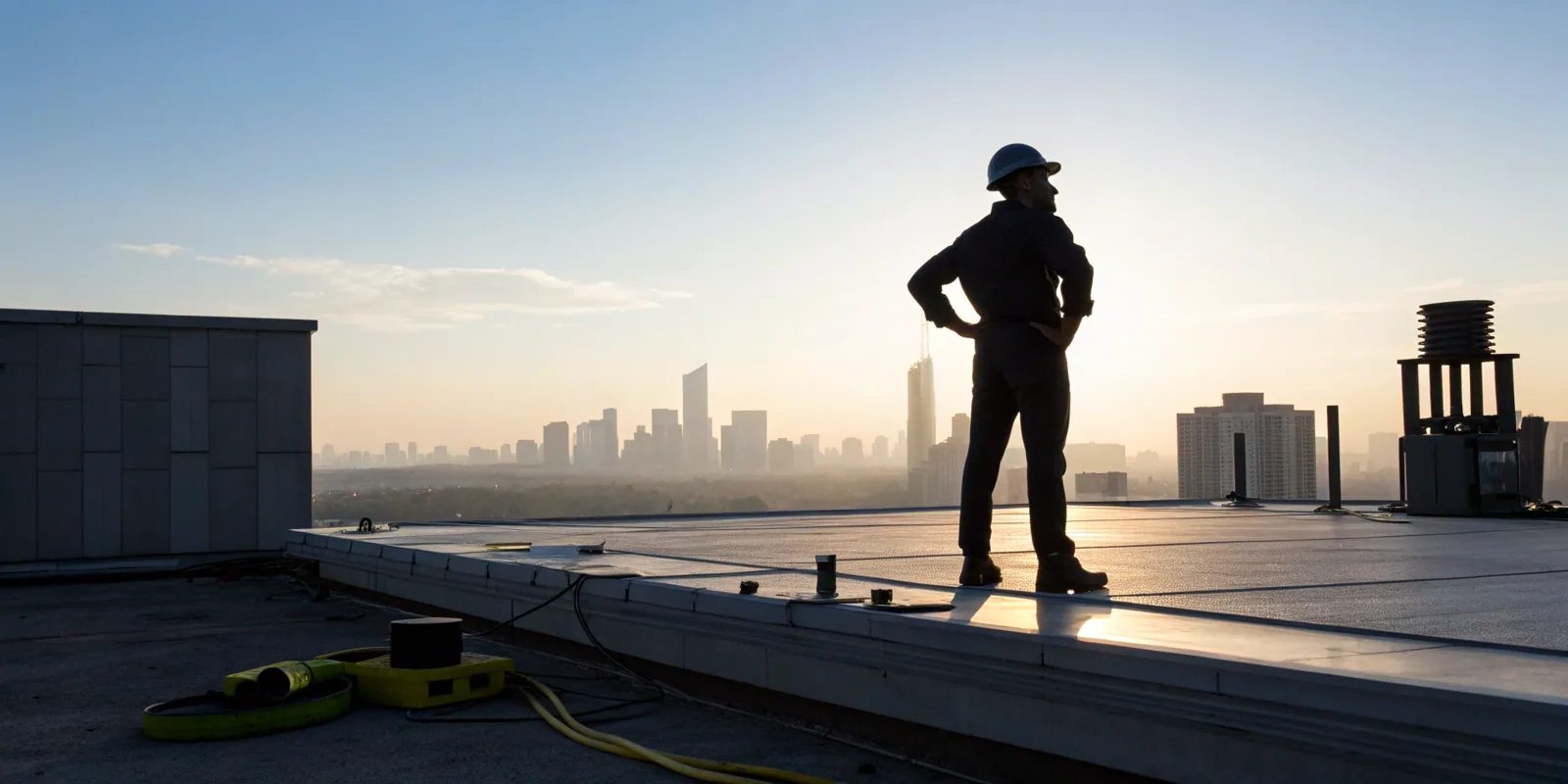
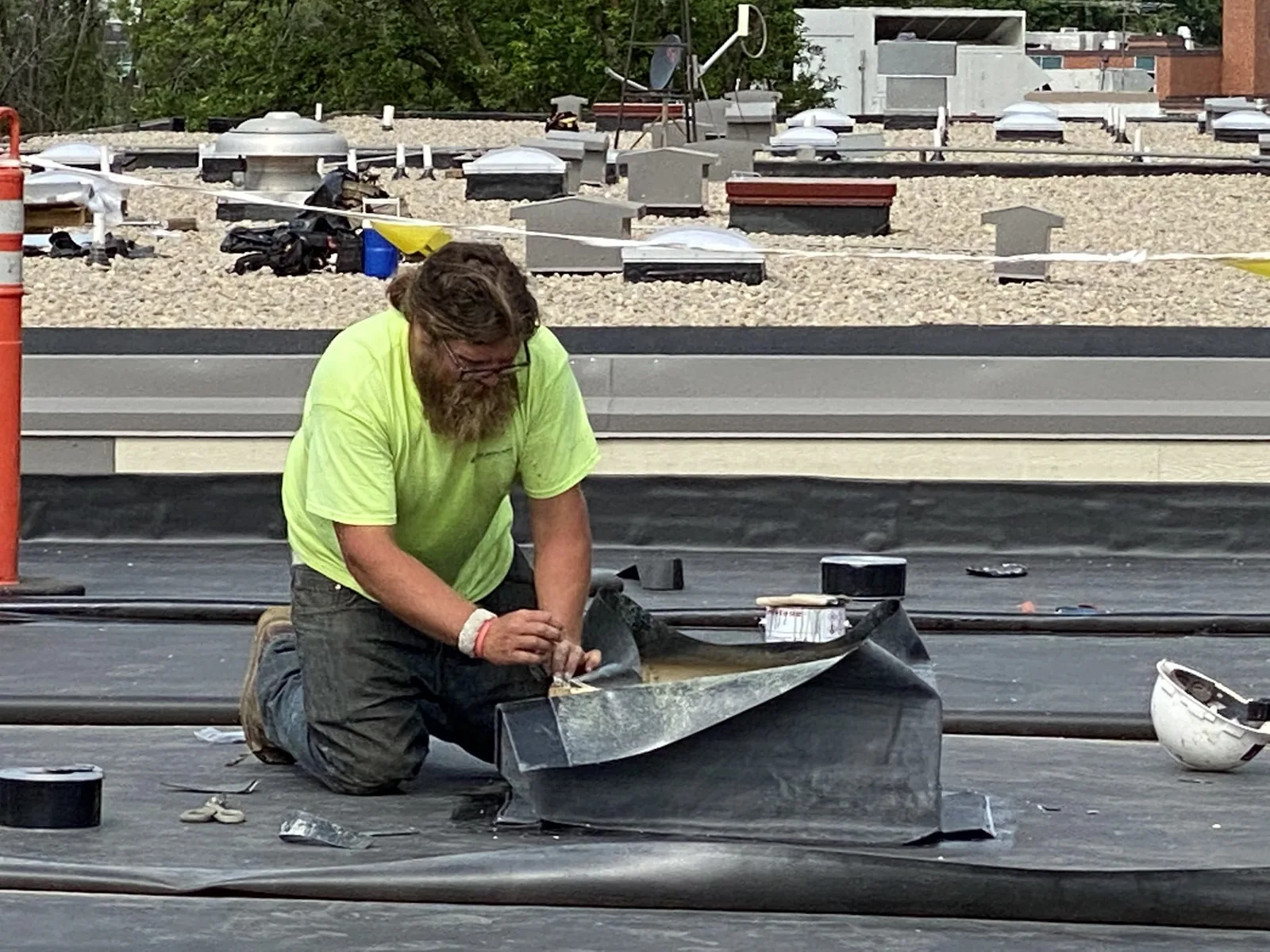
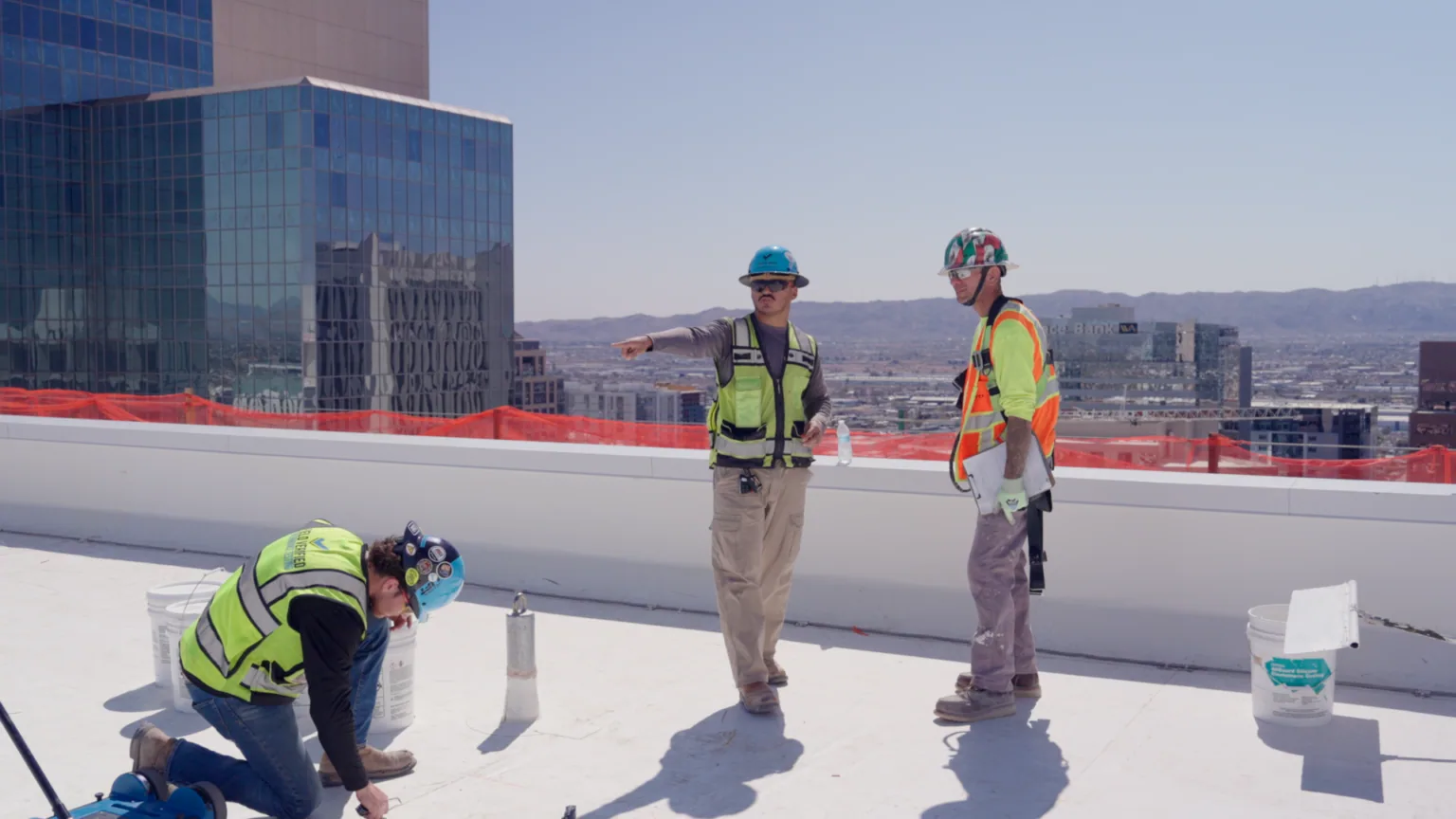
The register begins on the roof. We walk each one in a set order. Drains first. Then edges, walls and equipment. Then the field. We probe seams. We take core cuts where the evidence calls for it. We photograph each finding from a set angle, so next year's photo can be compared to this year's.
The walk produces a condition rating and a findings list. It also produces a first estimate of remaining life, based on what we see, not on the install date alone. The roof condition report carries those results in a form a facility director can read in one sitting.
A drone inspection helps on large roofs. It gives overall views and finds ponding at a glance. It does not replace the walk, since a drone cannot probe a seam. We use it to plan the walk and to record the roof from above in the same frame each year.
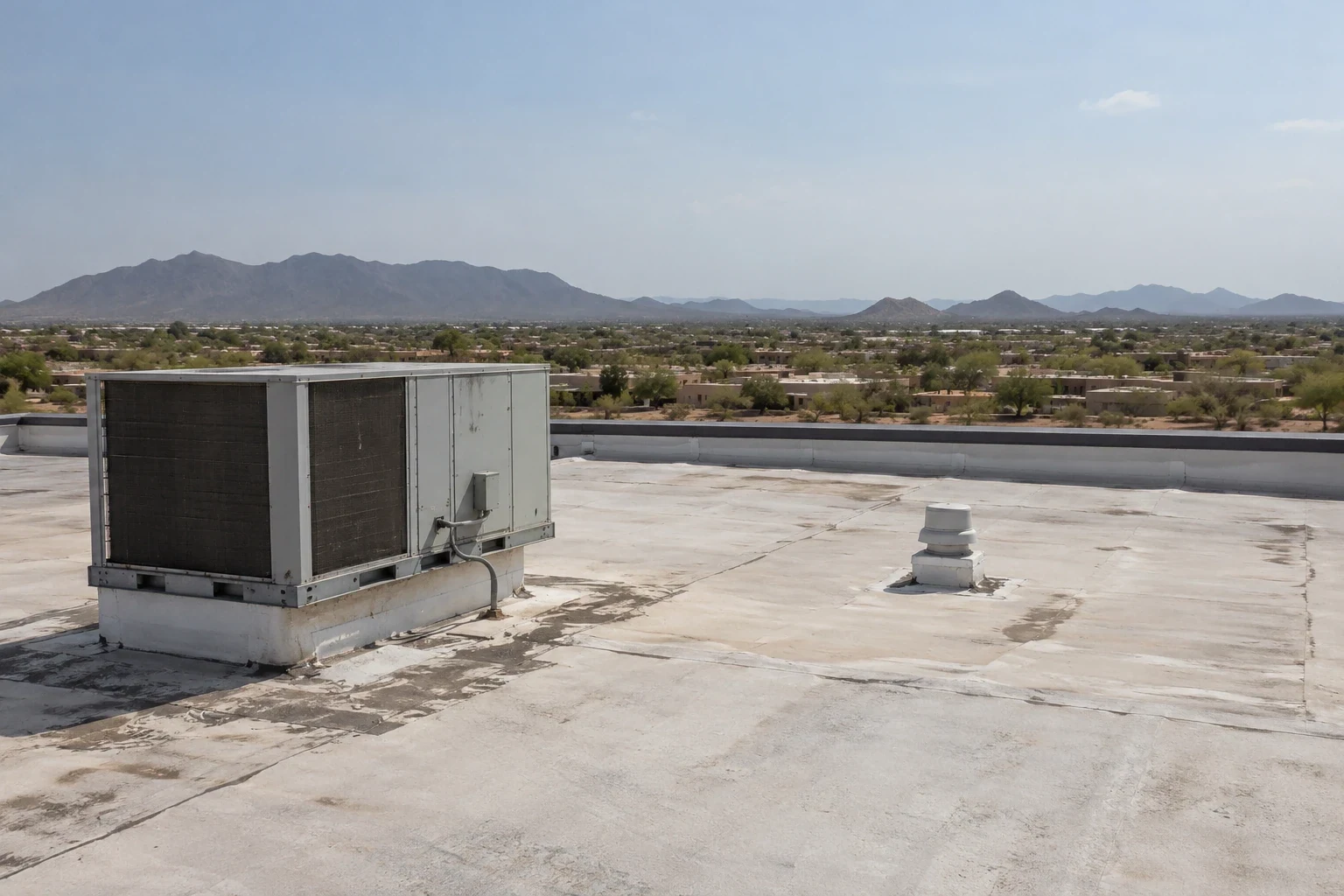
Equipment gets its own list. Every unit, vent, stack and conduit. Each is a place where the roof is cut. The list shows how many openings the roof has and how old each flashing is. When tenants add equipment, the list grows, and the register shows when.
Why climate belongs in the register
Roofs here live at roughly 5,100 feet, where the July to September monsoon delivers most of the area's 15 inches of annual precipitation. Frost holds from late October into May, and Prescott's daily swing averages nearly 30 degrees. These are the forces acting on each roof in the register.
The register tags each roof's exposure. Which side faces the wind. Which areas pond. Which drains clog first. Where drifts form. Over time, these tags explain why one roof wears faster than the one next door. They also help you plan. A roof with a ponding line and a history of clogged drains gets a visit before every monsoon.
Update after every event
A register that is not updated is a snapshot. We update it after each storm and each maintenance visit. A monsoon cell like the one on July 20, 2026, with heavy rain, strong wind and pea-sized hail, gets a quick follow-up on exposed roofs. We record what we found, even if it is nothing. A clean result is useful data.
Each update adds a dated entry. Over a few years the entries show trends. Fastener counts. Seam openings. Coating thinning. Ponding depth. The trend decides when a repair becomes a restoration, and when a restoration becomes a replacement. Our preventive maintenance visits feed the register directly.
Records come from the roof, not from memory. Each visit takes the same photos from the same spots. Each visit probes the same seams. Each visit counts the same drains. Sameness is the point. It lets a change show up as a change.
What the register lets you do
With a register you can rank roofs by need. You can budget by year. You can answer a lender's question about roof condition in minutes. You can show an insurer what the roof looked like before a storm. You can hold a contractor to a defined scope. You can compare bids on equal terms.
It also lets you turn the findings into a capital plan. The register says what each roof needs. The plan says when to pay for it. Owners with several buildings, such as those with property in the retail corridors along SR 69 or on the east side near Big Sky Business Park, gain the most, because one register covers them all.
The register also supports warranty management. Warranty terms sit beside the roof's condition history, and deadlines come up on the calendar. For owners of many buildings, the same structure supports a multi-site roof program that ranks roofs across the whole portfolio.
What to ask for in writing
Ask what fields the register holds. Ask for the photo set, with dates. Ask how the condition rating is scored. Ask how often each roof is revisited. Ask who owns the file and in what format you get it.
Ask what the findings sheet says about the roofs that can wait. A good register shows what does not need work, as well as what does. The sheet reaches you before any repair is priced. You decide what to fund. We keep the record current, and we hand it to you whole.
Ask how photos are named and stored. A clear name, such as the building, the roof section and the date, saves hours later. Ask whether the register can be exported, so that a lender or a new manager can read it without special software.
Commercial Roofing Questions
What does a roof asset management program cost compared with ad hoc repairs?
Cost depends on the number of roofs and their size. The baseline walk is a one-time item. Updates are part of each visit. The value shows up in avoided emergencies and better budget timing. Ask for the baseline price and the update price separately.
Do I need a register for a single building?
A single roof benefits too. It gives you a dated record for a lender, an insurer or a buyer. A one-roof register is short. It still holds the photos, the repair history and the warranty terms in one place.
How do you rate roof condition?
We score drains, seams, flashings, membrane surface, insulation moisture and equipment details on a set scale. The scores combine into one rating, and the sheet lists the reasons. The scale stays fixed from year to year so ratings can be compared.
Can the register include roofs we did not install?
Yes. We survey any roof. We record the system we find and the history you can supply. Where records are missing, a core cut and a moisture scan fill in what is under the surface.
Who gets the data?
You do. The register is your record. We provide it in a format your staff can open, and we can send updates to an asset manager or a lender. Ask for the file format at the start.
Request a baseline walk-through
Ask for a roof walk and we will photograph every finding and rate each roof. You get a written findings sheet with photos before any repair is priced.
Request a Roof Assessment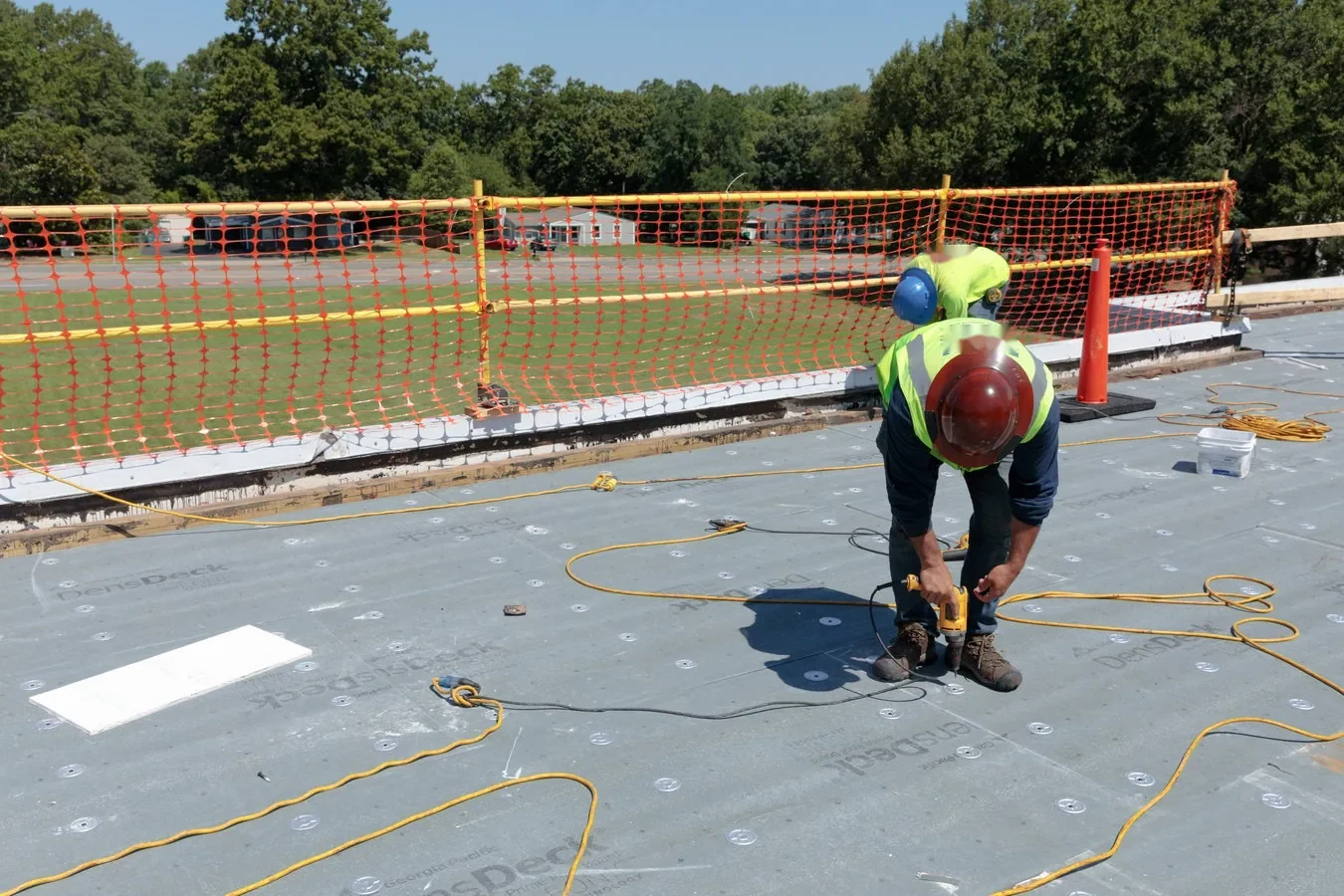
Commercial Roofing Questions
Cost depends on the number of roofs and their size. The baseline walk is a one-time item. Updates are part of each visit. The value shows up in avoided emergencies and better budget timing. Ask for the baseline price and the update price separately.
A single roof benefits too. It gives you a dated record for a lender, an insurer or a buyer. A one-roof register is short. It still holds the photos, the repair history and the warranty terms in one place.
We score drains, seams, flashings, membrane surface, insulation moisture and equipment details on a set scale. The scores combine into one rating, and the sheet lists the reasons. The scale stays fixed from year to year so ratings can be compared.
Yes. We survey any roof. We record the system we find and the history you can supply. Where records are missing, a core cut and a moisture scan fill in what is under the surface.
You do. The register is your record. We provide it in a format your staff can open, and we can send updates to an asset manager or a lender. Ask for the file format at the start.