Roof Capital Planning in Prescott Valley, AZ
Roof capital planning in Prescott Valley, AZ: remaining-life estimates, repair versus restore versus replace, and a multi-year budget from inspection photos.
Ask what the roof will cost in five years. If the answer is a shrug, there is no plan. A capital plan turns inspection findings into dates and dollars. It says which roof is first, which is second and which can wait. Prescott Valley, AZ roofs age by freeze, thaw and monsoon, not only by years. A roof that took a hard hail season may be older in condition than its install date says. The plan follows condition, and it names the evidence.
Estimate remaining life from the roof
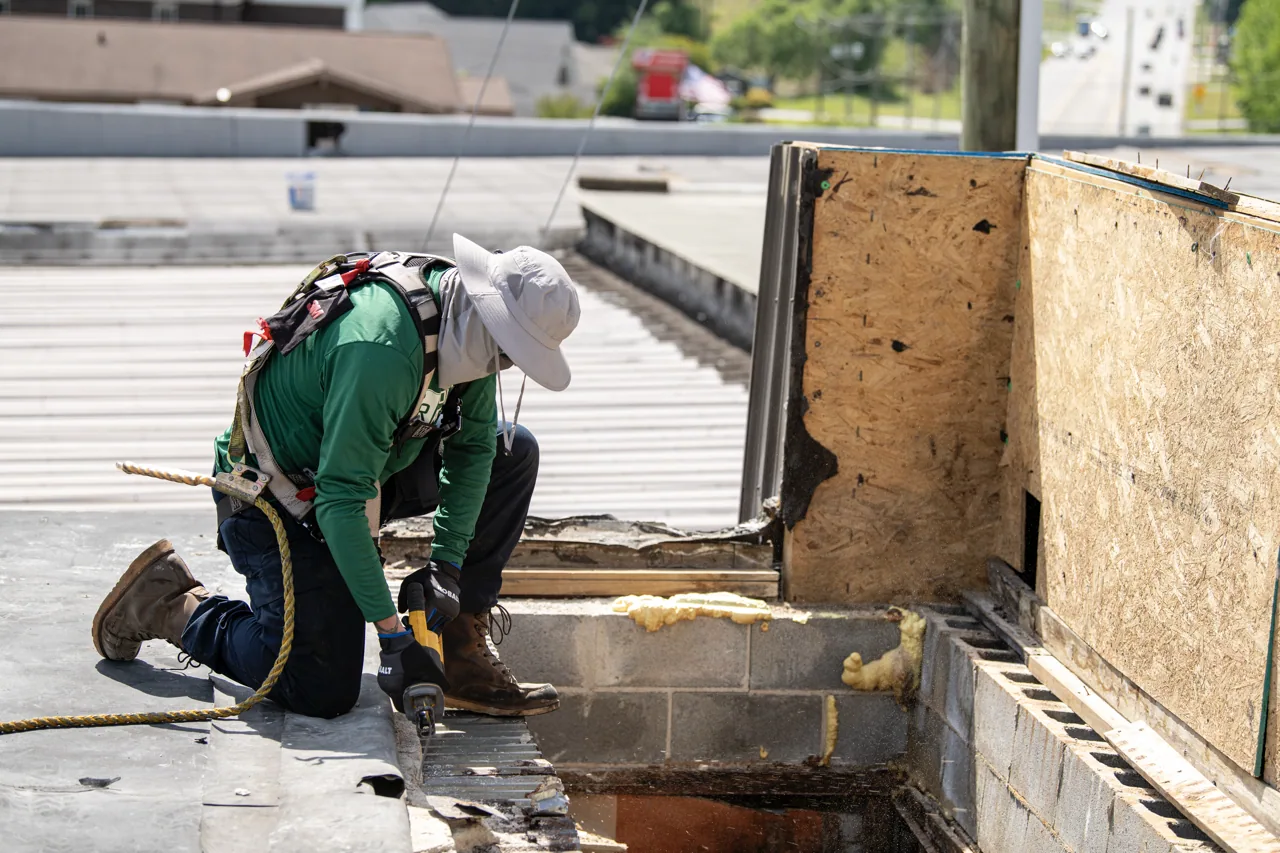
Age is a starting point. Condition is the answer. We walk the roof, probe seams, check flashings and test the insulation. We look at the surface for crazing, chalking and bruising. We note where water ponds. Cores get cut where the evidence points to moisture.
From those findings we estimate remaining life as a range. For example, a roof may have a few years left with repairs, or many years left with a coating. The range states what we cannot see. It tightens when we add moisture data. An infrared moisture survey often moves a roof up or down the list, because wet insulation shortens life quickly.
We also record what shortens life. A ponding line. A run of failed seams. A dark, heat-stiffened sheet. A drain that clogs every season. Each item is a lever. Fix the lever and the range moves out. Leave it and the range moves in. The plan shows the effect of each fix in years, so the owner can see what a cleaning or a flashing rebuild buys.
Repair, restore or replace
Every roof has three paths. Repair what is failing and keep going. Restore with a coating or a recover to extend life. Replace and reset the clock. The plan prices each path and shows what it buys.
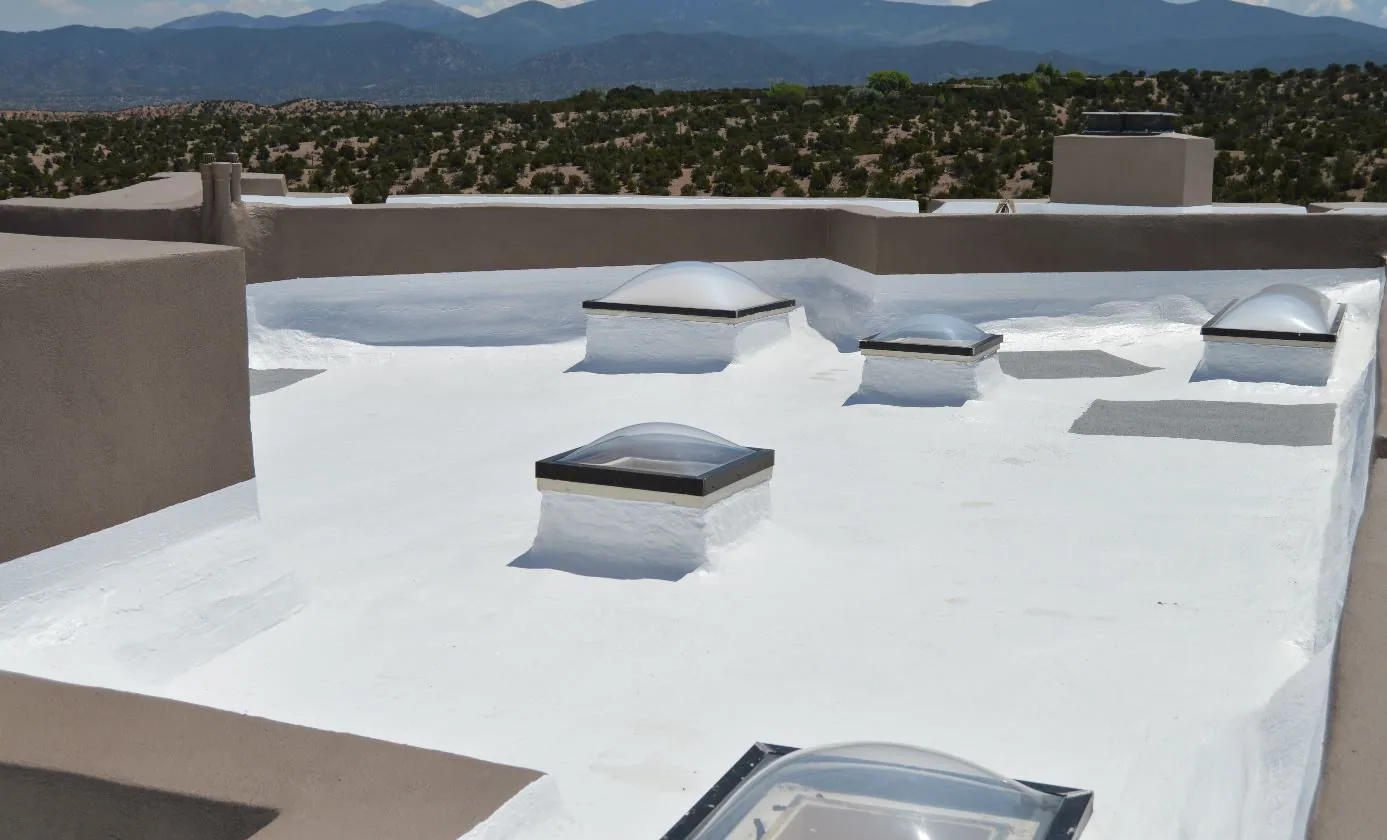
Repair is cheapest now and often costliest over time, if the roof is near its end. Restoration costs more than repair and much less than replacement, and it works only on a sound, dry roof. Replacement costs the most and buys the longest life. Our coating restoration and recover overlay options sit between the two. The findings decide which path fits, and the plan lists the reasons.
The comparison is made over a stretch of years, not one invoice. A repair that costs little this year may repeat each year. A restoration that costs more now may carry the roof to its next replacement date. A replacement may cost the most up front and the least per year of life. The plan adds up each path across the full period, and the lowest number wins only if the roof can hold that path.
What drives the numbers
Cost follows a short list of drivers. Roof area. System type. Condition of the deck and insulation. Access and staging. Equipment that must be lifted or reset. Edge and flashing detail. Weather window.
The weather window matters here. Frost covers late October through the first of May, so many products have narrow application windows. Monsoon season takes July through September. That leaves spring and early autumn as the best weeks. A plan that puts three large projects in the same spring gets crowded. We spread projects across years so crews and materials fit the weather, and the budget does not jump in one year.
Equipment is the cost driver owners overlook. Every rooftop unit that must be lifted for a reroof adds crane time and mechanical coordination. Units with curbs in poor shape add curb work. The plan lists each unit and its effect. A roof with few units is cheaper to replace than the same area with many.
Time the work around the building
Buildings have calendars. Schools have breaks. Retail has holiday seasons. Manufacturing has shutdowns. Hospitals have no pause at all. A good plan puts roof work where the building can take it.
Humboldt Unified School District, one of the town's largest employers, runs on a school year. Its roofs fit summer work, though the monsoon starts in July, so early summer is the safe window. Retail power centers such as Glassford Hill Marketplace and The Crossroads avoid the holiday rush. Medical campuses like Yavapai Regional Medical Center East Campus need phased work with infection control. The plan notes each constraint beside the project.
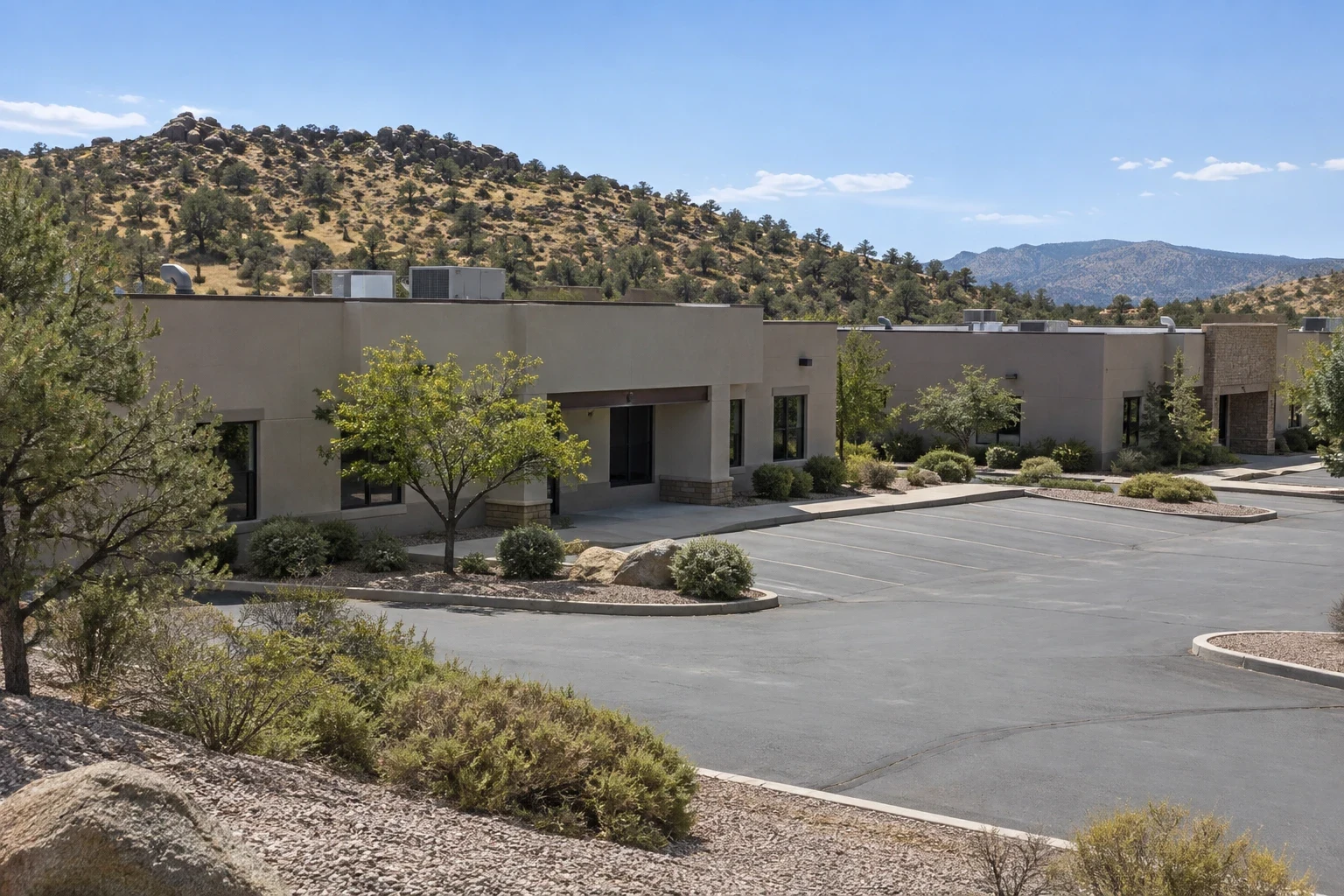
Aerospace, warehouse distribution and manufacturing companies of 10 to 125 employees are the targets of the Prescott Valley Economic Development Foundation. Owners of smaller industrial buildings, including those near Big Sky Business Park, may hold only one or two roofs. For them the plan is short: one page, three rows and a reserve figure that fits a small budget.
Build the reserve schedule
The plan ends in a table. Each roof, its condition, its remaining life, the recommended action, the target year and a cost range. Below it sits a reserve line: how much to set aside each year so the cash is there when a roof comes due.
We update the table after each inspection and storm. A roof that held up well moves down the list. A roof that took damage moves up. The table works with the roof register, which supplies the condition data, and with condition reports, which carry the photos. Owners who need a decision in front of a board or a lender can hand over one page.
Contingency is part of the table. Some roofs hide surprises under the surface. Wet insulation. A soft deck. A second layer under the first. We add a contingency line for those and mark which roofs carry the most uncertainty. After cores and a moisture scan, the line shrinks.
What to ask for in writing
Ask for remaining life as a range, with the evidence. Ask for three paths per roof, each with a cost range. Ask for the year each action is needed. Ask what drives the range. Ask what would move a roof up the list.
Ask how the plan handles storm damage. Ask how often it is updated. The plan arrives before any repair is priced, so the funding decision stays with you. For owners with property near Fain Road or in the Entertainment District, we can tie the plan to each building's schedule.
Commercial Roofing Questions
How far ahead should a roof capital plan look?
Five to ten years is typical. Short plans catch urgent items. Long plans show when major replacements arrive. We update the plan yearly, so the far end stays current as roofs age and storms hit.
Can a plan work if I do not know the roof's age?
Yes. Age matters less than condition. A walk, probe results and a few core cuts tell us what is on the roof and how it is holding. Where records are missing, we note the unknowns and give a wider range.
What if my budget cannot cover the recommended work?
We rank the work. Items that let water in go first. Items that shorten life come second. Cosmetic items come last. The plan shows what happens if an item waits, so the choice is informed. Splitting a large project across two years is sometimes possible.
Does the plan include storm reserves?
It can. We add a line for unplanned repairs, sized from the roof's condition and exposure. Monsoon hail and wind can arrive any summer. A small reserve keeps a storm from disrupting the schedule.
How does a plan help with a lender or a buyer?
It gives them condition, remaining life and funded work in one place. Lenders and buyers ask these questions. A dated plan with photos answers them quickly and reduces the need for a separate survey.
Request a walk-through for a capital plan
Ask for a roof walk and we will photograph every finding and estimate remaining life. You get a written findings sheet with photos before any repair is priced.
Request a Roof Assessment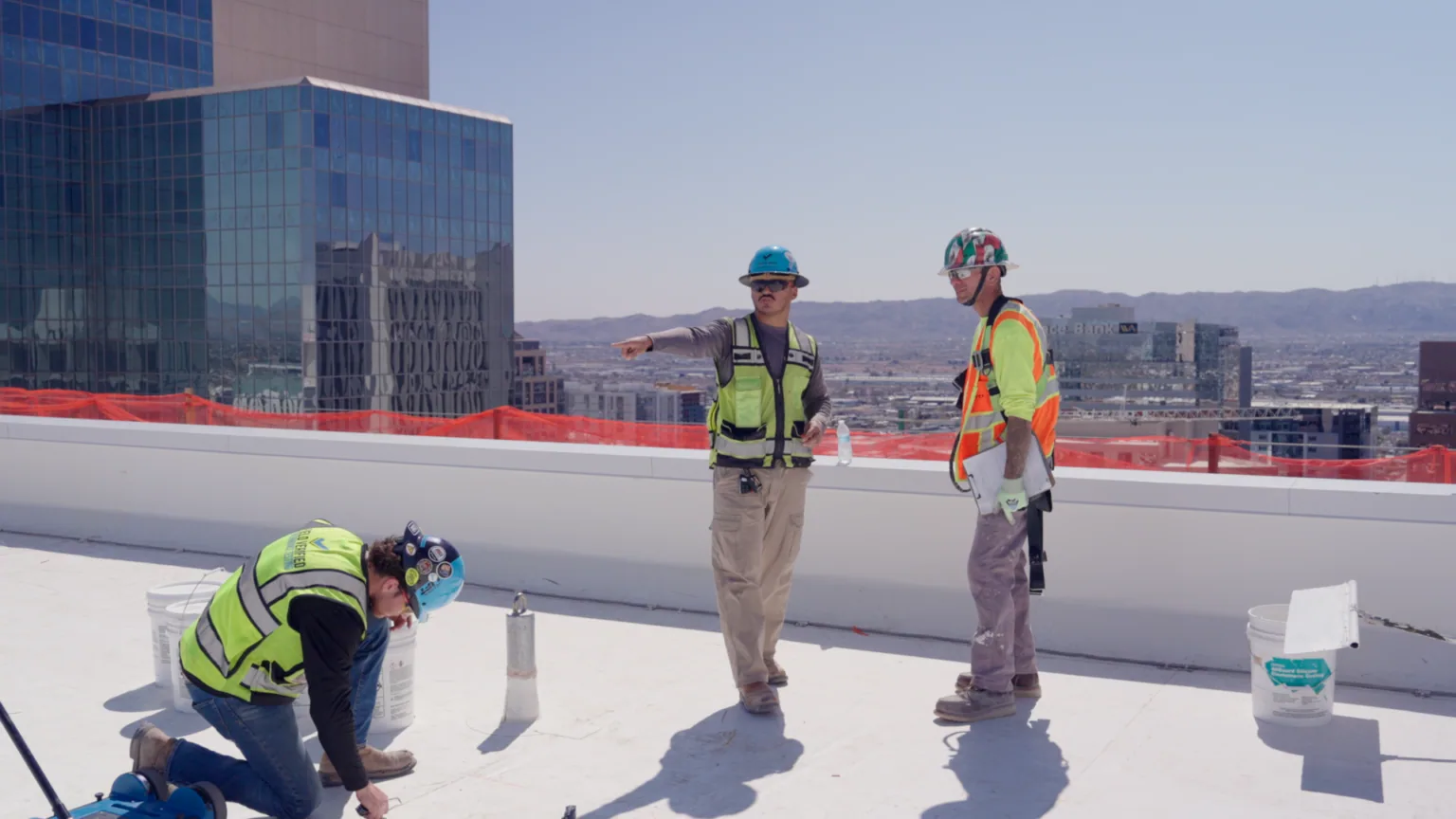
Commercial Roofing Questions
Five to ten years is typical. Short plans catch urgent items. Long plans show when major replacements arrive. We update the plan yearly, so the far end stays current as roofs age and storms hit.
Yes. Age matters less than condition. A walk, probe results and a few core cuts tell us what is on the roof and how it is holding. Where records are missing, we note the unknowns and give a wider range.
We rank the work. Items that let water in go first. Items that shorten life come second. Cosmetic items come last. The plan shows what happens if an item waits, so the choice is informed. Splitting a large project across two years is sometimes possible.
It can. We add a line for unplanned repairs, sized from the roof's condition and exposure. Monsoon hail and wind can arrive any summer. A small reserve keeps a storm from disrupting the schedule.
It gives them condition, remaining life and funded work in one place. Lenders and buyers ask these questions. A dated plan with photos answers them quickly and reduces the need for a separate survey.