
Roof Planning and Records for Building Owners.
Open the roof file for any building you own. Is there a diagram? A photo set from last year? A warranty page with dates? If the answer is no, the next leak starts from zero. In Prescott Valley, AZ, roofs face monsoon cells, hail, freezing mornings and daily swings near 30 degrees. Those forces repeat each year. A record that tracks them turns a repair into a trend line, and a trend line supports a budget.
Every roofing capability
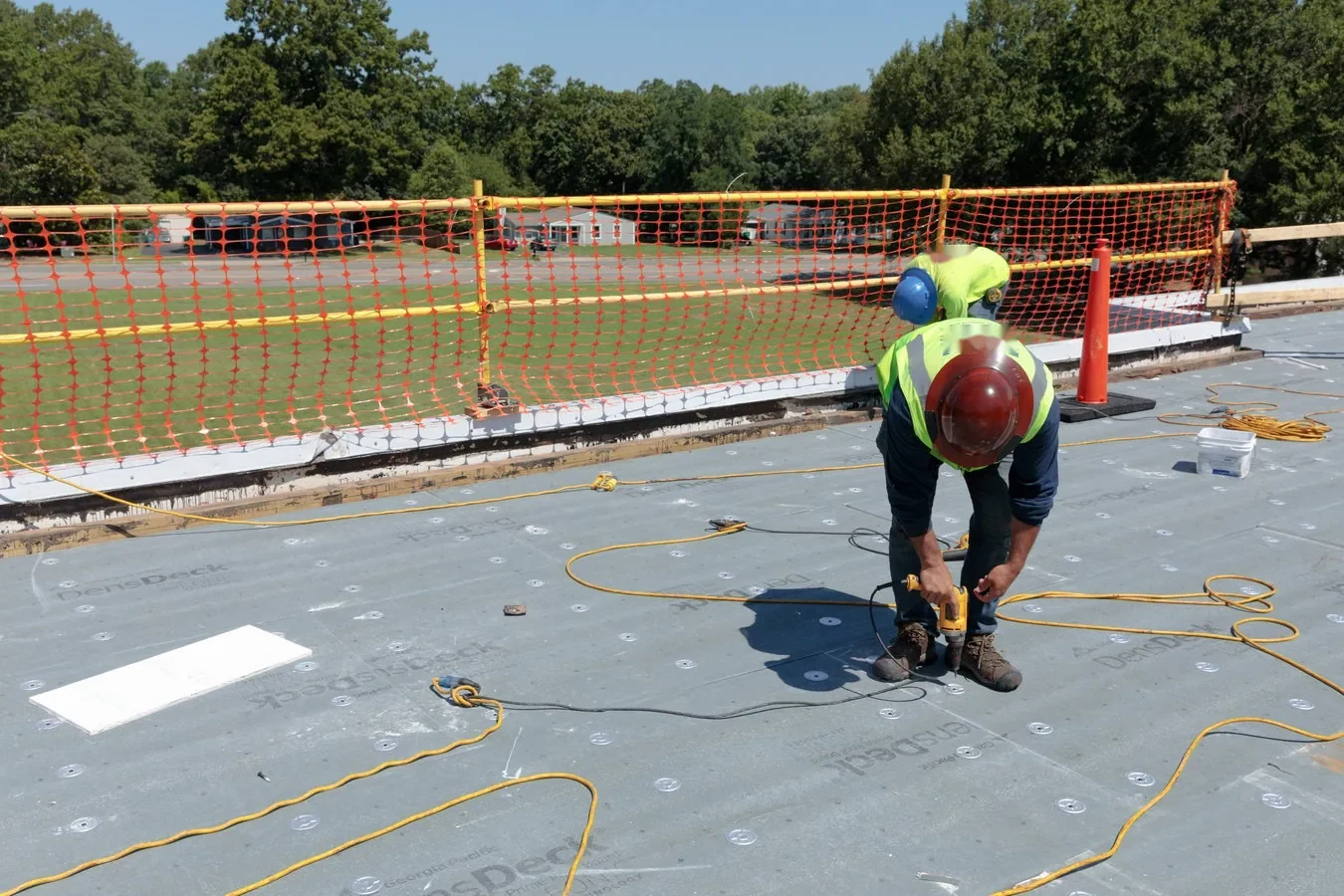
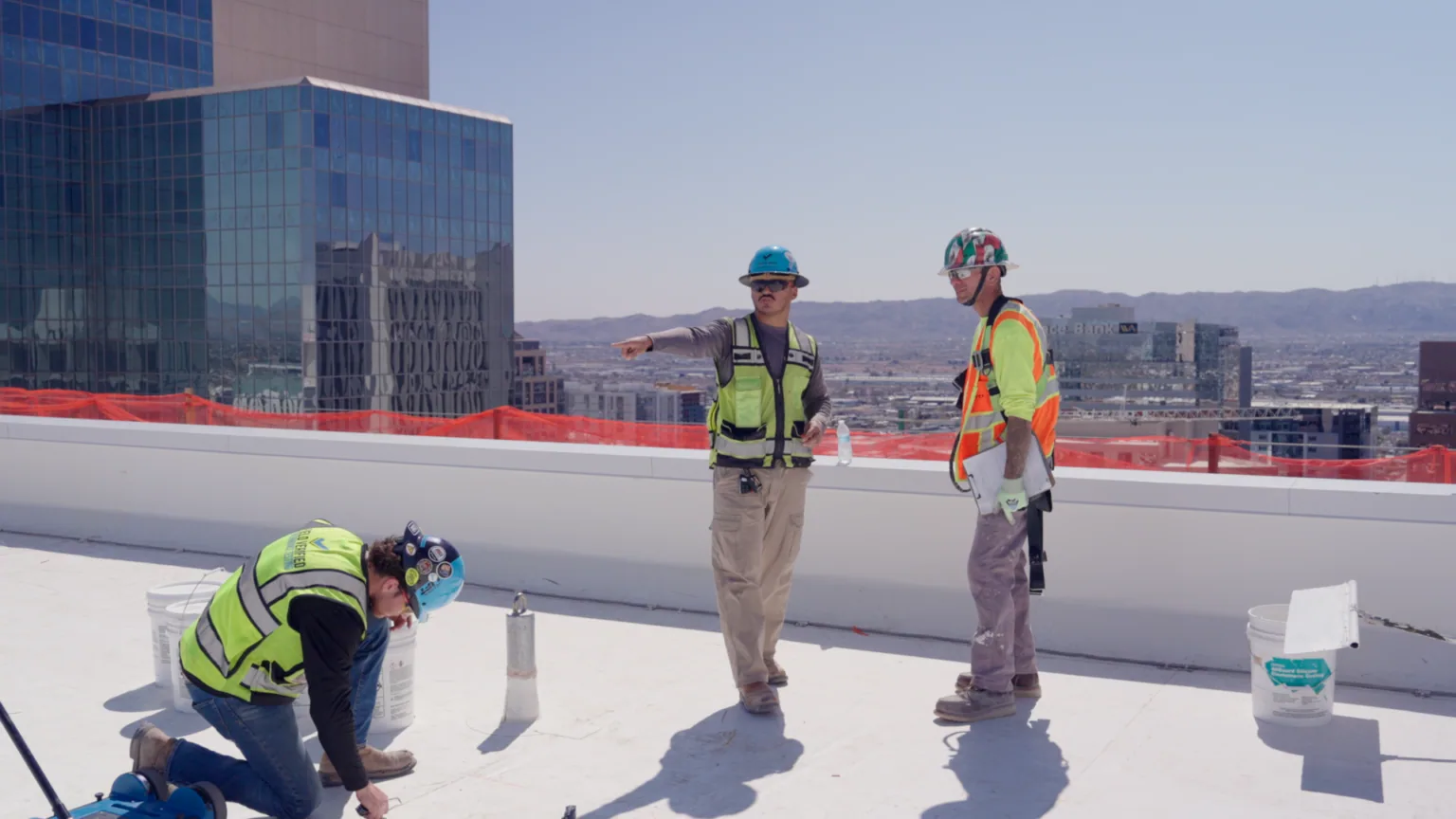
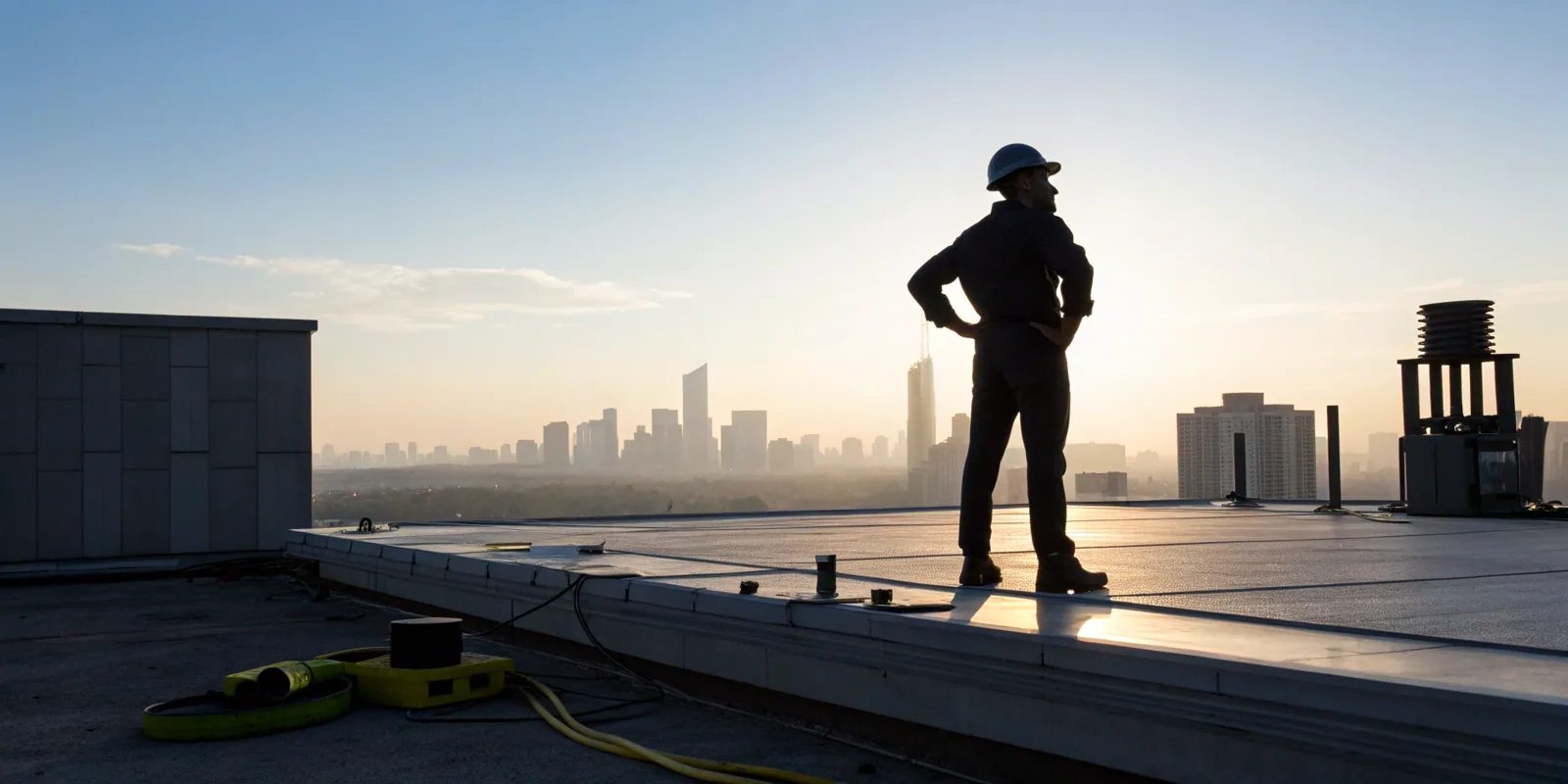
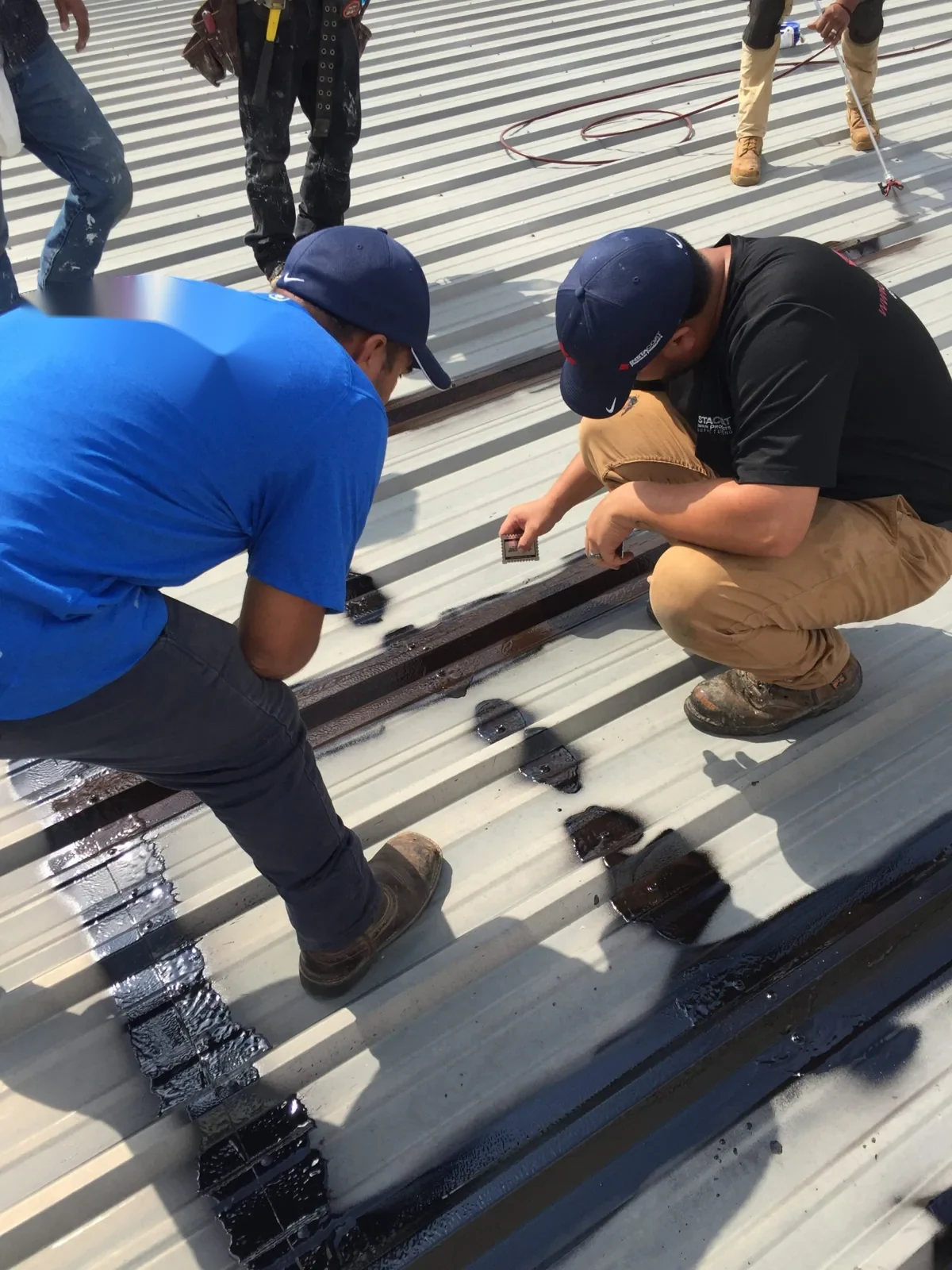
More About Roofing Capabilities
The record itself
Roof asset management lists every roof by section: sheet type, slope, drains, equipment and repair history. Condition reports add photos and rankings from a walk, a seam probe and, where needed, a core cut. The report says what we found, why it happens and what to do next, in plain sentences.
A commercial roof inspection feeds both. Each year's walk adds a page to the file, and a comparison shows what changed.
From findings to budget
Capital planning turns rankings into a schedule of what to fix now, what to fix this year and what can wait. Facility directors use it to ask for money with evidence. Warranty management keeps the papers and the inspection dates together, since many warranties require proof of care.
What a file lets you do
A complete file settles arguments. When a tenant reports a leak, the diagram shows whether that curb was flagged last spring. When an insurer asks about a storm, the photos from before and after answer. When a new manager arrives, the file explains each roof within an hour.
The file also shows trends. A drain that clogs every July points to a tree or a lot nearby. A seam that opens every March points to the winter swing. Trends tell us where one fix saves many.
Buyers, lenders and portfolios
A buyer of a retail center or an industrial building wants to know the roof's condition before closing. Due diligence surveys deliver that within the closing window. Owners with several buildings, perhaps in the State Route 69 corridor and on the east side, use a multi-site program to put every roof on one cycle.
A maintenance visit before each monsoon and after each winter keeps the file current.
Commercial Roofing Questions
What if a roof has no records at all?
The first walk creates them. We record the sheet type, drains and equipment, photograph the findings and note any unknowns as unknown.
How often should a condition report be updated?
Each year, and after any major storm. A yearly walk is short once the baseline exists, and the comparison shows what changed.
Who keeps the warranty file?
The owner holds it. We prepare it, including dated inspection photos and repair notes, and hand it over at closeout.
Can a survey fit a short closing window?
Usually. Field work takes a few days with access, and the written report follows with photos and a ranked list of items.
Request a walk-through
Ask for a roof walk and send any past reports. We will deliver a written findings sheet with photos before any repair is priced.
Request a Roof Assessment