Due Diligence Roof Surveys in Prescott Valley, AZ
Due diligence roof surveys in Prescott Valley, AZ for acquisitions and refinancing: moisture scans, core cuts and a remaining-life range inside the review.
A buyer has a clock. The review period runs for a set number of days. The roof is one line in a long list. A lender wants an answer on it. A seller wants no surprise. The survey has to fit that clock and still find what matters. What matters is wet insulation, open seams, ponding and an end date. Prescott Valley, AZ roofs add weather to the question: monsoon hail, gust fronts and freezing mornings test roofs in different ways. We walk the roof, probe it, scan it and hand over a written findings sheet with photos.
What the survey covers
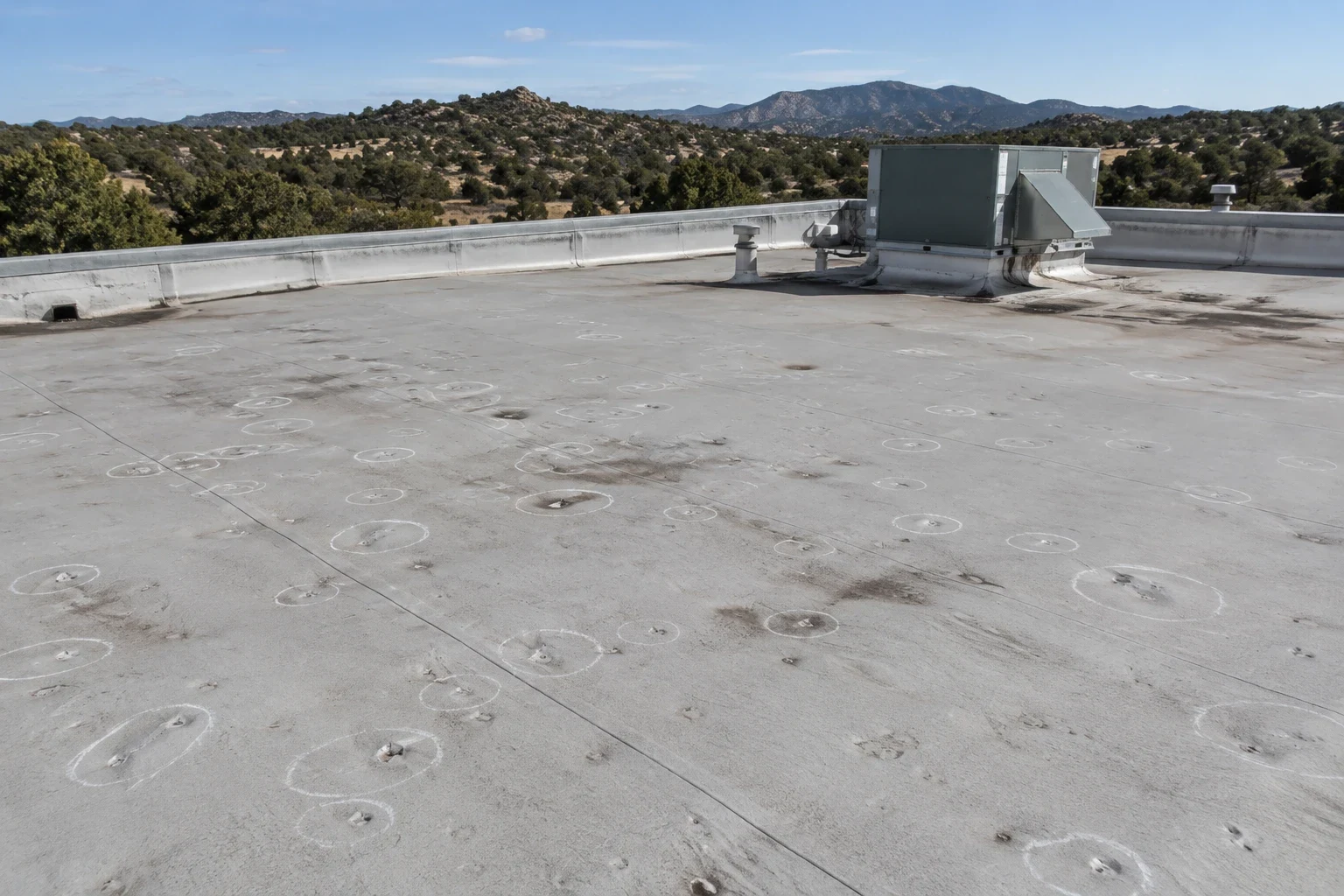
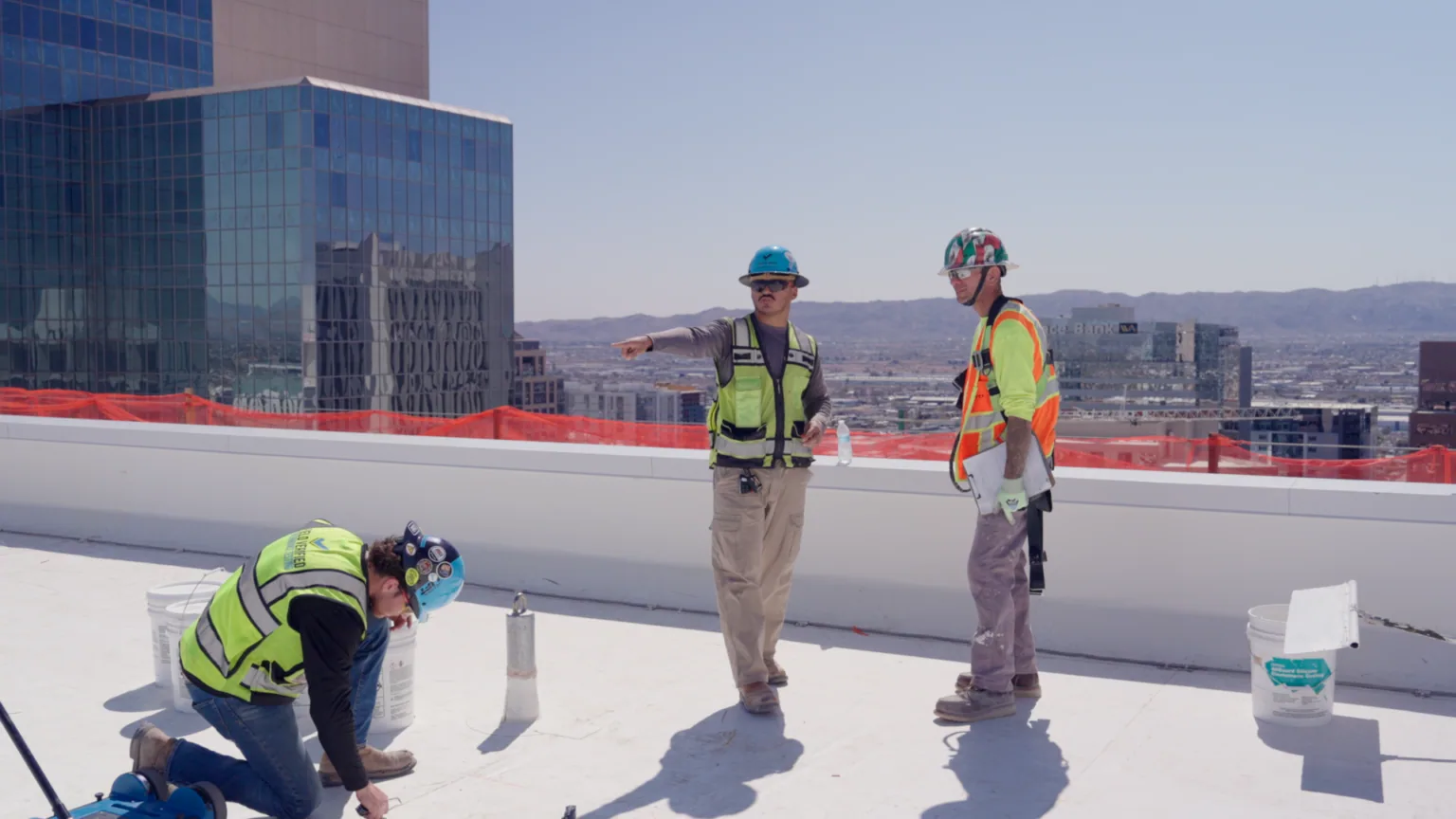
The scope is short and fixed. A walk of the full roof. Photos of drains, edges, walls, equipment and the field. A seam probe on single-ply and bitumen laps. A count of penetrations and a check of their flashings. A look at the deck from below where access allows. A moisture scan. Core cuts at set points.
The output is a report with a plan, a photo set, a condition rating and a remaining-life range. It splits the findings into three groups. Repairs the roof needs now. Capital work expected within the hold period. Items that can wait. The buyer can use it to adjust price, set a reserve or ask the seller to repair before closing.
Drainage gets its own line. We count and test drains and scuppers, record ponding lines and note where water leaves the building. A roof that ponds has a shorter range and a warranty question. Equipment gets a line too. We count rooftop units and note the curb condition at each, since a curb in poor shape adds work to any reroof.
Wet insulation is the big finding
A dry-looking roof can hold a lot of water. Wet insulation does not insulate, and it rots decks. It is the finding that most changes a deal, because the fix is often a large part of a replacement.
We run an infrared moisture survey and confirm with cores. Each core gets a photo, a depth and a note. The report shows the wet area on the plan, with square footage. It says whether the source is active, past or condensation. It prices the cut-out. This is the number a buyer needs before closing, and it is hard to get any other way.
Scan timing matters. Infrared scans work best at dusk on a dry day after sun has heated the roof, because wet insulation holds heat longer than dry. A cold, cloudy or snow-covered roof hides the pattern. If weather blocks the scan, we say so and reschedule inside the review window, or we rely on a denser grid of core cuts.
Remaining life is a range
We do not give one number. We give a range, and we say what it rests on. A roof with sound seams, dry insulation and a clean surface has a long range. A roof with open seams in low spots, ponding and bruising has a short one. The range moves when repairs are made. We show the effect of the repairs so a buyer can see what a cheap fix buys.
Prescott Valley's climate pushes the range down faster than age alone suggests. Daily temperature swings near thirty degrees work seams and flashings. Freezing temperatures typically run from about October 21 through May 1. Hail arrives in monsoon cells. A roof of any age may carry marks from these. The report notes them, and a hail damage pattern gets its own line.
The forecast helps the buyer plan the hold. If the roof is likely to need work in year three, the capital plan shows the cost and the year. The buyer can price it into the offer or set a reserve at closing. A roof that needs nothing for ten years is a different asset from one that needs a coating next summer.
Make it fit the deal
Timing is the hard part. We ask for the review dates at the start. We schedule the walk in the first days. We send a short verbal summary when the walk ends, if any finding calls for fast action, and the full report follows. Access is arranged with the seller or manager. If the roof has multiple levels or limited access, we plan equipment ahead.
The same survey serves a refinance. Lenders ask for roof condition, remaining life and any deferred maintenance. The report answers each. It also pairs with the roof condition report format that many lenders read. Sellers can order a survey before listing. It removes unknowns from the sale and lets the seller fix small items first.
Sharing the report is the client's choice. It is written so that a seller, a buyer or a lender can read it without our help, with plain headings and a glossary of the few terms that need one.
Building types and what we look for
Industrial buildings, such as those at Big Sky Business Park and along Fain Road, have large roofs and rooftop equipment. We check drainage, ponding and the equipment list. Retail centers have many tenant bays. We check flashings, penetrations and tenant-added equipment. Medical and senior-living properties need careful notes on interior risk, since the town has many retirees and a large medical employer in Yavapai Regional Medical Center East Campus.
For each type the survey adds checks that matter. Warehouse and distribution roofs get a drain tally. Retail roofs get a penetration register. Medical roofs get an access and infection-control note. A warehouse roof and a clinic roof are different problems, and the checklist follows the building.
What to ask for in writing
Ask for the scope before the walk. Ask for the delivery date. Ask for a plan with every finding marked. Ask for core cut photos. Ask for the moisture map. Ask for a range of remaining life with its basis. Ask for a priced list of repairs now. Ask for a capital forecast across the hold period.
Ask what the survey could not see. A good report names its limits. The sheet reaches you before any repair is priced, and the decision about price, reserve or repair stays with you.
Commercial Roofing Questions
How long does a due diligence roof survey take?
The field work usually fits in a day for one building. The written report follows within a few days. Large roofs and several buildings take longer. Tell us your review dates at the start, and we will set the schedule to meet them.
Do I need core cuts, or is a scan enough?
A scan shows where moisture may be. Cores prove it. For a deal, we recommend both, because a wrong guess about wet insulation changes the price. Cuts are patched and flashed the same day, so the roof is left watertight.
Can the seller order the survey?
Yes. Seller surveys remove unknowns and let repairs be made before listing. Buyers may still order their own. Our report is written to be read by either party and by a lender.
What if access to the roof is limited?
Tell us early. We can plan lifts or ladders, or use a drone to record areas we cannot reach on foot. The report states what was reached and what was not. Gaps are named, not hidden.
Will the survey include a replacement price?
It includes a cost range for repairs now and for capital work during the hold period. Firm bids come later, once you decide what to fund. The range gives a buyer enough to negotiate and a lender enough to size a reserve.
Send your review dates for a survey schedule
Ask for a roof walk and give us the review window. You get a written findings sheet with photos before any repair is priced.
Request a Roof Assessment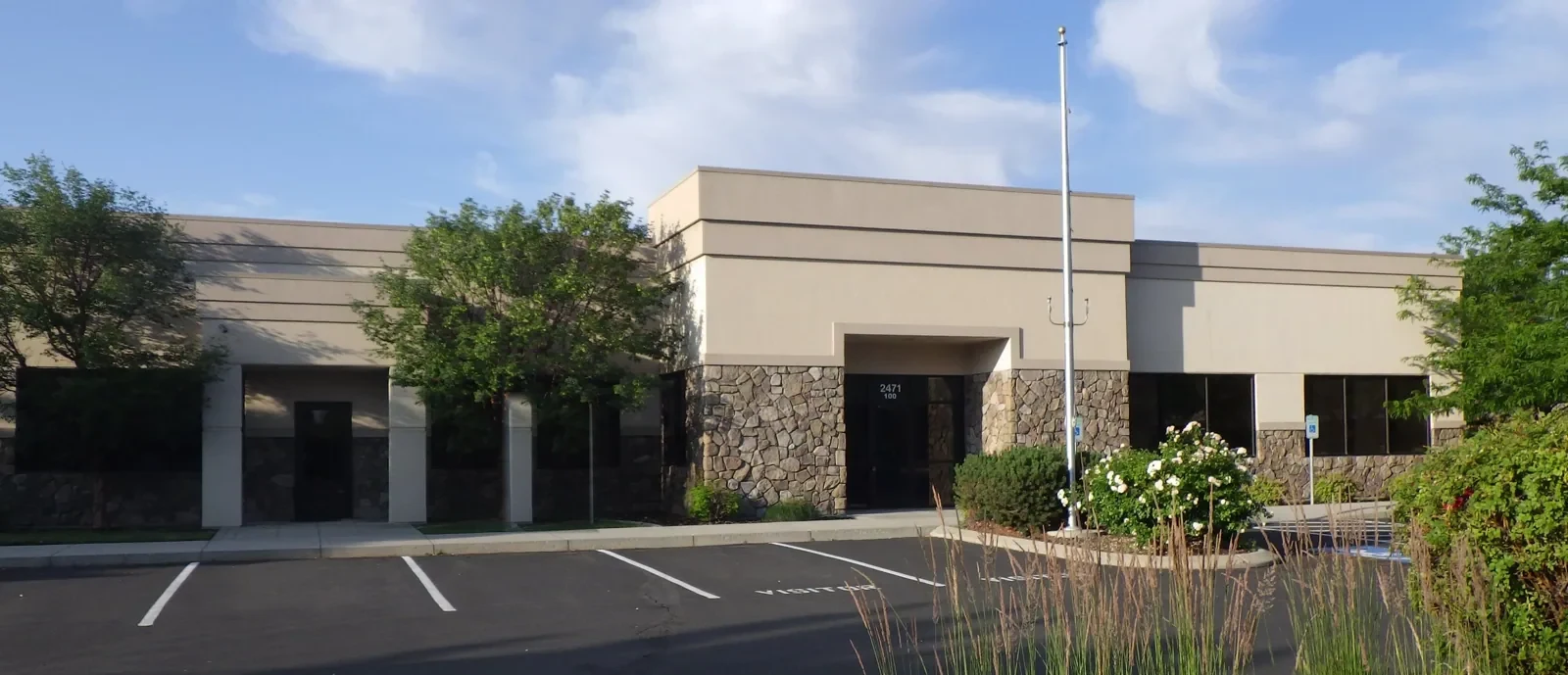
Commercial Roofing Questions
The field work usually fits in a day for one building. The written report follows within a few days. Large roofs and several buildings take longer. Tell us your review dates at the start, and we will set the schedule to meet them.
A scan shows where moisture may be. Cores prove it. For a deal, we recommend both, because a wrong guess about wet insulation changes the price. Cuts are patched and flashed the same day, so the roof is left watertight.
Yes. Seller surveys remove unknowns and let repairs be made before listing. Buyers may still order their own. Our report is written to be read by either party and by a lender.
Tell us early. We can plan lifts or ladders, or use a drone to record areas we cannot reach on foot. The report states what was reached and what was not. Gaps are named, not hidden.
It includes a cost range for repairs now and for capital work during the hold period. Firm bids come later, once you decide what to fund. The range gives a buyer enough to negotiate and a lender enough to size a reserve.