Roofing for School Districts in Prescott Valley, AZ
Roof inspections, summer-break replacement and capital plans for school districts around Prescott Valley, AZ, written for facilities staff and boards.
Start with the gym. It has the biggest roof on most campuses, and it holds the most people on a Friday night. Look at the low corners for dark streaks on the wall. They mark where water spilled over a clogged scupper. Our walk across school roofs in Prescott Valley, AZ starts there, then moves to the classroom wings, the cafeteria and the bus barn. Each finding is photographed, and the written sheet reaches you before pricing.
A facilities director works on a hard calendar. The best roof window is June and July. The worst surprise is a leak in September.
What we find on school roofs
A campus has many roofs. Classroom wings with low-slope roofs. A gym with a long span. A cafeteria with kitchen exhaust. Portables. A bus barn. Each went up in a different year, so each carries its own system and age.
The common findings repeat. Drain screens packed with gravel and leaves. Curb seals dried out on rooftop units. Flashing pulled from parapet walls. Walk routes worn through the surface where maintenance crews cross. Old patches that no longer hold.
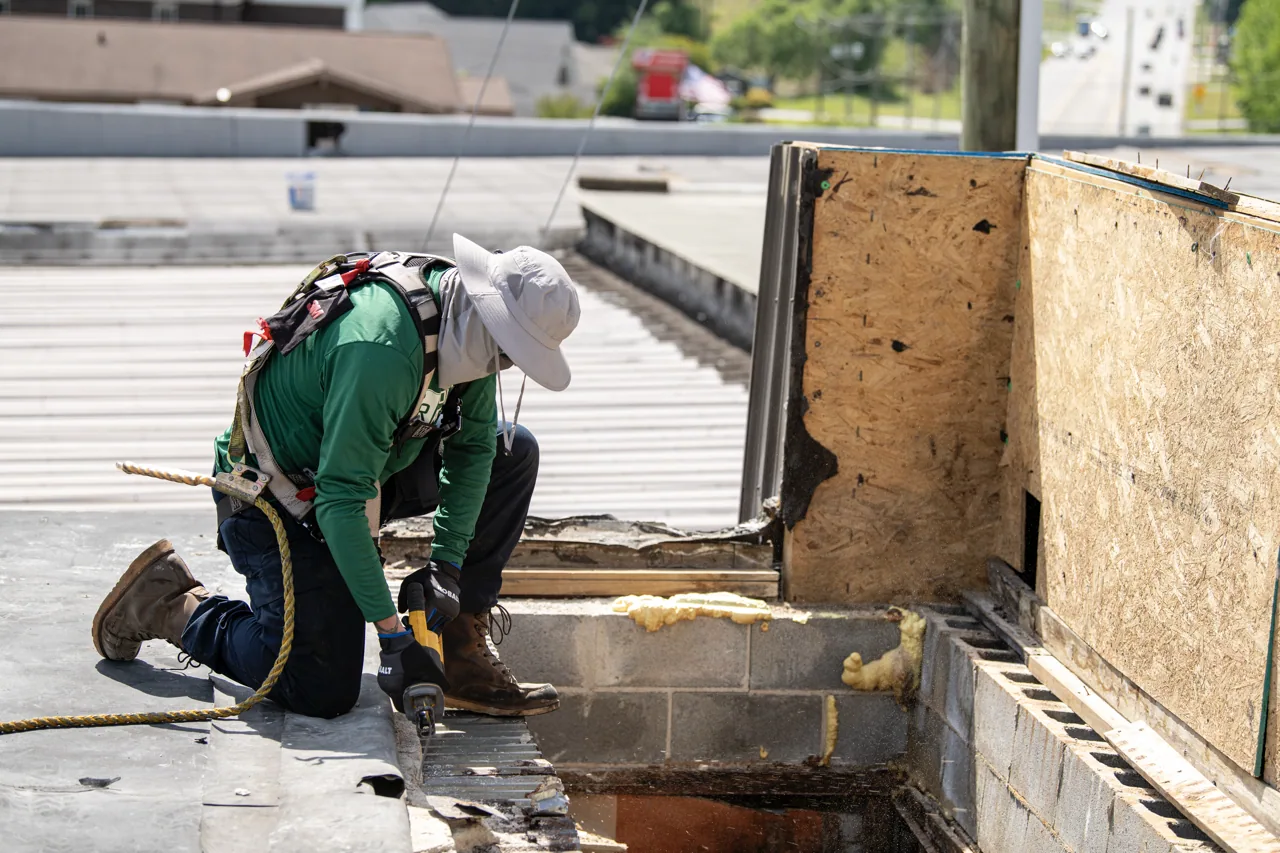
Schools also have people on the roof who are not roofers. An HVAC tech. A telecom installer. A contractor changing a light. Each visit can leave a puncture. We log and photograph those marks, because they point to a need for walk pads and a roof access rule.
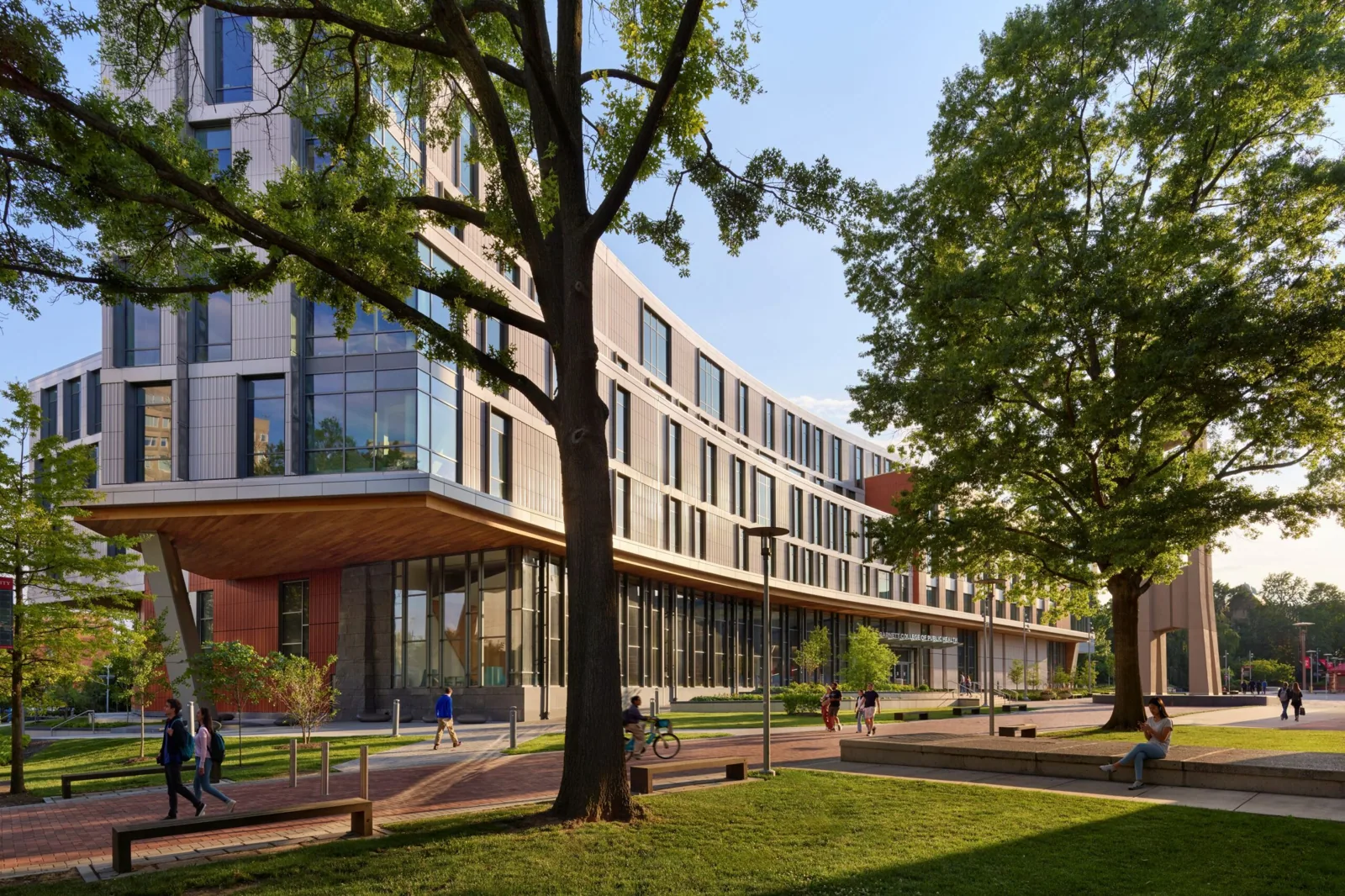
Colleges bring their own mix. Residence halls, labs and sports buildings sit side by side, as on a college campus. Aerospace labs and shops need dry roofs over equipment. We ask which rooms hold instruments, and we plan the sequence so that no open section sits over them overnight.
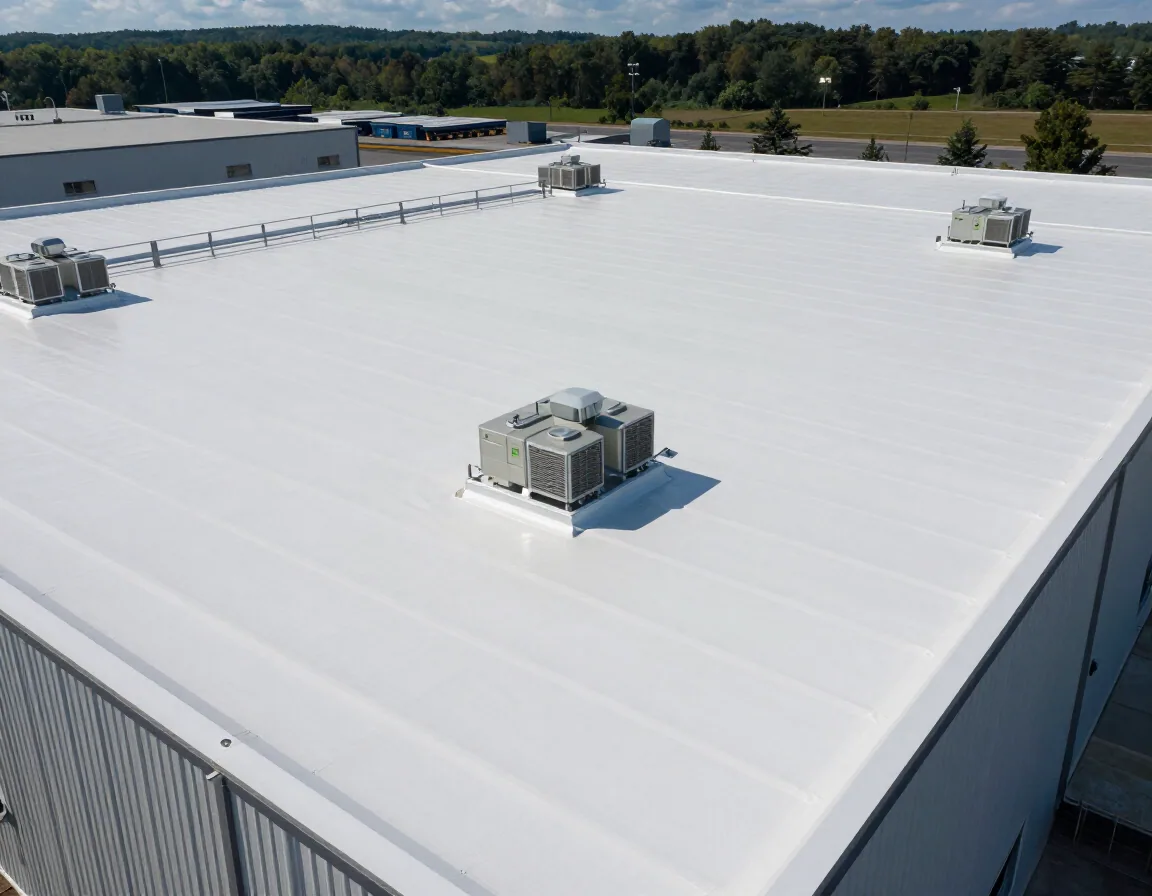
Kitchens deserve a line of their own. Cafeteria exhaust fans put grease on the membrane around them. Grease softens some roofing and holds dirt. We clean the surface, check for soft spots and add a grease-resistant pad where the wear shows.
Districts around Prescott Valley
Humboldt Unified School District is one of Prescott Valley's largest employers. Yavapai College employs about 1,290 people in the Prescott area, and Embry-Riddle's Prescott campus dates to 1978 and sits on 539 acres, with aerospace labs and some 2,000 students.
Nearby towns bring other districts. Most of Paulden falls in the Chino Valley Unified School District, and Chino Valley, about fifteen miles north of Prescott, has a Yavapai College campus. The same plan applies in Chino Valley.
Each district runs its own budget cycle and its own rules. We write the sheet so it fits any of them. It has a location, a photo, a repair method and a price for each item.
What monsoon and freeze do
Prescott Valley collects about 15 inches of precipitation a year, mostly in July and August, and school is out for part of that time. A roof with a hidden leak sits through a monsoon with nobody in the building. In August, the stain shows on the first day back.
We recommend a September and an April walk. September, right after the monsoon, shows what the storms did. April, right after the freeze, shows what winter did. Freezing mornings start near October 21 and persist to May 1, and daily swings reach nearly thirty degrees. Seams and flashings move with each cycle.
Hail matters. Pea-sized hail bruises soft membranes. When the July 20, 2026 cell crossed town, hail and heavy rain came with a power failure for more than 130 APS customers. Once a hail event ends, the surface is pressed and each bruise photographed.
Fitting a reroof into summer break
Summer break is short. A replacement that starts in June can finish in July if the scope is tight and materials are ordered early. A district-wide program takes planning.
We split a program into packages. Each package fits inside the break. A few big roofs, or many small ones, never so many that one delay breaks the rest. Each package has its own dry-in date, its own delivery and its own named supervisor.
Monsoon cells arrive in July. So each opened section is dried in the same day. We watch the forecast and stage covers on the roof. If a replacement slips past the first day of school, noisy work has a hard stop well before the bell. A roof recover over a sound old roof can save a week of tear-off, but only when the insulation is dry. A core cut tells us. Larger jobs go to replacement.
Cold mornings in late spring and early fall can slow adhesives. We check the forecast and the surface temperature before we start each day. If a section cannot cure, we hold it and move to another.
What to repair now, and what can wait
Repair now: active leaks over classrooms, gyms and kitchens, open seams, drains packed before monsoon, lifted edge metal. These let water onto floors and equipment.
Repair soon: worn pipe boots, dry sealant, unprotected cable runs, walk routes without pads.
Can wait: surface wear on a sound membrane, light staining, small blisters. We list them and note when to look again.
The split gives a board something to approve. The first list can go in this year's budget. The second list can go in next year's. A roof capital plan then spreads replacements over several years, so the district does not face five failures at once. Our preventive maintenance visits each fall and spring keep the first list short.
What to ask for in writing
Each campus needs a findings sheet with photographs and a plan view of the roof, quantity-based prices, a list of exclusions and a note on what the work does to any warranty.
Ask for a calendar. The plan should list dates, hours, noisy steps and areas fenced off from students. It should name the person who answers the phone.
Ask about records. Public districts face audits. Before and after photos, material data and warranty papers go into one binder per building. Districts that bid through public agency rules need quantities that compare line by line, and a roof inside a larger renovation needs a schedule shared with the general contractor.
Commercial Roofing Questions
How early should a district plan a summer reroof?
Start in the fall before. Walk the roofs in September and April, finish the findings by winter and bid in spring. That leaves time to order materials, which can run long. A scope that is ready by April has the best chance of finishing in the break.
Can roof work happen while students are on campus?
Yes, on buildings away from the work. We fence the area, keep noisy steps outside class hours and route material away from entries and play areas. The plan lists which buildings are in use and which hours are blocked.
What happens when a leak hits during the school year?
Phone the emergency line. In most cases a crew sets a temporary dry-in the same day, protects the room, photographs the damage and traces the cause. The permanent repair waits for a break, and the temporary work gets its own price line.
Do portables need the same inspection as main buildings?
They need their own look. Portables often have small roofs with a few penetrations and little slope. We check seams, flashing and drains. We also check where the portable meets the ground, since water can come up from below.
What records support a bond or grant audit?
Before and after photos, a roof plan, quantities, material data, warranty papers and completion notes. We deliver one binder per building. Auditors tend to look for exactly that set.
Request a walk-through
Ask for a walk-through of your campus roofs. We will send a written findings sheet with photos before we price any repair, and we will plan the work around your school calendar.
Request a Roof Assessment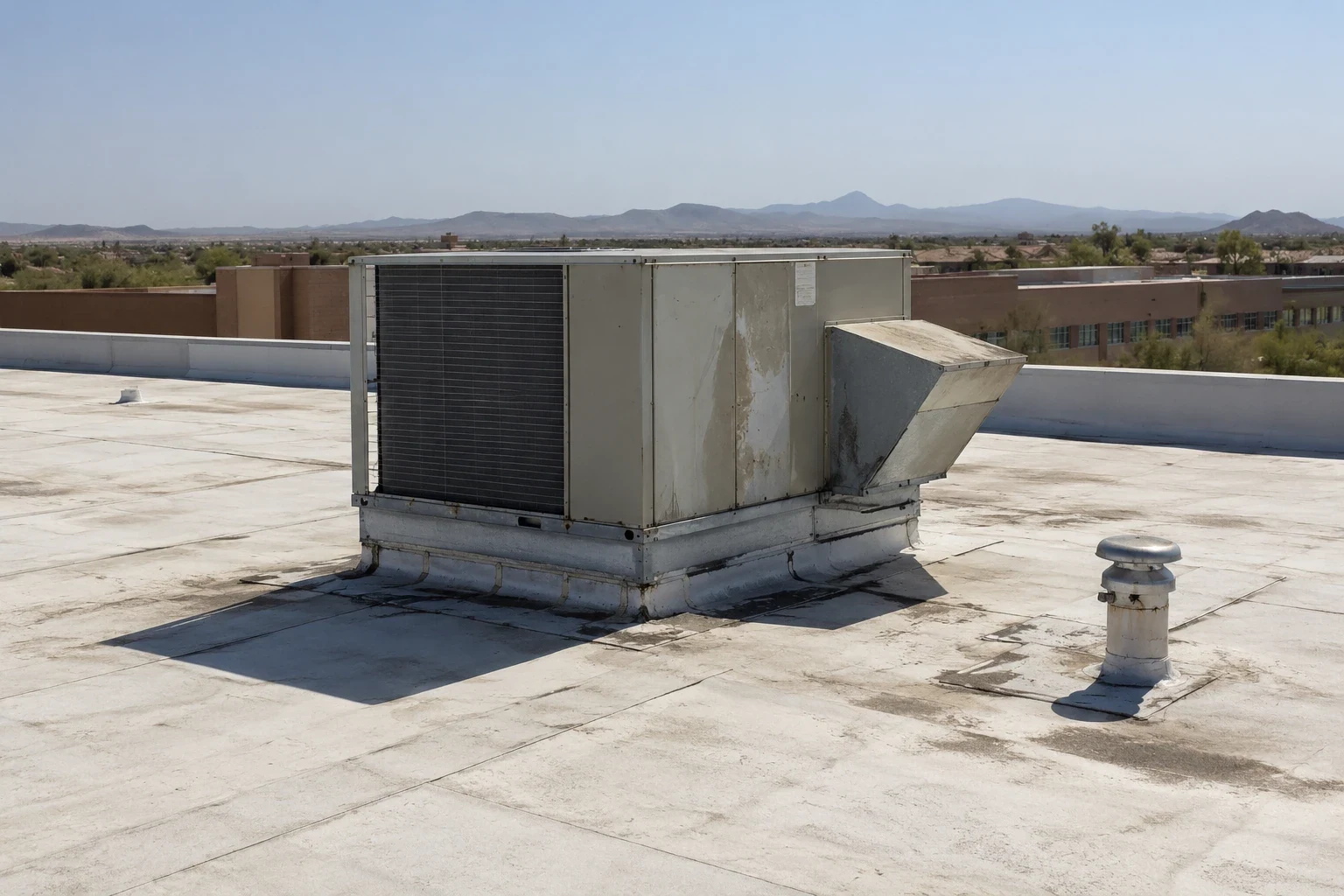
Commercial Roofing Questions
Start in the fall before. Walk the roofs in September and April, finish the findings by winter and bid in spring. That leaves time to order materials, which can run long. A scope that is ready by April has the best chance of finishing in the break.
Yes, on buildings away from the work. We fence the area, keep noisy steps outside class hours and route material away from entries and play areas. The plan lists which buildings are in use and which hours are blocked.
Phone the emergency line. In most cases a crew sets a temporary dry-in the same day, protects the room, photographs the damage and traces the cause. The permanent repair waits for a break, and the temporary work gets its own price line.
They need their own look. Portables often have small roofs with a few penetrations and little slope. We check seams, flashing and drains. We also check where the portable meets the ground, since water can come up from below.
Before and after photos, a roof plan, quantities, material data, warranty papers and completion notes. We deliver one binder per building. Auditors tend to look for exactly that set.