College and University Roofing in Prescott Valley, AZ
Roof inspection, repair and replacement for college and university buildings near Prescott Valley, AZ, scheduled around the term with photo findings first.
Start on the lab wing roof. Lab wings tend to carry heavy rooftop equipment with sensitive work below. Cracked sealant at the base of exhaust fans and fume hood stacks is the first thing to check. Heat, cold and vibration work those joints every day. Across campus roofs near Prescott Valley, AZ, our walk presses each seam and photographs each curb, and the written findings sheet arrives before pricing.
A facilities director then decides what to fix now and what can wait for summer break.
What campus roofs have in common
A campus is many roofs of different ages. Older halls sit beside newer labs. Each one has its own system, its own drains and its own equipment.
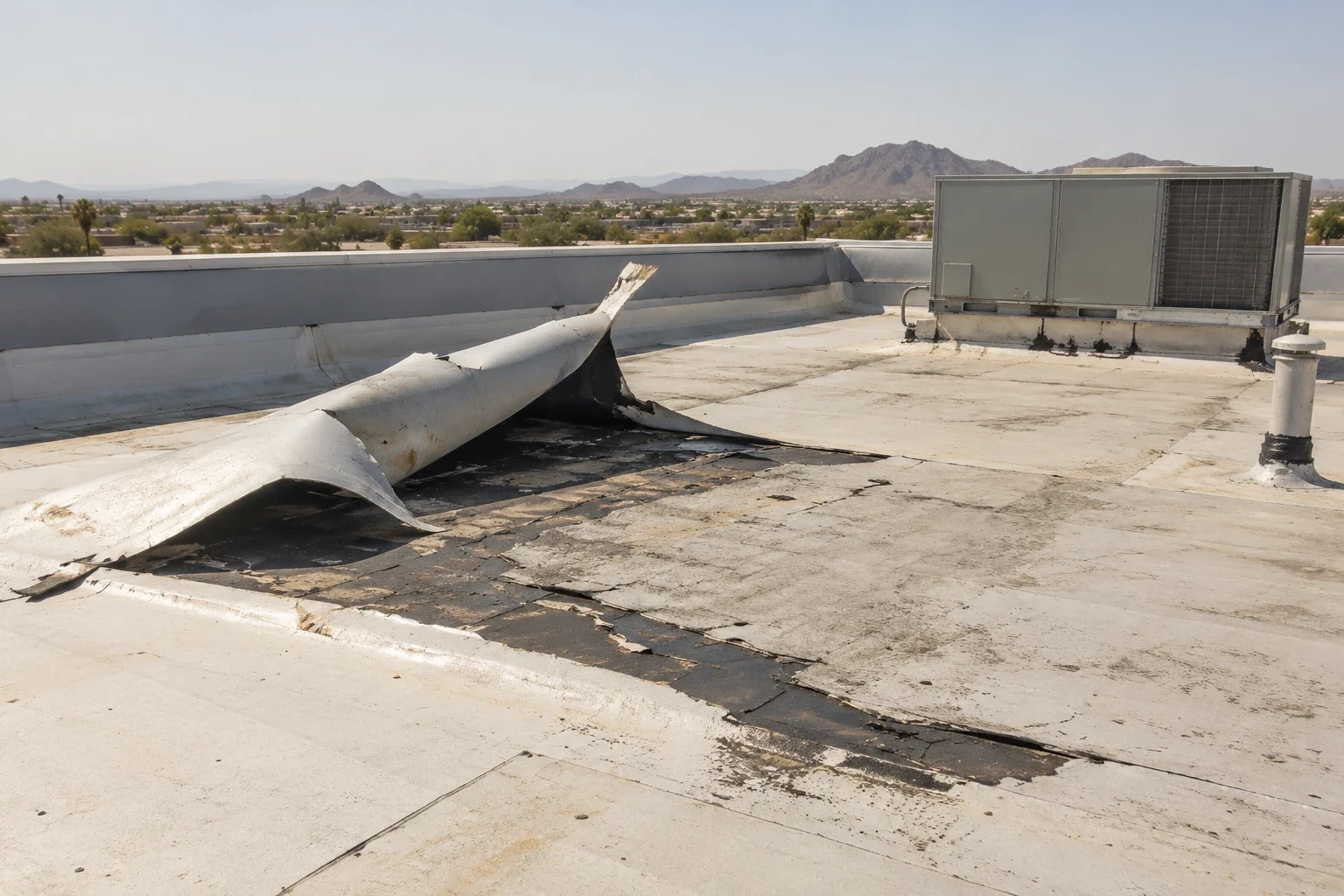
Three problems recur: drains clog with leaves and gravel, flashings crack at walls and curbs, and seams open under the daily temperature swing near 30 degrees.
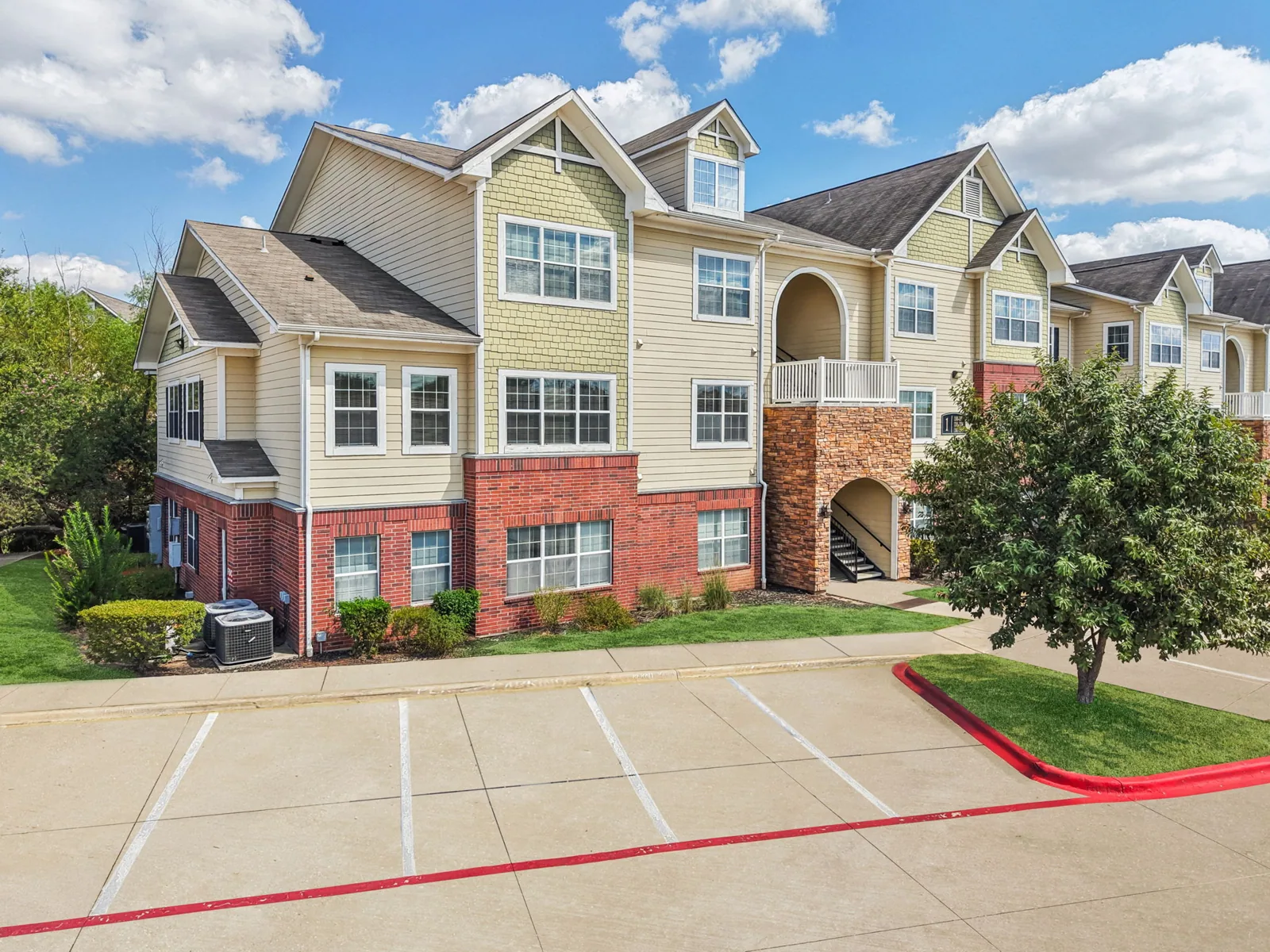
Residence halls add a fourth. Students live under those roofs, so a leak is a housing problem as well. A multifamily roof and a residence hall roof share many details, including vents, balconies and stairwell hatches.
So we grade each roof on its own. The grades go on a campus plan, one color per grade. The plan tells a finance office where the money should go first.
What the nearby campuses tell us
Embry-Riddle opened its Prescott campus in 1978 on 539 acres, with roughly 2,000 students and aerospace labs. Yavapai College employs 1,290 people in Prescott and operates a campus in Chino Valley. These are neighbors to Prescott Valley, and their roofs face the same weather.
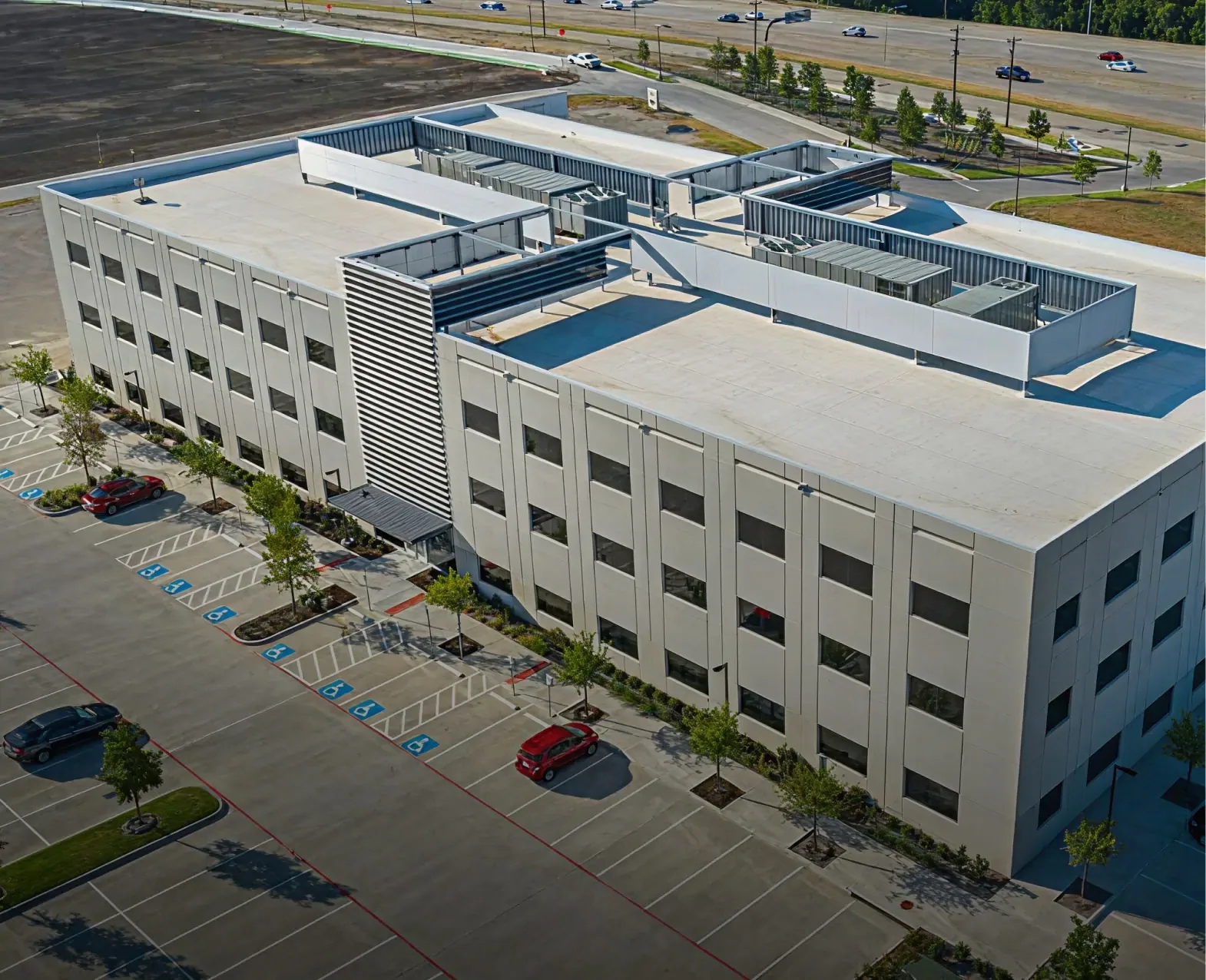
Aerospace labs and hangar-style shops add large spans and heavy equipment. Classrooms and offices add the usual rooftop units. A campus may hold both on one site, and the roof plan has to cover all of them. We write one sheet per roof area so a lab wing can be funded alone.
In Prescott, many buildings sit at about 5,319 feet and take the same freeze and gust fronts. Downtown's brick buildings bring masonry parapets into the mix. A college that owns buildings in more than one setting needs one file format for all of them.
What monsoon and hail do
Monsoon cells arrive in July and August, when many campuses are quiet. The July 20, 2026 storm pushed heavy rain, strong wind and pea-sized hail across Prescott Valley, and traffic signals and trees fell. A campus roof takes the same hit with few people on site to notice.
That is why we walk campuses before the term starts. We press along the field for hail bruises. We check the drains for gravel and the edge metal for lift. Dated photographs from August become the baseline for the year, and a second set in October shows what the monsoon changed.
We also look at the roof edges. Gust fronts hit the windward side of a long building first. Loose edge metal lifts, and the membrane peels behind it. We re-fasten what we can and price the rest alone. A wind damage record protects the district if a claim follows.
If a storm damages a roof, call at any hour. We stop the water and photograph the damage.
What freezing mornings do
The freeze season, late October to May 1, covers most of the academic year. Water that enters a seam in October can freeze and pry it open by December.
Prescott gets about 10 inches of snow in a season, and melt has to reach a drain. A blocked drain over a lecture hall sends water to the wrong place, so screens are cleared and flow is tested ahead of the first freeze.
Ice dams along the eaves are a sign worth noting. We photograph them and note the location. Repeated ice in the same spot points to a drain or a heat leak, and we trace the cause before we price a fix.
How to schedule around the term
Summer break is the main window. Students are away, and the weather is dry and mild enough for adhesives and welds. Monsoon cells can still stop work, so the plan holds a few days in reserve.
During the term, we limit work to repairs. We work early, after hours or on weekends when we can. We keep trucks and ladders away from walkways. We stage material behind fences. We cover air intakes on lab buildings. Shutdowns of exhaust fans are planned with the lab manager and kept short. Residence halls get a written notice for students and staff, with the dates and the quiet hours.
An occupied building reroofing plan sets the pattern, with extra attention to labs and residence halls.
What to repair now and what can wait
Repair now: leaks over labs, studios and residence halls, open seams, failed flashing and blocked drains.
What can wait: surface staining, chalking and blisters that have not cracked, each listed with a photograph and a price. An infrared moisture survey can map wet insulation before anyone opens the roof. A K-12 building runs on a different calendar and different rules, as school roofing shows.
Commercial Roofing Questions
When should a college replace a roof?
Replacement belongs on the list when cores come back wet across a broad area or seams are failing throughout. A repair that buys a few more seasons is a fair choice on a tight budget if the cores are dry and the defects are isolated, and the sheet says so. Both prices appear beside the core photographs. Plan replacement for summer break, and book the bid in late winter so materials arrive on time. Roof materials can take weeks to ship, and a late order can push a project into monsoon season.
How do we protect labs during roof work?
We cover air intakes, keep hot work away from vents and avoid dust near fume hood stacks. We agree on shutdown windows with the lab manager and confirm them in writing. Fume hood exhaust is the usual concern, so we ask which stacks run all day and which can pause. Tell us which rooms hold sensitive equipment and we protect those first.
What should the roof file include?
Keep dated photographs, the findings sheet, core results, repair invoices and the warranty file in one folder. Add a campus plan with each curb and drain marked. A trustee, an auditor or a lender can read the file in one sitting, and a new facilities director can learn the campus roofs from it in an afternoon. We update the file after each storm and each repair.
What does hail do to a campus roof?
Hail between pea-sized and half-inch can leave bruises in membrane and dents in vents, and a bruise can wait weeks to leak. After a storm, a pressed-field walk marks each soft spot with a dated photograph, which supports an insurance claim.
Can roof work happen in the fall or spring?
Small repairs can. Large work should wait for summer or early fall. Call early in the term so a repair can be priced and booked before the first freeze. Adhesives and welds need dry, mild conditions. We use temporary tie-ins for winter emergencies and schedule permanent work for the warm months. A temporary repair can hold through the freeze, and the findings sheet says how long to expect it to last. Each repair is logged with the building name and the date, so the facilities office can answer an auditor or a trustee without a site visit.
Request a walk-through
Ask for a walk-through of your campus roofs. We send a written findings sheet with photos before we price any repair. You decide what to fix now and what can wait for summer.
Request a Roof Assessment
Commercial Roofing Questions
Replacement belongs on the list when cores come back wet across a broad area or seams are failing throughout. A repair that buys a few more seasons is a fair choice on a tight budget if the cores are dry and the defects are isolated, and the sheet says so. Both prices appear beside the core photographs. Plan replacement for summer break, and book the bid in late winter so materials arrive on time. Roof materials can take weeks to ship, and a late order can push a project into monsoon season.
We cover air intakes, keep hot work away from vents and avoid dust near fume hood stacks. We agree on shutdown windows with the lab manager and confirm them in writing. Fume hood exhaust is the usual concern, so we ask which stacks run all day and which can pause. Tell us which rooms hold sensitive equipment and we protect those first.
Keep dated photographs, the findings sheet, core results, repair invoices and the warranty file in one folder. Add a campus plan with each curb and drain marked. A trustee, an auditor or a lender can read the file in one sitting, and a new facilities director can learn the campus roofs from it in an afternoon. We update the file after each storm and each repair.
Hail between pea-sized and half-inch can leave bruises in membrane and dents in vents, and a bruise can wait weeks to leak. After a storm, a pressed-field walk marks each soft spot with a dated photograph, which supports an insurance claim.
Small repairs can. Large work should wait for summer or early fall. Call early in the term so a repair can be priced and booked before the first freeze. Adhesives and welds need dry, mild conditions. We use temporary tie-ins for winter emergencies and schedule permanent work for the warm months. A temporary repair can hold through the freeze, and the findings sheet says how long to expect it to last. Each repair is logged with the building name and the date, so the facilities office can answer an auditor or a trustee without a site visit.