Commercial Roofing in the Fain Road Corridor, Prescott Valley, AZ
Roof inspection, seam probes, drain work and phased replacement planning for manufacturing and distribution roofs along Fain Road in Prescott Valley, AZ.
Follow the water to the dock. On a distribution roof, the loading side takes the most abuse. Trucks, forklifts and roof-mounted equipment all concentrate there. Fain Road, a limited-access freeway with four lanes, joins SR 89A to SR 69 on the east side of Prescott Valley, AZ. Manufacturers and distributors along it include MI Windows and Doors (440 employees), the Ace Hardware Retail Support Distribution Center (418) and Superior Industries (150).
Roofs on buildings like these get inspected, repaired and replaced, starting with a walk, a seam probe and photographs of what turns up. A written sheet arrives ahead of any repair price. Each finding is listed by place on the roof, with its photo and rank. It also lists the roof's drains, penetrations and equipment, so the next crew starts with a map.
What the corridor draws
The Prescott Valley Economic Development Foundation targets aerospace, manufacturing, warehouse distribution and medical employers of roughly 10 to 125 people. That points to a mix of building sizes, and plants and distribution buildings share a few traits: long seams, many drains and rooftop equipment.
A plant may vent process air through the roof. A distribution building may have a dock side and a quiet side. We record each roof as it is. The first walk names the sheet, the slope, the drains and the equipment. Then the plan fits the building and its schedule. Insulation condition is the third big driver after seam length and drain count. We take cores at a few mapped points and run a moisture scan to find wet areas. Then we can price a section repair or a larger scope with a boundary, and the owner can see what each choice costs.
Work that cannot stop operations
A plant does not close for a roof. A distribution center has shipping windows. We plan the job around them. The scope fixes the truck staging area, the dock doors that stay clear and the hours loud tools can run.
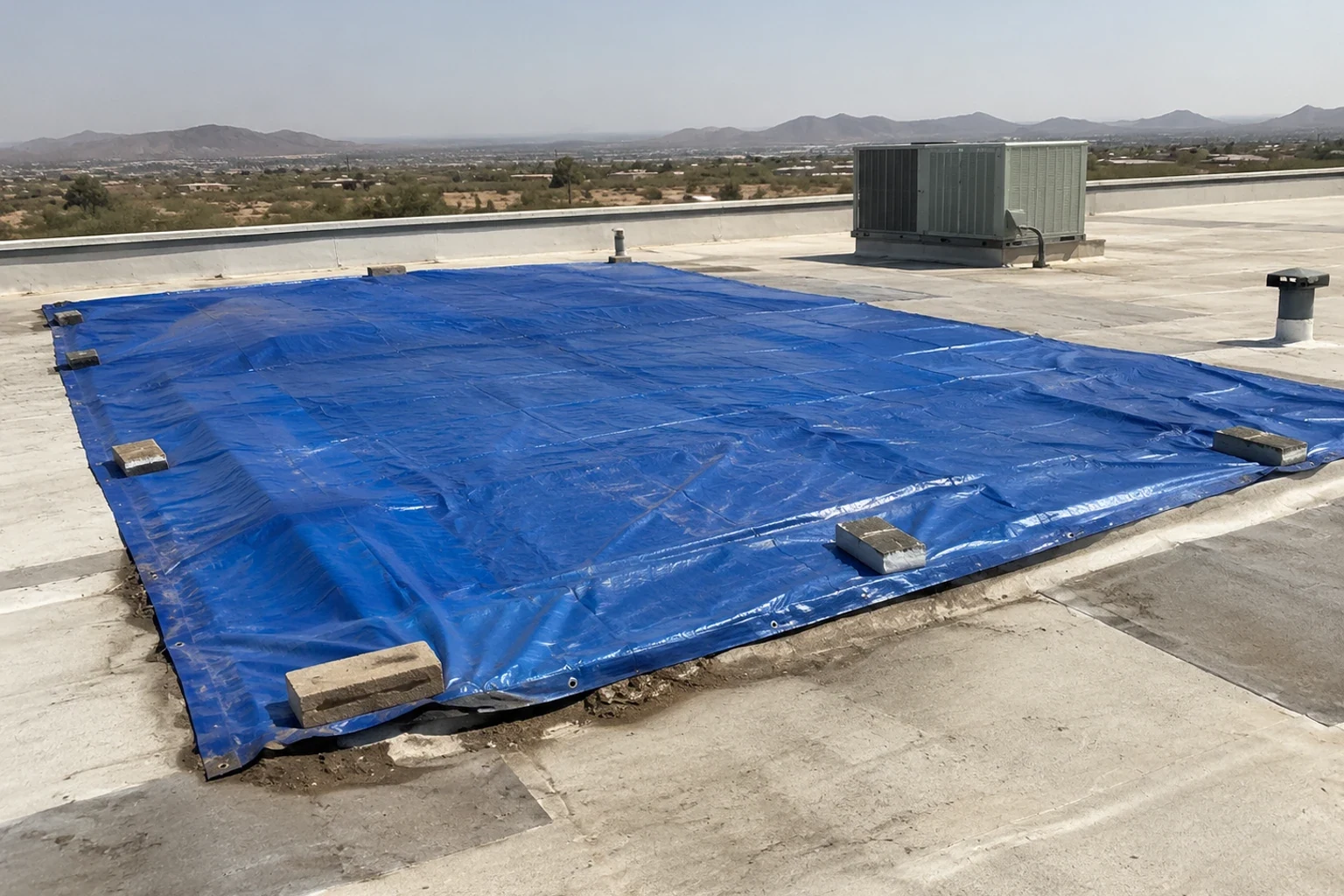
We divide the roof into sections. The crew dries in each section before leaving. Equipment that must keep running gets protected. Roof hatches and ladders get an access plan, and the plan says who holds the keys and who must be told before the crew goes up. If a leak is over product or machinery, a temporary repair goes on first. The permanent scope follows. Putting the schedule in writing before the first day avoids calls at night and keeps the shift leads informed. The written plan also names who tells the shift supervisors, where visitors park and what happens if rain arrives mid-day. If it does, the open section is closed and tied down before the crew leaves it. A plan that covers the bad day is worth more than one that covers only the good day.
Drains on long roofs
A long roof moves a lot of water. Each drain serves a large area. If one clogs, the water spreads and ponds. A ponding line marks where the deck has sagged or where the slope fails.
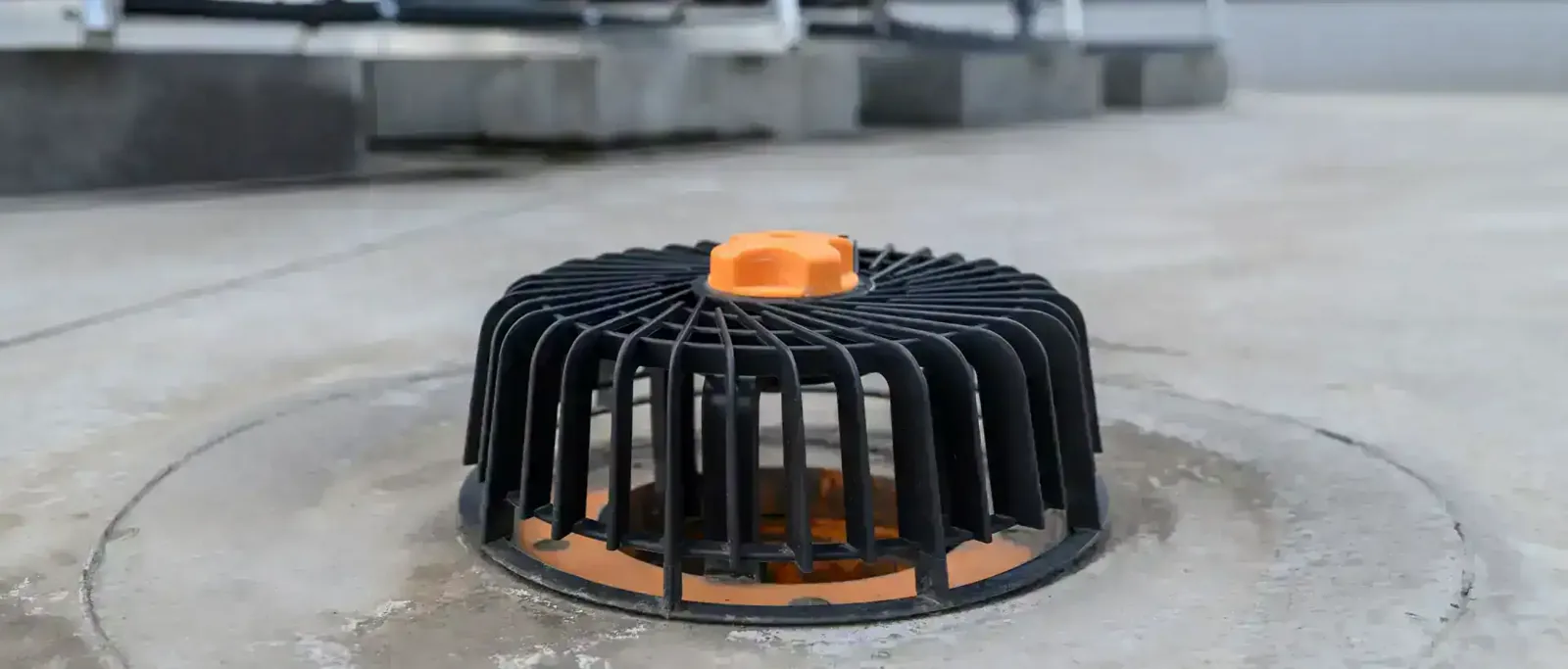
We trace every drain and scupper. We clear the screen and check the pipe below. We measure how long water stays after a rain. Then we decide whether the answer is a clean-out, a new drain or tapered insulation, and we price each so the owner can see the spread before choosing. A drain and scupper record in the file lets the next walk start where this one stopped. We also check the edge. A roof that sheds into gutters or over a parapet needs the outlet clear and the metal tight. A loose edge on a long wall lets wind under the sheet, and a long wall gives wind a lot of length to work with.
What monsoon and freeze do
Monsoon cells hit the valley in July and August. On July 20, 2026, a storm dropped heavy rain and pea-sized hail with strong wind. Gust fronts lift edge metal. Gravel and leaves pack drains.
Then winter comes. Prescott-area freezing mornings last from about October 21 to May 1. Day-night swings near Prescott reach almost 30 degrees. On a wide metal or single-ply roof, that is a lot of movement. Laps, fasteners and flashings carry it. We probe them in fall. Video from May 6, 2025 shows a small tornado north of Prescott Valley tearing shingles off a roof, a reason to check edges, though not proof that any one roof was hit. Hail is the other storm worry. Pea-sized stones rarely harm a sound roof. After a storm we look for marks and core any that run deep. The core shows whether the damage reaches the insulation, and that answer separates a repair from a claim.
What fits a plant or warehouse
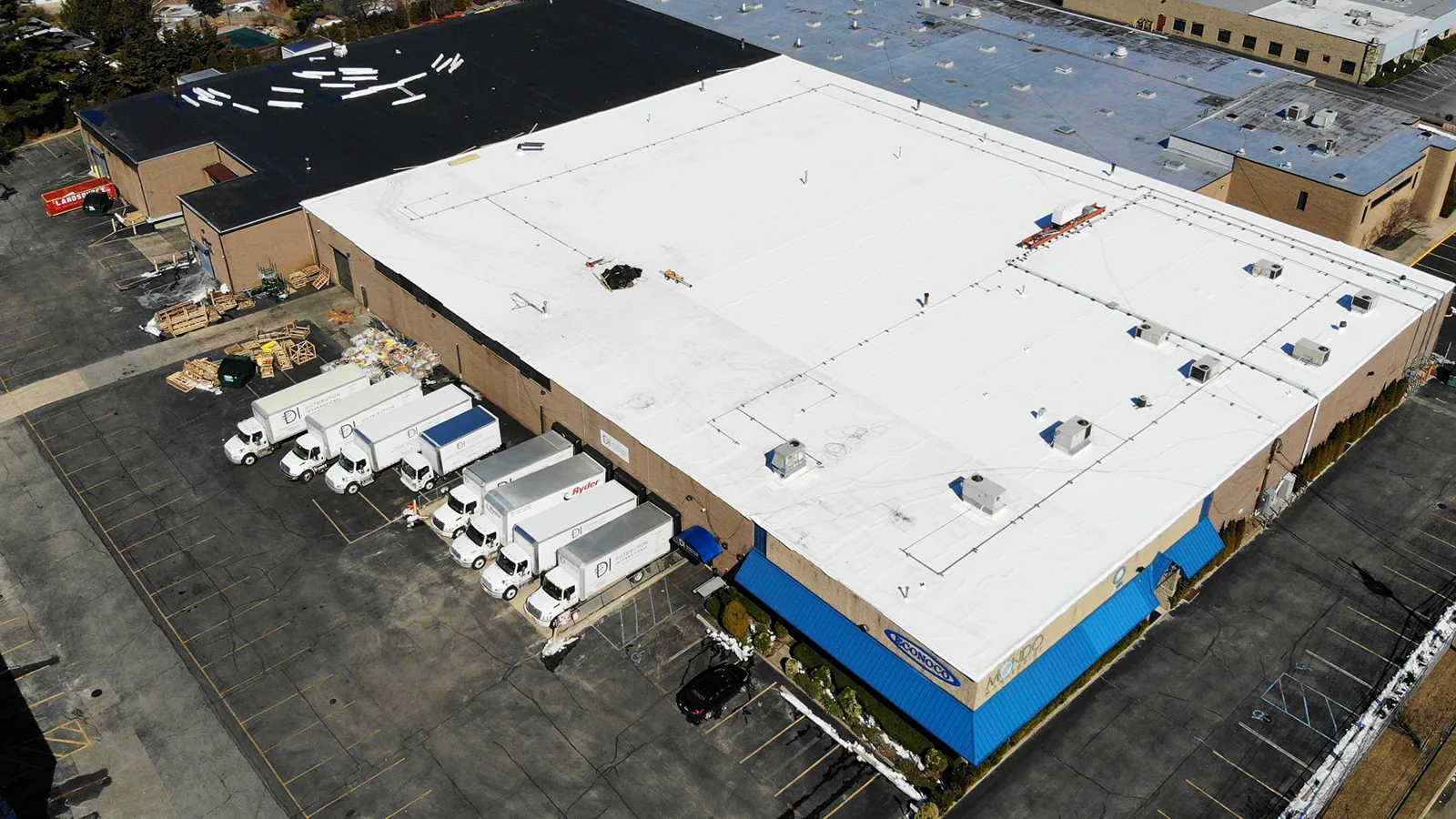
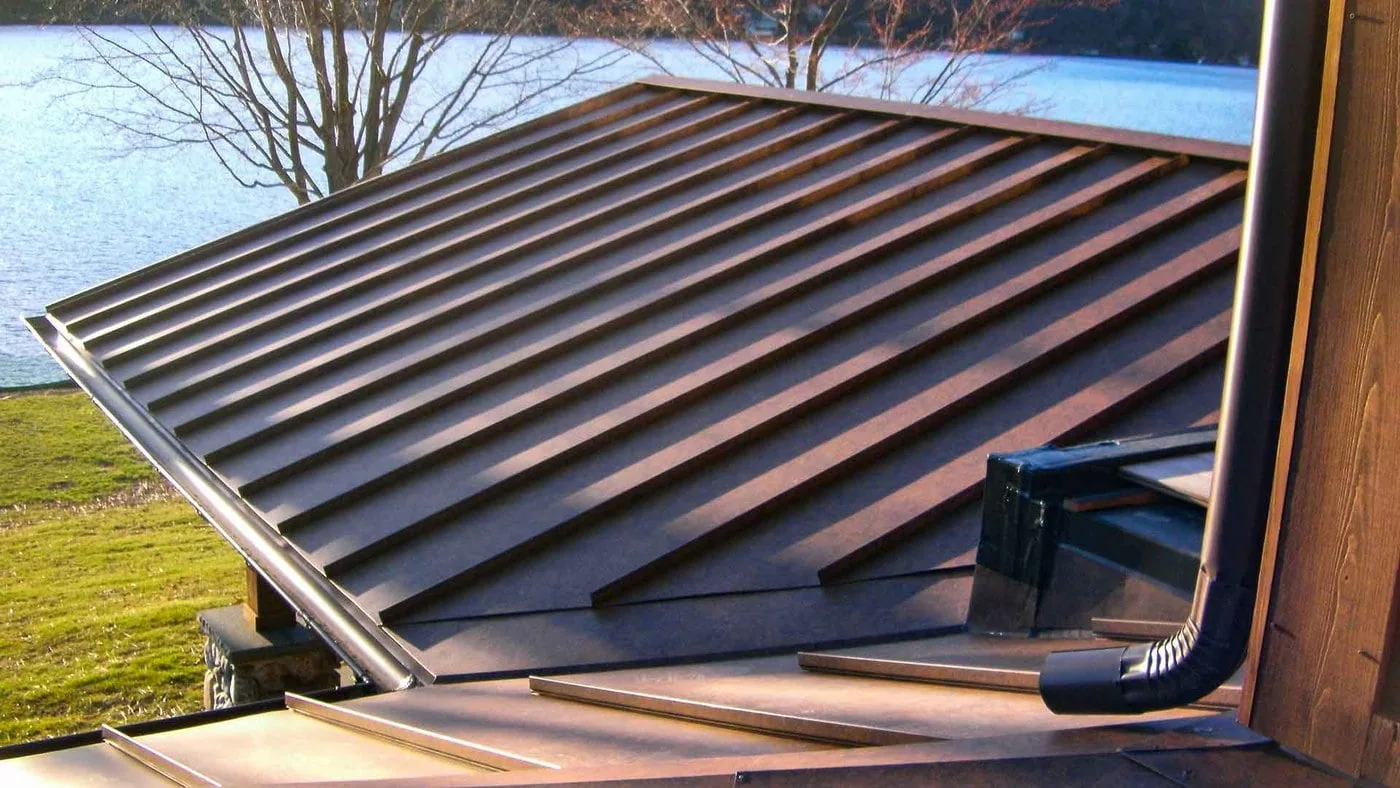
Large low-slope fields often use single-ply. TPO reflects sun and welds at the seams. Metal suits steeper or long-span buildings. A standing seam metal roof moves with temperature and sheds snow. A metal retrofit can go over an aging roof if the structure allows.
We compare installed cost, expected service and repair path, and we show the years each option is expected to last. The numbers sit side by side. For a manufacturer with process exhaust, the sheet and the curbs may need a different spec from a plain warehouse. The walk tells us. A State Route 69 big-box roof and a plant roof on Fain Road may share a sheet and still need different details. Cost follows the roof area, the equipment count, the insulation and the access. We write each into the scope so a manager can compare two bids on equal terms.
What to do first
Start with the findings sheet. It ranks every item: repair now, repair this season or watch. Owners with several buildings can ask for the same format across the portfolio, including a building in Big Sky Business Park. The weakest roof rises to the top, and the budget follows it. A building on the east side and one in the business park can be compared on one page, with the next review date and open items at the top. Owners who plan a year ahead can set aside the repair-now money first, then schedule the rest by season.
Commercial Roofing Questions
Can a plant roof be repaired without a shutdown?
Usually. We work in sections, protect equipment and agree on access with the facility director. A leak over machinery gets a temporary repair first.
Why do drains matter so much on a long roof?
Each drain serves a large area. When one clogs, water spreads and ponds, adding weight and stressing seams. Clearing and recording the drains is the cheapest protection.
Do process vents change the roof plan?
They can. Vapor, heat and oils affect the sheet around a vent. We look at the curb flashing and the membrane near each one, and the spec may change.
When is a metal retrofit worth pricing?
When the structure can carry it and the old roof is sound enough to stay. A core and a moisture scan give the answer. The sheet shows the cost against replacement.
What should be sent to start the process?
The building address, shipping windows, past reports and warranty papers get things moving. Photos and findings come back before any repair has a price. A copy of the dock schedule helps as well, since it shows when trucks are at the doors.
Request a walk-through
Ask for a roof walk and send your shipping windows. We will deliver a written findings sheet with photos before any repair is priced.
Request a Roof Assessment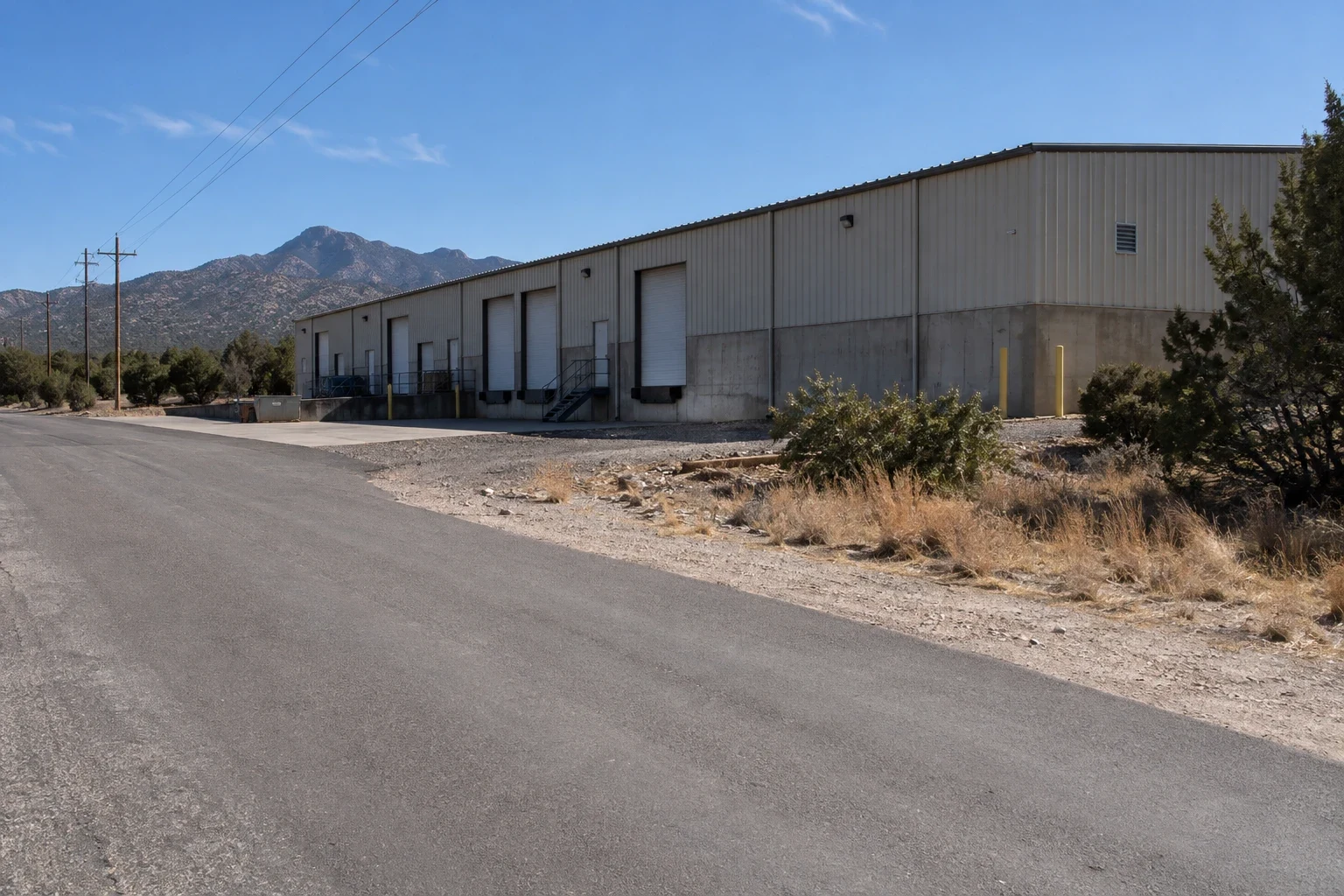
Commercial Roofing Questions
Usually. We work in sections, protect equipment and agree on access with the facility director. A leak over machinery gets a temporary repair first.
Each drain serves a large area. When one clogs, water spreads and ponds, adding weight and stressing seams. Clearing and recording the drains is the cheapest protection.
They can. Vapor, heat and oils affect the sheet around a vent. We look at the curb flashing and the membrane near each one, and the spec may change.
When the structure can carry it and the old roof is sound enough to stay. A core and a moisture scan give the answer. The sheet shows the cost against replacement.
The building address, shipping windows, past reports and warranty papers get things moving. Photos and findings come back before any repair has a price. A copy of the dock schedule helps as well, since it shows when trucks are at the doors.