Metal Roof Retrofit in Prescott Valley, AZ
Restore or retrofit exposed-fastener metal roofs in Prescott Valley, AZ: backed-out screws, freeze-thaw laps, coatings and overlays, priced by what we find.
Find a screw head on a ribbed metal roof and look at its washer. If the rubber is cracked or the head sits proud of the panel, that fastener is working loose. One loose screw is a drip. A whole slope of them is a pattern. In Prescott Valley, AZ the thirty-degree daily swing and freezing mornings make screws back out year after year. We walk the roof, count the loose fasteners by panel run, and tell you what we found.
What an exposed-fastener roof is
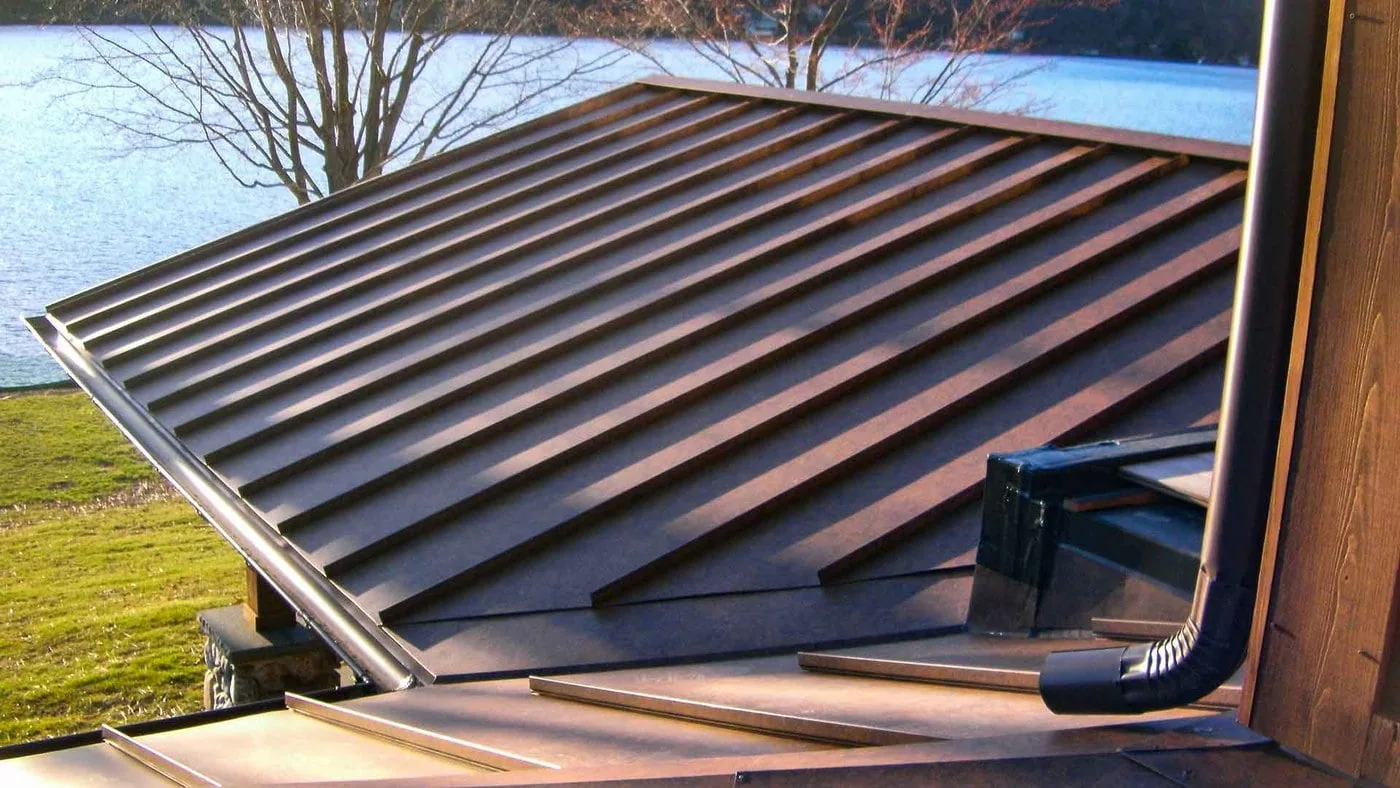
Corrugated and ribbed panels are screwed down through the face with rubber washers. Panels overlap at the ribs, with sealant tape between. The panel cannot slide the way a clipped standing seam panel does. So movement lands on the screws.
Over years, holes widen. Washers dry and crack. Tape between laps dries out. Water finds the screw line first. That is why a retrofit starts with the fasteners and the laps, not the paint.
Penetrations add to it. Vents, pipes and curbs through ribbed panels need shaped boots. A flat boot on a ribbed panel leaves gaps at the ribs. We check each one and price the penetration flashing with the fastener work, since the same crew is on the roof anyway.
What freeze and thermal swing do
Mornings below freezing arrive in late October and linger into May. Water that sits in a lap or a screw hole freezes and expands, then thaws and drains in. Each cycle widens the gap. The daily swing near thirty degrees pulls panels against their screws every day.
We look at the laps after a cold snap. We look for wet streaks under screw lines on dry days. Streaks show where water got in last storm. Photos with dates show whether the pattern grows.
Laps get a separate test. We press along each overlap and watch for movement. A lap that flexes under a thumb has lost its tape. We note the run, the slope and the height. Laps near the ridge lose tape fastest in sun, and laps near the eave fail first in ice. Both are recorded, because they need different repairs.
Three ways to retrofit
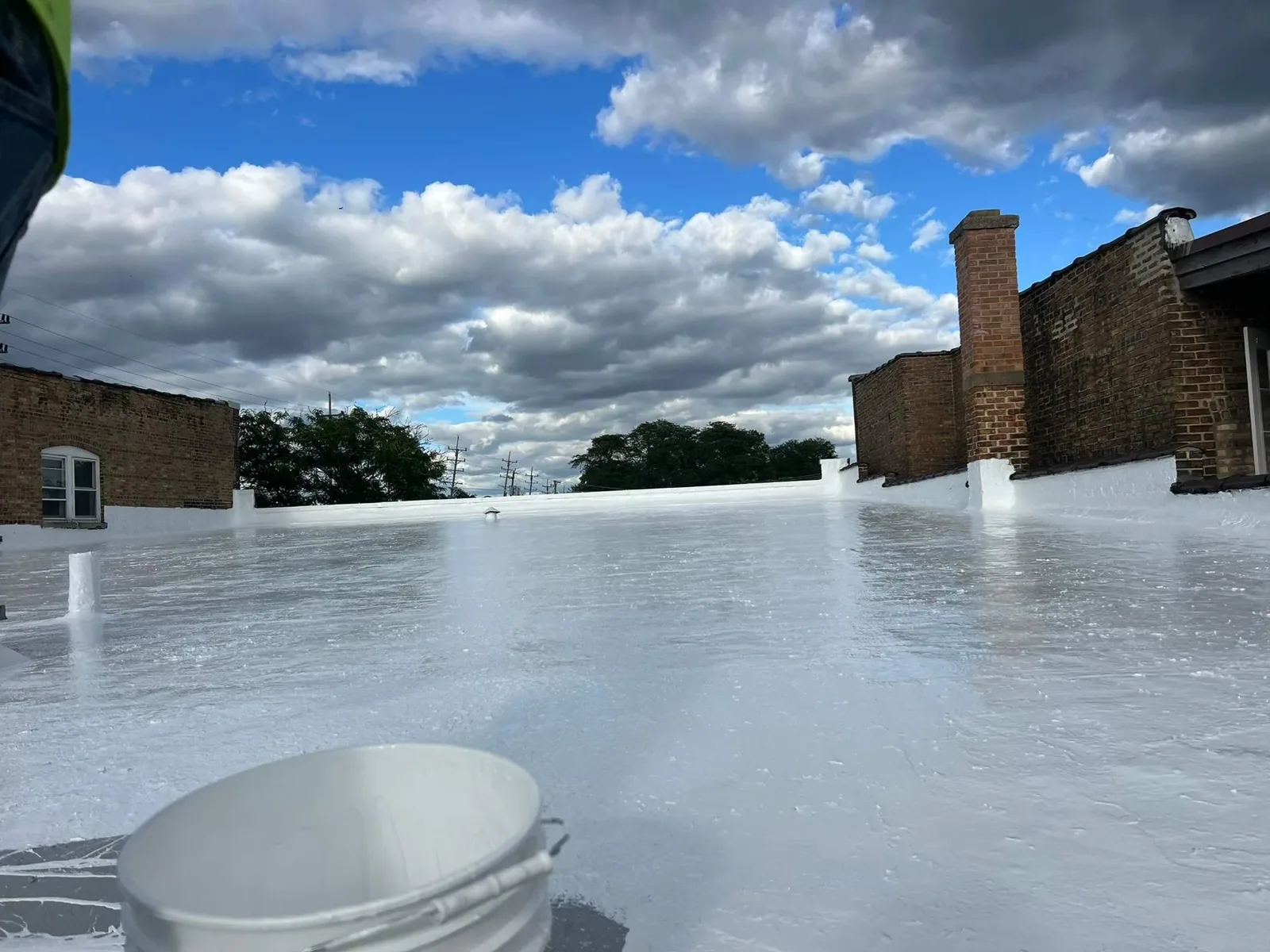
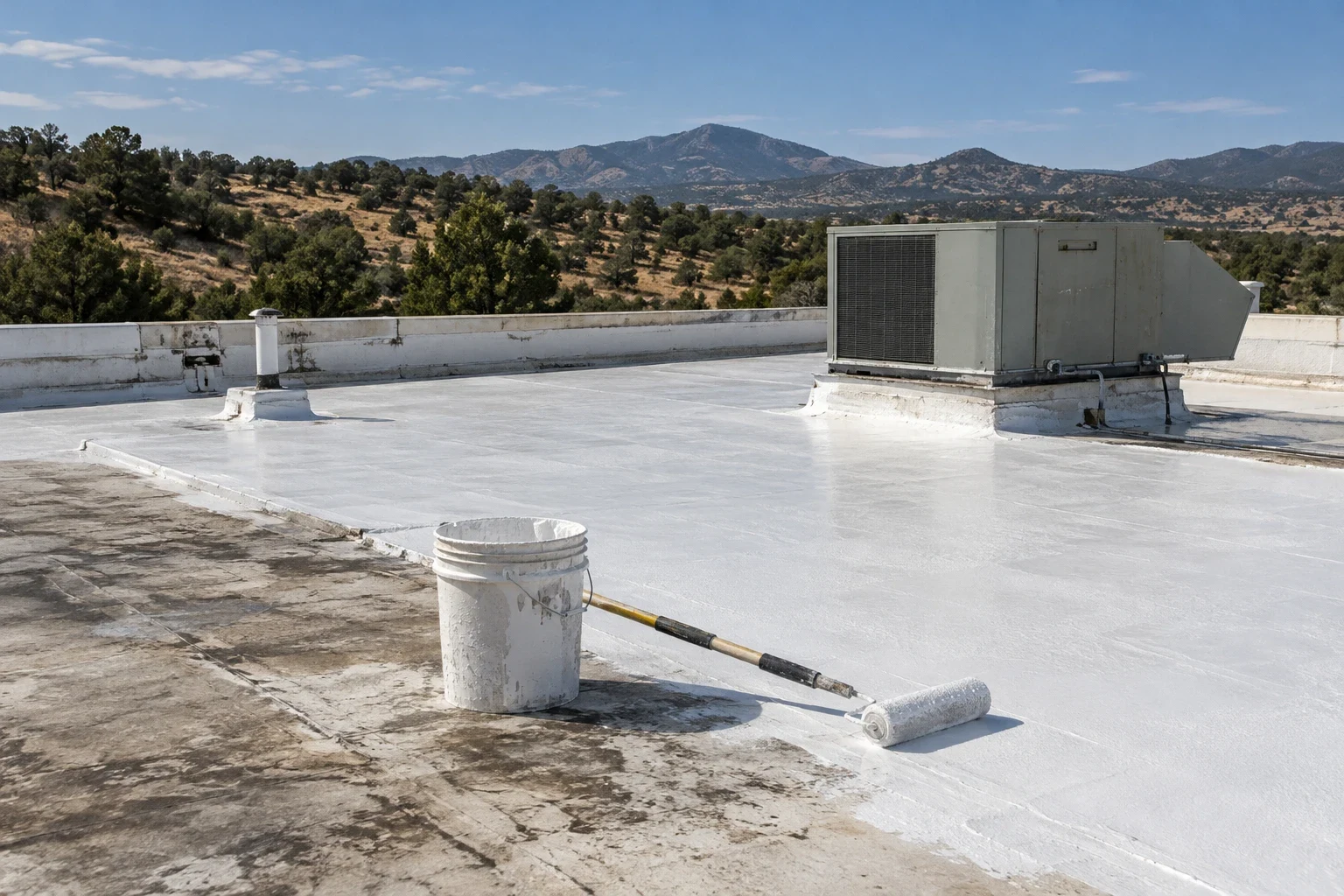
The first is reseal and re-fasten. New, larger screws go into sound framing. New washers and sealant go over every head and lap. This is the lowest-cost path when the panels are sound. The second is a coating. A reflective silicone coating or an acrylic coating seals laps and fasteners and cuts surface heat, if the metal is free of deep rust. Silicone handles a little standing water at low spots, while acrylic suits a roof that drains freely. The third is an overlay. New panels or a standing seam system go over the old roof on a framing layer. It costs most and lasts longest, and the structure must carry both layers.
We test and price all three, with the years each adds. We put the numbers in one table: first cost, expected years, and the maintenance each path needs. A facility director can then pick the path that fits the budget and the hold period. An owner can start with the first path and plan the third for a later year.
Hail and rust
Hail dents light-gauge panels and can crack paint. On July 20, 2026, Prescott Valley took pea-sized hail along with heavy rain and strong wind. Small stones scuff the finish. Where paint cracks, bare steel rusts. Rust at a screw head spreads under the washer.
We mark dents and rust on a plan. We scrape a small test spot to see how deep rust goes. Surface rust can be treated. Perforated metal needs new panels. The photos show which is which. Gutters and eave trim rust first where snow melt sits, so we look at the lower edge of every slope. A snow and ice repair may be part of the job.
Where these roofs show up
Metal-panel buildings are common as workshops, storage buildings and light-industrial roofs. Industrial buildings at Big Sky Business Park on East Florentine Road and along the Fain Road corridor are where a metal panel roof is most likely to turn up, since manufacturers and distributors such as Superior Industries and MI Windows and Doors work there. We confirm the roof type on every walk. Retail along SR 69 is low-slope, so metal there is more likely a canopy or screen wall. A flex industrial building often mixes both. Moisture under a metal roof is a special worry for stored goods, so the interior gets a look too.
Condensation can pass for a leak. On a cold morning, warm air inside meets a cold panel and drips. The drip looks like a leak but follows no screw line. We check the underside of the panel, the insulation facing and the vapor path before we blame the roof. If the cause is condensation, sealing screws will not stop it, and we say so. A short list of cheap airflow or insulation fixes may solve it, and the roof stays untouched. That finding saves real money, and the photos from the underside prove it.
Access is the last item. Ribbed metal is slick when frosted or wet. We plan walk boards, harnesses and start times so the crew works on dry panels, usually after frost burns off. A slow, safe start costs less than a fall.
What to repair now and what can wait
Repair now: backed-out screws over finished spaces, open laps, perforated panels, failed boots. Repair soon: cracked washers on dry slopes, peeling paint, chalking sealant. Watch: faded finish, light surface rust that has not pitted. Every tier carries a price on the sheet. A coating restoration may follow the repairs. If the panels are past saving, replacement comes next.
Commercial Roofing Questions
Can I just tighten the screws myself?
A screw in a widened hole will not hold. Over-tightening crushes the washer and makes it worse. The fix is a larger screw in sound framing with a new washer and sealant. We recommend a count of loose fasteners before any work, so the price matches the problem. We photograph each run.
Will a coating stop my metal roof from leaking?
It seals small gaps and laps, and it reflects heat. It will not close a wide hole or hold over active rust. We recommend re-fastening and sealing first, then coating. We test a small patch for adhesion and show you the result before we coat the whole roof.
When is an overlay better than a repair?
When the panels are rusting through, the laps are failing across the roof, or the leak count keeps climbing. An overlay adds a new weather skin. We recommend checking the structure first. We show the cost of repair, coating and overlay side by side over the same period.
Does wet insulation under metal matter?
Yes. Wet insulation loses value and rusts the panel from below. We recommend a moisture scan and a few core cuts before we coat or overlay. Sealing over wet insulation traps the water. The cores and the scan photos decide the plan.
How soon should we look again after repairs?
After the first monsoon season and again after the first freeze. Those visits catch fasteners that loosen as the roof settles. We recommend keeping the dated photos together, so you can see any slope that starts to fail again. If a slope fails twice, we look under it, because a wet deck or a rotted purlin will pull fasteners out no matter how often they are replaced.
Request a walk-through
Ask us to walk the roof. You receive a written findings sheet with fastener counts, lap checks and photos before any retrofit is priced.
Request a Roof Assessment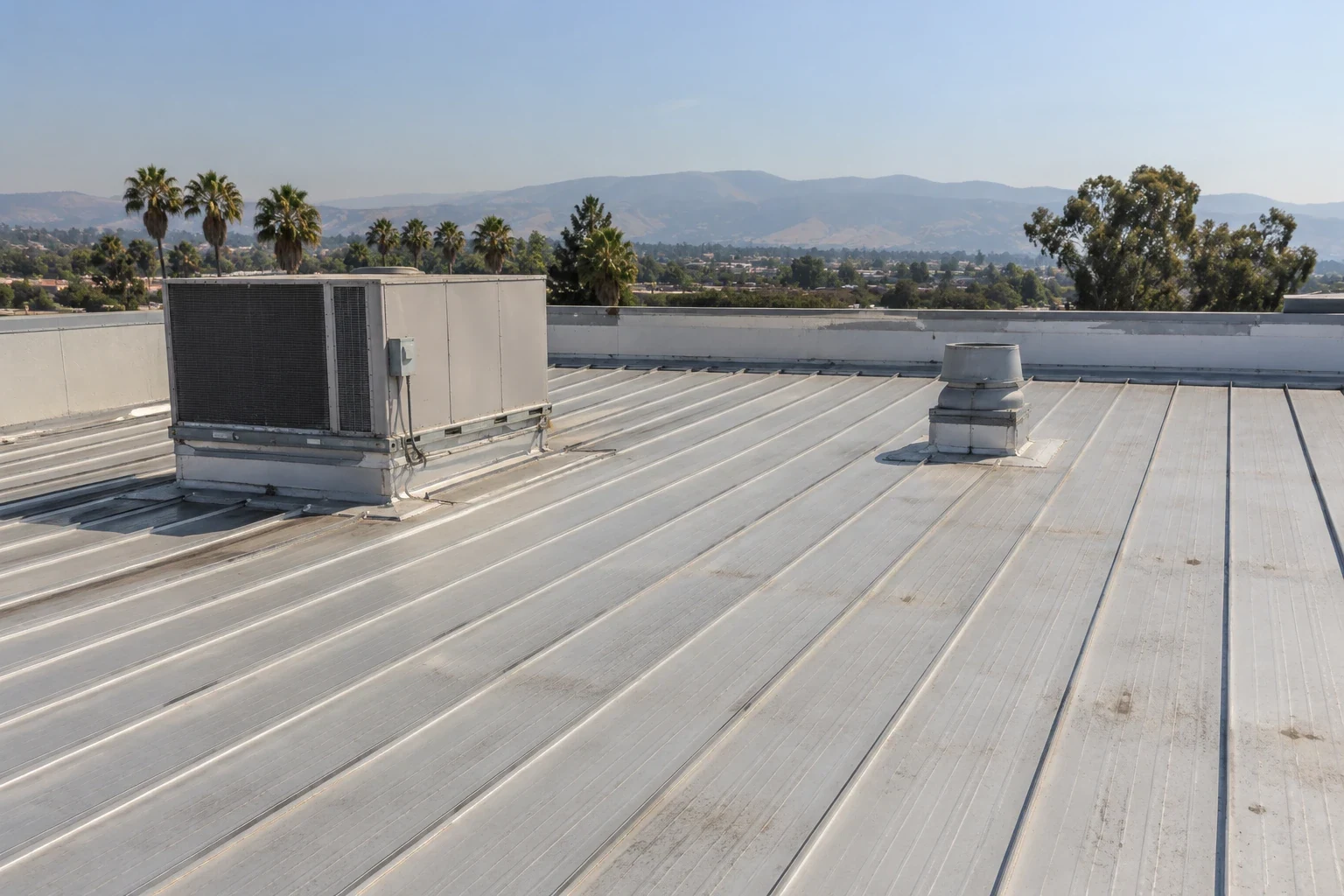
Commercial Roofing Questions
A screw in a widened hole will not hold. Over-tightening crushes the washer and makes it worse. The fix is a larger screw in sound framing with a new washer and sealant. We recommend a count of loose fasteners before any work, so the price matches the problem. We photograph each run.
It seals small gaps and laps, and it reflects heat. It will not close a wide hole or hold over active rust. We recommend re-fastening and sealing first, then coating. We test a small patch for adhesion and show you the result before we coat the whole roof.
When the panels are rusting through, the laps are failing across the roof, or the leak count keeps climbing. An overlay adds a new weather skin. We recommend checking the structure first. We show the cost of repair, coating and overlay side by side over the same period.
Yes. Wet insulation loses value and rusts the panel from below. We recommend a moisture scan and a few core cuts before we coat or overlay. Sealing over wet insulation traps the water. The cores and the scan photos decide the plan.
After the first monsoon season and again after the first freeze. Those visits catch fasteners that loosen as the roof settles. We recommend keeping the dated photos together, so you can see any slope that starts to fail again. If a slope fails twice, we look under it, because a wet deck or a rotted purlin will pull fasteners out no matter how often they are replaced.