Skylight and Penetration Flashing in Prescott Valley, AZ
Skylight, curb and penetration flashing in Prescott Valley, AZ: cracked boots and dried sealant found on the roof and rebuilt for freeze and monsoon.
Find the brittle pipe boot first. Press it with a thumb. If it cracks or feels like old plastic, water is already using it. In Prescott Valley, AZ, every hole through a roof is a flashing detail, and flashing details are where most leaks begin. Commercial Roofing Prescott Valley inspects, repairs and rebuilds the flashing around skylights, curbs, pipes, vents and conduit on commercial roofs. We start with the details because the field of the roof is rarely the problem.
The sheet in the middle of a roof does its job for years. The edges of every hole do not.
What Counts as a Penetration
A penetration is anything that goes through the roof. Each type has its own flashing.
- Skylights and roof hatches, which sit on curbs.
- Pipe boots around plumbing vents and conduit.
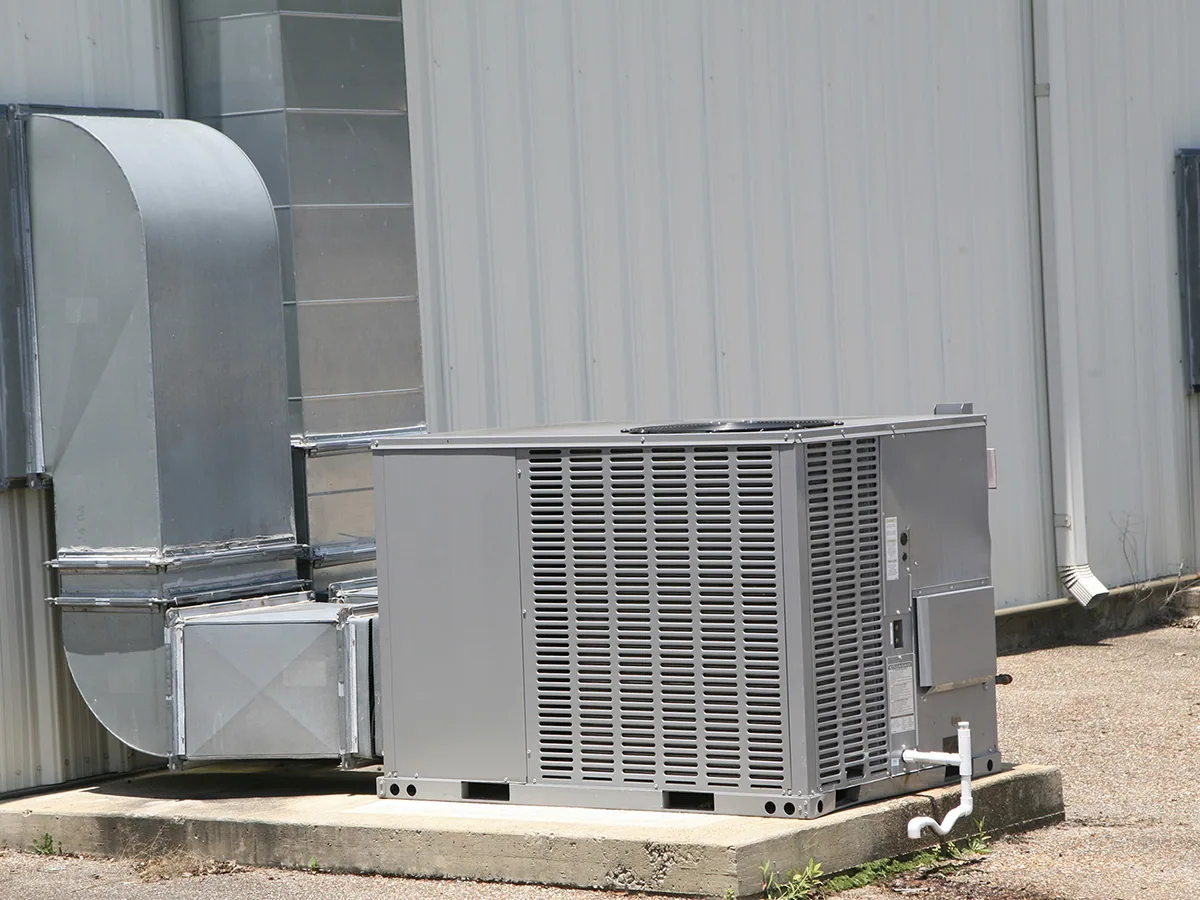
- Equipment curbs under HVAC units and exhaust fans.
- Pitch pans and pourable sealer around odd shapes.
- Roof drains and overflow pipes.
- Gas lines, cable runs and antenna mounts.
On a busy roof, there may be dozens. Each is a place where the surface stops and a seal takes over. A seal is only as good as its sealant, its fasteners and its substrate. All three age.
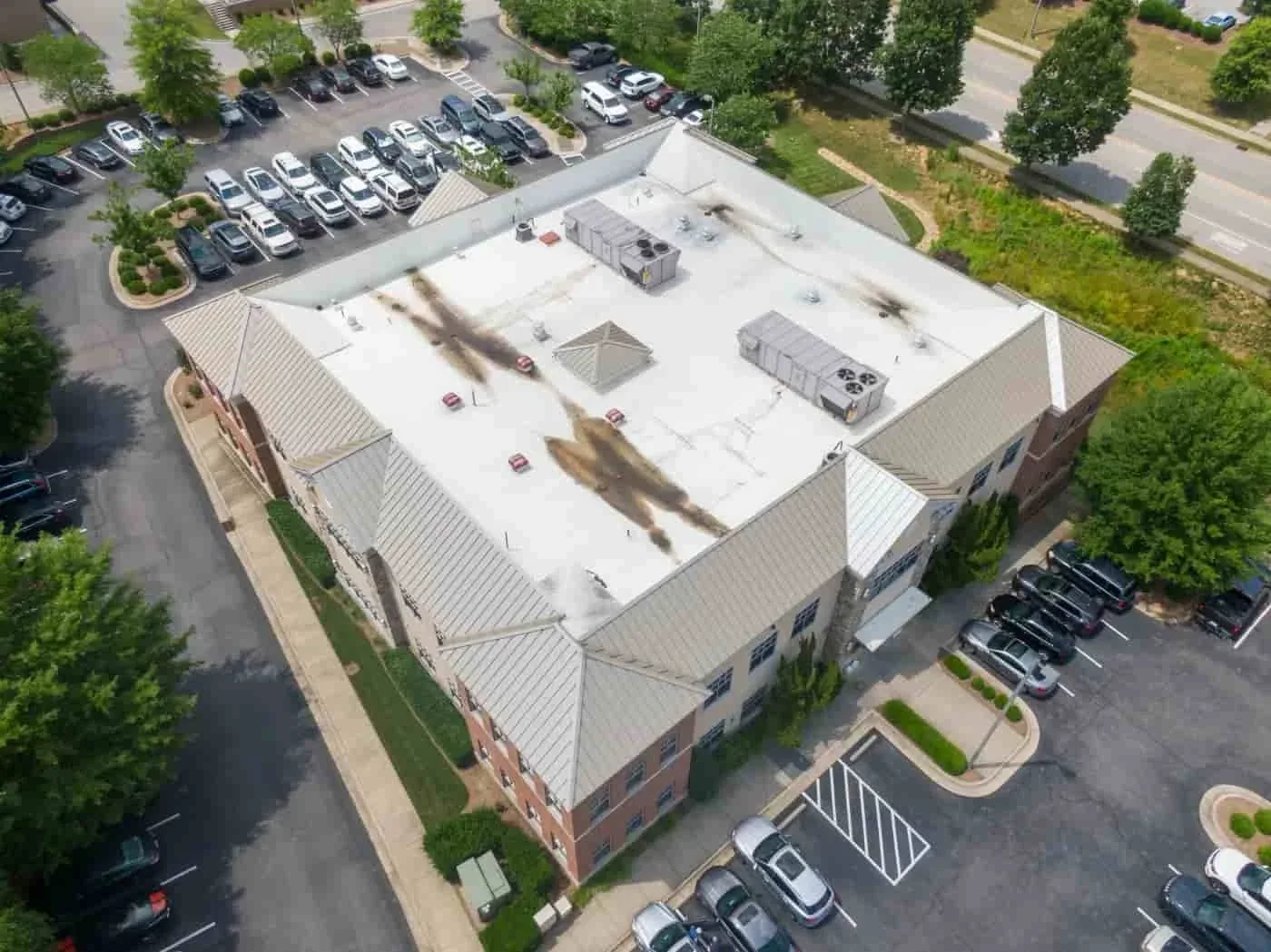
We map every penetration on a roof plan, number it and photograph it. The map becomes the checklist for each visit. A roof with forty details gets forty entries, and no detail is skipped because it was out of sight.
The map also shows clusters. Where several penetrations sit close together, water can pond between them, and the membrane between is walked on by every service crew. We add walk pads and fix the drainage, so the gap stays dry.
Why Flashing Fails
Three forces work on flashing in Prescott Valley. The first is thermal swing. Daily temperature swings in Prescott average nearly 30 degrees, so metal and membrane expand and shrink every day. A joint that has to flex does so thousands of times a year.
The second is freeze. Freezing weather settles in around late October and lingers to early May. Water that gets into a gap freezes, expands and pries the seal open. Each cycle widens it a hair.
The third is the monsoon. Short, violent cells drive rain sideways and test every opening at once. A boot with a hairline crack handles a light shower and leaks in a cell. That is why a roof can seem fine in spring and leak in July.
Sun adds slow damage. Sealant dries, rubber checks and plastic yellows. None of it hurts on the day it starts, so the roof looks the same from visit to visit until a cell finds the weak spot. Dated photos of each detail catch the change before it leaks.
After a strong storm, our storm damage roof repair walk includes every penetration, because wind-driven rain finds them first.
Skylights and Hatches
Skylights add two risks. Water can get past the curb flashing, and the dome or glazing can fail. Hail the size of a pea, like the stones in the July 20, 2026 storm, rarely harms a healthy dome but finds old plastic that has gone brittle. We tap the dome, check for hairline cracks and look for yellowing or crazing.
Then we check the curb. Is it tall enough to shed water? Is the base flashing tight and fully adhered? Is the counterflashing tight? Is the curb itself wet or rotted? A skylight that leaks in the same place twice usually has a bad curb. We cut out the failed flashing, repair the curb, install new base flashing and counterflashing, and reseal the dome or replace it. Condensation on the inside of a dome can look like a leak, so we check for that too.
Safety matters too. A skylight can be a fall hazard, and old domes may not carry weight. We mark domes before any work, use covers or screens where required and keep crews off glazing. Where a dome is cracked, we cover it at once with a temporary protection, then replace it in the planned window.
What We Do
Repairs follow the finding.
A cracked pipe boot is replaced with a new boot or a built-up flashing. A dried sealant bead is cut out, the joint is cleaned and new sealant is applied. A loose termination bar is refastened. A curb with a failed membrane turn-up gets new flashing, tied into the field sheet with a welded or adhered seam. A pitch pan is rebuilt with fresh sealer and a cap that sheds water.
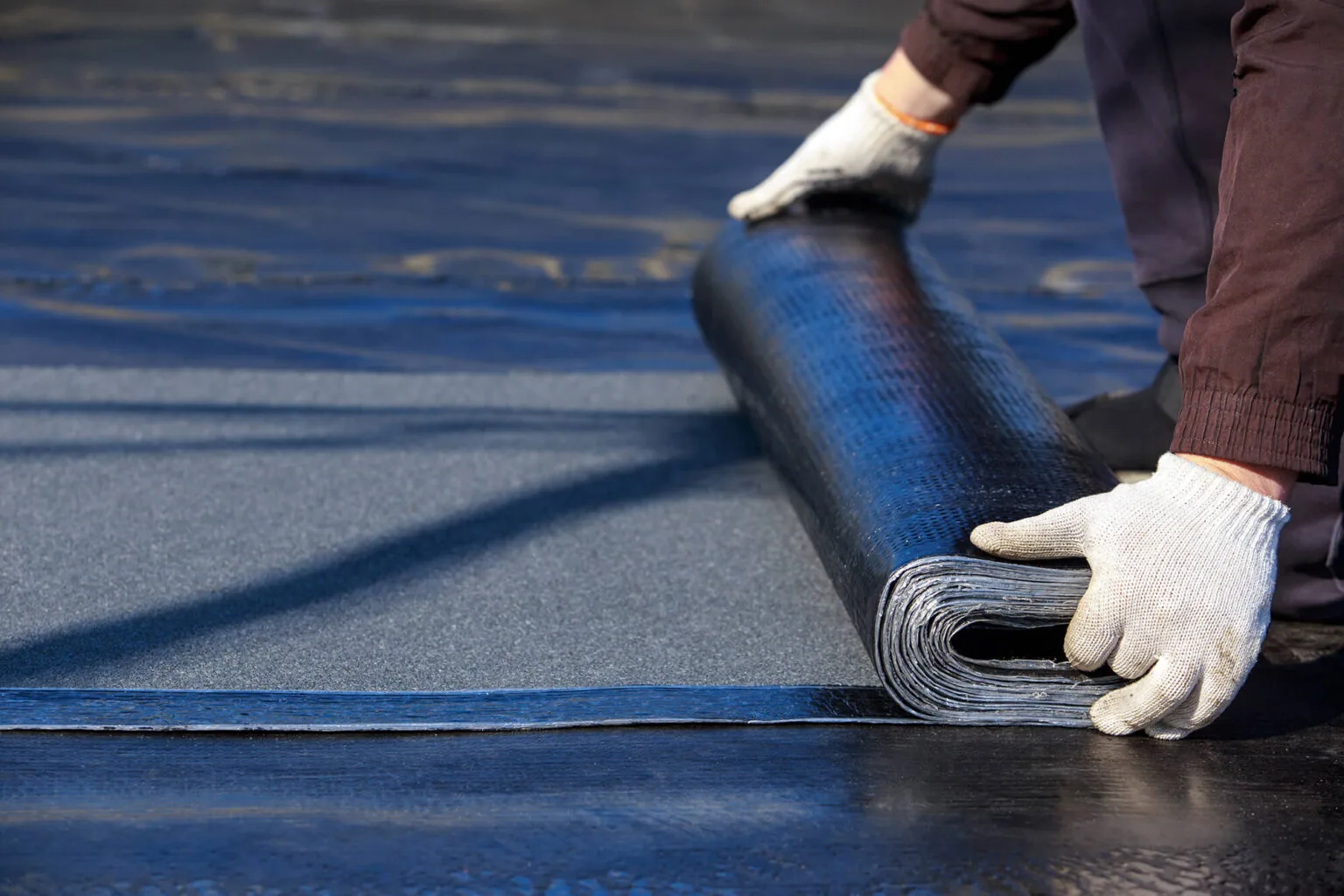
We match materials to the roof system. A single-ply roof gets membrane flashing, welded where possible. A bituminous roof gets compatible flashing plies. A metal roof gets boots, closures and sealants rated for the panel profile. Mixing the wrong materials gives a joint that fails at the first thaw. Our flashing failure repair work uses the same rule.
Cost follows count and kind. A single pipe boot is a short job. A skylight curb rebuild takes a crew and a day. A roof with many penetrations is priced as a package, with each detail listed and ranked. Access and lift needs add to the figure. We give the cost of each item and the cost of waiting, so the owner can decide what to do now and what to schedule.
Where We See It
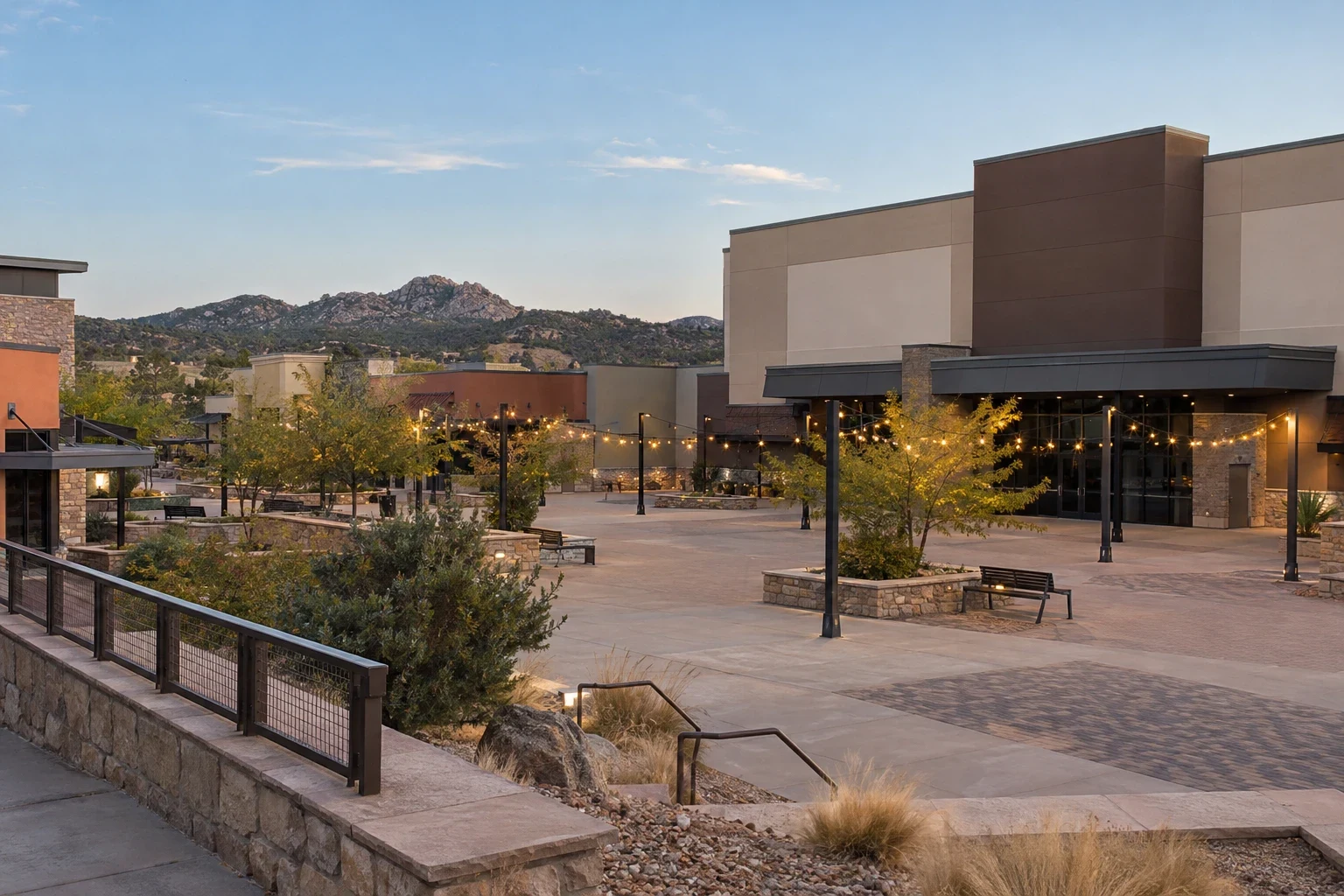
Rooftop equipment is the biggest source of penetrations. Retail power centers along the Glassford Hill Road corridor, like Glassford Hill Marketplace and The Crossroads, have low-slope buildings, and any rooftop units on them stand on curbs that need checking. Large-span assembly roofs in the Entertainment District sit beside restaurants, a theater and retail, and kitchens bring exhaust fans and vents. The events center brings in an estimated 75,000 guests a year, many from elsewhere, so a leak over the hall can force an event to move.
Industrial buildings on the east side, including the manufacturers and distributors along Fain Road, can have process vents and exhaust. Our work on rooftop equipment curbs and supports covers the larger structure around those, and flashing is where it meets the membrane. When a leak appears near a penetration, a leak repair starts by tracing the path from the stain back to the detail.
Commercial Roofing Questions
How long does a pipe boot last?
It varies with the material and exposure. Rubber boots crack from sun and thermal swing. Check them with a thumb press once a year. A boot that cracks or feels stiff should be replaced before the monsoon.
Why does my skylight leak only in heavy rain?
Heavy rain finds a gap that light rain misses. The usual causes are a cracked dome, a failed curb flashing or a clogged drain beside the curb. We trace the path with a hose test and fix the actual entry.
Can sealant alone fix a leaking penetration?
Sometimes, for a small gap in a sound detail. If the boot is cracked, the flashing is loose or the curb is wet, sealant only hides the failure. We open the detail and check before we reseal.
Should skylights be replaced when the roof is replaced?
Often, yes. New flashing around an old dome is a weak joint. Replacing the dome and curb flashing with the roof gives one clean, tested detail and avoids opening the new roof later.
What do you check after a hailstorm?
Domes, boots and thin sealant beads first. Pea-sized hail seldom hurts healthy parts, but it finds brittle plastic and old sealant. We tap, press and photograph each one and list what changed.
Request a Walk-Through
Request a walk-through, and we will send a written findings sheet with photos of every skylight, boot and curb before any repair is priced.
Request a Roof Assessment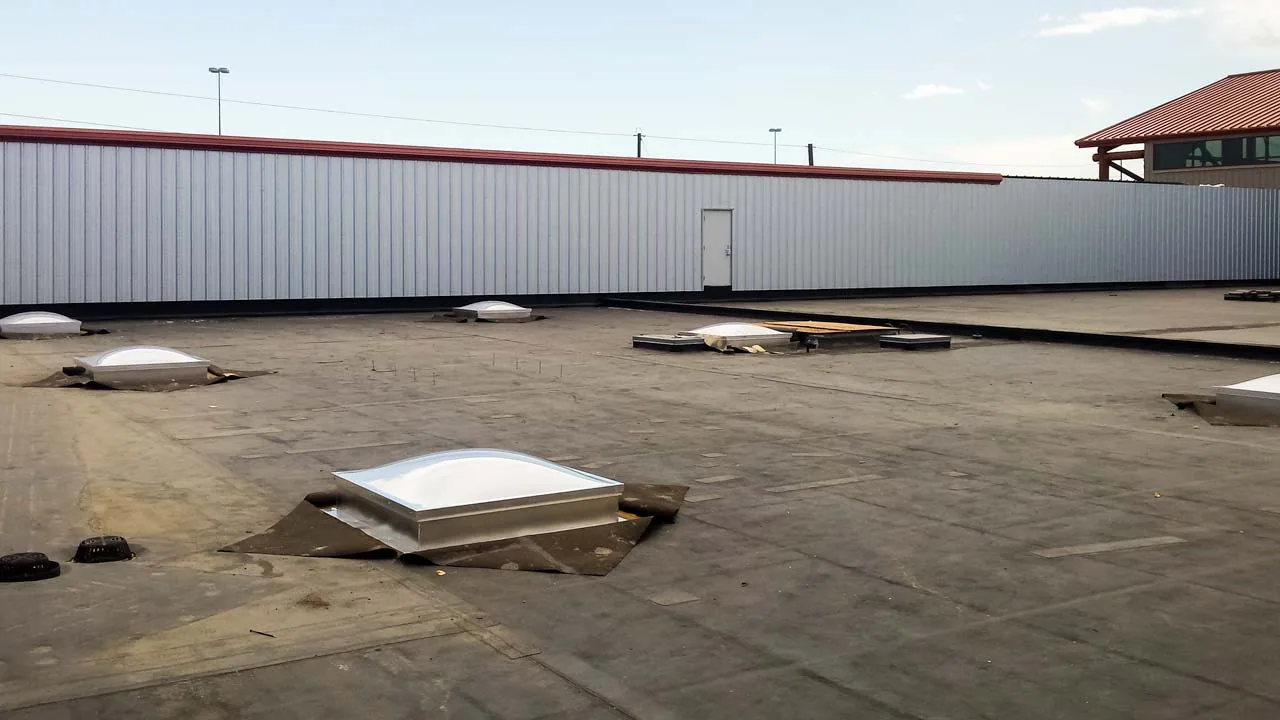
Commercial Roofing Questions
It varies with the material and exposure. Rubber boots crack from sun and thermal swing. Check them with a thumb press once a year. A boot that cracks or feels stiff should be replaced before the monsoon.
Heavy rain finds a gap that light rain misses. The usual causes are a cracked dome, a failed curb flashing or a clogged drain beside the curb. We trace the path with a hose test and fix the actual entry.
Sometimes, for a small gap in a sound detail. If the boot is cracked, the flashing is loose or the curb is wet, sealant only hides the failure. We open the detail and check before we reseal.
Often, yes. New flashing around an old dome is a weak joint. Replacing the dome and curb flashing with the roof gives one clean, tested detail and avoids opening the new roof later.
Domes, boots and thin sealant beads first. Pea-sized hail seldom hurts healthy parts, but it finds brittle plastic and old sealant. We tap, press and photograph each one and list what changed.