Roof Coating Restoration in Prescott Valley, AZ
Roof coating restoration in Prescott Valley, AZ: core cuts, moisture tests and a coating system matched to a sound roof, applied in the right weather window.
Start with a core cut. A coating is only as good as the roof under it, and a small round sample tells us what that roof is. In Prescott Valley, AZ, we cut cores before we recommend a coating, because a coating over wet insulation fails, and a coating over a sound, dry roof can add years of service. Commercial Roofing Prescott Valley restores sound commercial roofs with coating systems, and we turn down the job when the core says the roof is past it.
A coating on the wrong roof is money spent twice.
When a Coating Fits
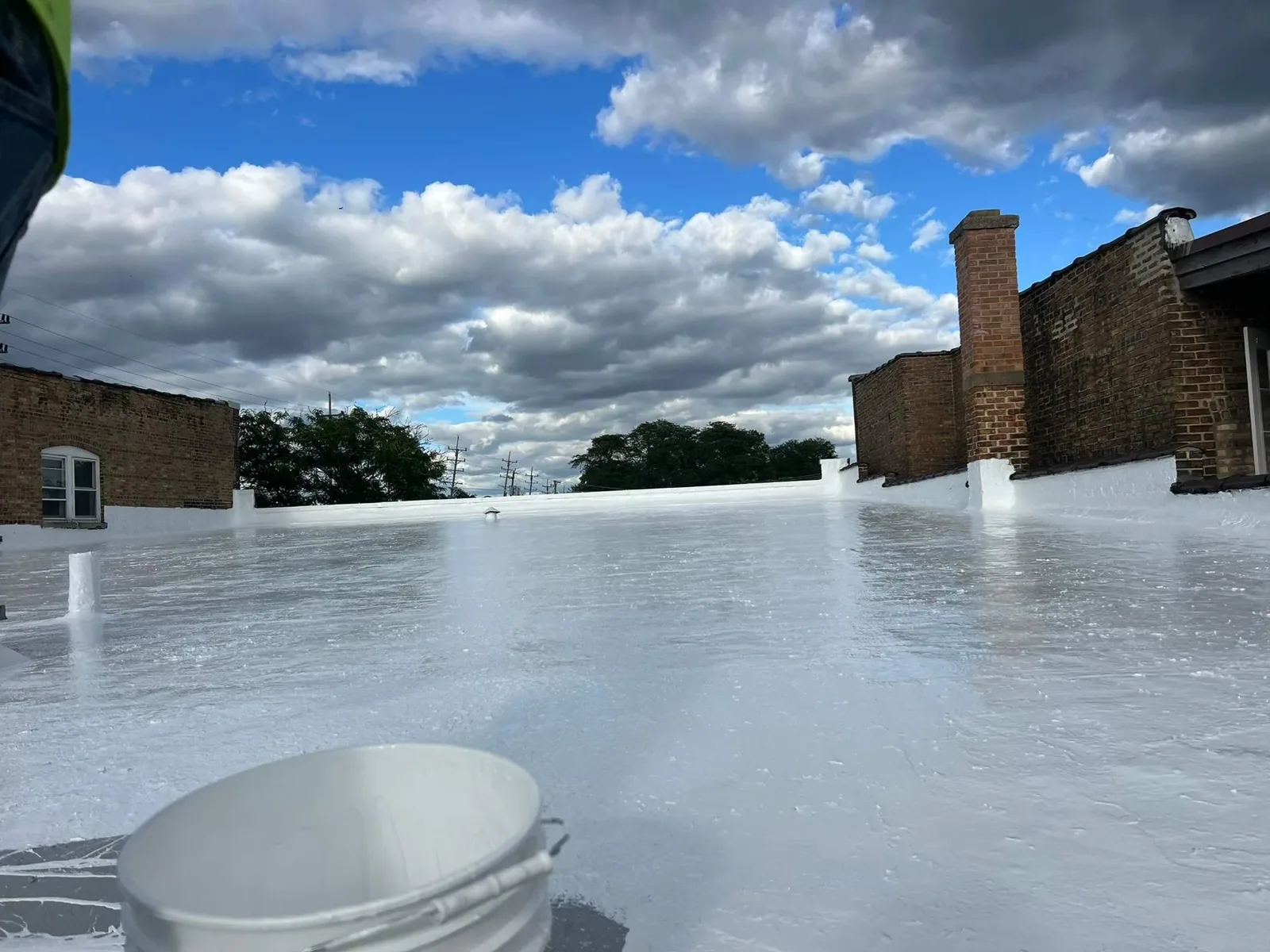
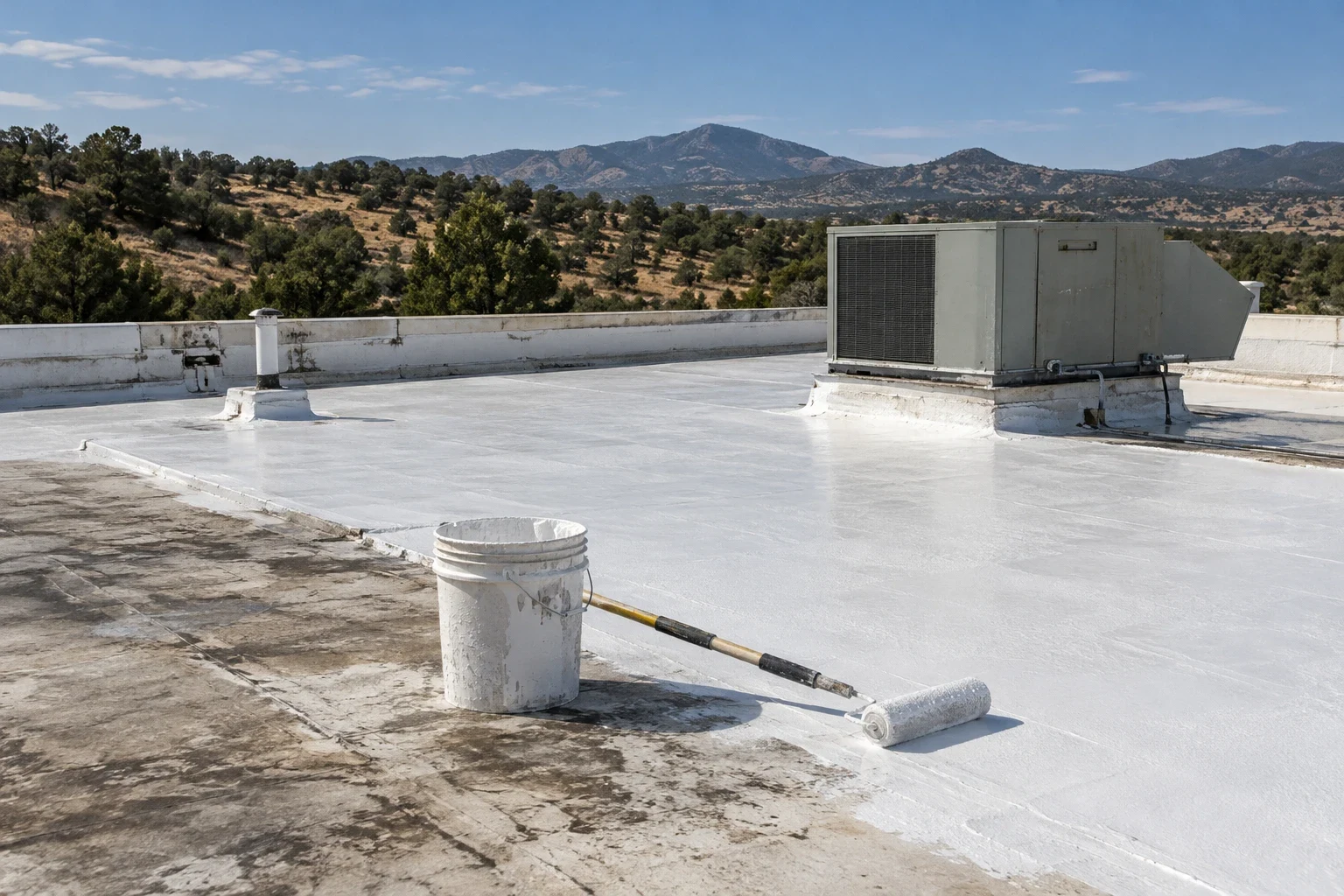
A coating fits a roof that is worn but sound. The surface is chalky, faded or crazed. Seams are tight or can be repaired. The insulation is dry. The deck is firm underfoot. Ponding is minor or can be corrected. In that condition, a coating seals the surface, reflects heat and adds a layer that takes the weathering the old surface took.
A coating does not fit a roof with wet insulation, a soft deck, widespread open seams or deep ponding that stays for days. Those roofs need repair or replacement first. We say so at the core cut, with photos, and we price the right path.
The question we ask is whether the roof still has the bones for a second life. Age alone does not answer it. A fifteen-year-old roof with dry insulation and tight seams may be a better candidate than a younger roof with a leak history. The core cut and the moisture map answer the question with evidence.
The Tests We Run First
Four checks come before any price.
- Core cuts: small round samples that show layers, thickness and moisture in the insulation.
- Moisture mapping: infrared or meter scans to find wet areas the surface hides.
- Seam probe: a rounded tool pressed along every lap to find openings.
- Adhesion test: a small test patch of coating to see whether it bonds to the existing surface.
Each test goes in the findings sheet with a photo. If a core shows wet insulation, we mark the area, cut it out and replace it before coating. If the adhesion test fails, we change the primer or the system. We do not skip a test to save a day.
Silicone or Acrylic
Two coating families cover most commercial roofs. Silicone roof coatings shed standing water well and hold up where ponding is a concern, though they attract dirt and need a clean surface and the right primer. Acrylic roof coatings are easy to apply and reflect heat well, but they dislike standing water and need good drainage and dry weather.
The choice follows the roof. A roof with minor ponding that cannot be corrected leans toward silicone. A roof with good drainage and a clean, sound surface suits acrylic. Metal roofs, modified bitumen, single-ply and spray foam each take a coating differently, and we match the system to the substrate.
Thickness matters more than brand. A coating applied too thin wears through, and one applied too thick can crack. We follow the maker's mil-thickness range, measure it as we go and record the readings. The readings are the proof that the film on the roof is the film that was specified.
What Weather Does to a Coating
Coatings cure in the air, so weather sets the schedule. At roughly 5,100 feet, Prescott Valley takes most of its 15 inches of yearly precipitation during the July to September monsoon. A coating needs a dry surface, a workable temperature and hours of dry weather after application. A monsoon cell that arrives before the coating cures can wash it out.
Freezing temperatures typically run from about October 21 through May 1, which closes the cold end of the window. Daily temperature swings near 30 degrees matter too. A coating applied on a cold morning and hit by a hot afternoon can fail to cure evenly. So we watch the forecast, apply early in the day when the surface is dry, and hold the job when a cell is likely. That is why late spring, the weeks before the monsoon and early fall are the natural windows for coating.
Hail adds a wrinkle. Pea-sized hail, such as fell in the July 20, 2026 storm, seldom harms a healthy surface, but it can bruise a thin or aged coating. A restored roof gets a post-storm walk, and any bruise is photographed and touched up while the film is still new.
Prep Is the Job
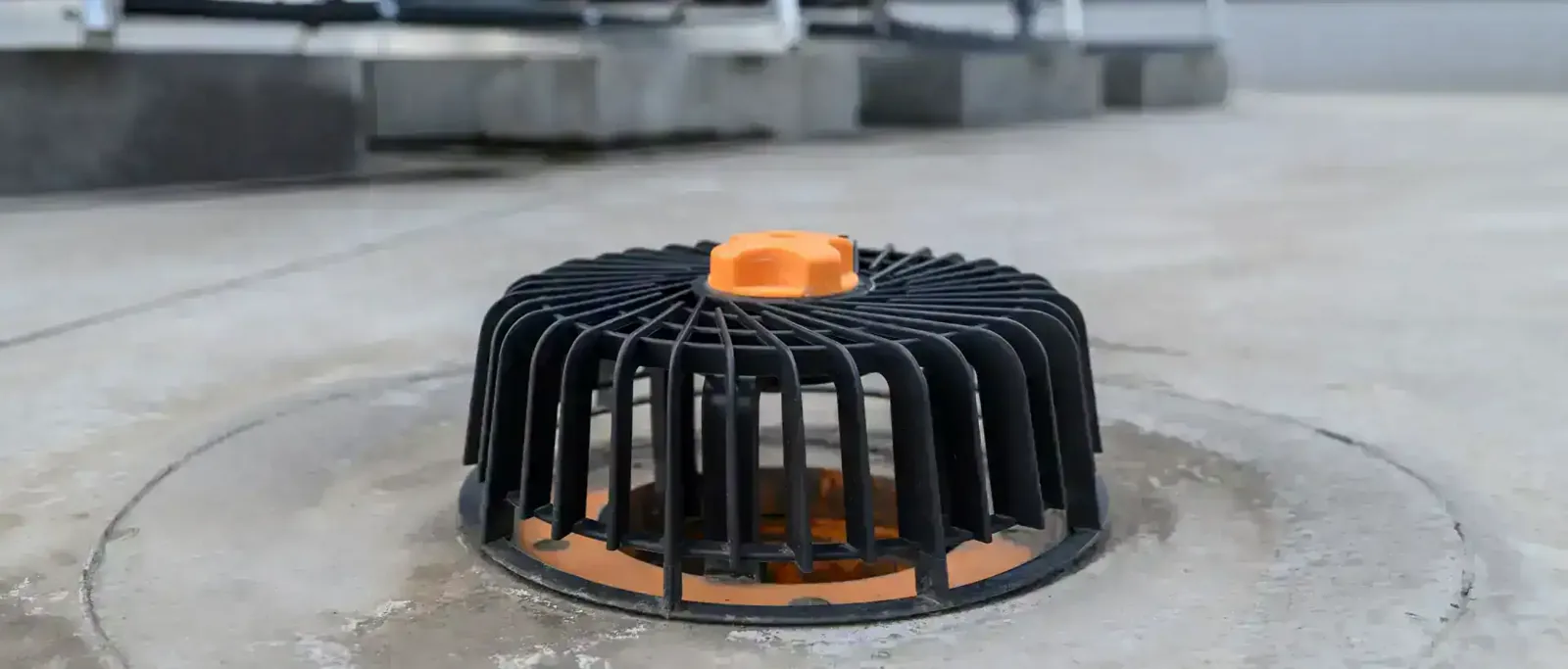
Most of a coating job is preparation. We pressure wash or clean the roof, remove loose material and repair every defect: seams, flashings, punctures, blisters and fasteners. We treat rust on metal and prime where the system requires it. We fix low spots and drains first, so water does not sit on fresh coating. Our drain and scupper work comes first for that reason.
Then we apply the coating in coats, at the thickness the system requires, measured with a wet-film gauge. Seams and flashings get a reinforced coat. We photograph each stage. The record shows prep, repair, primer and coats, and it supports any warranty the coating maker offers.
Cost follows prep more than coating. Roof area, the number of repairs, the condition of the seams and flashing, and the access to the roof set the price. We list each driver in the findings sheet, so the owner can see why one roof costs more than another.
Where It Gets Used
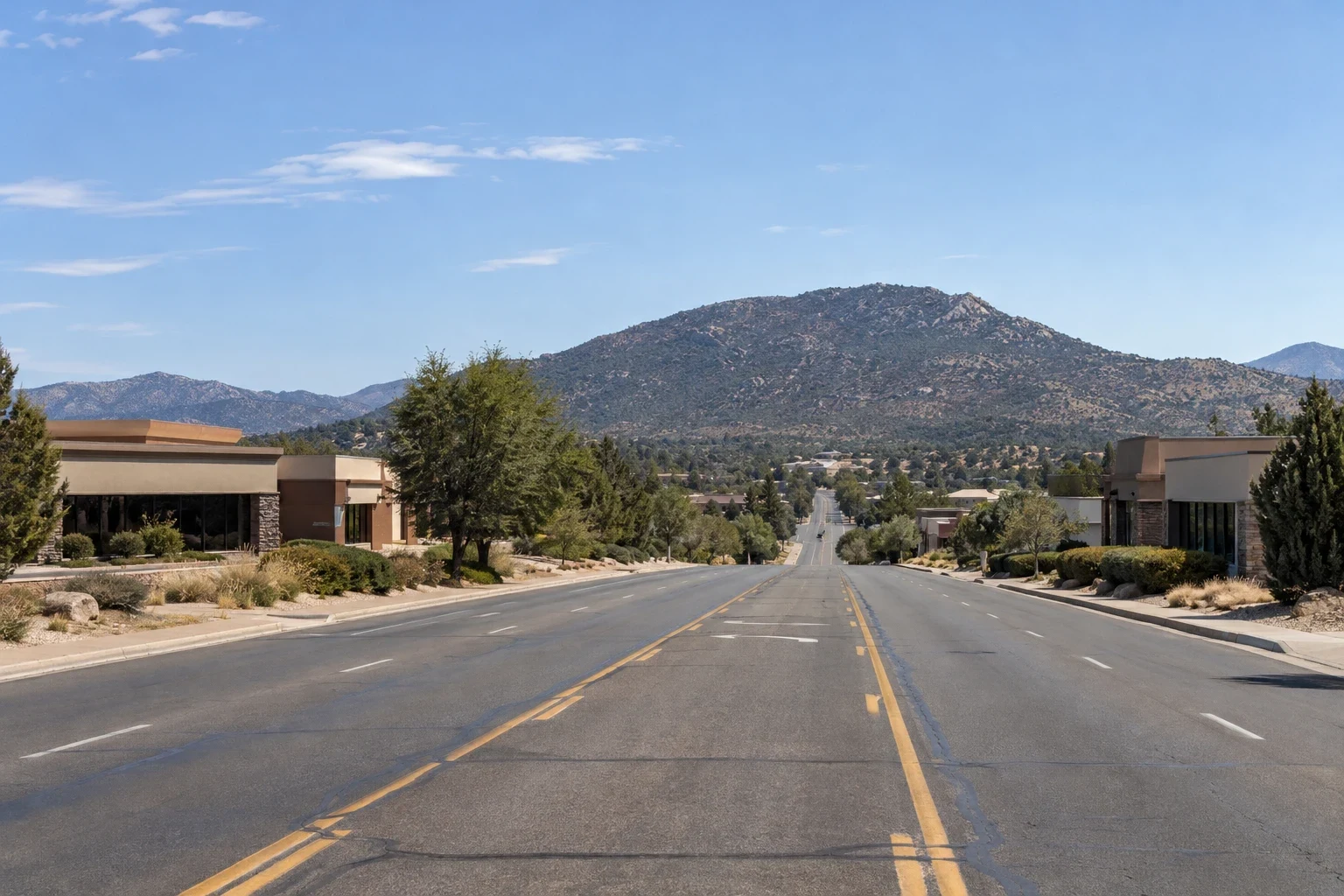
Low-slope retail buildings along Glassford Hill Road, such as the ones that make up Glassford Hill Marketplace, are candidates when the roofs are dry and sound. A coating can be applied in sections while stores stay open, with attention to rooftop units and walkways. Ridge-top wind off the 6,177-foot hill that gives the road its name reaches nearby buildings, so edges and surface wear get a closer look along the Glassford Hill Road corridor.
Industrial and distribution roofs on the east side near Fain Road are candidates too, after a moisture survey. A larger roof can hide wet insulation, so an infrared moisture survey comes first. When the survey shows too much wet board, the better route is a recover or replacement, and we price both.
Commercial Roofing Questions
How long does a coating extend a roof's life?
It depends on the roof's condition and the coating system. We do not promise a number. The core cuts, the moisture map and the adhesion test tell us how much life the roof has left, and we give a range with the basis.
Can a coating stop an active leak?
Not by itself. A leak needs its source found and repaired first, then the coating seals the surface. Coating over a leak with wet insulation underneath traps the water and makes the problem worse.
Is a coating cheaper than replacement?
Usually, when the roof qualifies. The saving disappears if the prep is large or the insulation is wet. We price the coating, the repairs it needs and the replacement side by side.
What time of year is best for coating?
Late spring and early fall, outside the July to September monsoon and the freezing months that run from about October 21 through May 1. We apply early in the day on a dry surface.
Will a white coating lower cooling costs?
A reflective surface lowers roof temperature, which can reduce heat entering the building. The effect depends on the insulation and equipment. We do not promise a savings figure.
Request a Walk-Through
Request a walk-through, and we will send a written findings sheet with core cut photos and moisture results before any coating is priced.
Request a Roof Assessment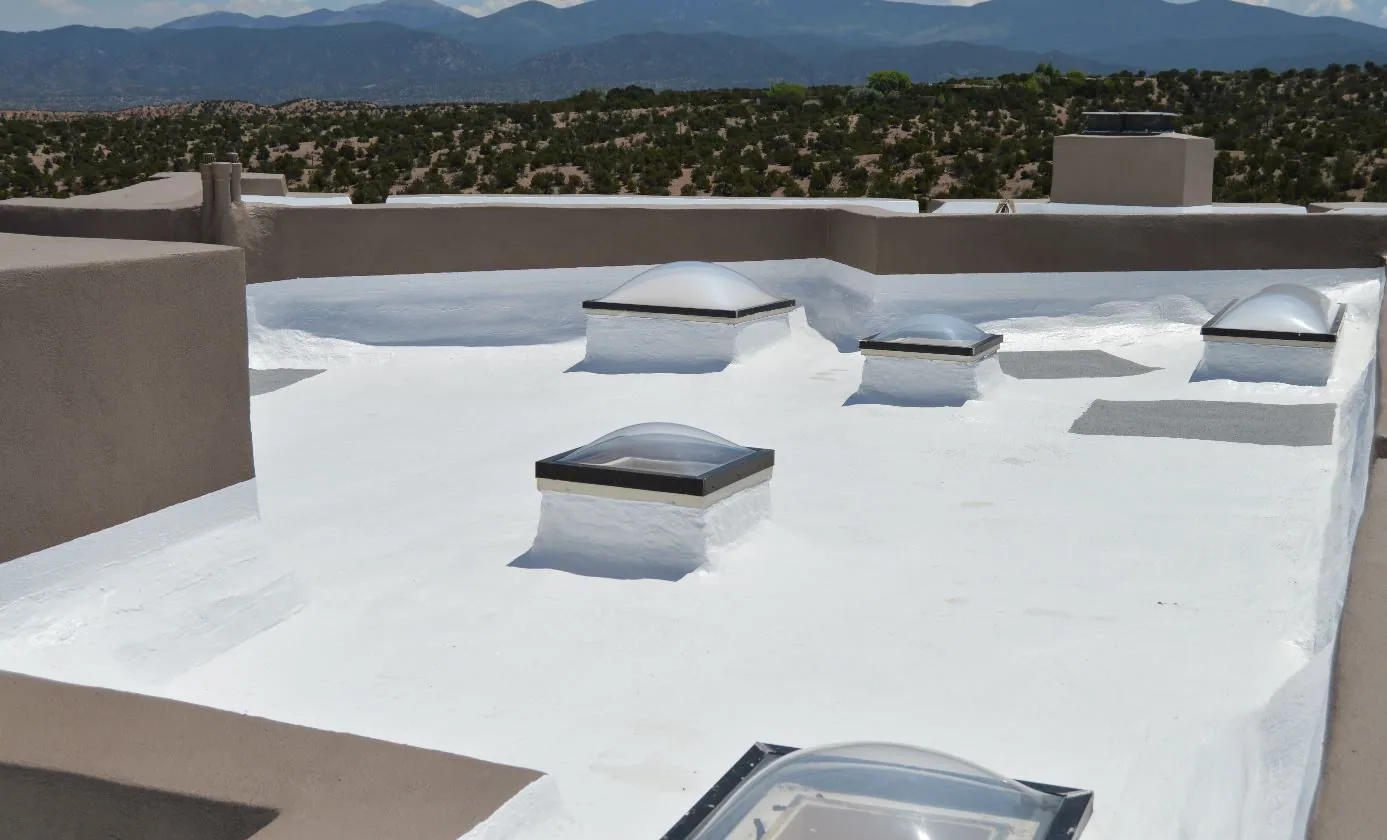
Commercial Roofing Questions
It depends on the roof's condition and the coating system. We do not promise a number. The core cuts, the moisture map and the adhesion test tell us how much life the roof has left, and we give a range with the basis.
Not by itself. A leak needs its source found and repaired first, then the coating seals the surface. Coating over a leak with wet insulation underneath traps the water and makes the problem worse.
Usually, when the roof qualifies. The saving disappears if the prep is large or the insulation is wet. We price the coating, the repairs it needs and the replacement side by side.
Late spring and early fall, outside the July to September monsoon and the freezing months that run from about October 21 through May 1. We apply early in the day on a dry surface.
A reflective surface lowers roof temperature, which can reduce heat entering the building. The effect depends on the insulation and equipment. We do not promise a savings figure.