Cold Storage Roofing in Prescott Valley, AZ
Roof inspection, moisture scans, repair and replacement for cold storage and freezer buildings in Prescott Valley, AZ, with photo findings first.
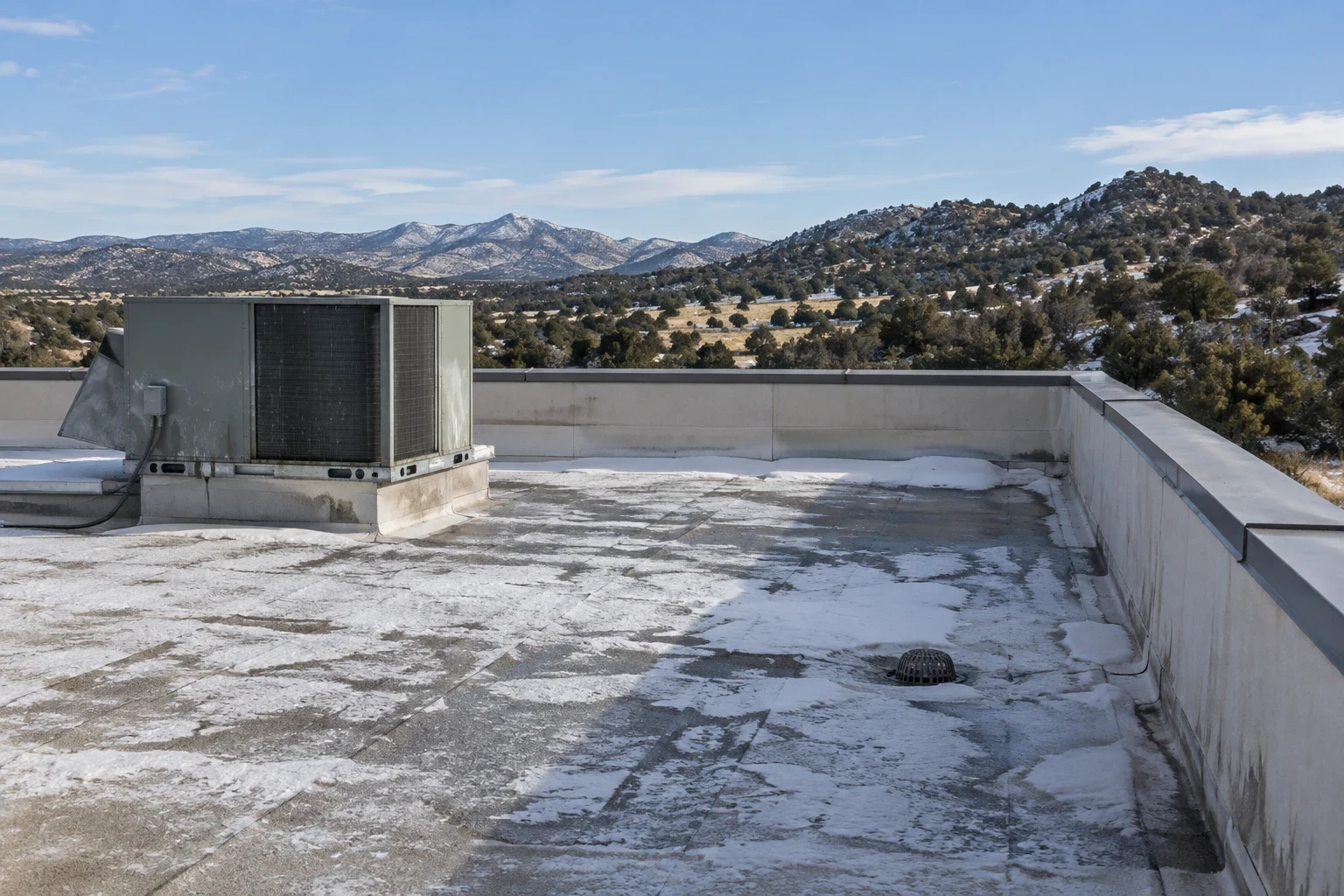
Look for frost under the roof edge. A cold storage roof can leak in two directions. Water comes in from above, and warm air leaks in from the sides. Where the two meet, ice forms in the insulation. We find it by scanning at dusk and by cutting a core. We walk cold storage roofs in Prescott Valley, AZ, probe the seams and photograph each finding. A written sheet arrives before any repair is priced. Then you choose what to fix now.
The stakes are different from a dry warehouse. Wet insulation in a freezer building turns to ice. Ice pushes the deck and the membrane apart.
Why cold storage roofs fail differently
A freezer holds the inside of the roof at a low temperature all year. The outside swings with the weather. Prescott's daily swing runs near 30 degrees. The difference between inside and outside is the engine of the problem.
Warm, moist air tries to move toward the cold side. It meets the cold deck and drops its water as frost. The frost builds up over months. In spring it melts and soaks the insulation. A roof can look fine from above while the layers below fill with water.
So the first test is not a visual one. It is a moisture scan.
Penetrations make it worse. Refrigerant lines, conduit and condensate drains all pass through the deck. Each one is a path for warm air. We look for frost rings around them and for sealant that has pulled away. A ring of frost at a pipe is a finding, and we photograph it.
What the scan and the core show
An infrared moisture survey finds wet insulation from the surface. Wet areas hold heat after sunset and show as warm patches. We mark them on a plan.
Then we cut cores at the marks. A core shows the layers and the ice. We note the thickness of the frost and the condition of the vapor retarder. We seal each cut and photograph it. The findings sheet shows both the scan and the cores, so you can see the cause beside the symptom.
If the cores come back dry, good. The roof can be repaired or restored. If they come back wet, the sheet says how much of the roof is affected. That number drives the cost. A small wet area is a patch. A wide one is a replacement.
What monsoon and freeze do to a freezer roof
Monsoon cells bring heavy rain, gusts and pea-sized to half-inch hail. On July 20, 2026, a storm crossed Prescott Valley with strong wind and hail, and it knocked down traffic signals and trees. A cold storage roof has less margin than a dry one. A single puncture over a freezer lets water meet ice.
Freezing mornings run from about October 21 through May 1. A seam that leaks in November can freeze in the insulation by December. We check seams and flashings before the freeze line arrives. Open laps and cracked sealant go on the repair list first.
Snow adds a load. Prescott averages about 10 inches a season, and melt has to find a drain. A blocked drain at the freezer edge lets meltwater pool and refreeze. We clear screens and test the flow. A snow and ice damage record helps when claims come up.
Where the buildings sit
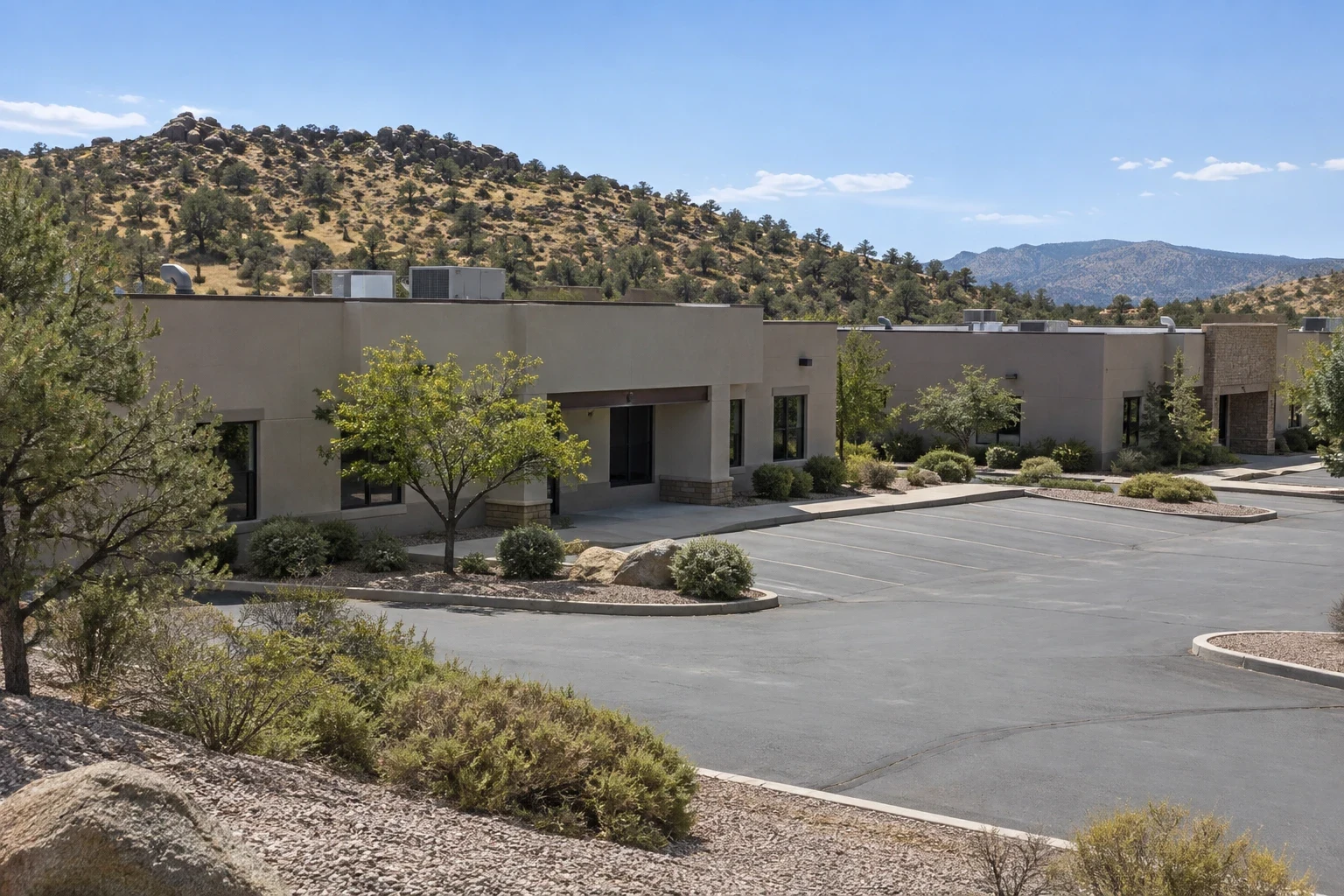
Cold storage buildings depend on truck access to the highway. In Prescott Valley, SR 69 and the east side supply it. The Fain Road corridor links SR 89A and SR 69, and Big Sky Business Park sits on East Florentine Road near Highway 69.
Roofs on newer buildings there tend toward metal or single-ply over tilt-up and steel frames. Both systems can serve a freezer, but each needs a vapor retarder detailed for the cold side. We read the roof plan and the manufacturer's data before we price a repair.
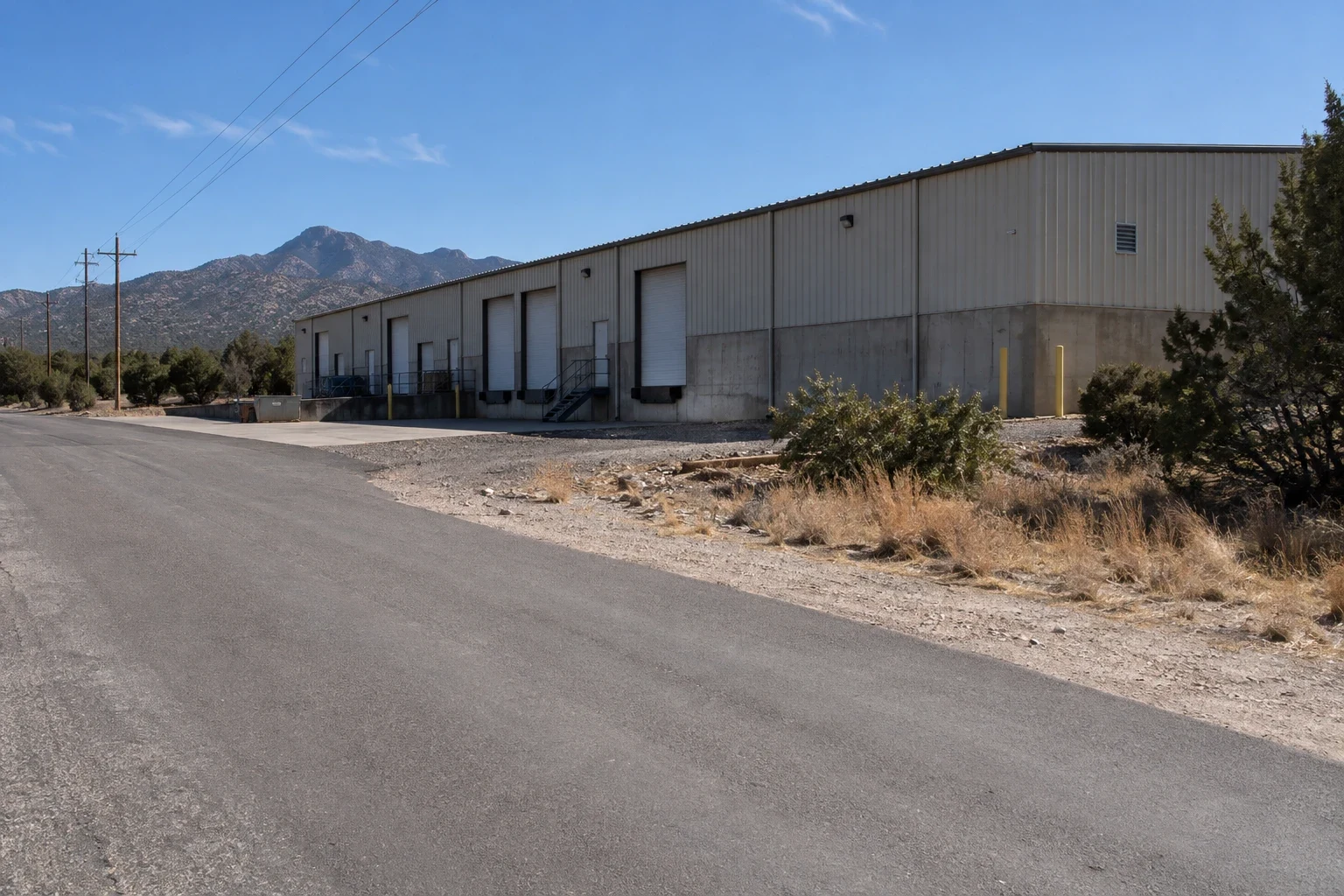
Trucks drive the schedule. Dock doors open and close all day, and cold air spills onto the roof edge near them. We check the edge metal and the wall flashing there. Cold, wet and moving doors work a seam loose. A tight edge is cheap. A wet edge is not.
What to repair now and what can wait
Repair now: leaks over frozen product, open seams, failed flashing at penetrations and blocked drains. Any one of them can put water into cold insulation.
Repair soon: cracked sealant, loose edge metal and torn pipe boots. They let in small amounts of moisture each season.
What can wait: chalking and light staining. We list each item with a photo and a price. A warehouse roof and a freezer roof share many details, but the freezer list is shorter and stricter.
What to ask for in writing
Ask for the core results and the scan plan. Ask for the vapor retarder details. Ask what the repair does to the warranty. Ask when refrigeration must be shut down, if at all.
For failing insulation, a recover is rarely the answer, because wet foam must come out. A full replacement with a continuous vapor retarder is the usual path. We open only as much roof as we can close the same day, so the product stays cold and dry. A distribution center on the same road may need only a repair.
Commercial Roofing Questions
Can a freezer building stay cold during a reroof?
Yes, if the work is planned well. We open the roof in small sections and dry in each section by the end of the day. The insulation and vapor retarder go in the same day, so the freezer deck is never exposed overnight. Tell us the temperature limits for your product and we set the sequence to hold them. We also agree on who watches the interior during the work, so a drip is caught in minutes and not hours.
How do we know if the insulation is wet?
Order a moisture survey and a few cores, and ask for the plan that shows them. A scan at dusk shows warm patches where water holds heat. Cores confirm the water and show the layers. Do not rely on a ceiling stain, since frost and condensation can hide a leak. We report the wet area on a plan with photographs. The same plan guides any later repair, so the crew cuts out only what is wet and leaves the dry insulation alone.
Is a coating a good idea for a cold storage roof?
Only if the insulation is dry and the vapor retarder is sound. A coating cannot fix wet foam, and it can trap moisture. We run the scan first. If the roof passes, a reflective coating lowers surface temperature and eases the load on refrigeration. If it fails, we price replacement.
What does hail do to a cold storage roof?
Hail can bruise or puncture a membrane, and a puncture over a freezer lets water meet ice. After a storm, we press on suspect areas and take cores where needed. A dated photo set helps with an insurance claim, so call within a week of the storm.
Should we replace the roof before it fails?
If cores show widespread wet insulation, yes. Waiting lets ice damage the deck and the structure. We give you the cost of repair beside the cost of replacement, and the core photographs show why. The written sheet also lists the order of work, so the first phase covers the wettest area and the rest follow as budget allows. Plan the work for the warm months, from late spring to early fall.
Request a walk-through
Ask for a walk-through of your cold storage roof. We send a written findings sheet with photos before we price any repair. You decide what to fix now and what can wait.
Request a Roof Assessment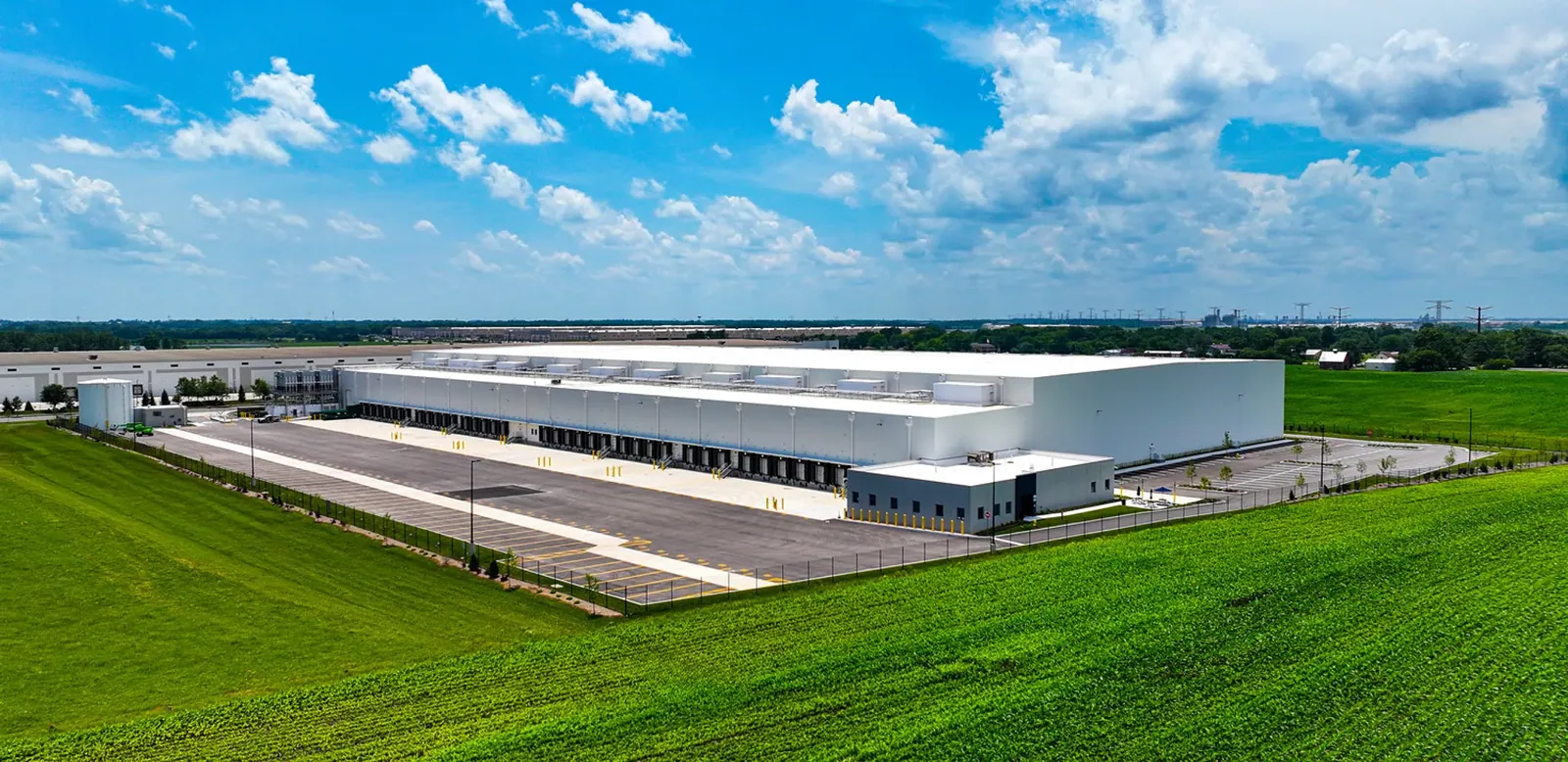
Commercial Roofing Questions
Yes, if the work is planned well. We open the roof in small sections and dry in each section by the end of the day. The insulation and vapor retarder go in the same day, so the freezer deck is never exposed overnight. Tell us the temperature limits for your product and we set the sequence to hold them. We also agree on who watches the interior during the work, so a drip is caught in minutes and not hours.
Order a moisture survey and a few cores, and ask for the plan that shows them. A scan at dusk shows warm patches where water holds heat. Cores confirm the water and show the layers. Do not rely on a ceiling stain, since frost and condensation can hide a leak. We report the wet area on a plan with photographs. The same plan guides any later repair, so the crew cuts out only what is wet and leaves the dry insulation alone.
Only if the insulation is dry and the vapor retarder is sound. A coating cannot fix wet foam, and it can trap moisture. We run the scan first. If the roof passes, a reflective coating lowers surface temperature and eases the load on refrigeration. If it fails, we price replacement.
Hail can bruise or puncture a membrane, and a puncture over a freezer lets water meet ice. After a storm, we press on suspect areas and take cores where needed. A dated photo set helps with an insurance claim, so call within a week of the storm.
If cores show widespread wet insulation, yes. Waiting lets ice damage the deck and the structure. We give you the cost of repair beside the cost of replacement, and the core photographs show why. The written sheet also lists the order of work, so the first phase covers the wettest area and the rest follow as budget allows. Plan the work for the warm months, from late spring to early fall.