Roof Recover and Overlay in Prescott Valley, AZ
Recovering a commercial roof in Prescott Valley, AZ without a full tear-off, when moisture readings, code and the roof deck allow it.
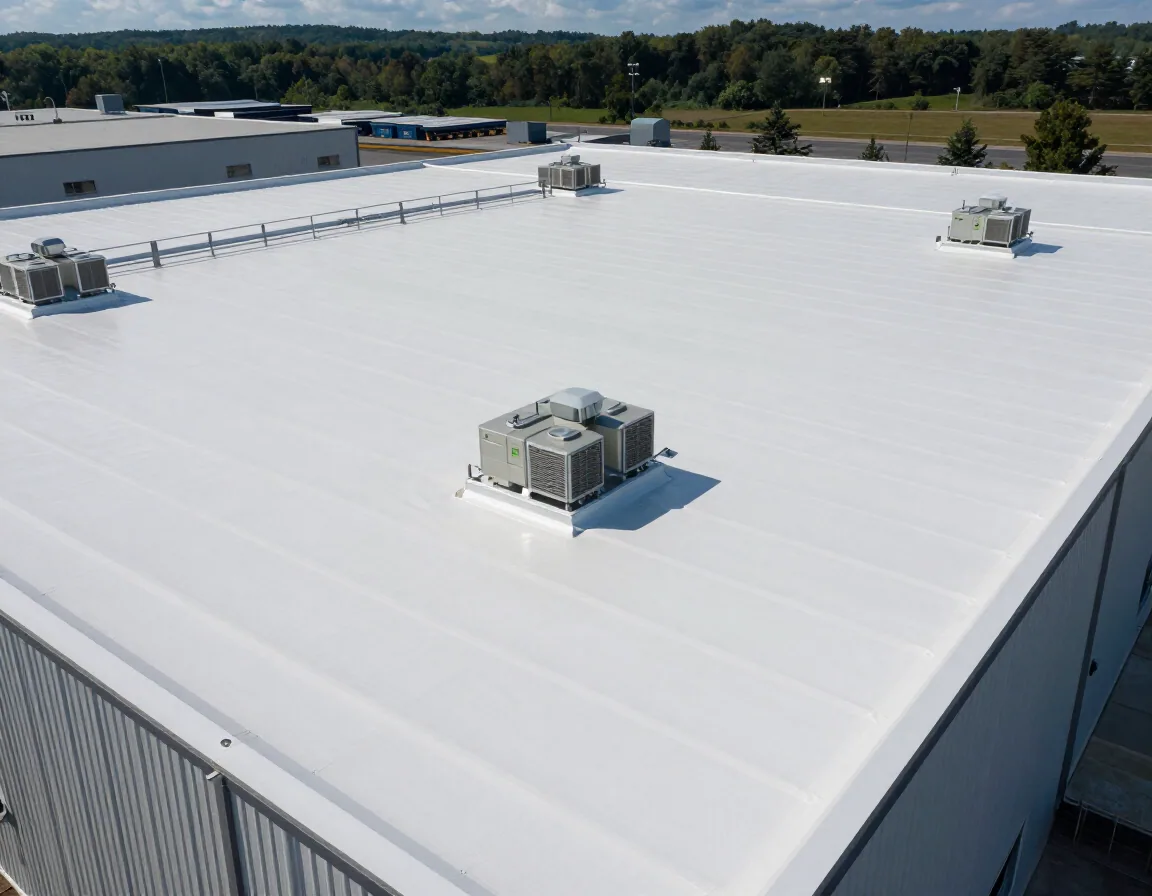
A recover is a bet on what is underneath. The new membrane goes on top, the old roof stays, and every dollar saved on tear-off depends on that old roof being dry. So we check before we quote. In Prescott Valley, AZ, we probe the seams, scan for heat patterns and cut cores at the low points, then ask one question: is anything wet down there?
When the answer is no, a recover can be a sound choice. It skips the dump fees and the days of open deck, and the building stays quieter during the work. When the answer is yes, a recover seals water into the roof and the damage keeps spreading. We say so plainly and move the job to a full replacement. The findings sheet shows both cases with photographs, so the decision is yours and rests on evidence.
Four Checks Before a Recover
First, moisture. An infrared scan on a clear evening shows where heat lingers in damp insulation, and we confirm each suspect area with a core. Our infrared moisture survey maps the wet zones so the cores are not guesses. Second, layers. Most codes limit the number of roof coverings on a building, and a roof that already has two layers generally has to come off. Third, the deck. A recover adds fasteners, and fasteners need sound deck to hold. Fourth, the old membrane itself. It must be clean, mostly flat and free of blisters that would telegraph through.
If all four checks pass, we pick a recover board or a slip sheet that separates the old and new materials. That layer matters. Old asphalt and some single-ply products react with new membranes, and a chemical mismatch can shorten the life of the new roof by years. We match the separation layer to the old surface and to the new system before we order material.
Monsoon and Freeze Both Test a Recover
Prescott Valley averages about 15 inches of precipitation a year, and most of it comes down in short July and August cells. A recover has fewer open-deck hours than a tear-off, which helps. The old roof stays as a dry layer while the new one goes down. We still stage the work so no seam edge is left unwelded or unsealed at the end of a shift, because a gust front can lift a loose edge in seconds.
Winter is its own test. Prescott records freezing temperatures from about late October into the spring and about 10 inches of snow in a typical season. Water that gets between layers freezes, expands and lifts the new membrane. The seams of a recover must be tight and the perimeter must be sealed, or the freeze finds the opening. We pay special attention to edges, drains and curbs, where trapped water collects.
Thermal swing matters too. Daily temperature swings in Prescott run near 30 degrees, and two stacked layers move at different rates. Mechanical fastening through both layers keeps them working together.
Roofs Where a Recover Fits
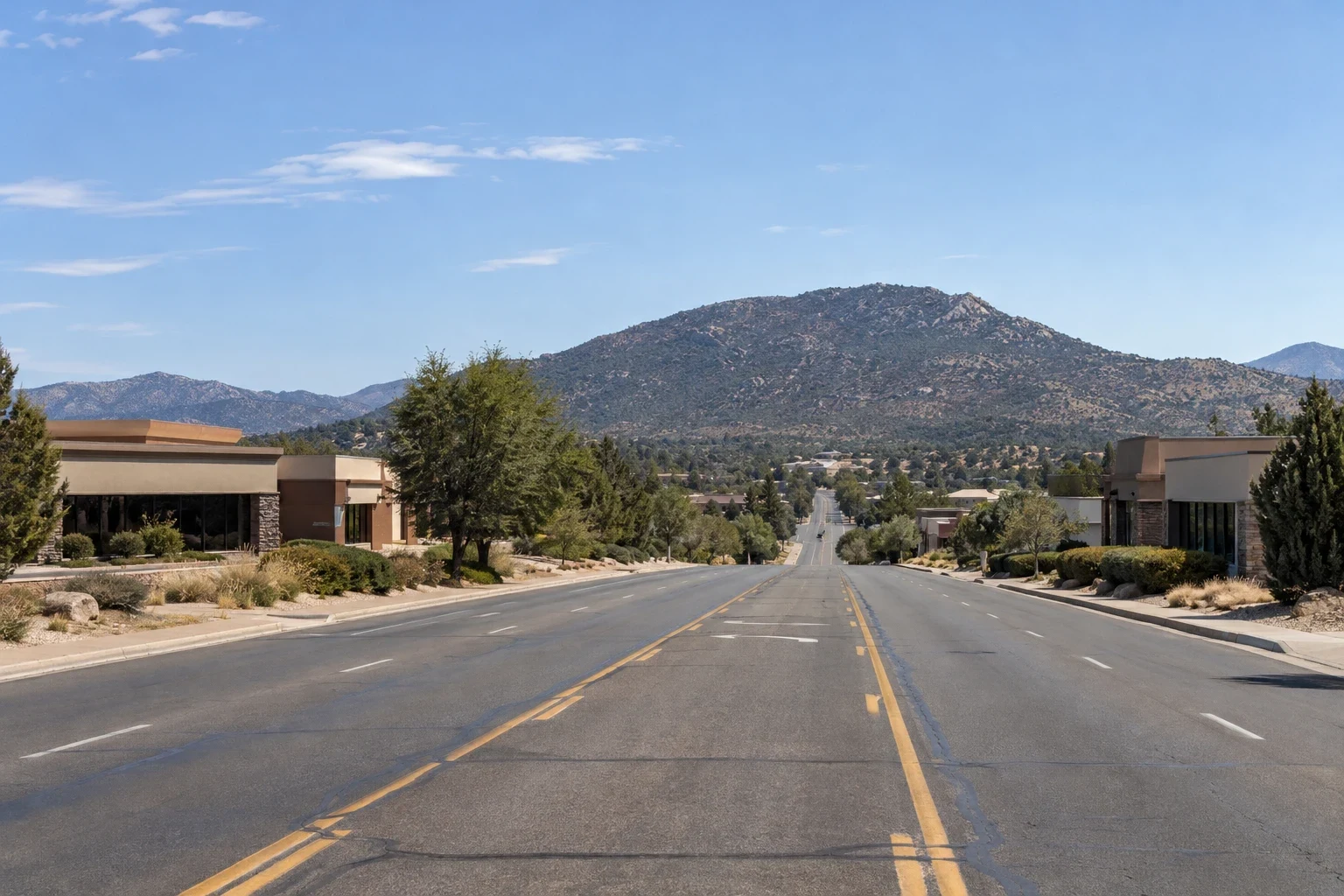
Retail power centers such as the shops near Glassford Hill Road often have large, flat expanses with limited rooftop equipment. If the existing roof is a single dry layer, a recover can cover them with less disruption to tenants and shoppers. Smaller commercial buildings in Chino Valley and Dewey-Humboldt can be good candidates for the same reason, as long as the core results hold up.
Where a recover rarely fits: roofs with chronic leaks, standing water that has soaked the insulation, or buildings where rooftop units will be replaced soon. In those cases we recommend putting capital into the planned repairs that stop water now and into a replacement scheduled on your calendar, instead of burying a wet roof.
Metal roofs are a separate case. A metal retrofit can sometimes be framed over an old low-slope roof, adding pitch for drainage. That is a recover in the structural sense, and it follows its own checks for load and attachment.
Fastening, Edges and Drains
Attachment is where a recover earns its life. On a steel deck, the fasteners go through the new board, the old layers and into the deck flutes, so they must be long enough to bite and placed to hit the supports. Our crews mark the deck lines from the underside or from drawings before they pull the first screw. Pull tests on a few fasteners tell us whether the deck will hold. If the test results are poor, we change the fastener or the pattern before the roof is covered.
Edges get the heaviest attachment. Gust fronts from a monsoon cell hit the perimeter first, and the corners see the highest uplift. The new edge metal is built up to the new surface height, fastened to the structure and sealed under the membrane. Drains need the same care. A recover raises the surface, which can leave drain bowls sitting high. We extend or replace them so water still moves toward the outlet and does not pool around it.
What You Receive in Writing
The written scope names the number of existing layers, the core locations, the moisture readings and the reason a recover was chosen. It also notes which details need rework: curbs, pipe boots, edge metal and drain bowls. A recover raises the roof surface by an inch or more, so every flashing and edge must be raised to match. Flashing left at its old height is the classic failure of a poorly planned overlay, because water runs right over it.
If the manufacturer's warranty is a goal, the written scope also states what the manufacturer requires for a recover over your existing system, so the application is correct before work begins.
Commercial Roofing Questions
How can a recover be right when the old roof is already leaking?
Usually it cannot. A leak means water has been entering for some time, and insulation under the leak is probably wet. We locate the wet zones, cut them out and patch the insulation, then decide whether the remaining roof is dry enough to cover. If more than a small portion is wet, replacement is the better investment.
Does a recover change the weight on my structure?
It adds weight, and the added layer, any cover board and ballast or fasteners all count. Snow adds load as well, and Prescott averages about 10 inches in a season. We check the layer count and the structure's capacity against the added material before recommending a recover, and we stop if the numbers do not work.
What is the slip sheet between the old and new roof for?
Some older membranes release oils or solvents that attack new single-ply sheets. A slip sheet or recover board isolates the two. Without it, the new membrane can soften, shrink or lose its bond. We choose the separation layer to suit both the old surface and the new system.
Will the building stay open during a recover?
Yes. With no tear-off, there is less debris and less noise, and the deck is never exposed. We still plan loud work around business hours and keep materials away from entrances. Retail and medical tenants usually notice the difference compared with a full replacement.
When should I expect to replace the roof after a recover?
A recover buys time on the existing structure, and the new membrane carries its own service life. The old layers underneath still age, so the next project is usually a full tear-off of both. We note the date and condition of every layer in your file so you can budget for it.
Let the Cores Decide
Ask for a walk-through and we will scan, probe and cut cores. You receive a written findings sheet with photographs that says plainly whether your roof can be recovered, and what it will take.
Request a Roof Assessment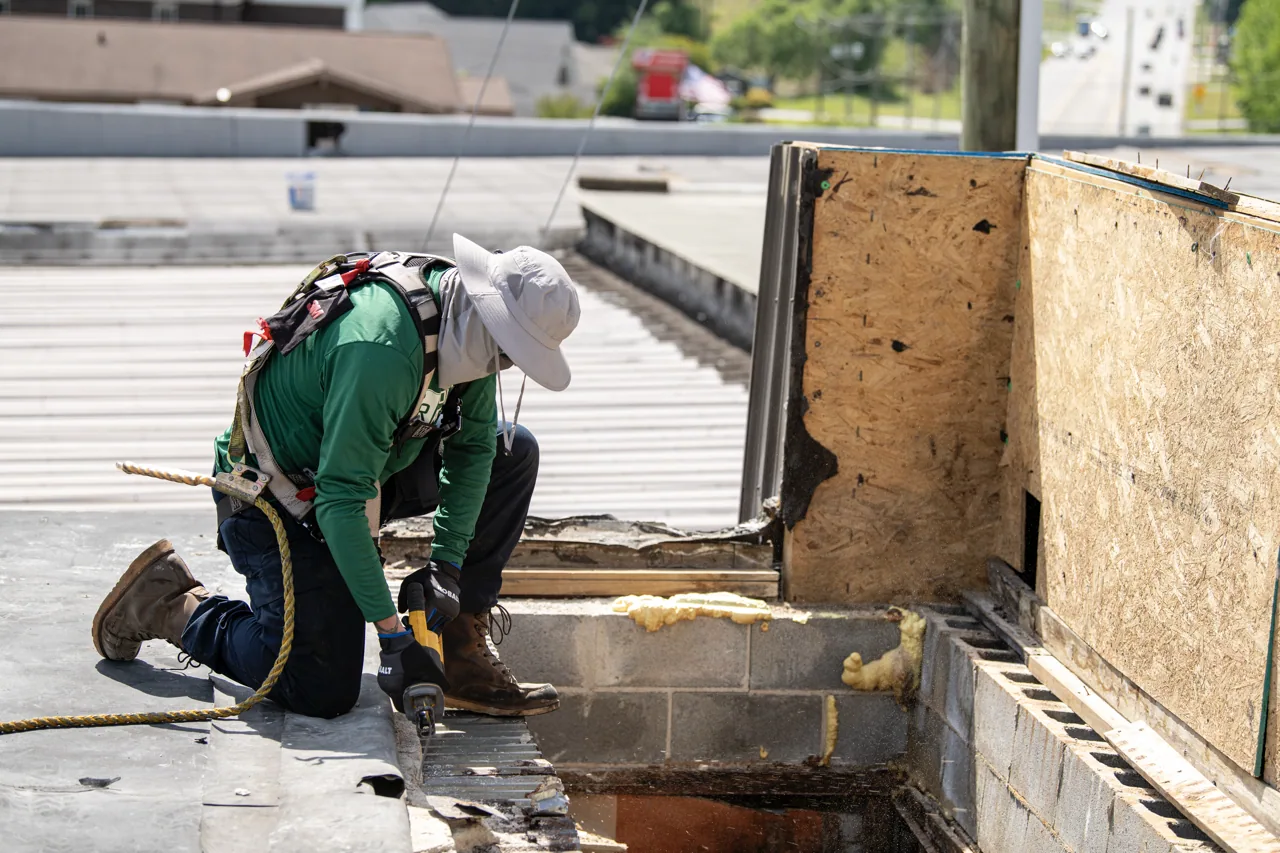
Commercial Roofing Questions
Usually it cannot. A leak means water has been entering for some time, and insulation under the leak is probably wet. We locate the wet zones, cut them out and patch the insulation, then decide whether the remaining roof is dry enough to cover. If more than a small portion is wet, replacement is the better investment.
It adds weight, and the added layer, any cover board and ballast or fasteners all count. Snow adds load as well, and Prescott averages about 10 inches in a season. We check the layer count and the structure's capacity against the added material before recommending a recover, and we stop if the numbers do not work.
Some older membranes release oils or solvents that attack new single-ply sheets. A slip sheet or recover board isolates the two. Without it, the new membrane can soften, shrink or lose its bond. We choose the separation layer to suit both the old surface and the new system.
Yes. With no tear-off, there is less debris and less noise, and the deck is never exposed. We still plan loud work around business hours and keep materials away from entrances. Retail and medical tenants usually notice the difference compared with a full replacement.
A recover buys time on the existing structure, and the new membrane carries its own service life. The old layers underneath still age, so the next project is usually a full tear-off of both. We note the date and condition of every layer in your file so you can budget for it.