Commercial Roofing in Chino Valley, AZ
Roof inspection, snow and ice repair, insulation checks and phased replacement planning for commercial buildings in Chino Valley, AZ along Highway 89.
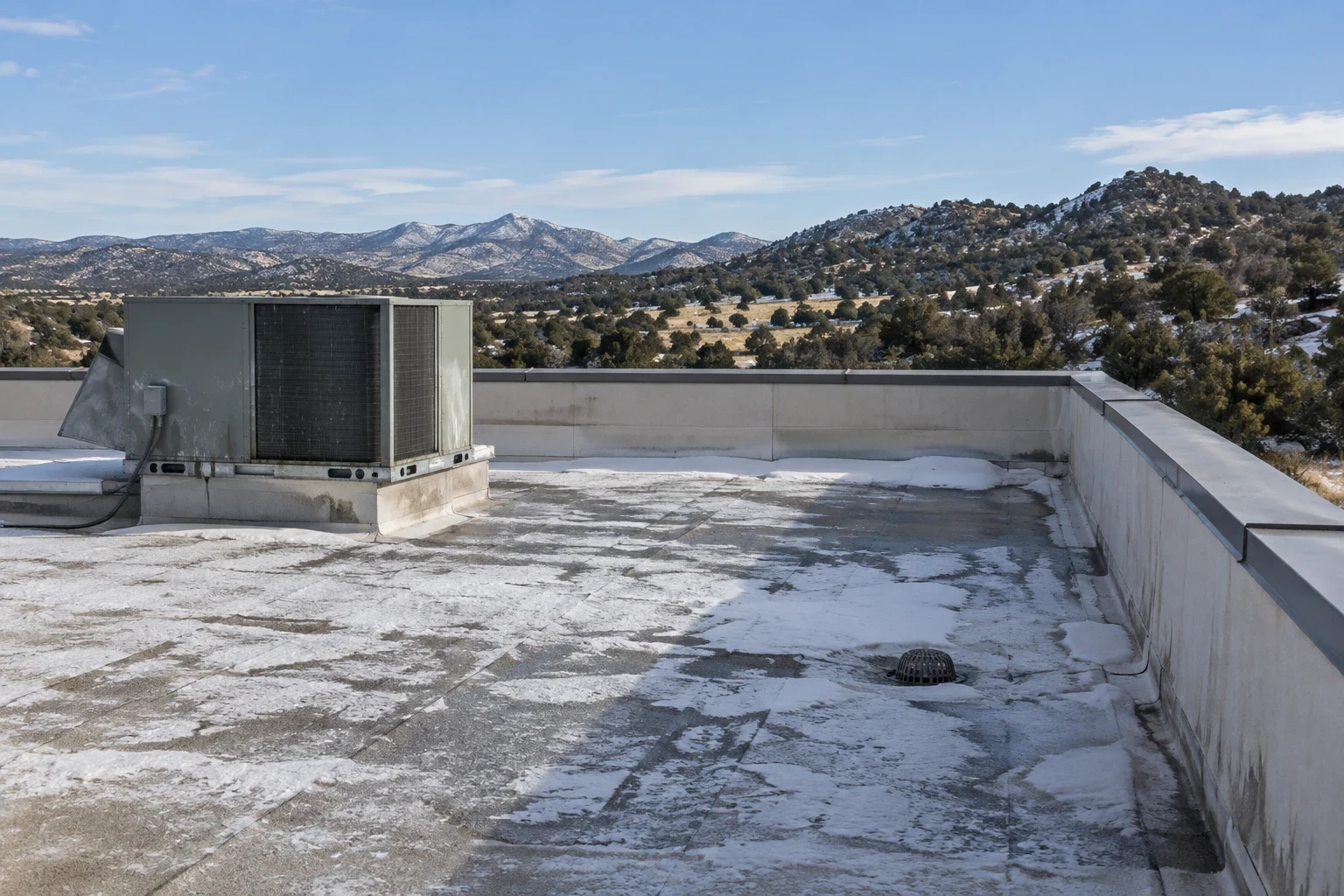
Check the roof edge on a January morning. A line of ice along the eave tells you where heat is leaking up through the deck. It also tells you where meltwater is refreezing and prying at the roof edge. Chino Valley, AZ sits at about 4,734 feet on State Highway 89, roughly 15 miles north of Prescott. The town is drier than Prescott Valley. It averages about 11.5 inches of precipitation and about 7.1 inches of snow a year.
We inspect, repair and replace commercial roofs here. We walk the roof, probe the seams and photograph what we find. You get a written findings sheet before any repair is priced. The sheet shows what the roof is doing now, so you can decide what to fix this year and what can wait for the budget cycle.
What a cool, dry winter does to a roof
Seven inches of snow a year is not a heavy load. It is enough to expose weak spots. Snow melts first where heat escapes, and that water runs to the eave and freezes. Over a season, the same spot thaws and freezes again and again. A seam at that spot opens a little each time.
We look for four signs. Staining on the underside of the deck. Wet insulation near the edge. Ice damage on gutters and downspouts. Cracks in sealant at the roof-to-wall joint. Any one of them is a reason to cut a core. The core shows whether insulation has absorbed water, and wet insulation loses much of its value. Our snow and ice damage repair starts with that evidence, not with a guess about the cause.
Gutters and downspouts deserve their own look. Ice dams build behind a gutter that is full of debris, and the weight bends the bracket. We clear the run, check the slope and test each downspout with water. A downspout that is frozen at its outlet sends water back onto the roof edge. Heat cable helps in a few places. It is a patch, not a cure, and we say so on the sheet.
A growing town
Chino Valley counted 13,020 residents in 2020, up 20.4 percent from 2010. Growth like that can bring new commercial buildings, and newer buildings bring a different job. The roof may be sound. The record may not exist. Warranty papers, installer notes and the first inspection photos go missing in the first few years.
We start a file for a new roof on day one. It holds a baseline walk, a drain count, a seam map and the warranty terms. Five years later, the next inspector can compare the roof to its own history. A condition report built that way costs less to produce and carries more weight with a lender or a board.
Public and institutional buildings
Yavapai College operates a campus in town. Public and institutional owners work to a calendar. Classrooms and offices need dry ceilings by the first day of the term, and work that lands in a break must finish before the break ends. We build the schedule backward from that date.
Roof work near occupied rooms needs a plan for noise, dust and fumes. Intake vents are shielded. Hatch access is agreed with the facilities staff. Material is staged away from walkways. The same checklist applies to any college or university building: access, ventilation, noise, and a named contact for every roof hatch. The Chino Valley Unified School District serves most of the Paulden area, so school roofs up the highway share a long to-do list and a short summer.
Metal roofs and long runs
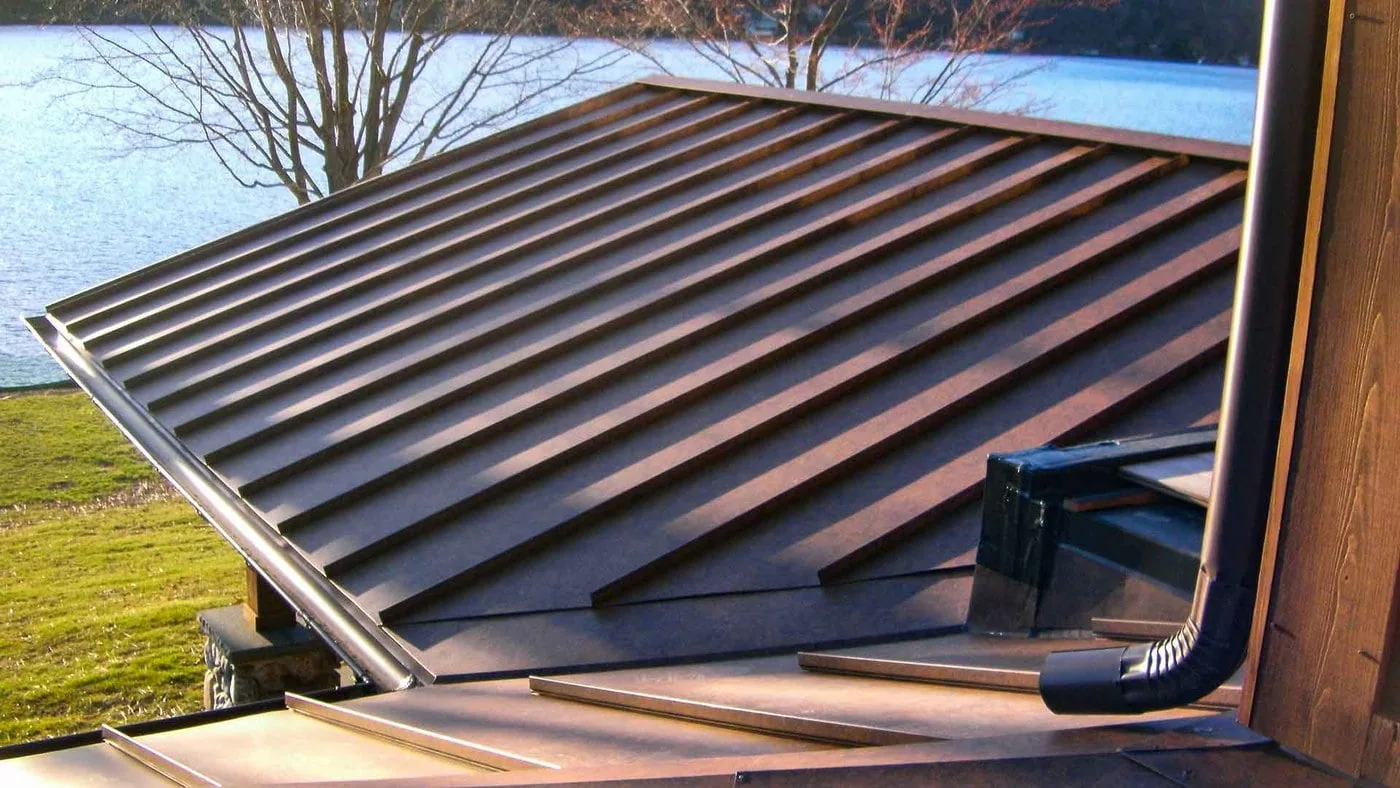
Metal deserves a look in a cool region with snow. A standing seam metal roof sheds snow and moves with temperature. It also lets snow slide. A sliding sheet of snow can tear a gutter or hit a walkway. We check for snow guards and note the fall zone below each eave.
On an older metal roof, we check fasteners first. Thermal movement backs them out over the years, and an exposed fastener head is a small hole in the roof. Re-fastening and resealing is a modest repair. We tally the heads and price the job by count, so you see the figure before the work starts.
Panel ends and ridge caps get the same attention. Wind lifts a loose cap, and the gap lets in blowing snow. We photograph every cap and fastener row from the roof and mark any that have shifted.
Monsoon cells and what they leave
Prescott records its wettest weather in the July to September monsoon, with rain, wind, hail and thunderstorms, and Chino Valley sits in the same weather pattern 15 miles north. A cell can pack drain screens with gravel and leaves in minutes. It can also carry grit that scours the surface of a coated roof.
After a cell crosses, we check three things. Whether water stood at the low spots. Whether the edge metal moved. Whether the surface shows pits or scuffs. Each one gets a dated photo. If the same low spot holds water twice in one season, we call it a ponding line and mark it for a fix. A new or enlarged drain or tapered insulation can end it. A small crew can clear the screens in one trip, and the cost is low compared with a ceiling and the work that follows a leak.
Insulation tells the story
The membrane shows age. The insulation shows damage. We scan the roof for moisture and mark wet areas on a diagram. Then we cut cores at the worst points. A dry core says the sheet can be repaired or restored. A wet core says the section must come out. Where heat loss is the cause of ice, an upgrade to insulation and cover board during replacement can cut the problem at the source.
Ice may come from a leaking attic duct, a missing air seal or a bare patch of insulation. The findings sheet names what we saw and what we suspect. Facility directors then decide how far to go.
Along Highway 89
Highway 89 runs from Prescott through Chino Valley and on north through Paulden. We schedule walks up the corridor in groups, and a facility manager with two buildings can often have both walked on one trip. Buildings closer to Prescott fit the same trip. Drain clearing ahead of the monsoon, from July through September, is the routine maintenance visit that most roofs here need.
Commercial Roofing Questions
Why does ice form at the eave on a commercial building?
Heat leaks through the deck and melts snow high on the roof. The water runs down to the cold eave and refreezes. The cause is usually missing insulation or an air leak, and the fix is at the source, not only at the edge.
Does Chino Valley get enough snow to worry about?
About 7.1 inches a year is modest. The concern is the freeze and thaw cycle more than the weight. Seams and flashings that open a little each night will leak by spring.
What should be on file for a new commercial roof?
A baseline walk with photos, the warranty terms, the drain count and a note of what the installer used. Add each repair with its date. That file settles most disputes before they start.
Can school or college roof work be timed to a break?
Yes. We plan backward from the date classrooms must be dry. Large scopes go in the longest break, and small repairs are sequenced so no room is open to weather.
When is a metal retrofit worth pricing?
When the old roof is dry and the structure can carry the load. A moisture scan and a core answer both questions before any retrofit cost is quoted.
What does a monsoon cell leave on a roof?
Gravel and leaves in the drains, lifted edge metal and sometimes pea-sized hail marks. A walk within a few weeks finds all three while the photos still show a clear before and after.
Request a walk-through
Ask for a roof walk on your Chino Valley building. We will deliver a written findings sheet with photos before any repair is priced.
Request a Roof Assessment
Commercial Roofing Questions
Heat leaks through the deck and melts snow high on the roof. The water runs down to the cold eave and refreezes. The cause is usually missing insulation or an air leak, and the fix is at the source, not only at the edge.
About 7.1 inches a year is modest. The concern is the freeze and thaw cycle more than the weight. Seams and flashings that open a little each night will leak by spring.
A baseline walk with photos, the warranty terms, the drain count and a note of what the installer used. Add each repair with its date. That file settles most disputes before they start.
Yes. We plan backward from the date classrooms must be dry. Large scopes go in the longest break, and small repairs are sequenced so no room is open to weather.
When the old roof is dry and the structure can carry the load. A moisture scan and a core answer both questions before any retrofit cost is quoted.
Gravel and leaves in the drains, lifted edge metal and sometimes pea-sized hail marks. A walk within a few weeks finds all three while the photos still show a clear before and after.