Commercial Roofing in Paulden, AZ
Commercial roof inspection, wind repair, leak tracing and metal roof service for buildings along State Route 89 in Paulden, AZ, with findings before pricing.
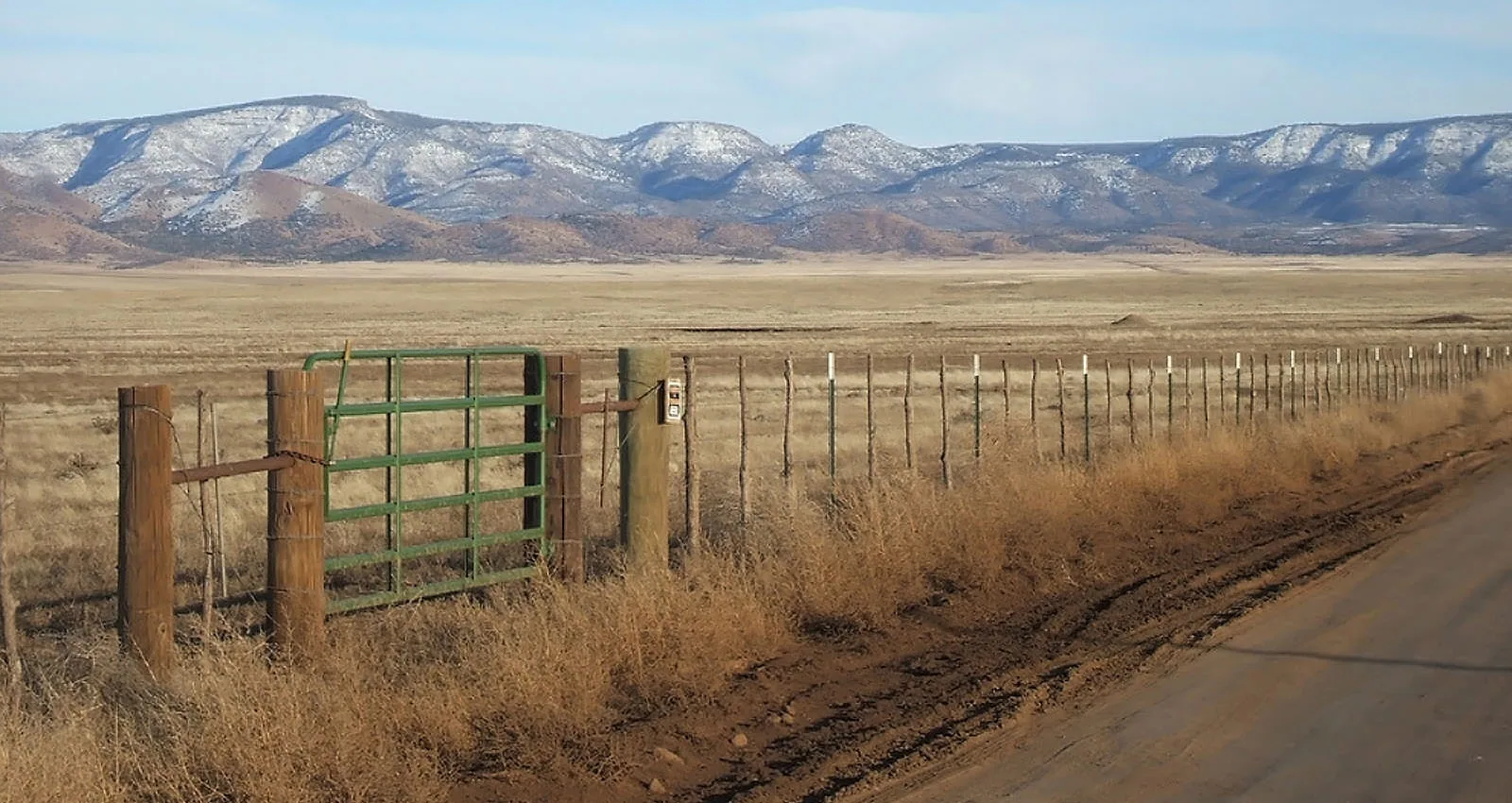
Count the fasteners that have backed out of a metal panel. Each raised screw head is a small hole waiting for rain. A roof with a dozen is a nuisance. A roof with hundreds is a plan. Paulden, AZ lies along State Route 89 north of Chino Valley, on the route that runs north from Prescott through Chino Valley. It had 5,567 residents and 2,387 housing units in 2020, at an elevation of 4,364 feet.
Commercial roofs here get a hands-on walk, a probe along each seam and photographs of what turns up, and the written findings sheet reaches the owner before any repair has a price. It puts the facts in one place, so an owner can decide without a second visit.
A long road and a long list
Paulden lies along a state route, and that shapes the work. Distance between sites becomes part of the schedule. A crew that drives to one site can often reach a second on the same trip, so we group visits by the stretch of road. A facility owner with a building in Paulden and another in Chino Valley gets one scheduled day instead of two.
Distance also matters in an emergency. A leak call at night needs a plan for who goes up, how the water is stopped and how the building is covered. We give travel time when the call is booked, and the first visit focuses on stopping water, with a leak repair to follow once the roof is dry enough to work on.
The same route carries trips from Prescott northward. The truck carries spare fasteners, sealant and temporary cover on the truck, because a second trip for a missing part is the costliest kind of delay on a long run. Each visit ends with a short written note of what was done and what remains.
Why fasteners back out
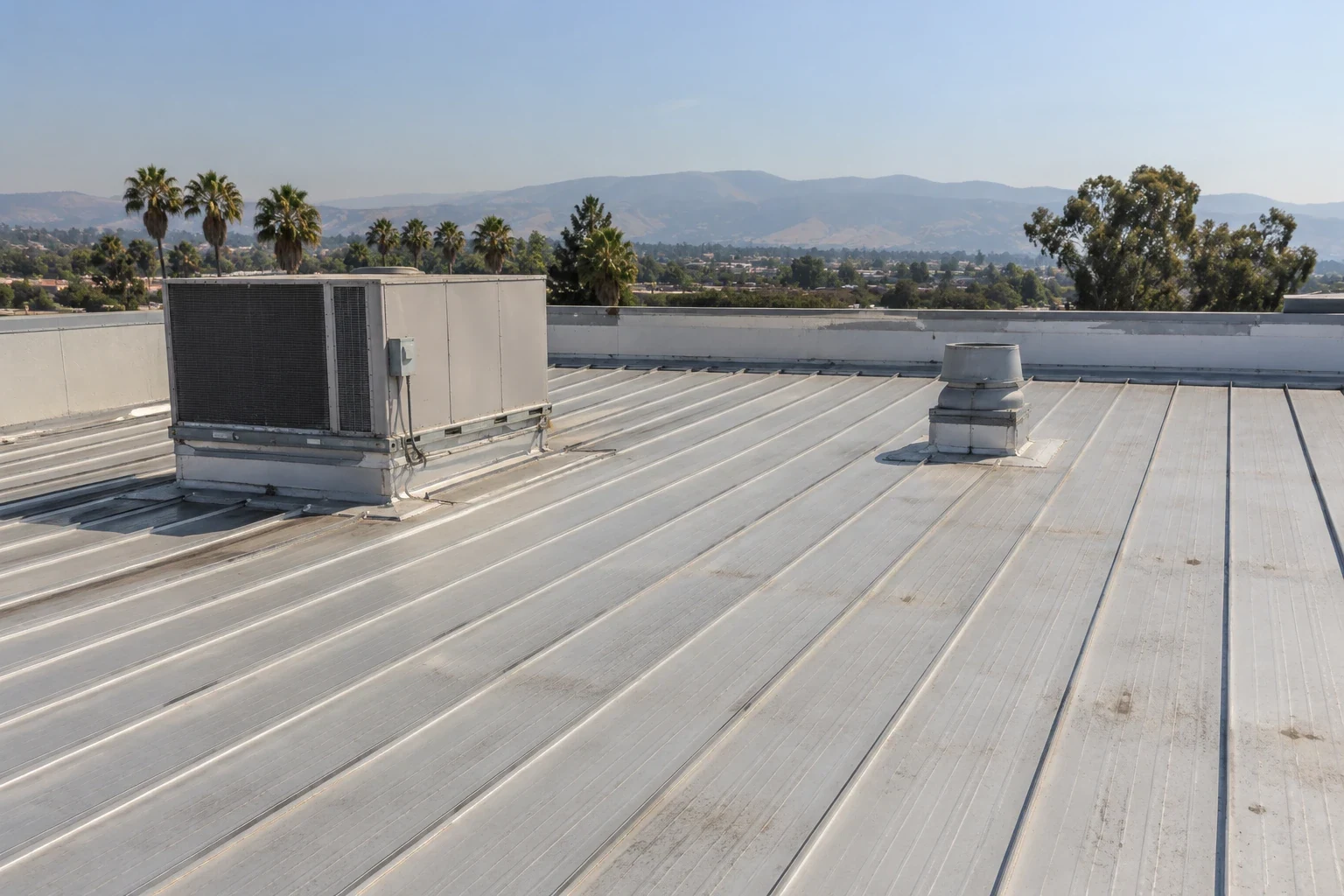
A metal panel expands and contracts every day. Daily temperature swings near Prescott average nearly 30 degrees, and a roof in this region follows the same rhythm. Each cycle tugs at the screws that hold the panel. Over the years the hole in the metal wears, and the screw loosens. The rubber washer under the head dries out and splits. Water follows the screw into the deck.
We check each fastener row with a hand tool. We tighten what can be tightened and replace what cannot. Where a screw hole has worn too wide, we use an oversized fastener or a patch. We write the count on the sheet. A count turns a vague worry into a repair order that an owner can price. For roofs that are past patching, a metal roof retrofit may sit over the old panels, if the structure allows.
Panel seams and laps need the same care. A lap that has opened by a finger's width lets wind-driven rain in sideways. We seal laps with a compatible sealant and tape, and we photograph the work before and after. Corrosion at the cut edge of a panel is the other thing we look for. Rust starts small and spreads under the paint, so catching it early saves a panel.
Wind across open ground
Rain, wind, hail and thunderstorms arrive with each monsoon season around Prescott, and a small tornado north of Prescott Valley on May 6, 2025 was videoed tearing a few shingles off a roof. That event was not in Paulden, and it is no proof that any roof here was hit. It does remind owners that wind in this region can lift loose parts.
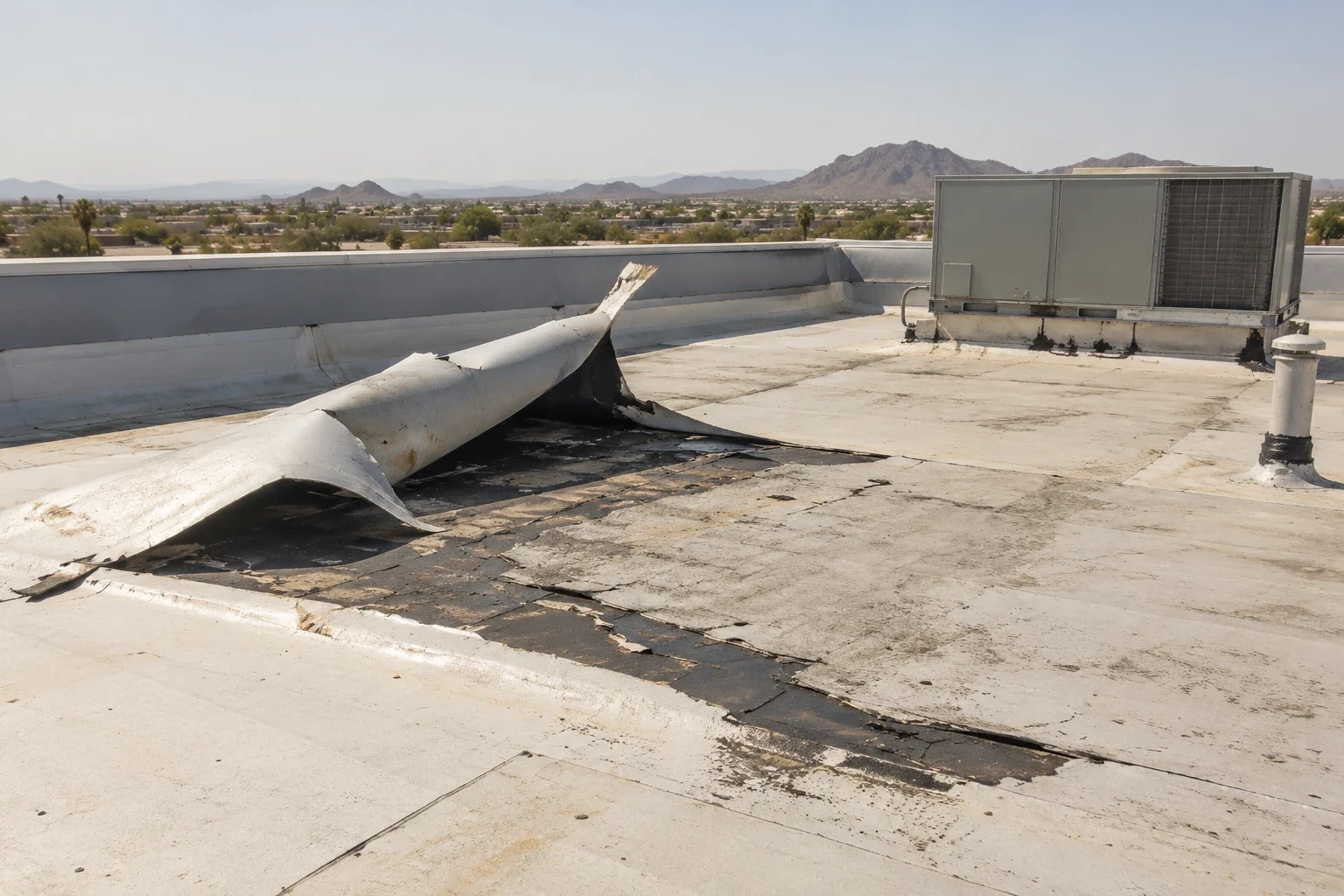
Wind starts at the edge. We check wind damage where the roof meets the sky: ridge caps, rake trim, eave metal and the last row of fasteners. A building in open country has little to slow the gusts. We look for bent metal, gaps at the trim and missing sealant. A tight edge does more than any other detail to keep wind from getting under the roof.
Ground-level signs help too. Bent metal in the yard, a dislodged cap on the lawn or dents on a nearby vehicle tell us a gust has passed through. Owners can send photos before a visit, and we use them to plan the crew and the materials. The roof walk then confirms or rules out damage.
Penetrations and skylights
Pipes, vents and skylights break the roof surface. Each break needs a flashing, and each flashing has a service life. Rubber boots crack. Sealant dries. A skylight frame can open at a corner after years of movement.
We photograph each penetration and probe the flashing. Our skylight and penetration flashing work replaces failed parts and seals the new ones. Cheap and early is the rule for flashing. A boot swapped now costs a fraction of a ceiling swapped later.
Pipe boots wear out faster on roofs that see long sun exposure, and the rubber collar splits along the top edge first. A split collar lets water run down the pipe and into the ceiling, often far from the pipe itself. That is why stains on a ceiling are poor guides to the leak's origin. We trace the water back up the deck before we pick a repair.
School and public buildings
The Chino Valley Unified School District covers most of the Paulden area. School buildings have their own calendar. Work waits for summer, and summer is short. A roof with known problems should be on the list in winter, not June. We write a scope for each building, rank the items and give the district a plan it can budget.
Sequencing is the whole job for school roofing, and it is how we serve school districts that carry many buildings. Small repairs go in as soon as they are found. Large scopes go in the summer break. Nothing waits for a leak to find a classroom.
Cold mornings and old sealant
Freezing temperatures in the Prescott area run from about October 21 through May 1. Paulden sits lower than Prescott Valley, but it shares the season in broad terms. Cold hardens old sealant and makes it brittle. A thaw then opens the crack. So we check sealant lines in fall, before the first frost, when a fix is easy.
We also look at storm damage from the summer that has been left alone. A dent in a panel or a gap at a trim joint can sit unnoticed until winter. Early photos give a clean record.
Commercial Roofing Questions
How many backed-out screws are too many?
A dozen can be reset in a visit. Hundreds mean the washers and holes have worn out, and the roof needs a full fastener plan, or a retrofit. A count on the sheet shows which case you have.
Can one trip cover buildings in Paulden and Chino Valley?
Usually yes. They lie on the same highway, so we group walks by the stretch of road and schedule them in one day.
What should I do if a leak starts at night?
Call, and move items out from under the drip. We stop water first and write the permanent scope afterward. Photographs of the damage should be taken before anything is moved.
Do boots and skylights need regular attention?
Yes. They are the most common small leak sources. A look at each one during the spring and fall visits keeps minor wear from turning into a ceiling repair.
Does a retrofit require removing the old roof?
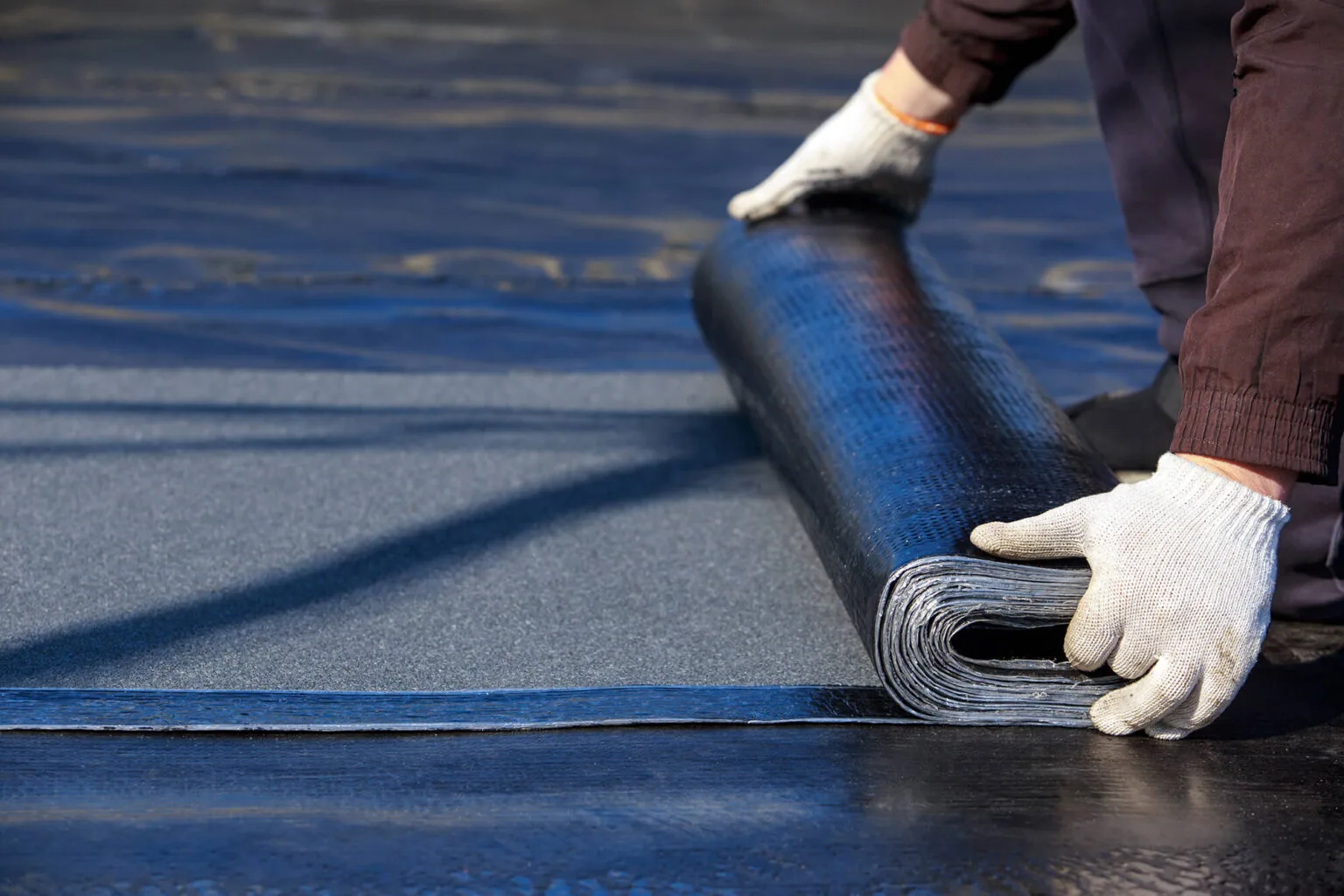
Not always. A metal retrofit can go over a sound existing roof if the structure carries the load and the insulation is dry. A moisture scan and a structural check come first.
Request a walk-through
Ask for a roof walk on your Paulden building. We will deliver a written findings sheet with photos before any repair is priced.
Request a Roof Assessment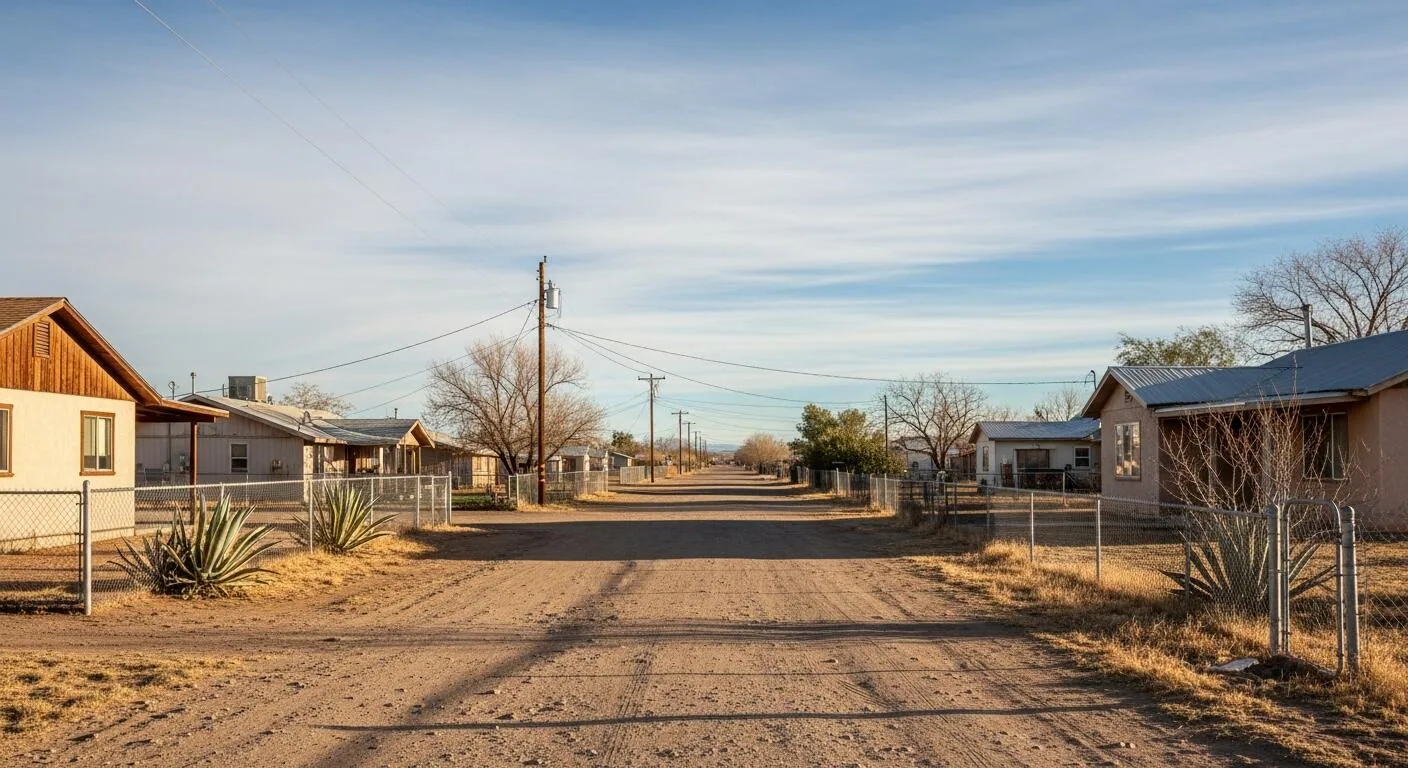
Commercial Roofing Questions
A dozen can be reset in a visit. Hundreds mean the washers and holes have worn out, and the roof needs a full fastener plan, or a retrofit. A count on the sheet shows which case you have.
Usually yes. They lie on the same highway, so we group walks by the stretch of road and schedule them in one day.
Call, and move items out from under the drip. We stop water first and write the permanent scope afterward. Photographs of the damage should be taken before anything is moved.
Yes. They are the most common small leak sources. A look at each one during the spring and fall visits keeps minor wear from turning into a ceiling repair.
Not always. A metal retrofit can go over a sound existing roof if the structure carries the load and the insulation is dry. A moisture scan and a structural check come first.