Data Center Roofing in Prescott Valley, AZ
Roof inspection, leak prevention and replacement for data centers and server buildings in Prescott Valley, AZ, with photo findings before any repair is priced.
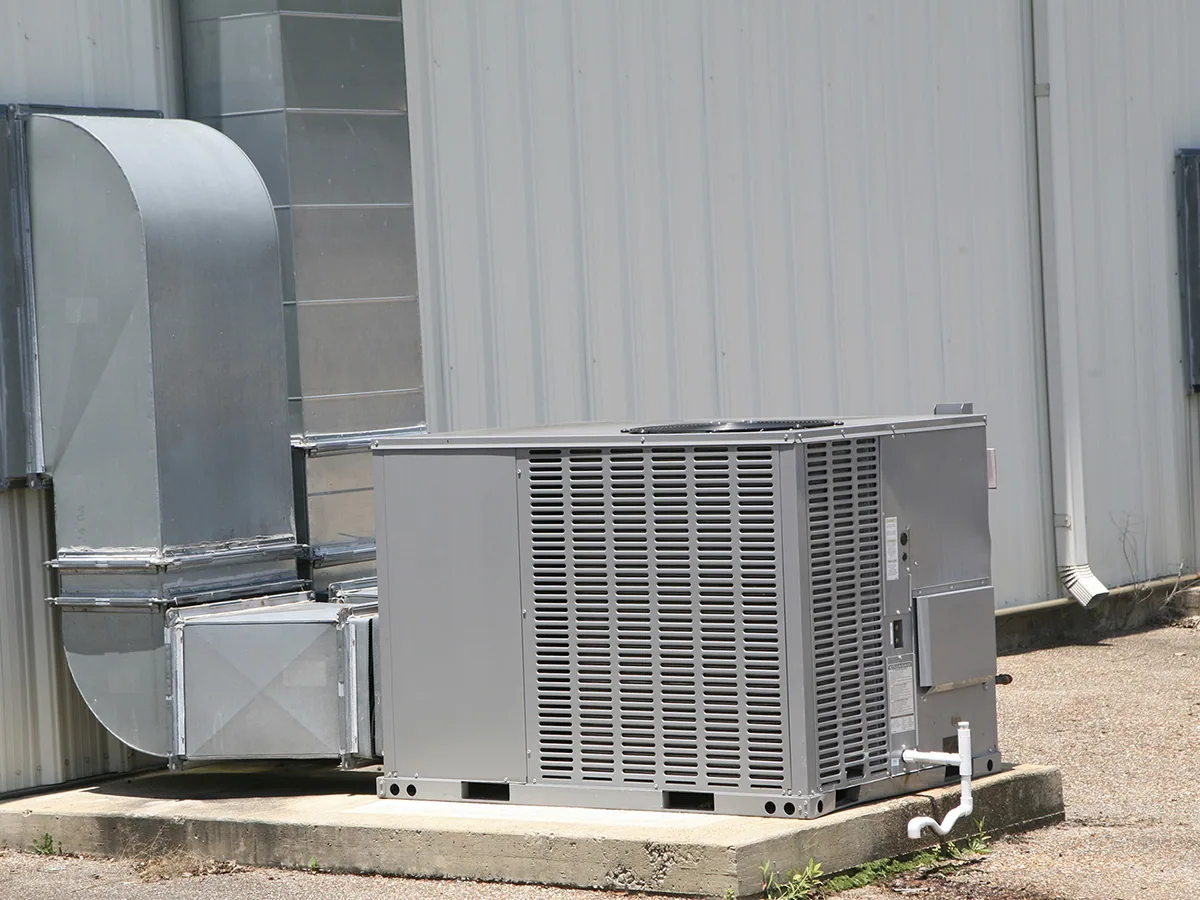
Inspect the cooling plant roof first. Chillers, dry coolers and condenser pads sit on the roof, and each one has a curb and a set of pipe penetrations. Those penetrations are where water enters a data building. A drip over a server row is not a roof problem for long. It is an uptime problem. Our walk across a data center roof in Prescott Valley, AZ covers each seam and each curb, with a photograph of both. The written findings sheet reaches you ahead of any price, and you set the order of work.
The goal is simple. Keep water out of the white space.
Why one drip matters more here
A warehouse can tolerate a stain. A server hall cannot. Water on a rack can trip a breaker or short a power strip. Even a small leak near cable trays can force a shutdown.
So the roof is part of the risk plan. We rank each roof zone by what sits below it. White space comes first. Power rooms come second. Offices come last. The findings sheet shows the ranking with photographs.
Ceilings below the roof matter too. We ask whether there is a drip tray, a leak sensor or a sealed slab between the roof and the racks. A second barrier changes how fast a leak must be fixed. It does not remove the need to fix it.
What power loss tells us
Storms and outages arrive together. The July 20, 2026 monsoon cell dropped pea-sized hail on Prescott Valley along with heavy rain and strong wind, and more than 130 APS customers lost power while signals and trees came down.
When the grid fails, backup generators start, and exhaust and intake louvers work hard. We check the roof over the generator room and the fuel area. We also check that no roof drain empties near an air intake.
Fuel deliveries add another detail. Trucks park beside the generator pad, and wind can carry exhaust and dust onto the roof nearby. We note where each drain and scupper sits relative to the pad, and we flag any that need a plan.
What roofs carry on a data building
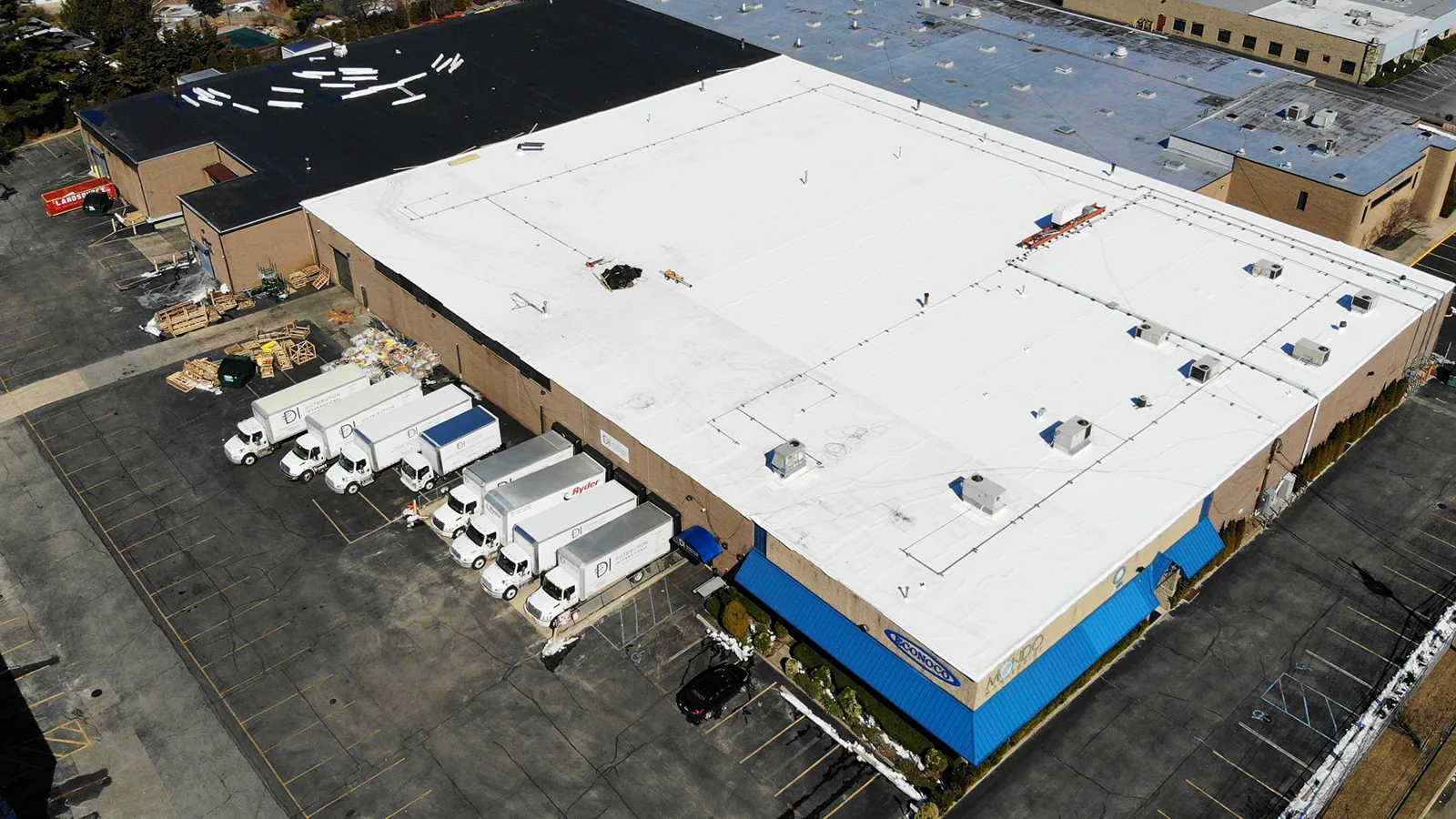
The roof is a platform. It holds cooling equipment, exhaust, conduit, grounding and lightning protection. Many penetrations pass through it, and each needs a clean flashing.
Crews visit these items for service. Over time, the membrane wears at the walk paths. We recommend walkway pads and set up a rule: no one drags a tool across the field. Roof access should be logged, since foot traffic is a leading cause of punctures. Our rooftop equipment curb and support work follows that approach.
Every new unit brings a crane pick, new curbs and new pipes. We ask for a flashing detail and a photo of each finished curb. A record of the date and the crew makes later leaks easy to trace.
Where new buildings are going up
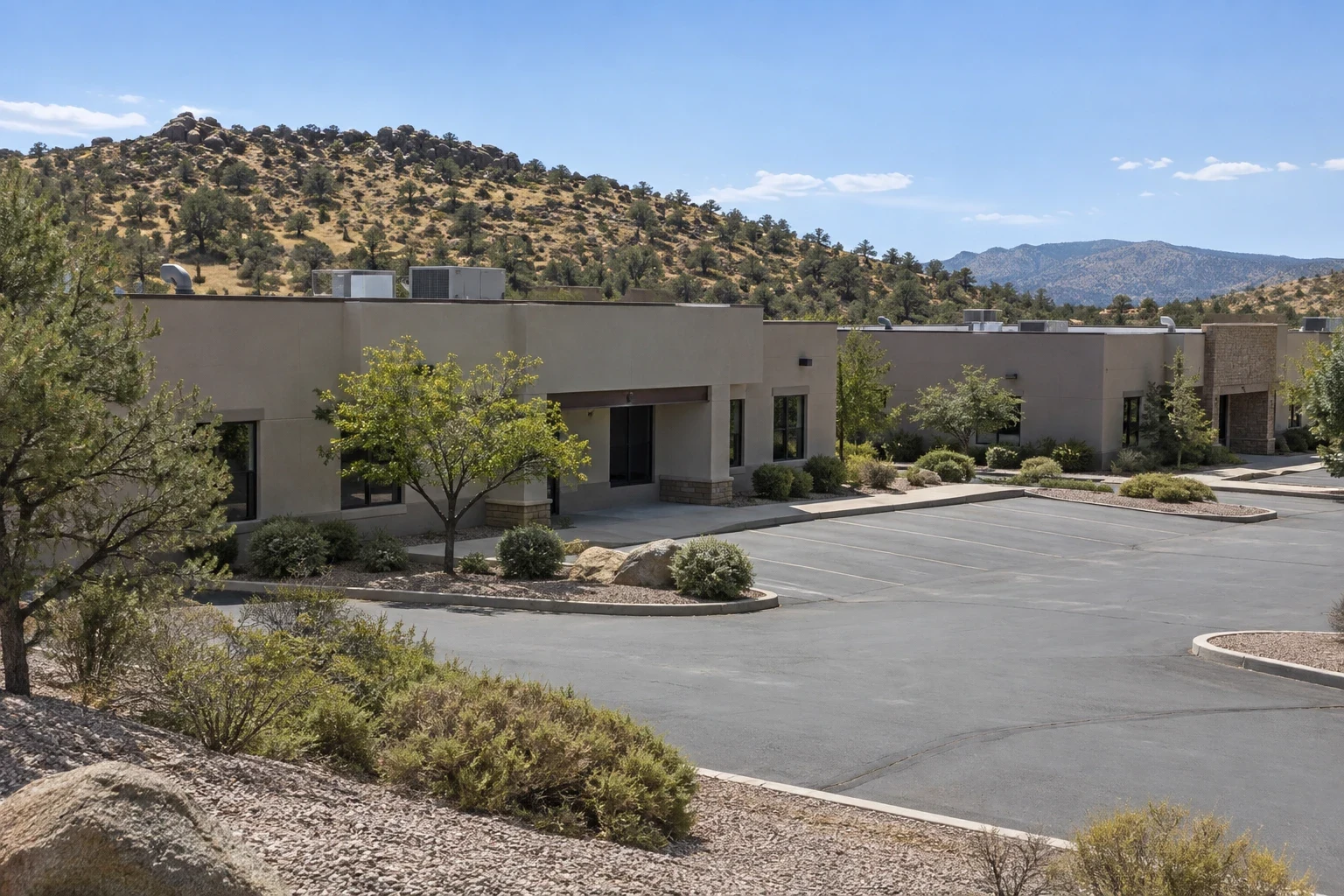
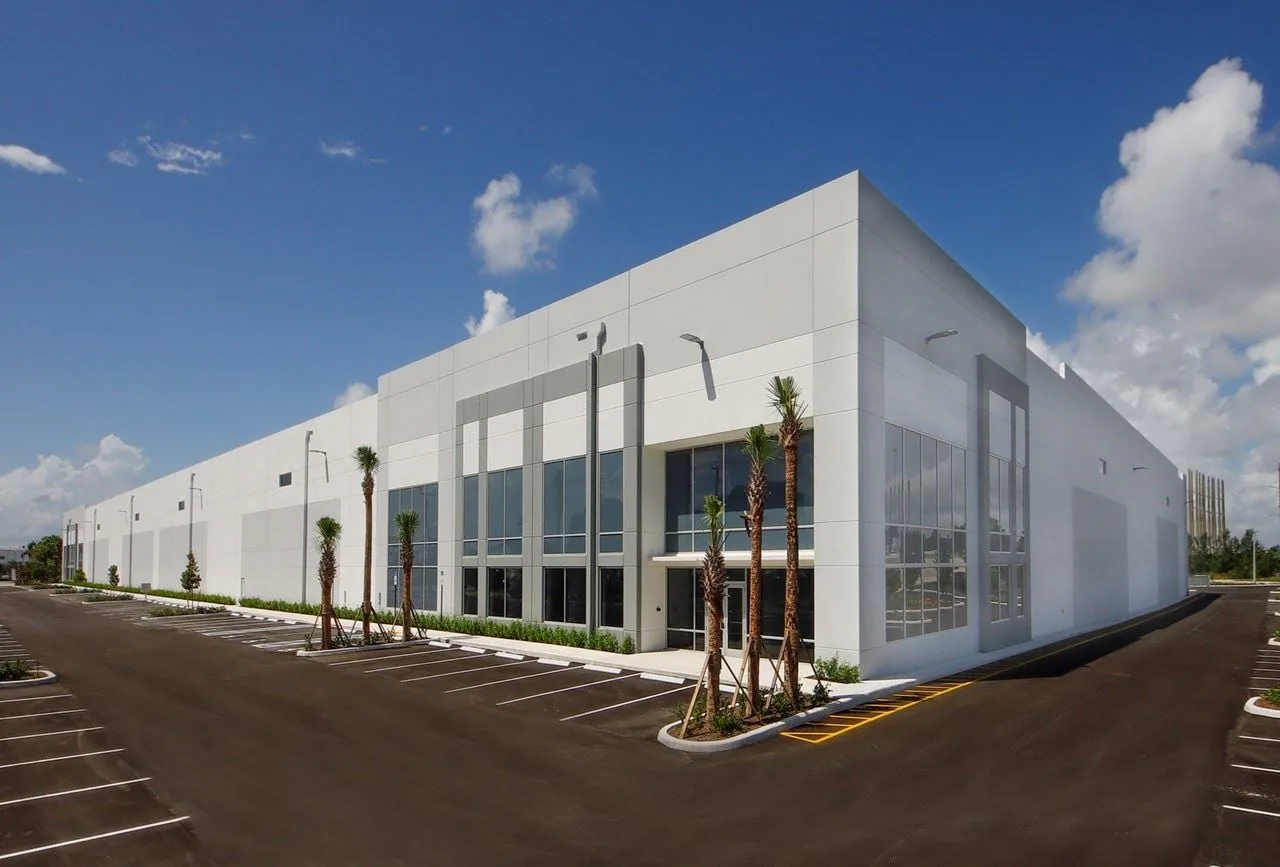
Prescott Valley advertises shovel-ready business-park lots with utilities in place and several industrial parks. Big Sky Business Park sits on East Florentine Road, and its 10.79-acre pad has water, power, sewer and gas available. New roofs on tilt-up and steel buildings there are likely to be metal or single-ply.
For a new building, the question is not repair. It is detail. Who flashes the curbs? How are the penetrations sealed? We review the drawings and mark each detail that has failed on other roofs. Then we write the list in plain terms.
The same habit helps with an existing building. A warehouse roof converted to server use carries loads and penetrations it was not drawn for. We check the deck, the insulation and the drains against the new equipment, and we mark every change.
What monsoon and freeze do to the roof
Monsoon cells bring gust fronts and hail in a single pass. Edge metal lifts first. Hail from pea-sized to half-inch stones can bruise a membrane and leave a soft spot that leaks months later.
Frost begins around late October and holds to the first of May, and the daily swing near 30 degrees works every curb. A seam that opens in the cold lets in meltwater in spring. We check the seams in autumn and again after the last freeze. Snow in Prescott averages about 10 inches a season, and drifts against equipment can hold meltwater against a curb. Our crews clear the paths and drains before the next storm. A single-ply TPO roof or a PVC roof performs well when its seams are sound.
What to repair now and what to ask for
Repair now: leaks over white space, open seams, failed curb flashing and blocked drains. Ask for a sheet with photos, a plan, the cost of each fix by itself and the effect on the warranty. Ask who will be on the roof, when, and what they will carry. Ask how the crew will keep dust and debris out of the intakes.
A moisture scan helps here. An infrared moisture survey locates wet insulation while the roof stays closed. For a building with a long list, a preventive maintenance plan keeps drains clear and flashings tight. A neighboring office building may share the same campus and the same schedule.
Commercial Roofing Questions
Can a data center stay online during roof work?
Yes, with planning. The crew opens small sections, closes each one the same day, and keeps material clear of air intakes. We cover louvers and exhaust and agree on quiet hours. Tell us which zones cannot take water and we protect those first. We also mark the work area on a plan, share it with your security lead and confirm badge and escort needs before the first shift. Your operations lead should approve each day's plan.
What roof system is best for a server building?
Choose a system with few seams and strong flashing details, such as a fully adhered single-ply or a heat-welded membrane. Fewer seams mean fewer places for water to enter, and heat-welded laps give a reliable bond when they are made on a clean, dry surface. The right choice depends on equipment loads and traffic. We compare options with their cost and their maintenance needs, and we note where a thicker membrane or walkway pad helps.
How do we plan for a storm-related outage?
Keep roof drains and scuppers clear, secure edge metal, and check the roof over generators before monsoon season, which runs from mid-June to mid-September. After a storm, walk the roof and photograph any change. We inspect after major storms, and the dated photos help if you need to file an insurance claim.
Should we add leak detection under the membrane?
It can help for high-value zones. Sensors under the membrane can show where water enters. They add cost and they need a clean installation. We discuss the option when a roof is replaced, since adding sensors later means opening the roof. Sensors do not replace inspections. They show a leak after it starts, while the walk shows the weak spot before it fails.
What does a roof inspection include?
We walk the full roof, probe seams, photograph each curb and penetration, count drains and scan for moisture. We cut cores where the scan suggests water. You receive a plan and a findings sheet before any repair is priced. Each finding has a photograph, a location and a priced action, and the sheet marks which zones sit over white space, power rooms and offices, so your risk team can rank the work.
Request a walk-through
Ask for a walk-through of your data center roof. We send a written findings sheet with photos before we price any repair. You decide what to fix now and what can wait.
Request a Roof Assessment
Commercial Roofing Questions
Yes, with planning. The crew opens small sections, closes each one the same day, and keeps material clear of air intakes. We cover louvers and exhaust and agree on quiet hours. Tell us which zones cannot take water and we protect those first. We also mark the work area on a plan, share it with your security lead and confirm badge and escort needs before the first shift. Your operations lead should approve each day's plan.
Choose a system with few seams and strong flashing details, such as a fully adhered single-ply or a heat-welded membrane. Fewer seams mean fewer places for water to enter, and heat-welded laps give a reliable bond when they are made on a clean, dry surface. The right choice depends on equipment loads and traffic. We compare options with their cost and their maintenance needs, and we note where a thicker membrane or walkway pad helps.
Keep roof drains and scuppers clear, secure edge metal, and check the roof over generators before monsoon season, which runs from mid-June to mid-September. After a storm, walk the roof and photograph any change. We inspect after major storms, and the dated photos help if you need to file an insurance claim.
It can help for high-value zones. Sensors under the membrane can show where water enters. They add cost and they need a clean installation. We discuss the option when a roof is replaced, since adding sensors later means opening the roof. Sensors do not replace inspections. They show a leak after it starts, while the walk shows the weak spot before it fails.
We walk the full roof, probe seams, photograph each curb and penetration, count drains and scan for moisture. We cut cores where the scan suggests water. You receive a plan and a findings sheet before any repair is priced. Each finding has a photograph, a location and a priced action, and the sheet marks which zones sit over white space, power rooms and offices, so your risk team can rank the work.