Commercial Roofing in Prescott, AZ
Roof inspection, parapet and flashing repair and replacement planning for brick downtown buildings, medical and institutional roofs in Prescott, AZ.
Look at the parapet cap first, before the field and before the drains. On a brick downtown building in Prescott, AZ, the roof edge is a wall, and the wall decides where the water goes. After early 20th-century fires, downtown was rebuilt in brick, and Whiskey Row is a historic district. Many roofs downtown rest on old masonry. The county seat sits at about 5,319 feet.
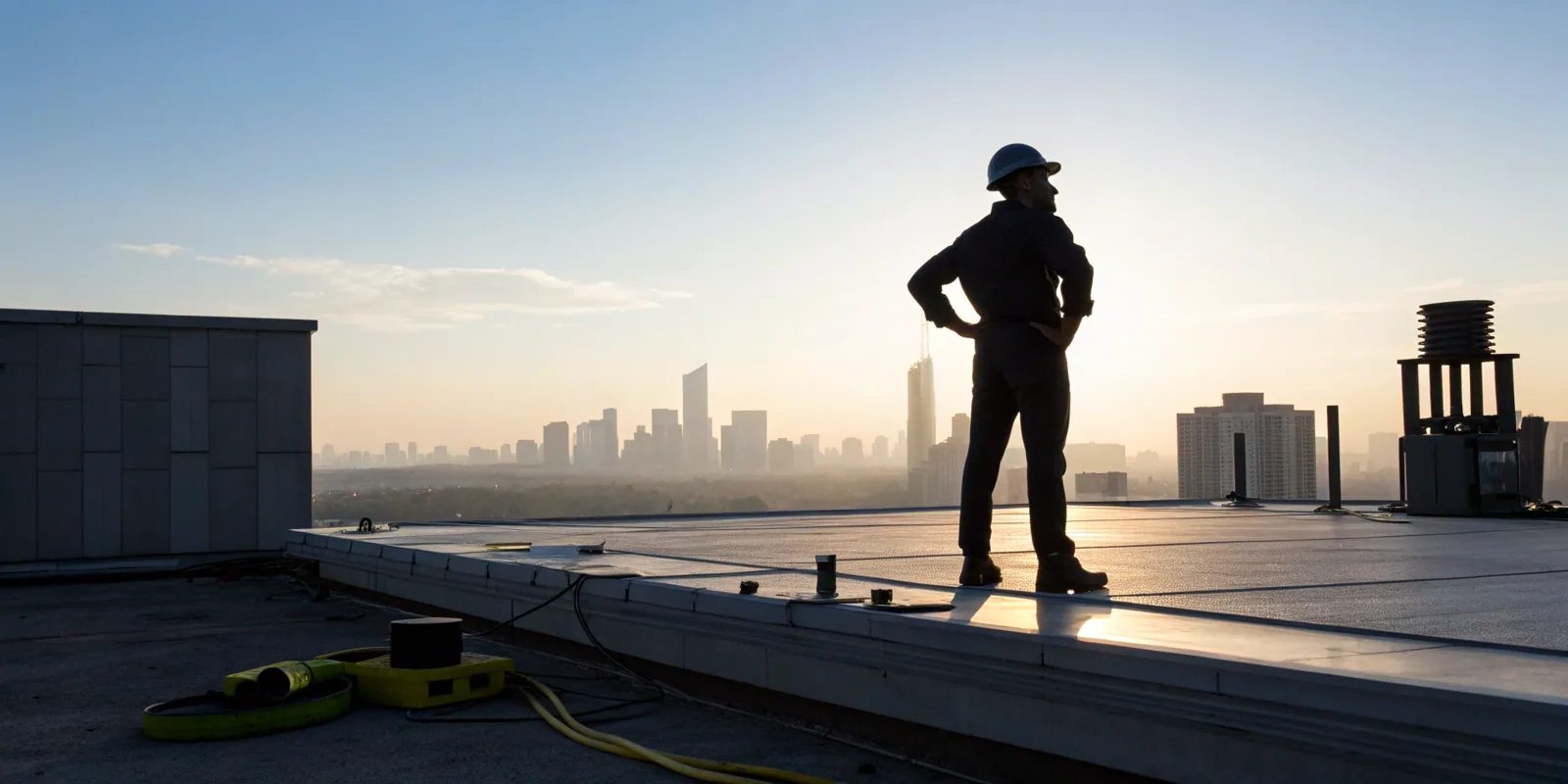
We inspect, repair and replace commercial roofs in Prescott. We walk the roof, probe the flashings and photograph what we find. Our written sheet comes before any repair is priced. The sheet is built to be read by a facility director, a board or an approving authority. It has a roof plan, numbered findings, photos and a ranking. Repair now. Repair this season. Watch.
Brick, parapets and coping
A brick parapet rises above the roof. Its cap sheds water outward. Its inside face meets the roof sheet through a flashing. If the cap cracks or the mortar fails, water enters the wall. If the flashing lifts, water enters the roof.
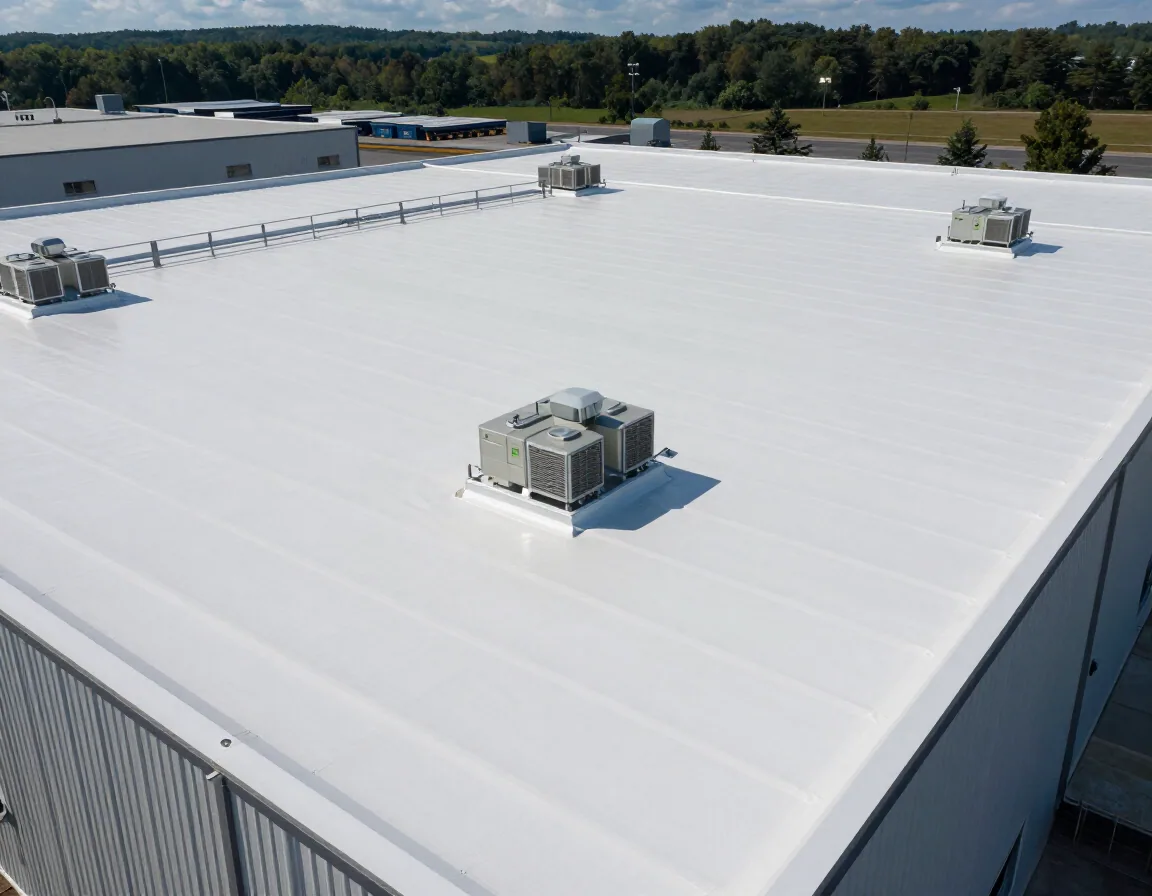
We check the cap, the joints and the base. We probe the flashing along its full length. We look for staining on the inside face and on the street side. We note whether the roof drains through scuppers, interior drains or both. Old buildings often have few outlets, so each one carries a large share of the roof, and a single blocked outlet can pond water against the very parapet we are trying to protect. A historic building's owner should check which approvals apply before work is scheduled, and the roof record goes along to the approving body. Scuppers on a brick building often run through the parapet. The opening, its liner and the sealant around it can fail. Water then runs down the wall face and stains the brick below. We probe each scupper and photograph the stain pattern. Then the owner can see whether the fix is a liner, a sealant or a rebuilt opening.
Snow, freeze and thaw
Prescott averages 10.2 inches of snow a season. Freezing weather typically lasts from about October 21 to May 1. Daily swings average nearly 30 degrees.
A little snow is enough to cause trouble on a brick building. Meltwater runs to the low point and finds the weakest joint. At night it freezes and expands. The joint opens a little more. We walk in fall and look at every joint we can reach. We clear drains and scuppers. We mark the open joints and rank them. A mortar joint repaired in October does not become a leak in February. Snow loads are modest in Prescott compared with higher towns, but a drift behind a parapet can sit for days. It melts at the base of the wall, exactly where the flashing lives. We clear the drain beside the drift. We check that the flashing top is sealed and the reglet is tight. A clear path for meltwater protects the oldest part of the building.
Monsoon and flood memory
Monsoon season from June 15 to September 15 brings rain, wind, hail and thunderstorms. The town's flood record includes 14.5 inches of rain in under 48 hours back in 1983, with high water again in 2004 and 2018.
Those events show how fast water can pile up. A roof with clear drains and tight flashings handles hard rain. A roof with a blocked scupper does not. After a cell, we check the screens first. We look at the cap and the flashing. We look for staining below. A regional storm is background and proves nothing about one roof. Only a walk does. Older roofs have limited drainage, so a blocked scupper can hold a lot of water against a parapet. We measure the depth of any pond. We check the roof edge for signs that water has spilled over. A dated photo of a clean scupper before July is worth having if a claim comes up. We keep it in the file with the rest of the record.
Medical, college and civic roofs
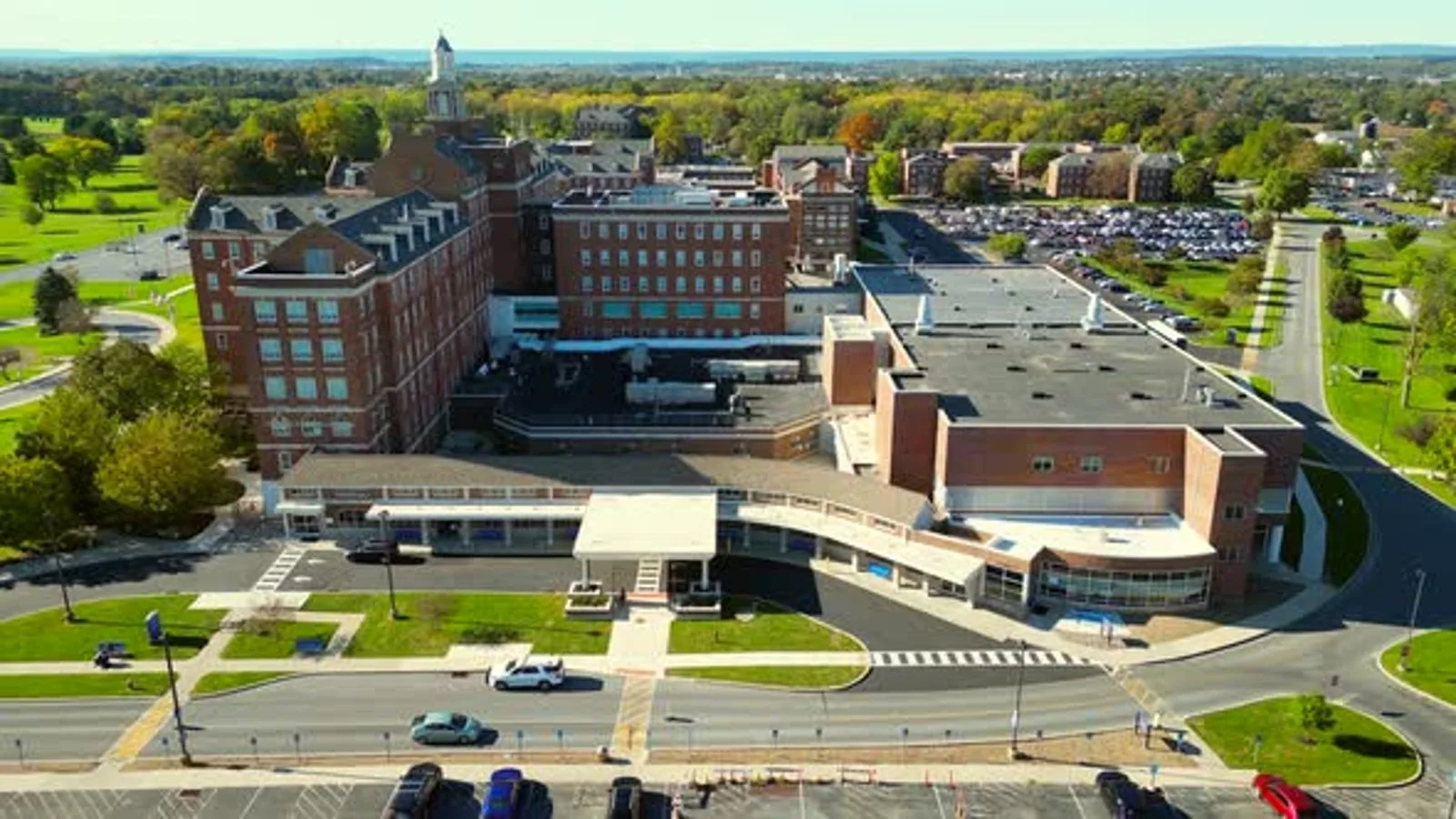
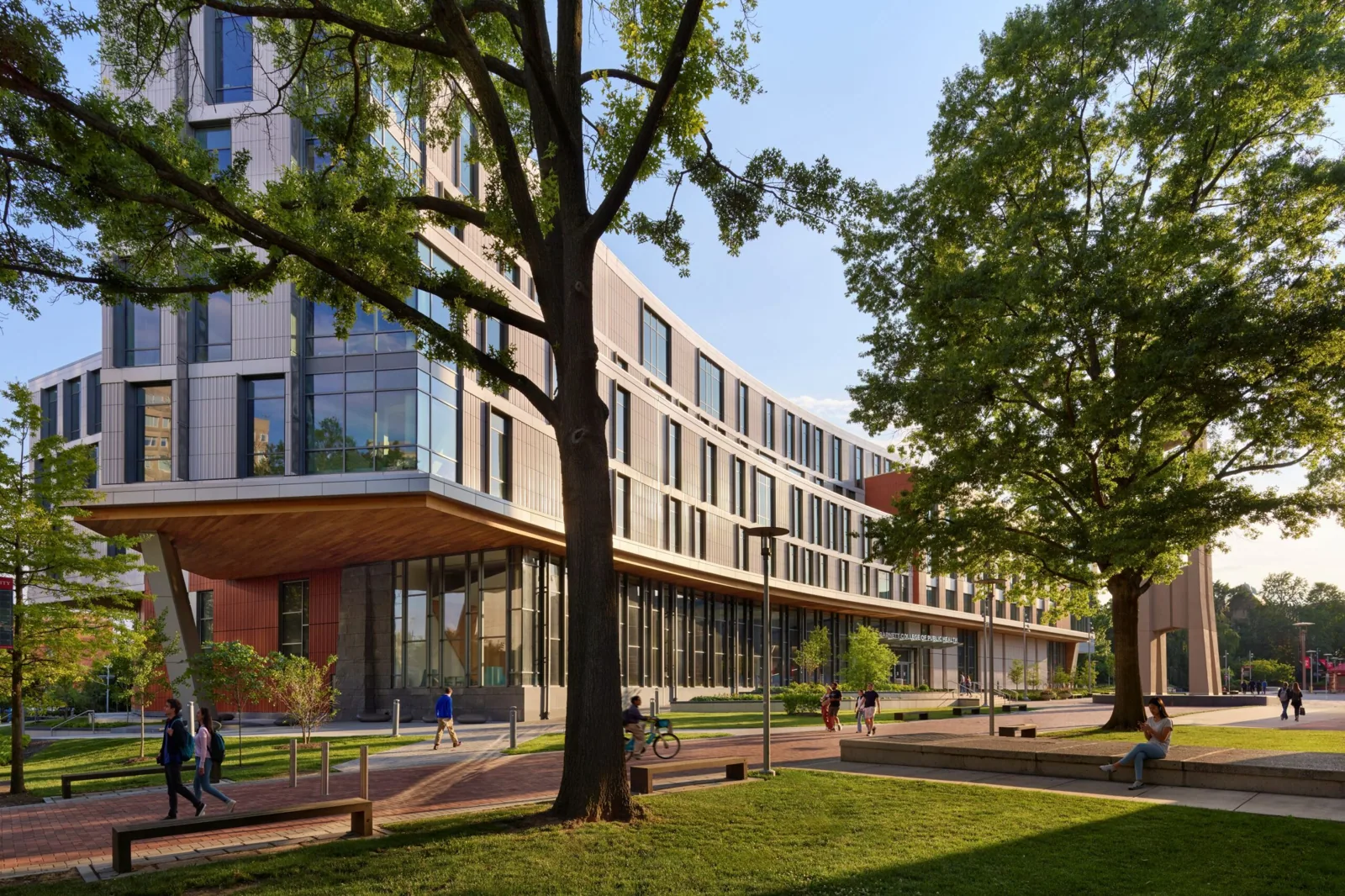
Major Prescott employers include Yavapai Regional Medical Center (2,094), Northern Arizona VA Health Care System (1,300), Yavapai College (1,290), Embry-Riddle (650) and Sturm, Ruger and Co. (400). Institutional roofs follow rules about access, noise and schedule.
We make no guess about what a given building carries. We walk the roof and record it. For hospital roofs, we plan around patients and air intakes. For college roofs, we plan around terms and quiet periods. A phased scope, a daily note to the facility director and a clear access route make the work run smoothly. Embry-Riddle's campus and Prescott Regional Airport add aerospace labs and airfield buildings to the mix, a spread of institutions that no single plan fits, so the walk comes first. Then the scope fits the building, its users and its calendar. A roof condition report for each building lets a board or a campus planner rank them. The weakest roof moves to the top, and the replacement budget follows it. Owners who want a smaller step can start with a commercial roof inspection and decide from the findings.
Roof work on a government campus
The Fort Whipple VA Medical Center Historic District sits in Prescott. By 1908 contractors had finished 23 buildings there, and the concrete-block officers' quarters stand on granite foundations. A four-story hospital with a hipped roof and towers followed in 1939.
Roof work on a government campus follows general rules. Access and escort procedures apply. Badging may be required. Schedules bend around operations. Government projects often follow the Unified Facilities Criteria for roofing. We plan for those from the start, and the process described here is what an owner can expect from any contractor on such a site.
What to repair now
Every item gets a rank. Open joints, failed flashings and clogged drains go in the first tier, aging sealant and worn caps in the second, and steady items in the third. An owner with a building in Prescott and another in the Prescott Valley Entertainment District gets one list, with the weakest roof at the top. Work on a Fain Road plant can sit on the same list.
Commercial Roofing Questions
Why is the parapet so important on a brick building?
It is both the roof edge and a wall. A cracked cap or failed mortar lets water into the masonry, and a lifted flashing lets it into the roof. Both need checking.
Can an old downtown roof be repaired without changing its look?
Often. Repairs to flashings, drains and joints can be made without changing the building's appearance. Owners should confirm approvals first.
How does snow affect a flat roof in Prescott?
Meltwater finds weak joints and refreezes overnight. Small gaps open wider each cycle. A fall walk catches them early.
What happens when a roof job is on a government campus?
Access, badging and escort rules apply, and schedules bend around operations. Many projects follow the Unified Facilities Criteria for roofing.
What should an owner bring to the first call?
The building address, any drawings, past reports and warranty papers are the starting set. Photos and findings come back before any price. If the building is historic, mention it at the start, so the approvals question is raised before a date is set. A sketch of the parapet heights and the scupper locations, even a rough one, saves time at the start.
Request a walk-through
Ask for a roof walk. We will deliver a written findings sheet with photos before any repair is priced.
Request a Roof Assessment
Commercial Roofing Questions
It is both the roof edge and a wall. A cracked cap or failed mortar lets water into the masonry, and a lifted flashing lets it into the roof. Both need checking.
Often. Repairs to flashings, drains and joints can be made without changing the building's appearance. Owners should confirm approvals first.
Meltwater finds weak joints and refreezes overnight. Small gaps open wider each cycle. A fall walk catches them early.
Access, badging and escort rules apply, and schedules bend around operations. Many projects follow the Unified Facilities Criteria for roofing.
The building address, any drawings, past reports and warranty papers are the starting set. Photos and findings come back before any price. If the building is historic, mention it at the start, so the approvals question is raised before a date is set. A sketch of the parapet heights and the scupper locations, even a rough one, saves time at the start.