Flex and Light-Industrial Roofing in Prescott Valley, AZ
Roof inspection, repair and replacement for flex and light-industrial buildings in Prescott Valley, AZ, with unit-by-unit findings for landlords and tenants.
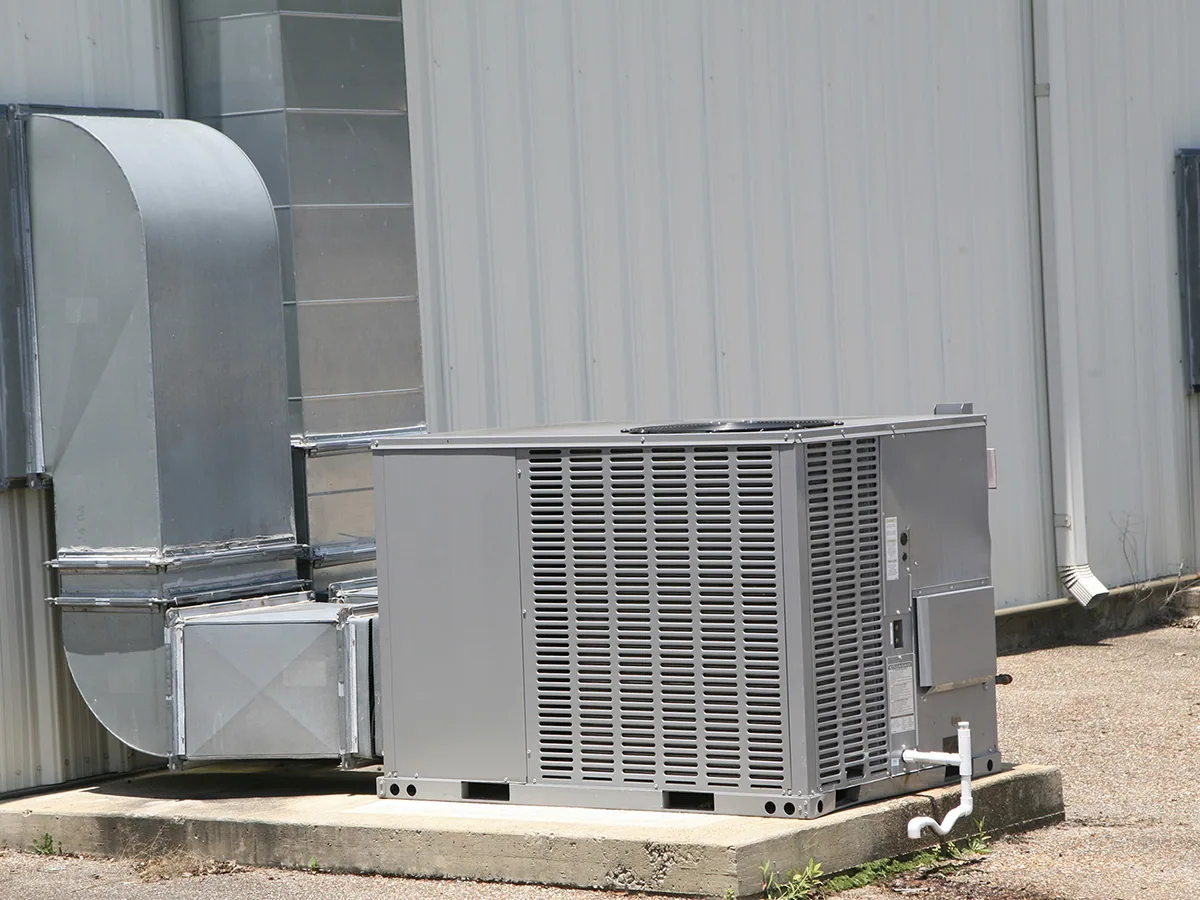
Count the rooftop units on a flex building, because each one sits on a curb, and each curb is a seal waiting to fail. That count is the first thing we write down. In Prescott Valley, AZ, we mark every unit on a plan and check each seal, then photograph the findings and send a written sheet ahead of any price.
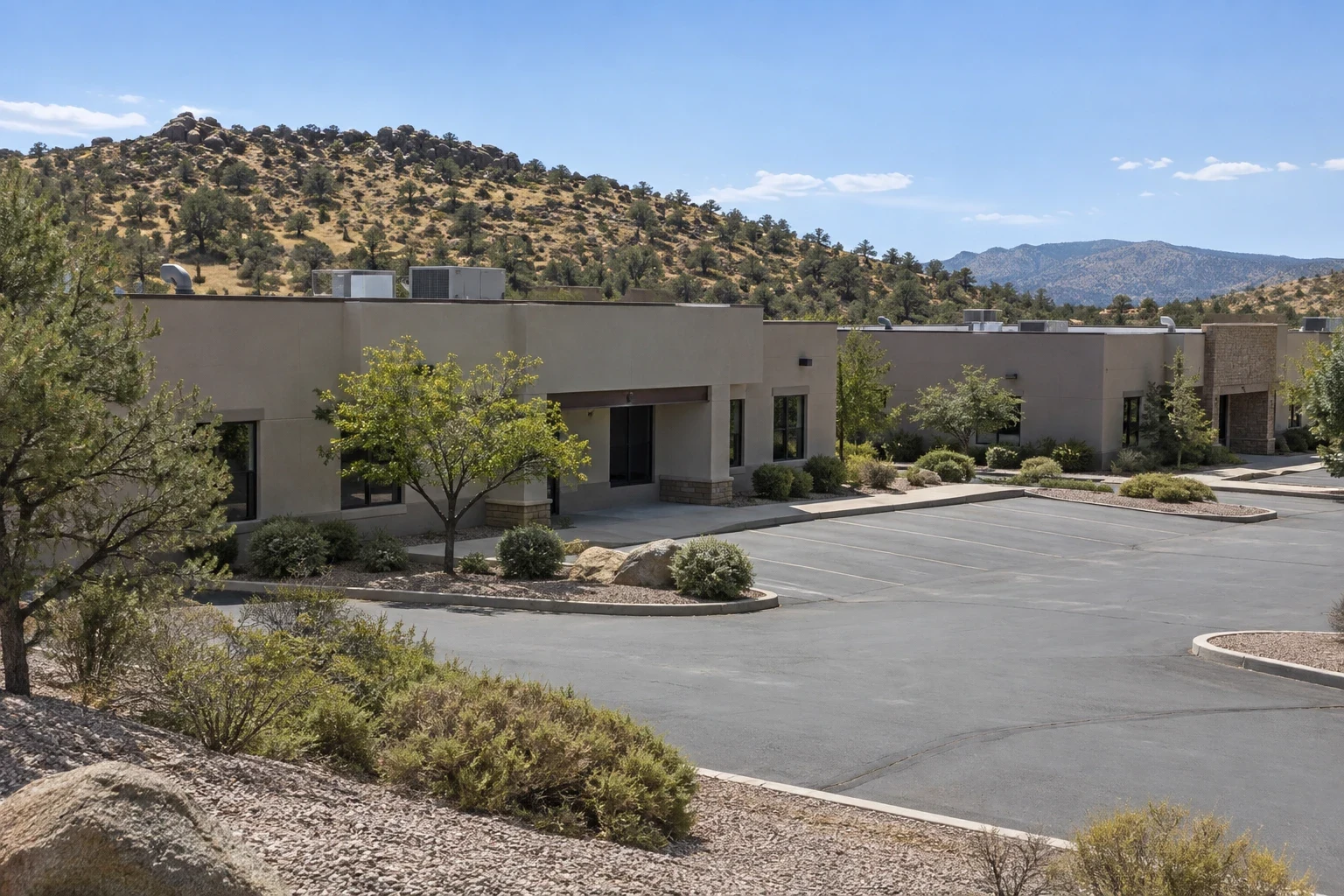
A flex building is a row of small spaces under one roof. Offices at the front, shop or warehouse at the back. Every tenant has different equipment. The roof carries all of it.
What we find
The tenant mix drives the findings. A tenant who adds a rooftop unit adds a curb. A tenant who adds an exhaust fan adds a penetration. A tenant who leaves removes equipment and sometimes leaves a hole. Over a decade or two, a flex roof can collect patches in places no one remembers.
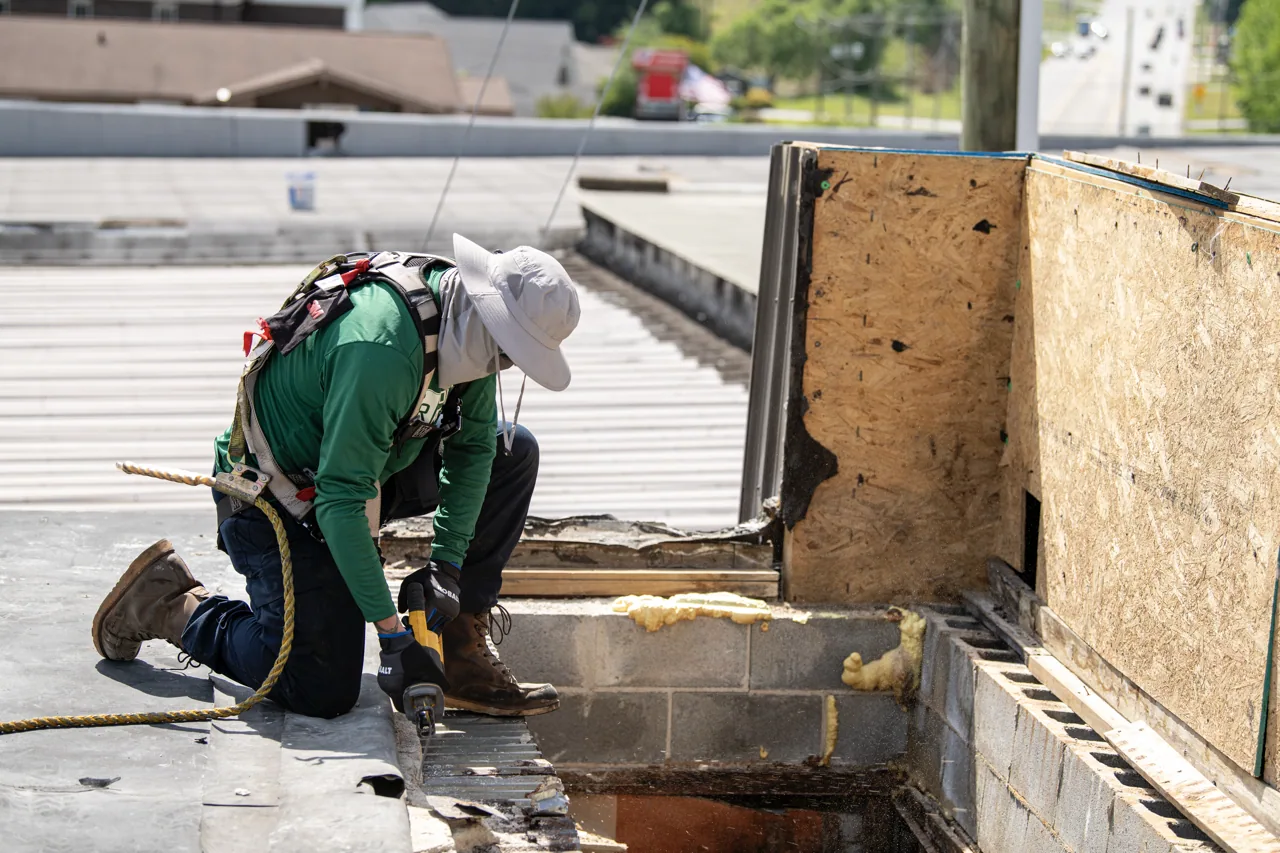
Look for old curbs capped with whatever was nearby, cut pipes with no flashing, only a bead of sealant, conduit and cable runs that cross the membrane unprotected, and walk routes worn through the surface because no one placed pads.
The field is often in better shape than the details, and the leaks collect at the penetrations. So the fix is a program of detail repair. We count each one, mark it on the plan and price it by the unit.
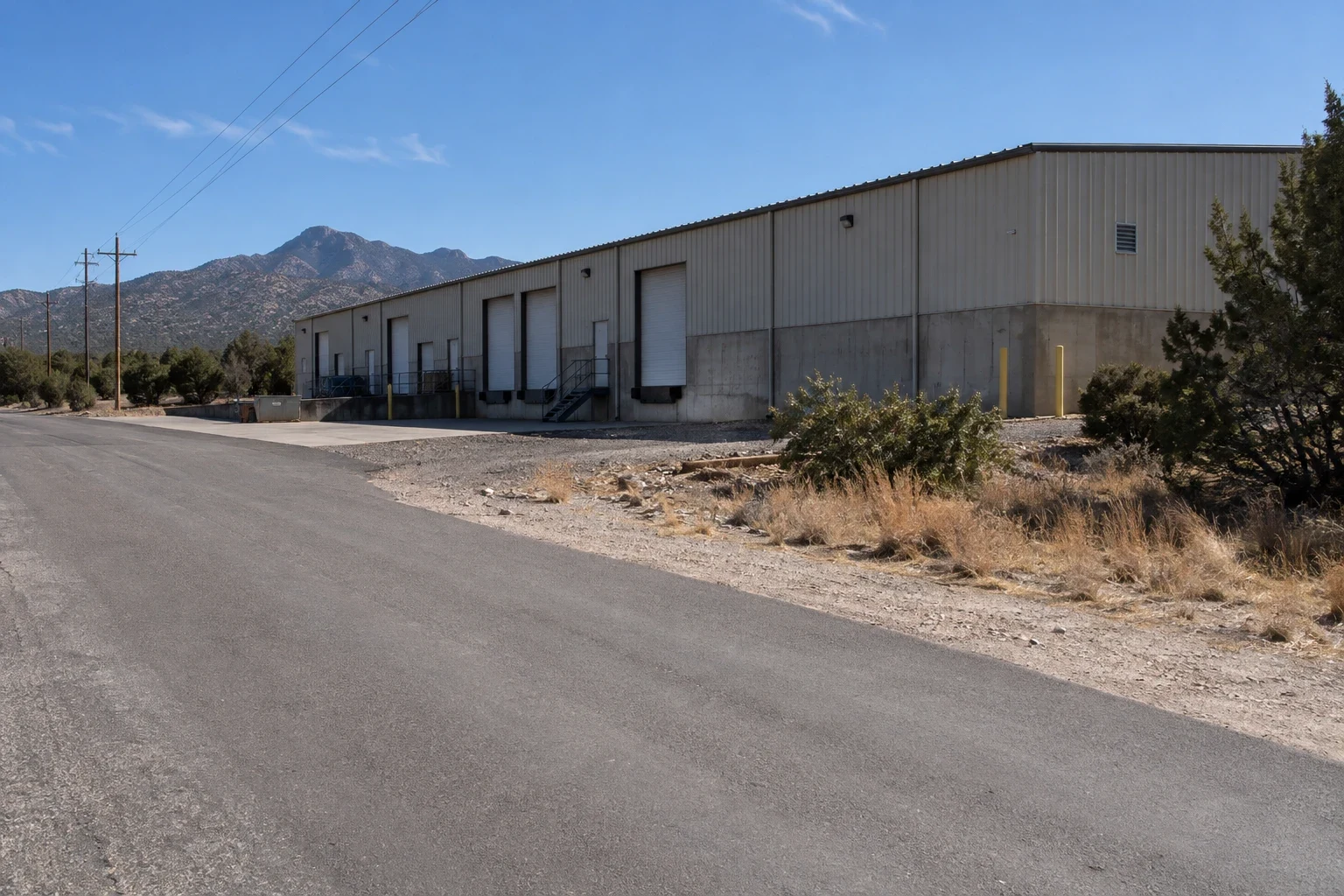
Dock doors and overhead doors add a second set of details. The wall above a door header is a joint where roof meets wall. Water from a flat roof runs down that wall and can enter at the door frame. We trace stains near doors back up the wall to the flashing, not just to the nearest drain.
Ponding is the other common sign. We wait a day or two after a storm, then walk the roof and look for water that is still standing. Each pond gets a photo and a rough size on the plan. Depth matters more than width. A shallow wet patch that clears by afternoon is a note. A deep pond that stays for days points to a clogged drain or a sag.
Where flex roofs sit in town
The town markets shovel-ready lots in business parks. Big Sky Business Park, on East Florentine Road, offers a 10.79-acre pad zoned C3 with utilities in place. Roofs on new buildings in parks like these tend toward metal or single-ply over tilt-up or steel.
The east side adds the Fain Road corridor, a four-lane limited-access freeway linking SR 89A and SR 69. Superior Industries, MI Windows and Doors and the Ace Hardware Retail Support Distribution Center are among the east-side employers. The Prescott Valley Economic Development Foundation targets aerospace, warehouse distribution, manufacturing, education and medical companies of 10 to 125 employees, a scale flex space serves.
Flex tenants at Big Sky Business Park and along the Fain Road corridor share a roof the way any multi-tenant building does.
What monsoon and freeze do
The wet season in this 5,100-foot town falls in July and August, when most of about 15 inches of yearly precipitation arrives. A cell can bring rain, gusts and hail inside a few minutes, as the July 20, 2026 storm did with pea-sized stones.
A flat flex roof has to move that water fast. Drains and scuppers do the work. A screen packed with gravel and leaves turns a cell into a pond. Standing water leaves a ponding line, and that ring shows where the deck has dipped.
Winter does the slow damage. The cold season starts near October 21 and ends about May 1, and the day-to-night swing nears thirty degrees. Seams at the base of a curb open a hair each cycle. By the third winter, the curb leaks.
How tenants and landlords share a roof
Many flex roofs belong to a landlord and serve several tenants. The lease decides who pays for what. A tenant pays for a rooftop unit and its curb. The landlord pays for the membrane. A leak at a curb sits in the gap between the two.
A written report helps. We give each tenant a page that shows their units, their curbs and the condition of each. We give the landlord a page that shows the field, the seams and the drains. When a dispute comes up, the photos settle it. See who touched the curb last. See whether the flashing is original.
A roof access log helps too. Tenants and vendors sign in when they go up. Damage can then be matched to a visit. Curb and support work brings each unit up to a clean standard and cuts later claims.
New tenants deserve a baseline. Before a build-out, we walk the roof, photograph the area above their space and record its condition. That record protects the tenant from blame for old damage. It also protects the landlord, because the photos show what the roof looked like on day one.
What to repair now, and what can wait
Repair now: leaking curbs, open penetrations, drains packed solid, open seams over occupied space. These let water in today.
Repair soon: tired pipe boots, dried-out sealant, bare cable runs, walk routes with no pads. Each is cheap to fix in a dry week.
Can wait: wear on a sound membrane, light staining and blisters with no cracks, all logged for the next visit.
If the membrane has life left and the insulation is dry, a recover can extend the roof. A roof recover works only over dry insulation. If the insulation is wet, we replace it. A cover board over new insulation gives a firmer base for foot traffic.
What to ask for in writing
Request a findings sheet with photos and a roof plan, a price on each item and each unit, and a clear answer on who pays under the lease. Find out how the work will affect tenants, and when.
Ask about the system. A TPO roof, a metal roof and a modified bitumen roof each age differently. Tell us what you have, and we will compare it with what we find. A warehouse or manufacturing plant at the same site brings details of its own.
Commercial Roofing Questions
Who is responsible for a leak at a tenant's rooftop unit?
The lease decides. Many leases put the unit and its curb on the tenant and the roof on the landlord. We document the cause with photos and a plan, so both sides can see where the water entered. That record settles most disputes.
Can one tenant's work void the roof warranty?
It can. Penetrations made without the manufacturer's approved details can affect coverage. We recommend that tenants send us the plan before any new curb or fan goes in. We then set the flashing to the right detail and note it in the roof file.
How do you schedule work around several tenants?
We send a notice to each tenant with the dates, the area and the contact. We work in sections and dry in each section the same day. Loud work moves to quieter hours, and we keep dock doors and entries clear.
Is a metal flex roof different from a membrane roof?
Yes. Metal roofs fail at fasteners, laps and caps. Membrane roofs fail at seams, flashing and drains. We use different checks for each and price the repairs by count. Many buildings have both, so the report covers each section on its own.
What do you want in hand before the walk?
The site plan, the lease roof clause, warranty papers and a list of past leak spots are the starting set. Flag tenants with sensitive equipment. We will plan the walk around their hours.
Request a walk-through
Ask for a walk-through of your flex or light-industrial roof. We will send a written findings sheet with photos before we price any repair, and we will give each tenant a page that shows what we found.
Request a Roof Assessment
Commercial Roofing Questions
The lease decides. Many leases put the unit and its curb on the tenant and the roof on the landlord. We document the cause with photos and a plan, so both sides can see where the water entered. That record settles most disputes.
It can. Penetrations made without the manufacturer's approved details can affect coverage. We recommend that tenants send us the plan before any new curb or fan goes in. We then set the flashing to the right detail and note it in the roof file.
We send a notice to each tenant with the dates, the area and the contact. We work in sections and dry in each section the same day. Loud work moves to quieter hours, and we keep dock doors and entries clear.
Yes. Metal roofs fail at fasteners, laps and caps. Membrane roofs fail at seams, flashing and drains. We use different checks for each and price the repairs by count. Many buildings have both, so the report covers each section on its own.
The site plan, the lease roof clause, warranty papers and a list of past leak spots are the starting set. Flag tenants with sensitive equipment. We will plan the walk around their hours.