Occupied Building Reroofing in Prescott Valley, AZ
Reroofing Prescott Valley, AZ commercial buildings while tenants and operations stay open: phasing, dust and noise control, and weather holds.
Stand in the tenant's lobby and listen. If you hear nothing, the roof crew is doing its job. That is the test for reroofing an occupied building in Prescott Valley, AZ. The building keeps its doors open. The tenants keep working. The roof comes off in pieces, and each piece is dried in before the crew leaves. We build that plan before we price the work, because the cost of an occupied reroof lives in the sequence, not the square footage.
What we find before we start
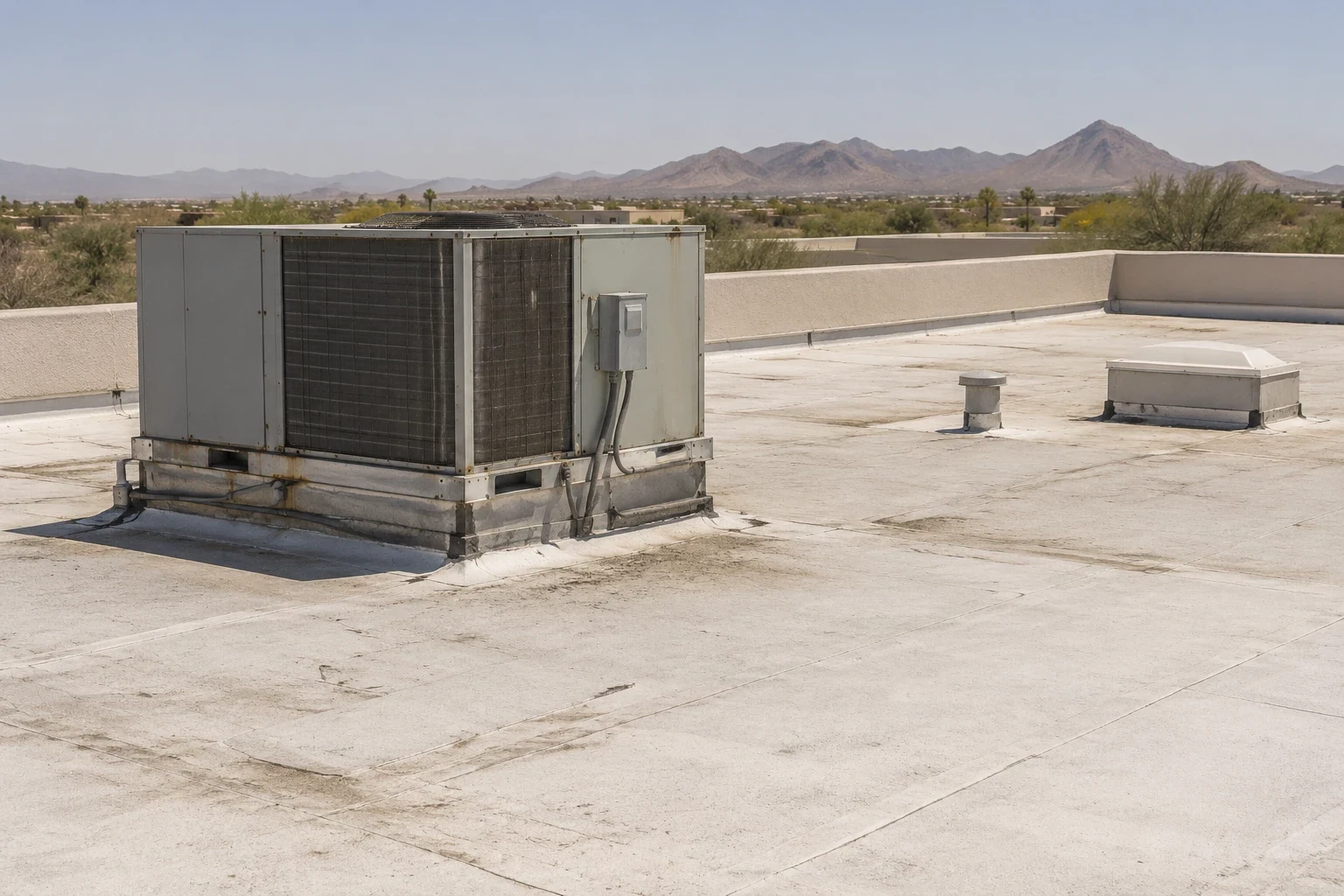
We walk the roof and then we walk the inside. Which rooms sit under the work? Where are the air intakes? What is stored near the ceiling? Is there a clean room, a server closet or a food prep area? We photograph the answers. Then we cut cores to learn how many layers are on the roof and whether the insulation is wet. A tear-off of two layers makes more dust and noise than a recover over one.
The findings sheet lists the work zones, the protected rooms and the quiet hours. You see it before we price a single square.
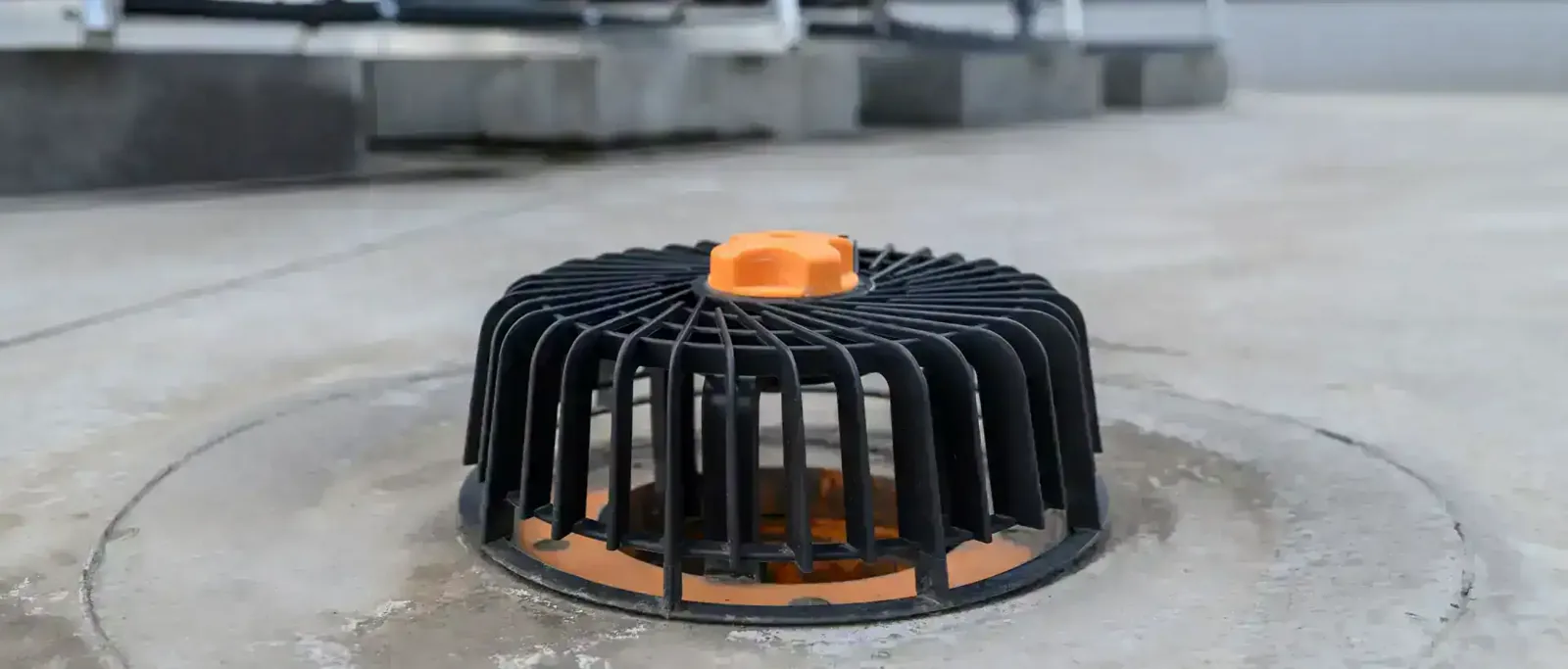
We also look at what the building will ask of the roof after the job. A reroof is the moment to fix the details that have been leaking for years. Drains, scuppers, curbs and edge metal are all open. If the drains and scuppers are undersized or packed with gravel and hail, we mark them for replacement while the roof is open. Doing it later means a second occupied project.
Work in zones, not all at once
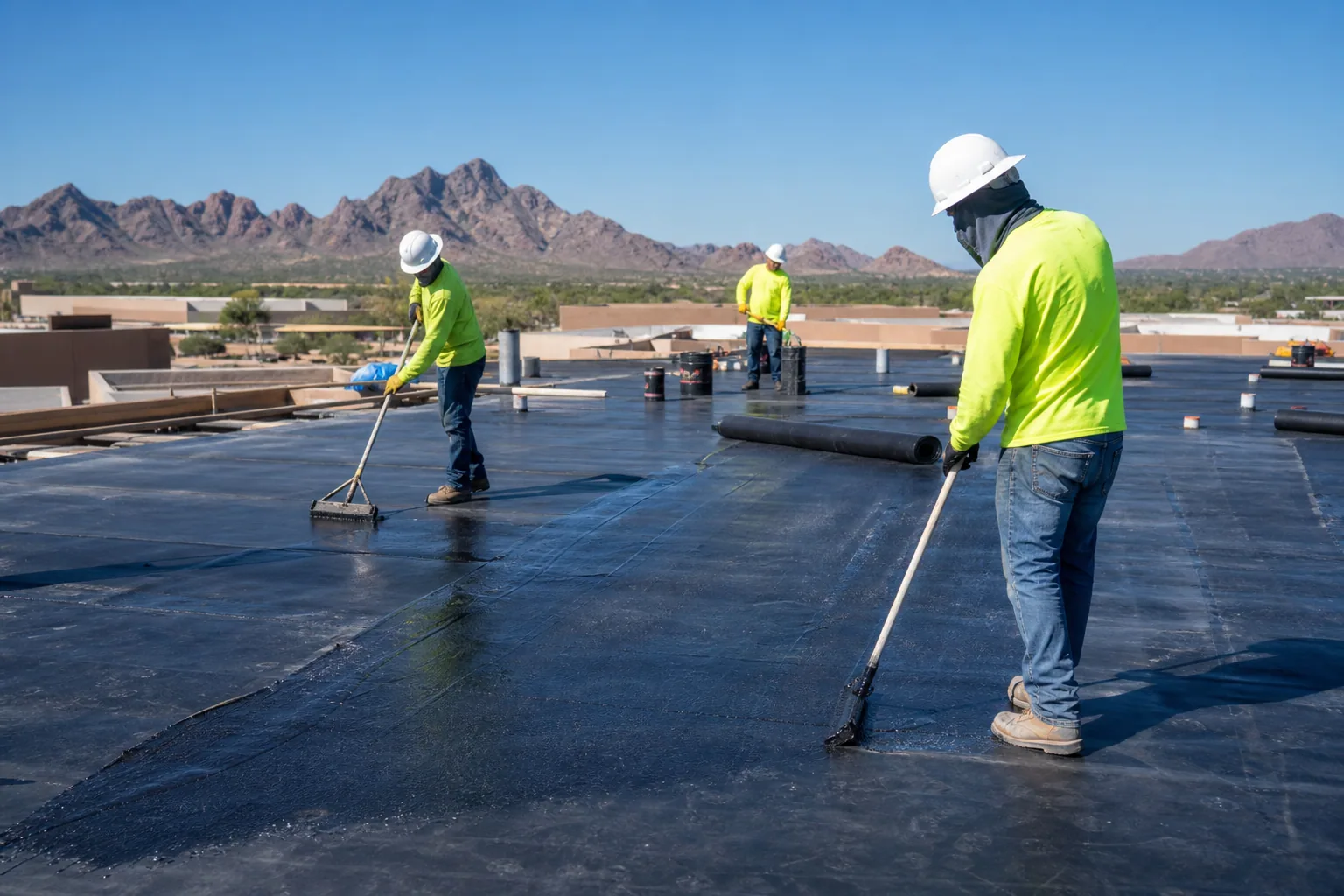
We divide the roof into zones. Each zone is opened, replaced and dried in the same day. Nothing is left open overnight. Tie-ins between old and new roof are sealed before the crew goes home. That way a monsoon cell at 4 p.m. does not find a hole in the roof. The July 20, 2026 storm came with heavy rain, strong wind and pea-sized hail, and it shows how fast the sky changes here.
Zone size depends on the crew and the forecast. Morning clouds building over the hills mean smaller zones. A clear forecast allows larger ones. We watch the sky every day and adjust.
The crew leader meets the property manager each morning. They agree which doors are in use, where trucks stage and which zone opens that day. The same meeting closes each afternoon with a walk of the dried-in zone. The manager signs the daily log or notes a concern. That small habit prevents most disputes. It also gives the owner a record of what happened on each day, with photos.
Dust, fumes and noise
Tear-off throws dust. Adhesives and hot asphalt throw odor. Fastening makes noise. We handle each one on its own terms. Debris goes down enclosed chutes to a truck away from doors. Air intakes are covered or shifted off during active work, in agreement with the building engineer. Low-odor adhesives and mechanical attachment replace torches near sensitive spaces. Loud tasks move to the hours the tenant picks.
Under the work, we ask the tenant to cover stock and equipment near ceilings. We add plastic and plywood protection in the highest-risk rooms. Interior ceiling tiles can still shake loose. We say that plainly, and we plan for it.
Safety on the ground gets its own plan. Fences keep pedestrians away from the work. Lifts and cranes are set where cars and walkers do not cross. Deliveries come outside peak arrival times. Where an entrance sits under the work, we build a covered walkway or move the entrance for the days that matter. A fenced lane and a clear sign cost little next to a falling bolt or a dropped tool.
What monsoon and freeze do to the schedule
The wettest months are July and August, and monsoon cells can build in an hour. Freezing mornings run from late October to about May 1. Adhesives and coatings care about both. Many will not cure on a cold, damp deck. Hail adds a different problem. Pea-sized stones can bounce off a fresh membrane without harm, but they can also hide behind a loose edge and rattle in a drain. After any hail event, we walk the finished zones and the open edges and photograph what we find, then clear the seams and drains before work resumes. So the best windows are late spring and early fall, and we plan around them where the tenant allows.
When a hold happens, we pause cleanly. The open zone is dried in. Equipment is secured. We record the hold in the daily log with a photo. You see what was lost and why.
Where this matters in town
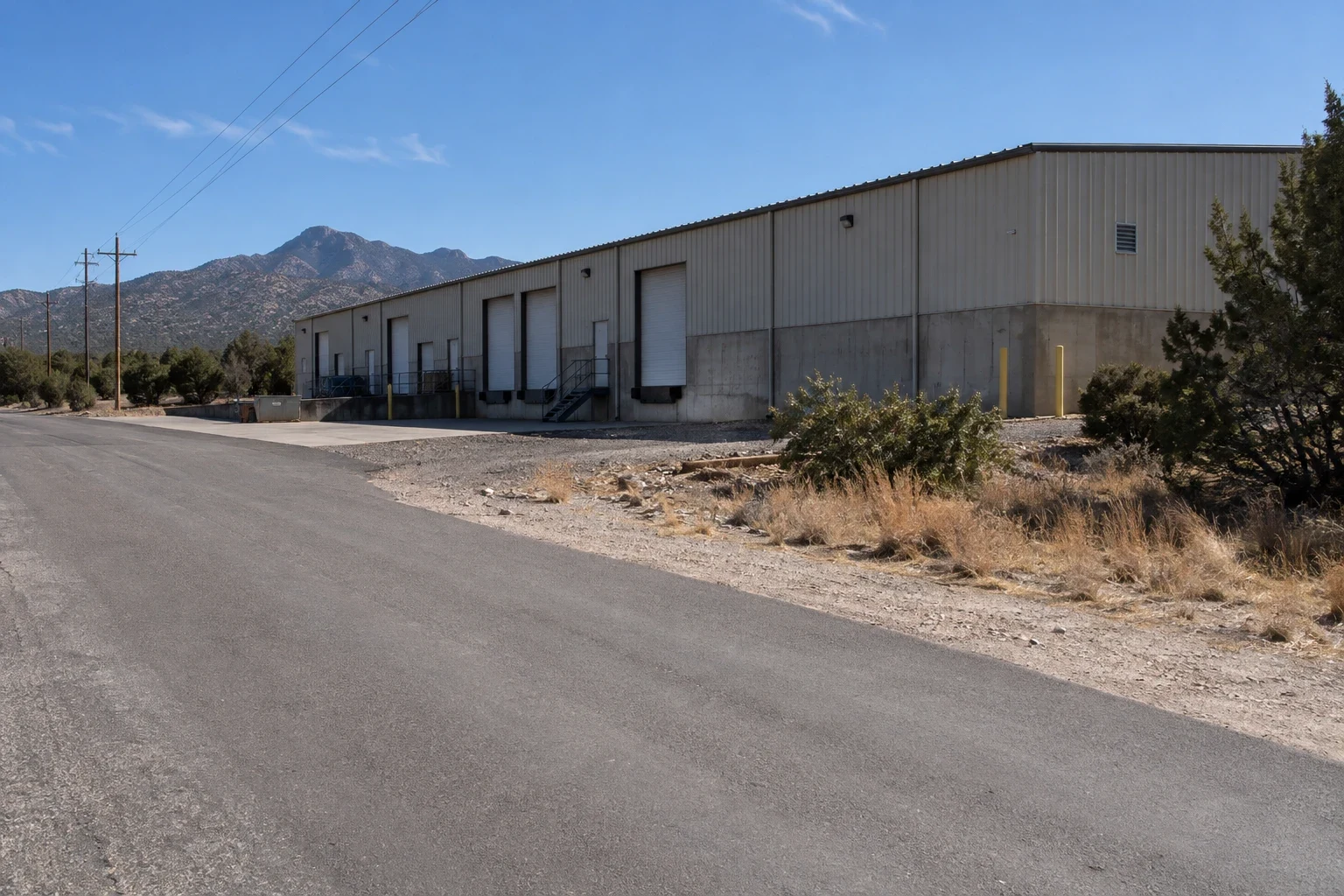
Retail centers on SR 69 and Glassford Hill Road need to stay open for shoppers, so the work phases. The Entertainment District is another case, because the Prescott Valley Event Center draws an estimated 75,000 people a year and a roof job there has to dodge event nights. Medical buildings near Yavapai Regional Medical Center East Campus have their own infection rules. Distribution and manufacturing buildings on the Fain Road side, such as the Ace Hardware Retail Support Distribution Center, run on dock schedules, so we plan around the trucks. A medical office roof adds intake protection to every phase.
What to ask for in writing
Get the zone map, the quiet hours and the intake plan on paper. Get the daily log format and the weather-hold rule. We put all of it on the findings sheet. For roofs that need a complete replacement, we compare the occupied path with a shutdown path and show the cost of each. For roofs still sound enough, a recover makes less noise and dust. Either way you decide with the facts in hand.
Commercial Roofing Questions
Can a reroof happen without any tenant disruption?
Not none, but close to it. Noise and some dust are likely during tear-off. We cut the disruption with zones, enclosed chutes, intake protection and quiet-hour rules the tenant picks. We recommend a short notice letter to tenants a week ahead so staff are not surprised, and we give you the dates and zone map to attach.
What happens if it rains while the roof is open?
Each zone is dried in before the crew leaves, so an open roof does not sit overnight. If a monsoon cell builds mid-day, the crew seals the open edge and covers material. We keep tarps and temporary tie-ins staged. After any storm, we walk the work and photograph the tie-ins before restarting.
How long does an occupied reroof take compared with a vacant one?
It usually takes longer, because zones are smaller and each ends with a dry-in. The extra time buys safety for the tenants. We give you a day-by-day schedule with weather allowances, and we recommend building a few buffer days into the lease communication.
Do we need to move equipment or inventory?
Often only items directly below the work or near the ceiling. We walk the interior with the tenant and mark what needs covering or moving. We recommend moving anything sensitive to dust, such as electronics or open food, to another area for the days the zone above is active.
How do you handle a building with a hospital or clinic tenant?
We coordinate with the facility team on intakes, hours and access routes, use low-odor methods near patient areas and keep the roof access separate from patient paths. We recommend written approval of the plan from the infection prevention staff before work begins.
Request a walk-through
Ask for a walk-through of the roof and the spaces below it. You get a written findings sheet with photos, a zone map and a quiet-hour plan before any reroof is priced.
Request a Roof Assessment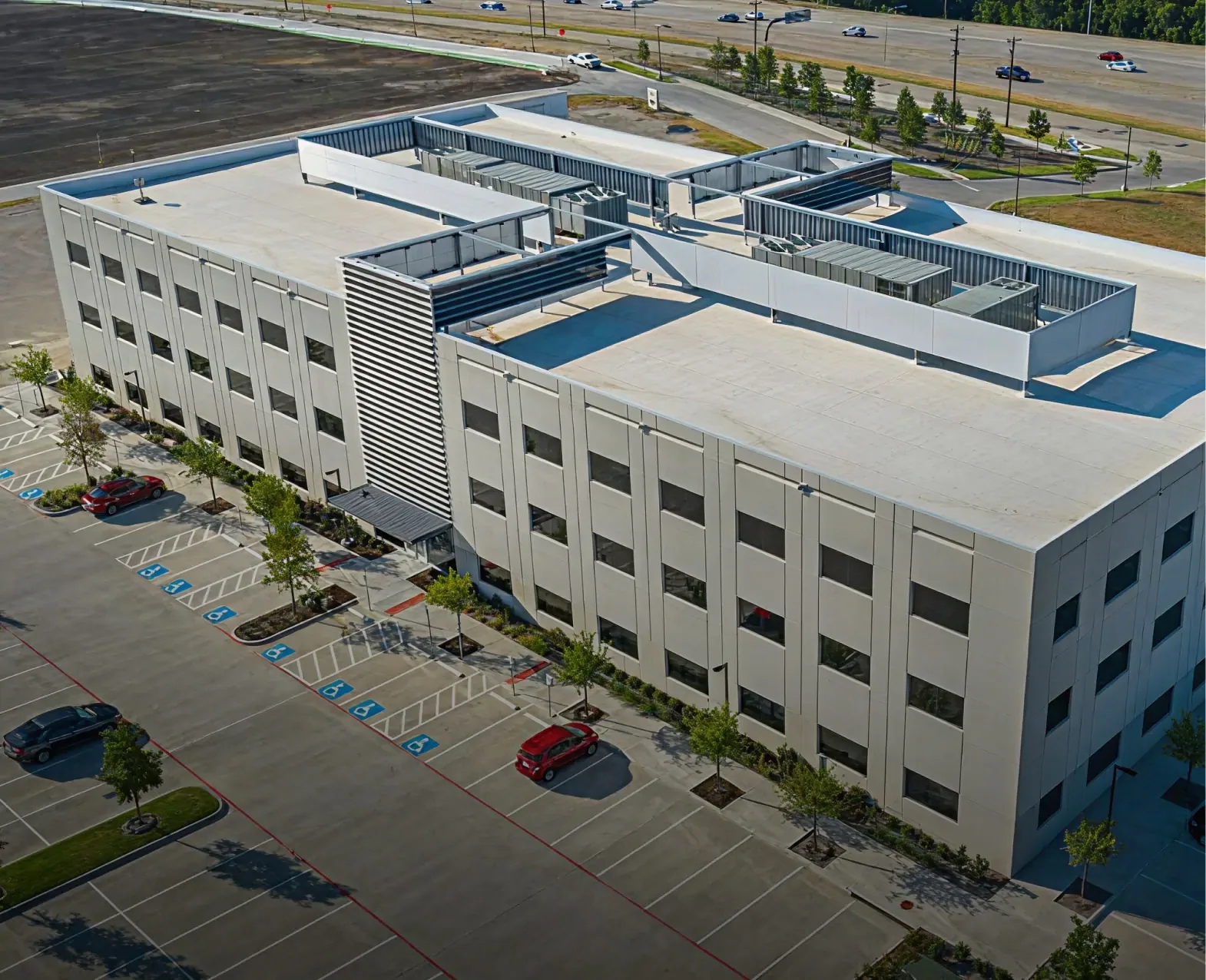
Commercial Roofing Questions
Not none, but close to it. Noise and some dust are likely during tear-off. We cut the disruption with zones, enclosed chutes, intake protection and quiet-hour rules the tenant picks. We recommend a short notice letter to tenants a week ahead so staff are not surprised, and we give you the dates and zone map to attach.
Each zone is dried in before the crew leaves, so an open roof does not sit overnight. If a monsoon cell builds mid-day, the crew seals the open edge and covers material. We keep tarps and temporary tie-ins staged. After any storm, we walk the work and photograph the tie-ins before restarting.
It usually takes longer, because zones are smaller and each ends with a dry-in. The extra time buys safety for the tenants. We give you a day-by-day schedule with weather allowances, and we recommend building a few buffer days into the lease communication.
Often only items directly below the work or near the ceiling. We walk the interior with the tenant and mark what needs covering or moving. We recommend moving anything sensitive to dust, such as electronics or open food, to another area for the days the zone above is active.
We coordinate with the facility team on intakes, hours and access routes, use low-odor methods near patient areas and keep the roof access separate from patient paths. We recommend written approval of the plan from the infection prevention staff before work begins.