Medical Office Roofing in Prescott Valley, AZ
Roof inspection, leak repair and replacement for medical offices and clinics in Prescott Valley, AZ, with photo findings and patient-friendly scheduling.
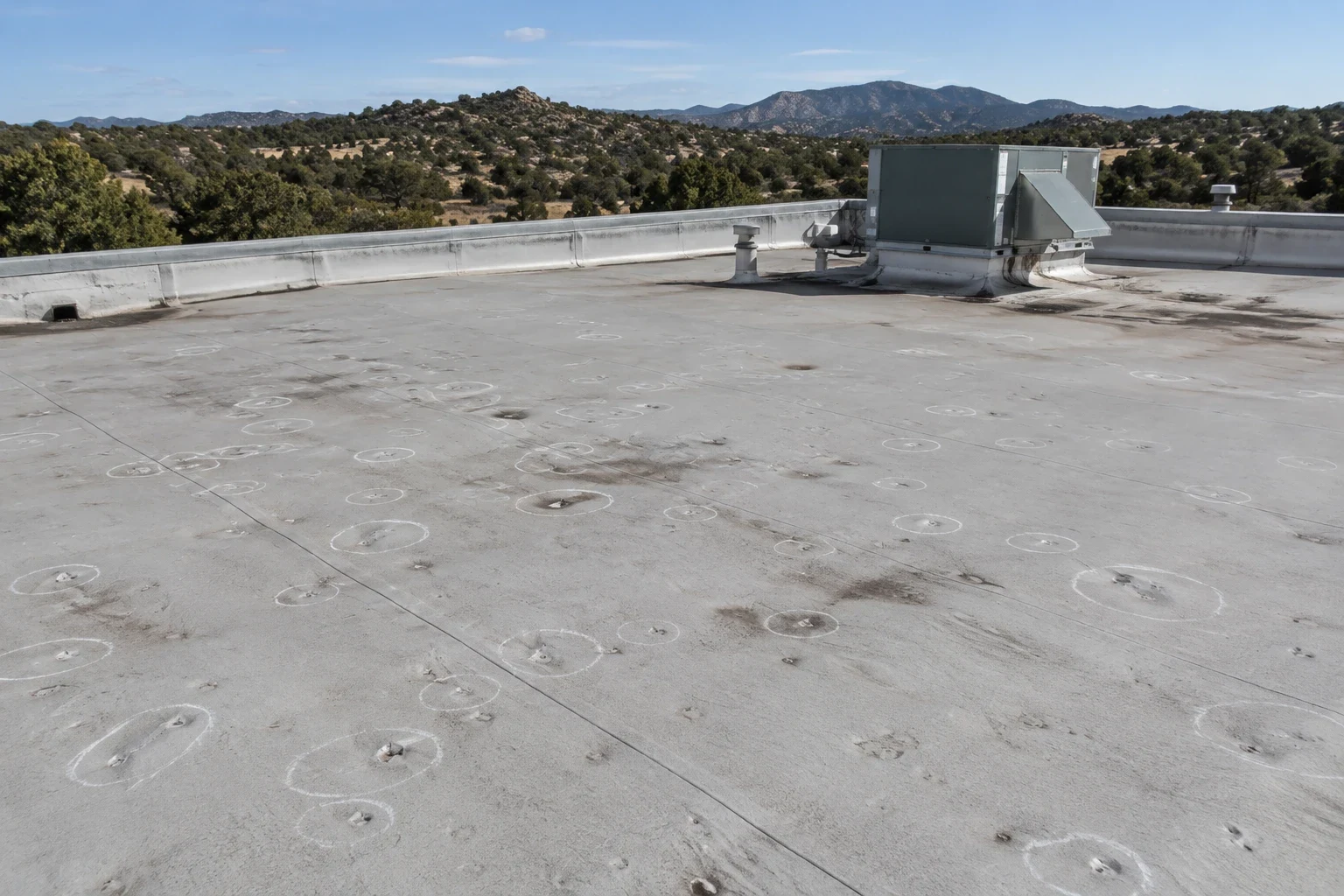
Look at the roof above the exam rooms. A medical office carries more wet systems in its ceiling than most offices: exhaust fans, plumbing vents and air handlers, each one a hole in the roof. Our walk across a clinic roof in Prescott Valley, AZ covers every curb and every seam, with a photograph of each, and the findings sheet reaches you before anything is priced.
A leak in a clinic costs more than a stained tile. It closes a room, delays a patient and raises an infection-control question. Fixing the cause early is cheaper.
What makes a clinic roof different
A clinic runs on rules a normal office does not have. Ceilings must stay clean. Rooms must stay open. Air must stay filtered. A roof leak breaks all three at once.
So each roof zone is ranked by what sits below it. Procedure rooms come first, exam rooms next, waiting rooms and storage last. The findings sheet shows that ranking with photographs.
We also ask where the air intakes are. Roofing work makes dust and fumes, and a covered intake keeps them out of the clinic.
Roof access matters too. The crew needs a ladder or hoist route that does not cross the lobby or the patient entry. We agree on that route before the first shift and mark it on the plan.
Where the medical roofs are
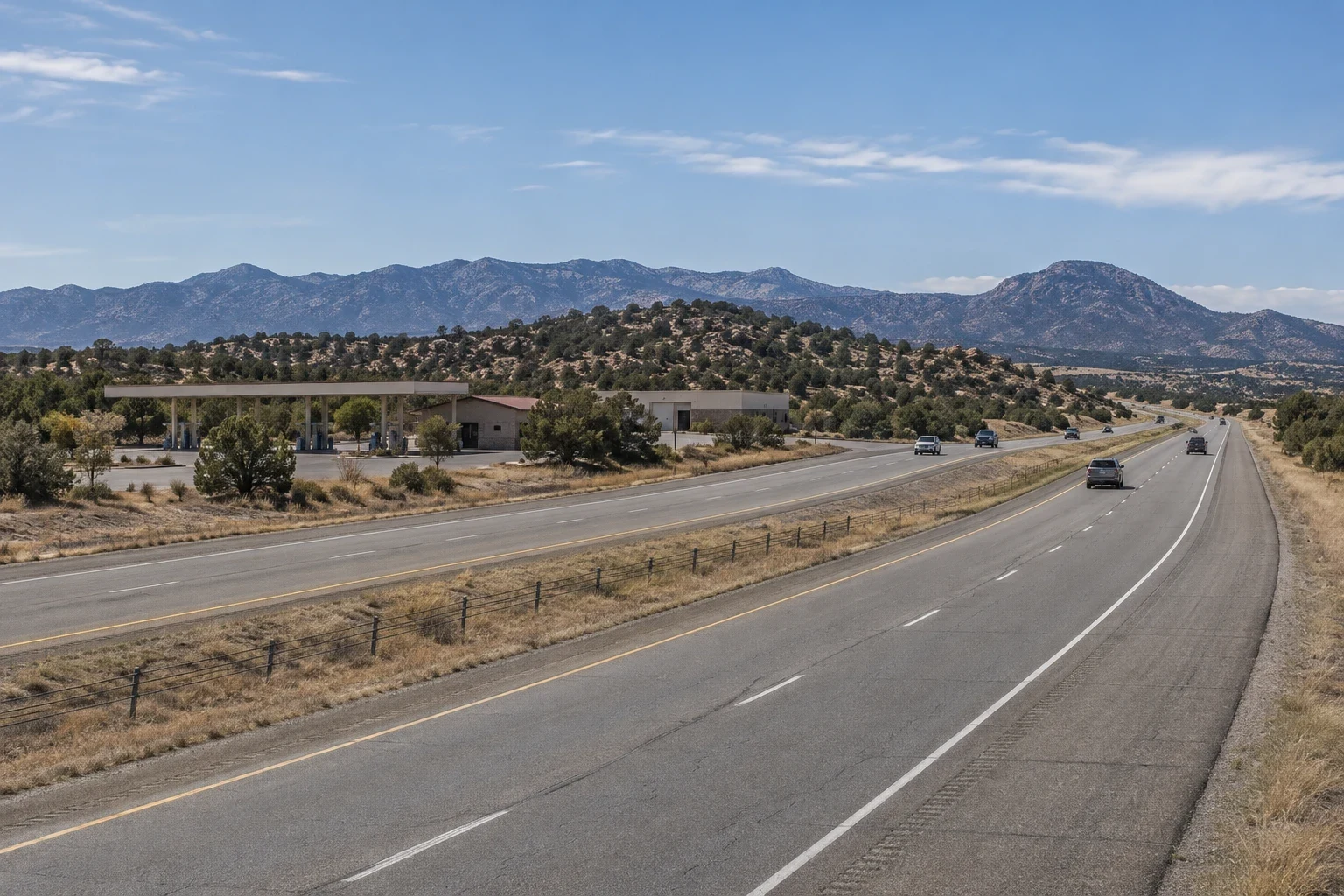
Among Prescott Valley's largest employers is Yavapai Regional Medical Center East Campus, and medical offices tend to gather near hospitals and along main roads. The State Route 69 corridor runs six lanes between Prescott Valley and downtown Prescott, with a connection to Interstate 17. An office building beside a clinic on a road like that may share a drain line or a parapet with it.
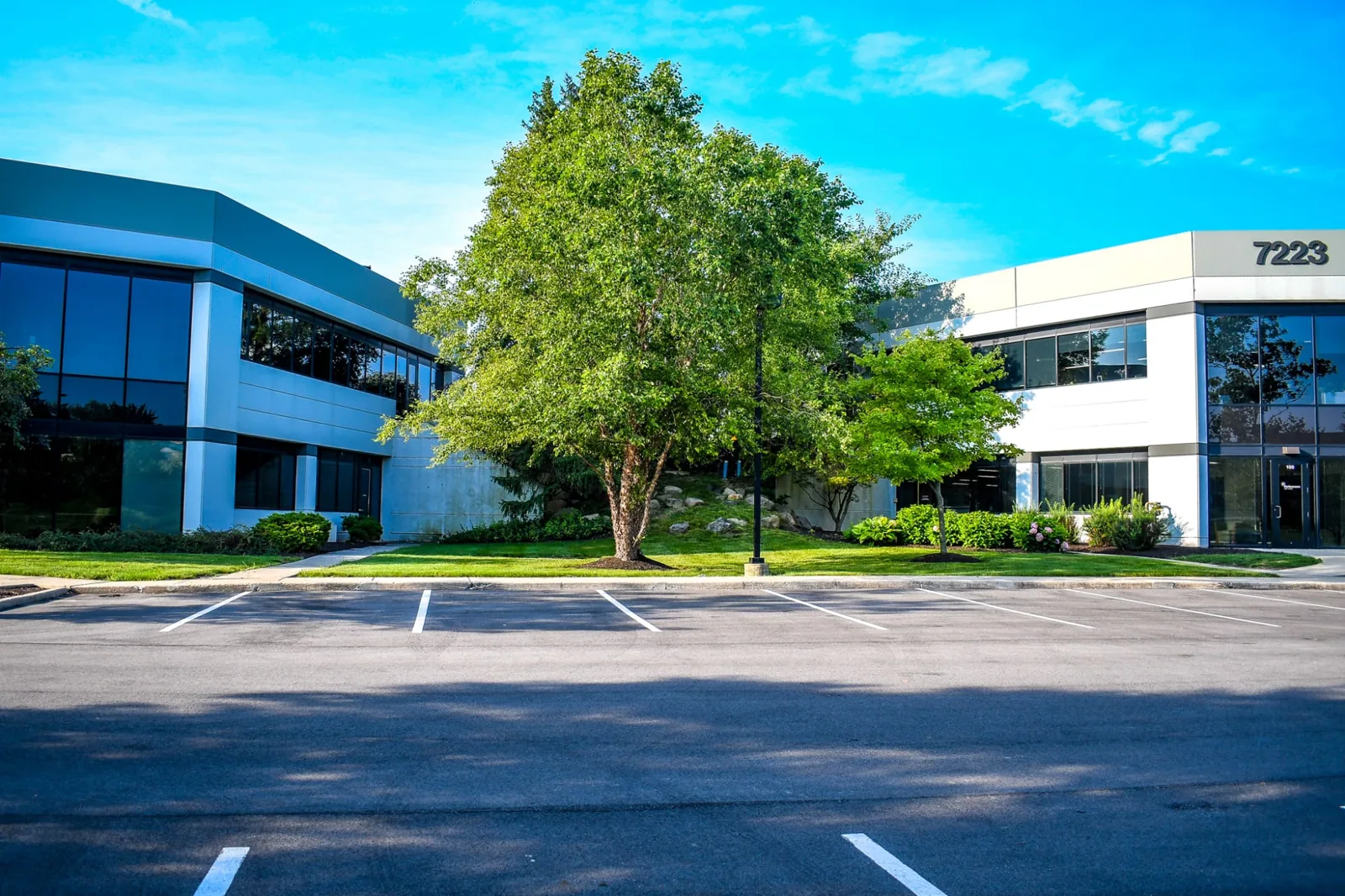
The Prescott Valley Economic Development Foundation also targets medical companies of 10 to 125 employees. Companies of that size suggest small and mid-size buildings, sometimes with several tenants, and each tenant adds equipment to the roof. A dental suite adds an exhaust. A lab adds a vent. An imaging suite adds a cooling unit. The roof becomes a record of every tenant that moved in.
We mark each item on the plan and note which tenant owns it. When a tenant leaves, its equipment sometimes stays behind, and orphaned curbs and capped pipes make good leak points. We flag them.
Flashing, drains and seams
Start with the flashing around exhaust fans and plumbing vents. These are small penetrations, and they leak first. A pipe boot cracks in sun and cold. A cap rusts. A sealant bead dries out.
Next is the drain. A roof with only a few drains leaves a ponding line when one blocks, so we clear the screens and test the flow.
Last is the seam. Modified bitumen and single-ply seams both open under thermal swing. We probe each one and photograph the soft ones. A commercial roof repair at these points is small and fast.
Each repair is written as a patch, a fix or a replacement of the part. A patch holds a season. A fix addresses the cause. A replacement resets the clock on that detail. All three prices sit on one sheet.
Power loss, hail and the freeze
On July 20, 2026, a monsoon cell sent heavy rain, strong wind and pea-sized hail over Prescott Valley, while more than 130 APS customers sat without power. A clinic that loses power also loses cooling, and a roof leak makes the day harder.
Recorded hail nearby runs from pea-sized stones to half-inch stones. Either can bruise a membrane or dent a vent cap, so after a storm we check the units and the field. Each dent and soft spot gets a dated photograph. A clean hail damage record supports an insurance claim.
The freeze season runs from about October 21 to May 1, and a daily swing near 30 degrees works every seam. We check the roof each autumn and again after storms.
Protecting patients and staff
The roof is the work site, and the clinic is the neighbor. We keep the two apart.
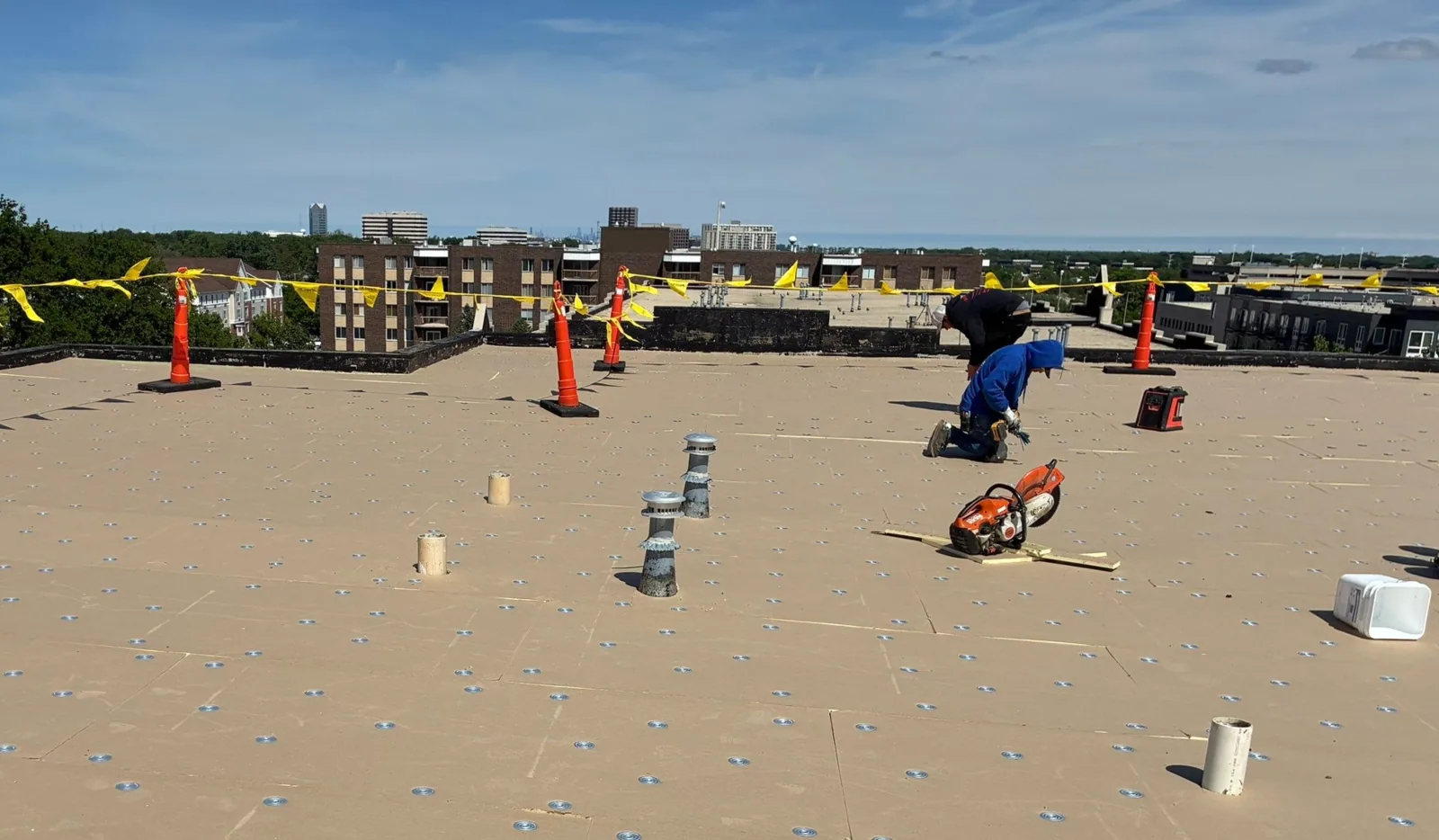
Air intakes and exhaust get covered. Hot work stays clear of vents. Material stages away from the entry and the ambulance bay. The office manager receives a schedule, quiet hours for procedures are agreed ahead, and the plan is confirmed again two days before the crew arrives.
A leak after hours is a phone call away, at any hour. The crew locates the entry, covers it and photographs what it finds, and your office manager has a written summary by day's end. An occupied building reroofing plan carries these rules, with extra care for air and noise.
What to repair now and what to ask for
Repair now: leaks over procedure and exam rooms, open seams, failed flashing and blocked drains. These put water near patients.
What can wait: staining, chalking and minor blisters, each logged with a photograph and a price. The sheet should carry the plan and the core results, and it should state how the work affects the warranty. Find out who will be on the roof, when, and how the intakes stay protected.
A hospital campus works to a stricter plan, with tighter air and permit controls, and a hospital roof job sets those controls first. A small clinic still benefits from borrowing them: a written route, a named contact and a daily check-in cost almost nothing. An infrared moisture survey finds wet insulation without opening the roof.
Commercial Roofing Questions
Can a medical office stay open during roof work?
Yes. The crew works in sections, closes each one the same day and covers air intakes. Tell us which rooms cannot take noise or dust and the schedule bends around them. Your office manager approves the plan first, and we supply a notice you can post for staff and patients. Dates are confirmed in writing, then again two days before work starts.
How do we keep dust out of the clinic?
Cover the intakes, shut down exhaust near the work zone when possible and keep debris off the roof near vents. The crew sweeps at the end of each shift and checks the ground for fasteners and scraps, since a nail in a parking space can end up in a patient's tire. Sensitive rooms get added protection below the work zone, and your HVAC contractor can set filters for the work period.
A ceiling tile in an exam room just stained. What now?
Photograph it, write the date and call. Leave the stain unpatched for now, because its pattern helps us trace the entry. We work upstream from the mark, with a moisture scan if the source is unclear, then repair the source and note the result in the file.
Does a clinic roof need a special membrane?
Not by rule. Choose a system with few seams and good flashing details, installed by a crew that checks every weld and every curb. A reflective single-ply is common. Where exhaust carries oils or chemicals, PVC may last longer. We match the product to the building and say why in the findings sheet.
How often should a medical roof be walked?
Twice a year is a sound rhythm: once in autumn before the freeze and once in spring after it, plus a walk after any major storm. Between walks, ask clinic staff to report stains, drips and odors the day they appear. Each visit adds photographs to the file so changes show over time.
Request a walk-through
Ask for a walk-through of your medical office roof. We send a written findings sheet with photos before we price any repair. You decide what to fix now and what can wait, and the sheet stays in your file for the next manager.
Request a Roof Assessment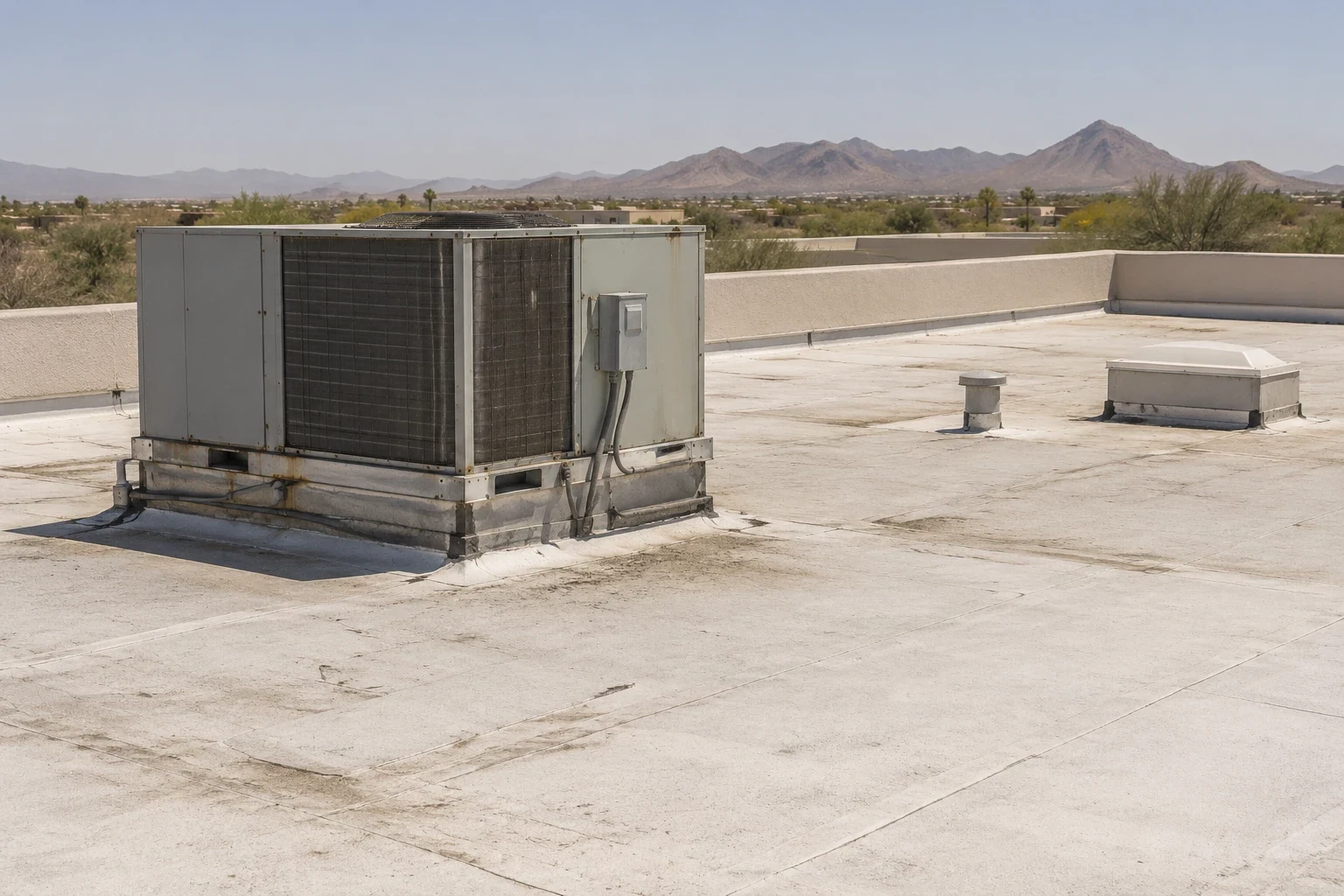
Commercial Roofing Questions
Yes. The crew works in sections, closes each one the same day and covers air intakes. Tell us which rooms cannot take noise or dust and the schedule bends around them. Your office manager approves the plan first, and we supply a notice you can post for staff and patients. Dates are confirmed in writing, then again two days before work starts.
Cover the intakes, shut down exhaust near the work zone when possible and keep debris off the roof near vents. The crew sweeps at the end of each shift and checks the ground for fasteners and scraps, since a nail in a parking space can end up in a patient's tire. Sensitive rooms get added protection below the work zone, and your HVAC contractor can set filters for the work period.
Photograph it, write the date and call. Leave the stain unpatched for now, because its pattern helps us trace the entry. We work upstream from the mark, with a moisture scan if the source is unclear, then repair the source and note the result in the file.
Not by rule. Choose a system with few seams and good flashing details, installed by a crew that checks every weld and every curb. A reflective single-ply is common. Where exhaust carries oils or chemicals, PVC may last longer. We match the product to the building and say why in the findings sheet.
Twice a year is a sound rhythm: once in autumn before the freeze and once in spring after it, plus a walk after any major storm. Between walks, ask clinic staff to report stains, drips and odors the day they appear. Each visit adds photographs to the file so changes show over time.