A Roofing Partner for General Contractors in Prescott Valley, AZ
Roof scopes, sequencing and closeout paperwork for general contractors building and renovating in Prescott Valley, AZ, coordinated with every trade on the roof.
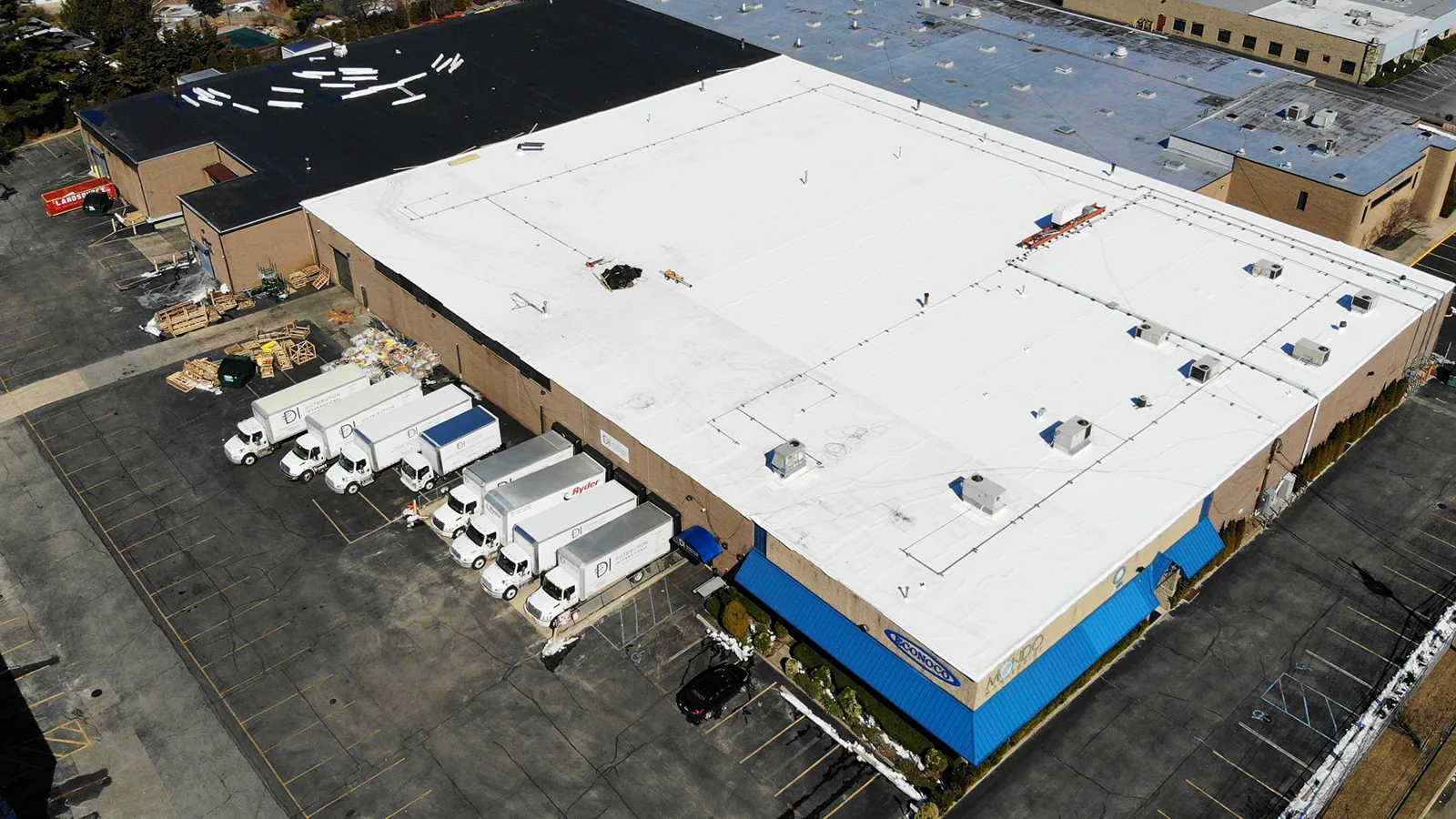
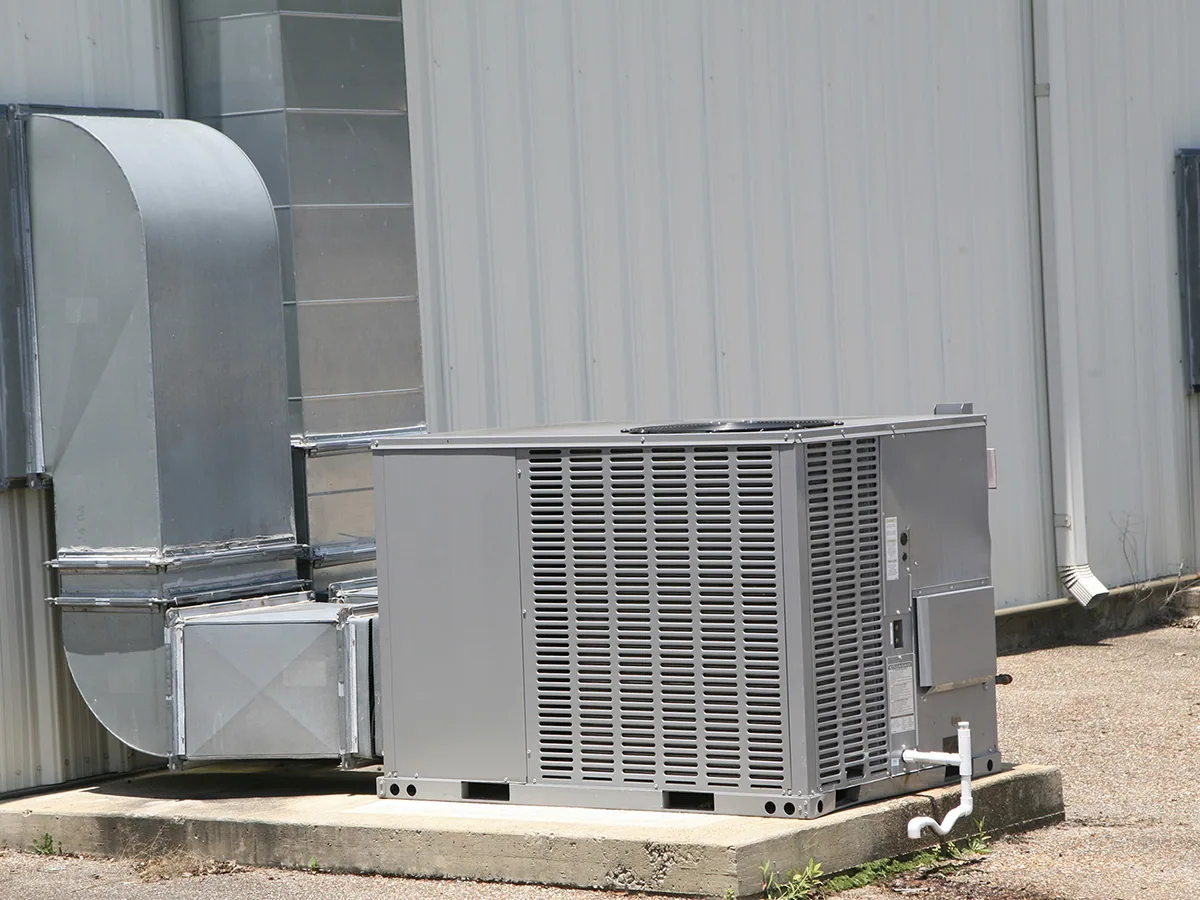
Pull the roof drawing and count the penetrations. Twelve rooftop units, nine exhaust fans, six plumbing vents, two hatches. Then count the trades who will cut through the roof. Mechanical, plumbing, electrical, fire protection, low voltage. That count is the first thing we check on a new build. We read the drawings for Prescott Valley, AZ, and mark every penetration on a plan before a number goes out. A roof with forty holes and five trades needs a sequence, not a hope.
You get a written scope before any price. Then you decide what to bid and what to question.
What the roofing scope must say
A scope that works for a GC names the system, the deck, the insulation, the slope, the edge metal, the penetrations by count and the warranty the owner expects. It also names what the roofer does not do. Curb framing. Structural patching. Unit setting. Sheet metal outside the roof edge. Each belongs to another trade.
Gaps between scopes cost money. The roofer prices a gap. The GC pays twice. We close gaps in writing.
We read the drawings for drains, tapered insulation and overflow. A roof that cannot shed a monsoon cell becomes a claim. We flag details that cannot be built as drawn. A flashing height at a low parapet. A curb too close to an edge. We raise them at bid time, in writing, with a sketch or a photo. Answers then arrive in the submittal log and not in a phone call nobody records.
Access is part of scope too. Where does the lift go? Where does material stage? Which gate does the crew use? On a tight business-park lot, those answers change the price. We ask early and write the answers into the bid.
Alternates matter on a new build. An owner may ask for added insulation, a higher grade of membrane or a longer warranty term. We price each on its own line, so the GC can bring the owner a menu and not a surprise.
What is being built here
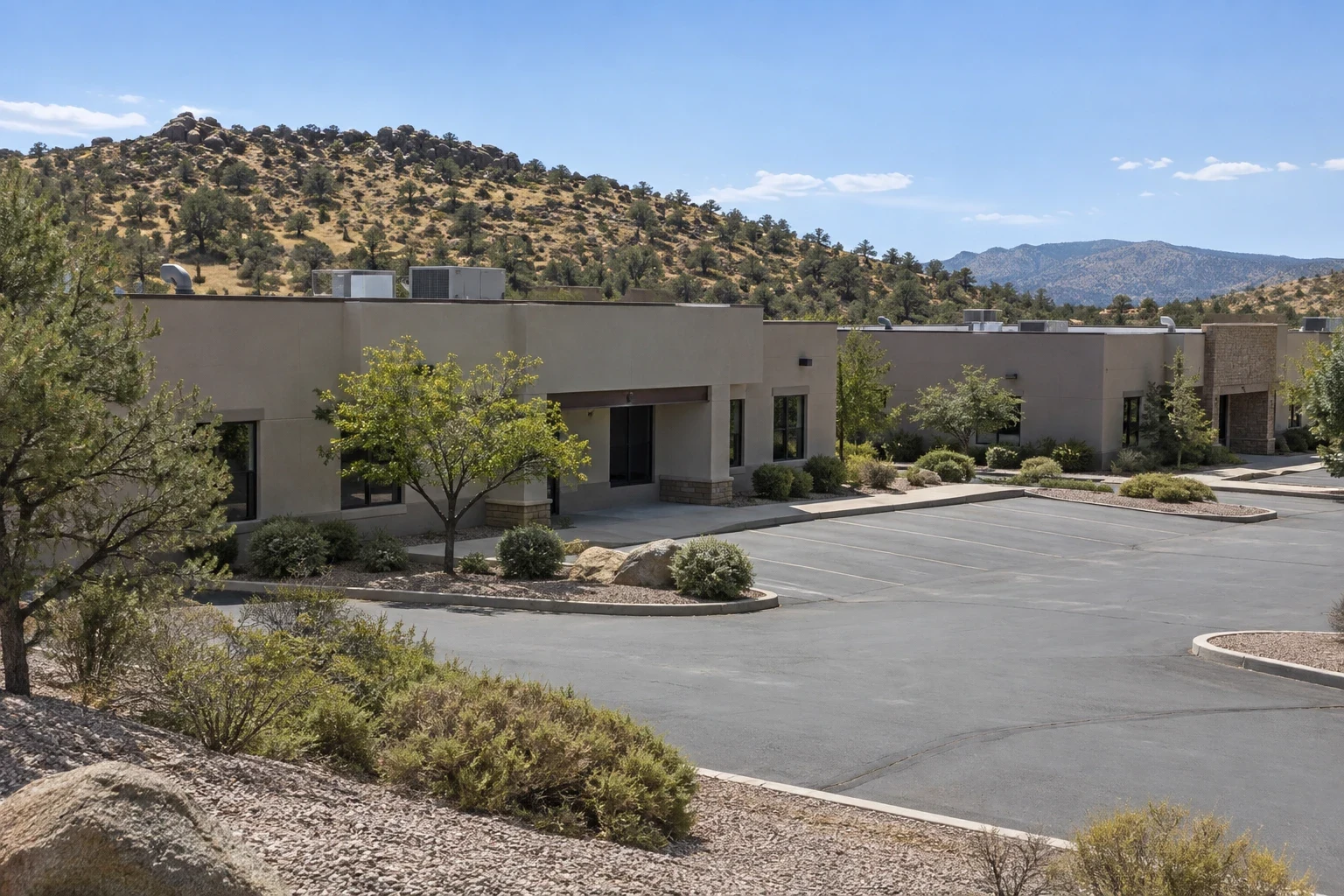
The town markets shovel-ready lots in business parks, and the buildings that go up on them tend to carry metal or single-ply roofs over tilt-up and steel frames. Big Sky Business Park, off East Florentine Road, offers a pad of 10.79 acres zoned C3 with utilities ready. The Economic Development Foundation targets aerospace, distribution, manufacturing, education and medical firms in the 10-to-125-employee range.
The downtown Entertainment District combines a 6,000-seat events center, restaurants, a theater and retail. Homestead Talking Glass, a 214-unit apartment complex, rose in the downtown area. Glassford Hill Marketplace and The Crossroads, two retail power centers, have added new tenants.
That is a lot of mixed work. Tilt-up warehouses, steel shops, retail shells, apartment blocks and tenant improvements. A GC here needs a roofer who can switch among them. A standing seam metal roof on a shop and a TPO roof on a retail shell need different crews, different details and different schedules.
What monsoon and freeze do to a schedule
At 5,100 feet, Prescott Valley gets about 15 inches of precipitation in a year, and the monsoon cells that deliver it arrive fast. The July 20, 2026 cell carried heavy rain, strong wind and pea-sized hail and left signals and trees on the ground. A building that is not dried in when a cell hits will take water into the deck, the framing and the slab.
So we work in sections small enough to close the same day. We keep tie-ins ready at the end of every shift. We watch the forecast and stage covers on the roof.
Winter adds its own limits. Freezing mornings start near October 21 and stop near May 1. Adhesives, primers and some membranes need steady temperatures to cure. A day that starts below freezing can end up too late to start a seam. We build the winter days into the schedule, with a number for each month, so the duration reflects when the work will actually happen.
Sequencing with the other trades
The mechanical sub wants curbs early and units set soon. The roofer wants curbs flashed before units go on. Electrical wants conduit through the roof where it suits. A clear sequence settles the argument. Curbs and blocking first. Then membrane and flashing. Then units. Then final penetrations with a roofer on site to seal each one.
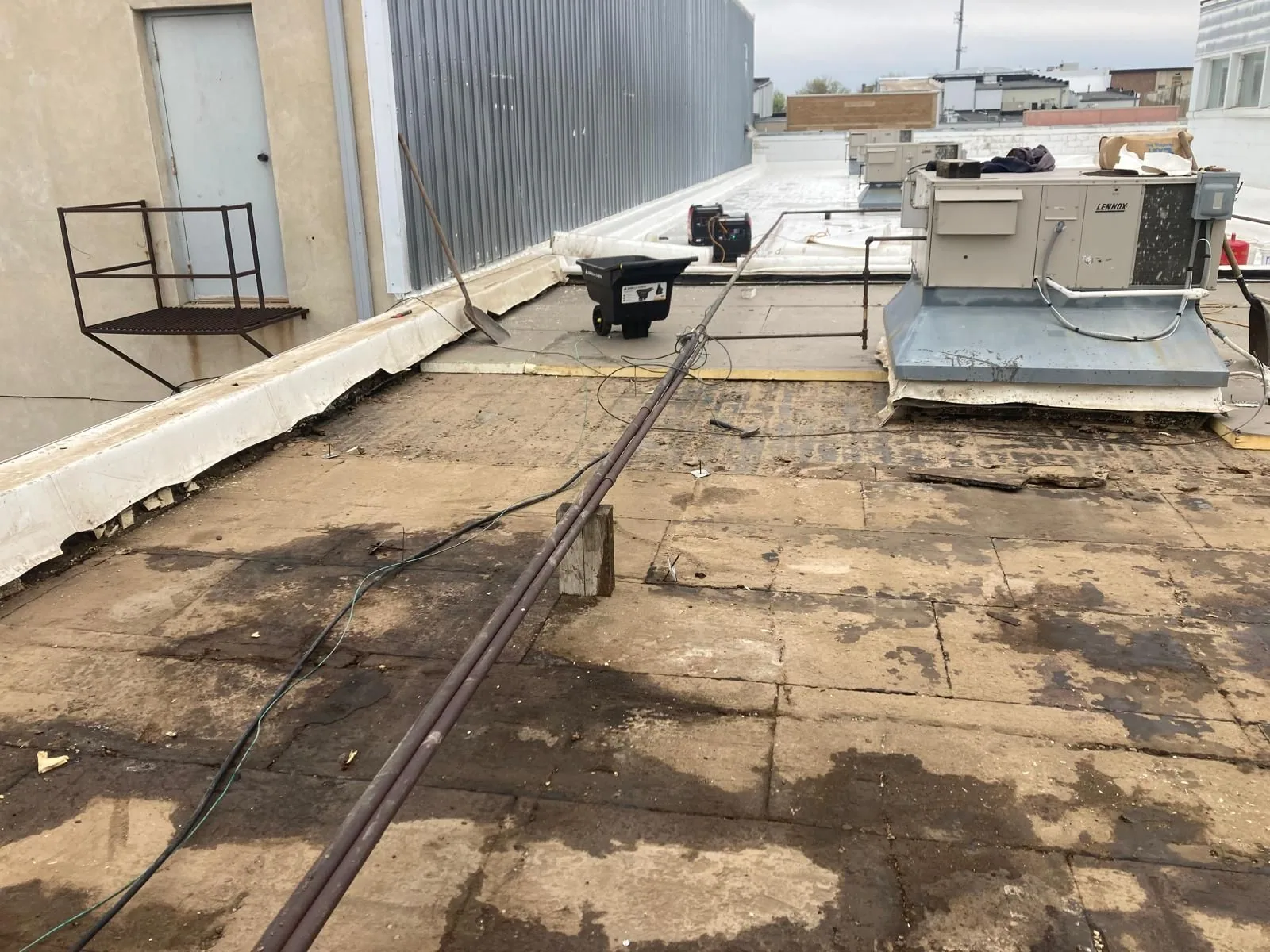
We attend the coordination meetings for the roof. We bring a marked-up plan with each penetration, its size and its trade. Penetrations added after the membrane is done are priced and sealed under the same warranty rules. That is cheaper than a plumber cutting a pipe through a finished roof and leaving a pitch pocket for someone else to fix in February.
Details like equipment curbs and supports need a decision before the deck is closed. A cover board choice affects thickness and flashing height. If the owner wants panels later, the solar-ready roofing details go in the first pass, so the membrane is not opened twice.
Hail and wind can strike before a roof is finished. A half-built roof has loose insulation and open edges. We tie down boards at the end of each shift and watch the forecast. If a cell is likely, we close the open area first and move material off the edge.
Renovations and occupied buildings
A tenant improvement or renovation in a working building changes the roof plan. Dust, noise, access and egress have to be managed. The roof cannot be opened above areas that must stay in service. Our occupied building reroofing method opens small sections and closes them the same day.
We confirm with the GC which tenants are affected, which roof sections belong to the landlord and which to the tenant, and who signs for the repair if a leak is traced to new work. We photograph the roof as found, before anyone cuts. That record protects the GC from a claim for conditions that existed before the job.
What a GC needs at closeout
The closeout binder asks for a manufacturer warranty or a contractor warranty, material data, as-built drawings with penetration locations and a maintenance guide. We deliver each in the format the GC wants. We track the warranty application so a missing signature does not stall final payment. Warranty management continues after closeout.
For public work, such as school district and public agency projects, the list is longer. Payroll reports, bonds and insurance certificates are part of it. We keep those ready, so they do not hold the pay application.
Commercial Roofing Questions
Do you take new construction scopes as well as re-roofs?
Yes. New construction depends on the deck being ready and the curbs and blocking in place. We confirm a readiness list with the GC before we mobilize, so the crew does not arrive to a deck that is not ready.
How are unforeseen conditions handled at tear-off?
Wet insulation, rotted decking and missing blocking are priced by unit rates stated in the bid. We take photos and measure quantities. The GC gets documentation to pass up to the owner.
Can you work with an owner's preferred system?
Yes. We install TPO, PVC, EPDM, modified bitumen, built-up, standing seam and other systems. Our job is to price it correctly and detail it for the altitude and the freeze.
What if the roof is not ready when other trades need it?
We tell the GC as soon as a delay is likely, with the cause and a recovery plan. Common causes are material lead time, a late deck release or a storm week. Each has a different fix.
Who inspects the roof before the owner accepts it?
We walk it and photograph every seam and penetration. A manufacturer's inspector may also walk it when a warranty needs it. We set the visit with the GC and bring the plan and photos.
Request a walk-through
Ask for a walk-through of your project roof or the drawings for a bid. We will send a written scope with photos or markups before we price the work, and we will list every coordination item for the other trades.
Request a Roof Assessment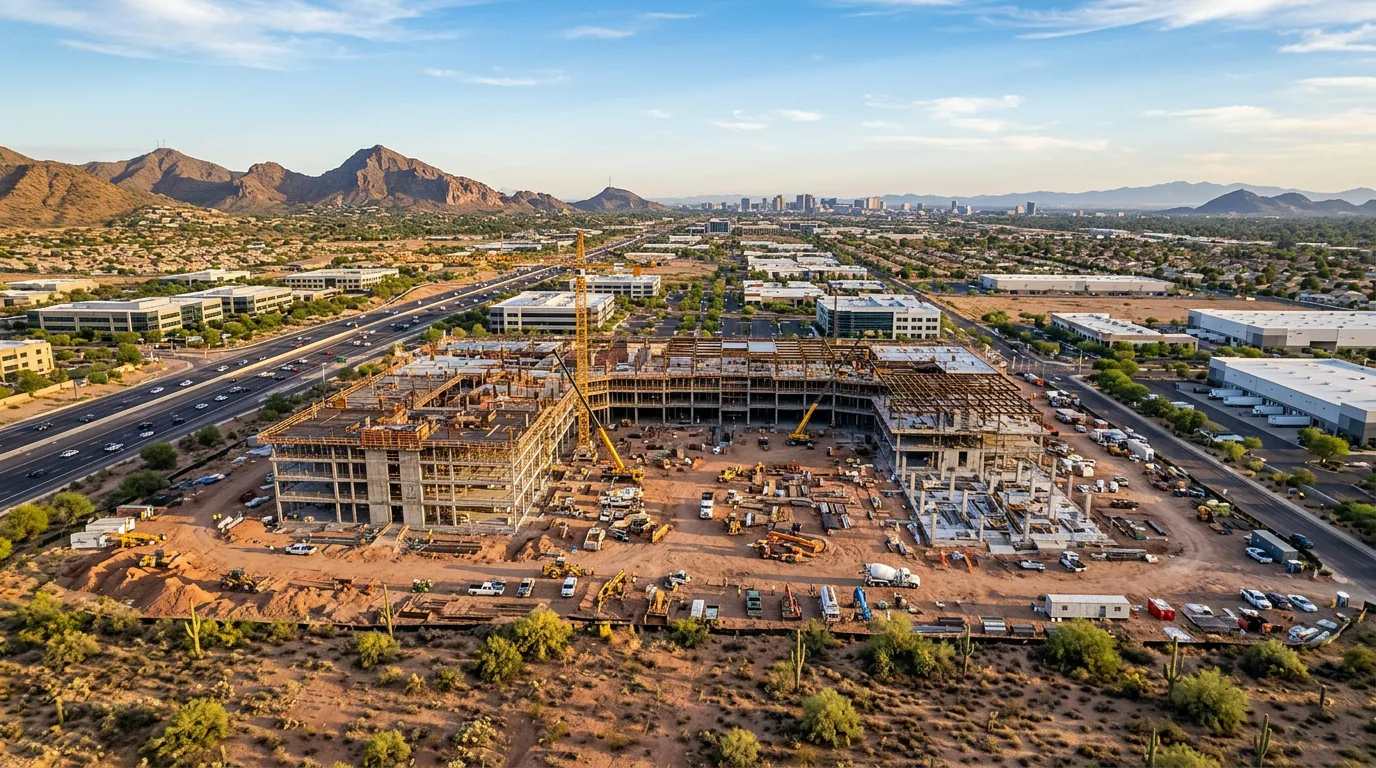
Commercial Roofing Questions
Yes. New construction depends on the deck being ready and the curbs and blocking in place. We confirm a readiness list with the GC before we mobilize, so the crew does not arrive to a deck that is not ready.
Wet insulation, rotted decking and missing blocking are priced by unit rates stated in the bid. We take photos and measure quantities. The GC gets documentation to pass up to the owner.
Yes. We install TPO, PVC, EPDM, modified bitumen, built-up, standing seam and other systems. Our job is to price it correctly and detail it for the altitude and the freeze.
We tell the GC as soon as a delay is likely, with the cause and a recovery plan. Common causes are material lead time, a late deck release or a storm week. Each has a different fix.
We walk it and photograph every seam and penetration. A manufacturer's inspector may also walk it when a warranty needs it. We set the visit with the GC and bring the plan and photos.