Roof Warranty Management in Prescott Valley, AZ
Roof warranty management in Prescott Valley, AZ: read the exclusions, log every roof trade, and keep dated photos so coverage survives hail, wind and freeze.
Find the warranty first. Then find the page that lists what it does not cover. That page matters more than the first one. Many roof warranties exclude ponding water past a set time. Many limit hail and wind. Some require approved contractors for any repair. A warranty is a contract with conditions. In Prescott Valley, AZ the conditions meet hard weather: monsoon wind and hail, freezing mornings and a daily temperature swing near thirty degrees. Managing a warranty means keeping the conditions met and the proof on file.
Know which warranty you hold
Roofs can carry more than one. A manufacturer warranty covers the material, and sometimes the system, for a stated term. A contractor warranty covers workmanship, usually for a shorter term. Some roofs have a joint document. Others have only a letter.
Each has its own terms. Who may repair the roof. What must be reported and how soon. Which events are covered and which are not. Whether the warranty transfers when the building sells. We read the documents and write a one-page summary. That summary goes in the roof file. Staff can read it in two minutes instead of searching a contract.
If the papers are missing, start with the roof itself. A label on a membrane, a product code on a flashing or a stamp on metal trim can name the maker. The building file, the original permit and the installer's invoice can name the rest. We trace what we can and list what we cannot, so the owner can ask the maker directly.
Read the exclusions
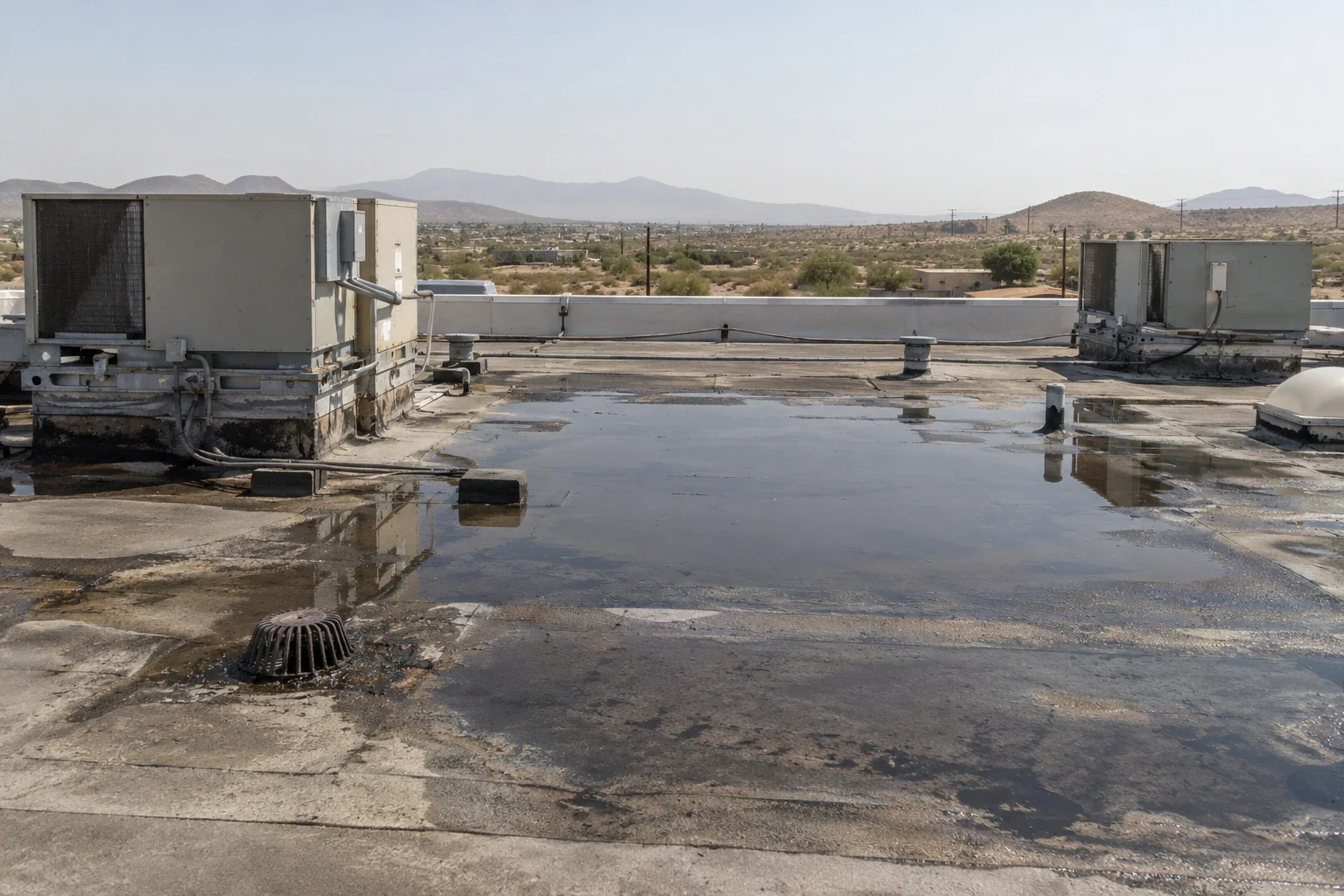
Most warranty disputes turn on exclusions. Ponding water is a frequent one. A roof that holds water past a stated time may lose coverage at that spot. A ponding water finding is a warranty finding as well as a roof finding.
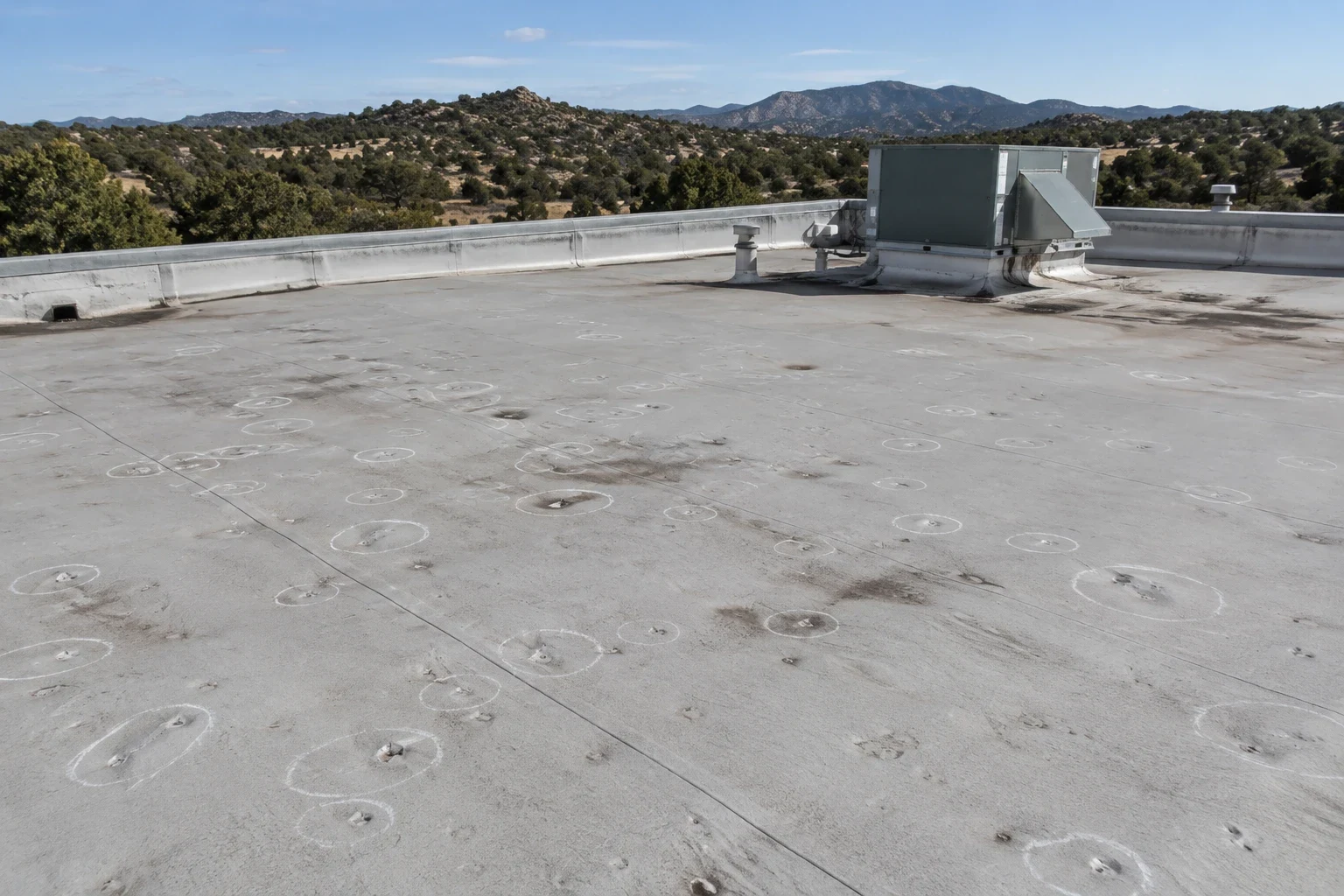
Hail and wind are others. A policy may cover wind up to a stated speed and exclude hail altogether. The July 20, 2026 monsoon storm over Prescott Valley mixed heavy rain, strong wind and pea-sized hail. A roof under such a warranty needs the exclusion read before anyone assumes coverage. Foot traffic, chemical exposure and unapproved penetrations are also common exclusions. The summary lists them in plain words.
Check the wind clause against the building. A roof near open ground faces gusts that a sheltered roof does not, and the warranty speed may be lower than a monsoon gust front. When an exclusion looks tight, the plan can add edge metal upgrades or extra fasteners at the perimeter so the roof stays within its limits. A hail damage finding gets a note in the file the same day.
Keep the warranty valid
Validity depends on a short list of habits. Use approved repair methods. Notify the manufacturer or contractor of work when required. Keep drains clear. Document maintenance visits. Do not let other trades cut or walk the roof without control.
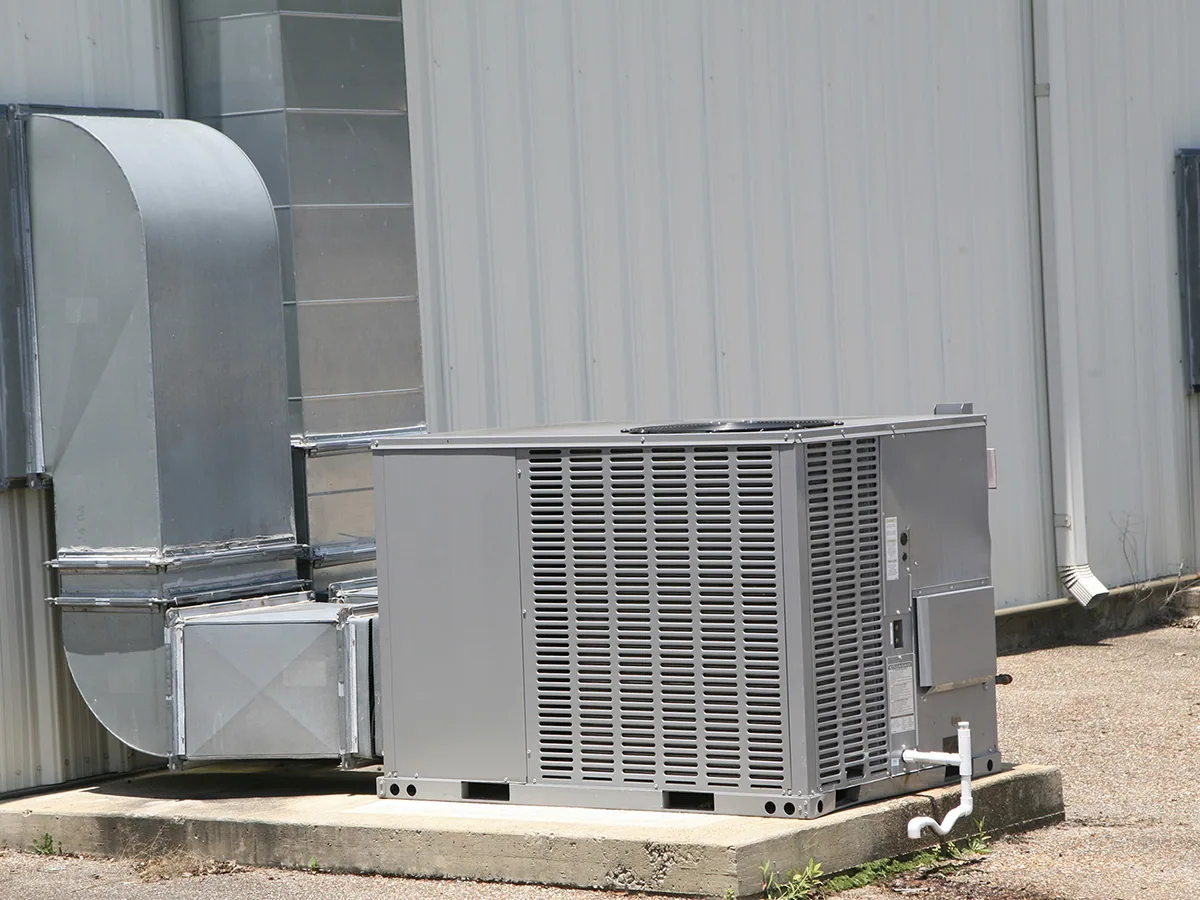
Other trades are the largest risk. A heating technician who sets a unit on the membrane. A cabling crew that drills a new hole. A signage installer who fastens through the sheet. Each can void coverage. We recommend a roof access log and a rule: no penetration without a flashing detail approved against the warranty. For tenant-heavy retail roofs, the rule goes in the lease file. Equipment curbs and supports need approval before they go in.
Weather adds its own tests. Freezing mornings run from about October 21 through May 1, and cold limits what repairs can be made to standard. A repair made in cold, damp conditions with the wrong product can fail and give the warranty issuer a reason to refuse a later claim. We schedule permanent work for the right window and use temporary protection until then. The record notes the temperature and the product on the day.
When to file a claim
Most warranties set a window for notice. Some are measured in days. A leak found in January and reported in June may be refused. So we move fast. We photograph the finding, mark it on the plan, write what we think caused it and send the package to the owner for filing.
We do not decide coverage. The manufacturer or the contractor does. What we do is make the file complete. Dated photos. A map. A description of the cause. A copy of the warranty clause. Before and after photos of any repair. If the roof has an inspection history, we attach it. Records of regular care show the owner kept the roof in good order, which is what most warranties ask for. A roof condition report supplies much of this.
Keep the originals. Photos with dates. Emails with the issuer. Receipts for temporary protection. Names of the people who walked the roof. A complete record leaves the issuer little reason to ask for more. Store it where the next facility manager will find it.
Track the dates
Warranties expire. Notice windows close. Required inspections come due. We keep a calendar for each roof. It shows the warranty end date, the next required inspection and any open claim deadlines. A reminder goes out ahead of each.
The calendar ties to the roof register. When a roof nears the end of its term, we flag it. The owner can choose to repair under coverage, inspect before it expires or plan restoration. Waiting until after expiry gives away options. Owners with many buildings, including those with roofs in the Glassford Hill Road corridor, gain the most from the calendar.
Sale and refinance are the other dates. A warranty that transfers adds value to a building. One that does not drops out of the deal. A lender or buyer will ask. The calendar flags transfer terms ahead of time, so the paperwork can be ready for a due diligence roof survey.
What to ask for in writing
Ask for the warranty summary. Ask for the exclusions list. Ask for the notice window. Ask who may repair the roof. Ask whether coatings, solar arrays or new equipment affect coverage. Ask whether the warranty transfers on sale, and what the transfer needs.
Ask that each repair record the product, the method and the date. The sheet arrives ahead of any pricing. What gets approved is your decision, and the file shows the warranty was respected.
Commercial Roofing Questions
Does a repair void my roof warranty?
Not by itself. Repairs made with approved methods and materials, and reported if required, normally keep coverage. Unapproved repairs or untracked work by other trades can end it. Read the terms and ask the issuer before work starts.
Can I add a coating or solar array to a roof under warranty?
Maybe. Many manufacturers require written approval first. Some will extend or reissue coverage with an approved coating. Others void the old terms. Get the answer in writing before the work and store it in the roof file.
What if the original contractor is gone?
Manufacturer warranties often continue without the installer, but they may name an approved repairer. Read the terms. We can document the roof's condition and propose a repair that fits the warranty.
Does the warranty cover storm damage?
Often not. Many warranties exclude hail or limit wind. Storm damage is usually an insurance matter. We record the damage with photos and the date, so the right party can make the call.
What happens when the warranty expires?
Coverage ends, but the roof does not. An inspection just before expiry can find defects while a claim is still possible. After expiry the roof moves to a maintenance and capital plan, and the file shows what is left.
Request a walk-through and a warranty summary
Ask for a roof walk and send the warranty papers you have. You get a written findings sheet with photos and a plain summary of what the warranty requires before any repair is priced.
Request a Roof Assessment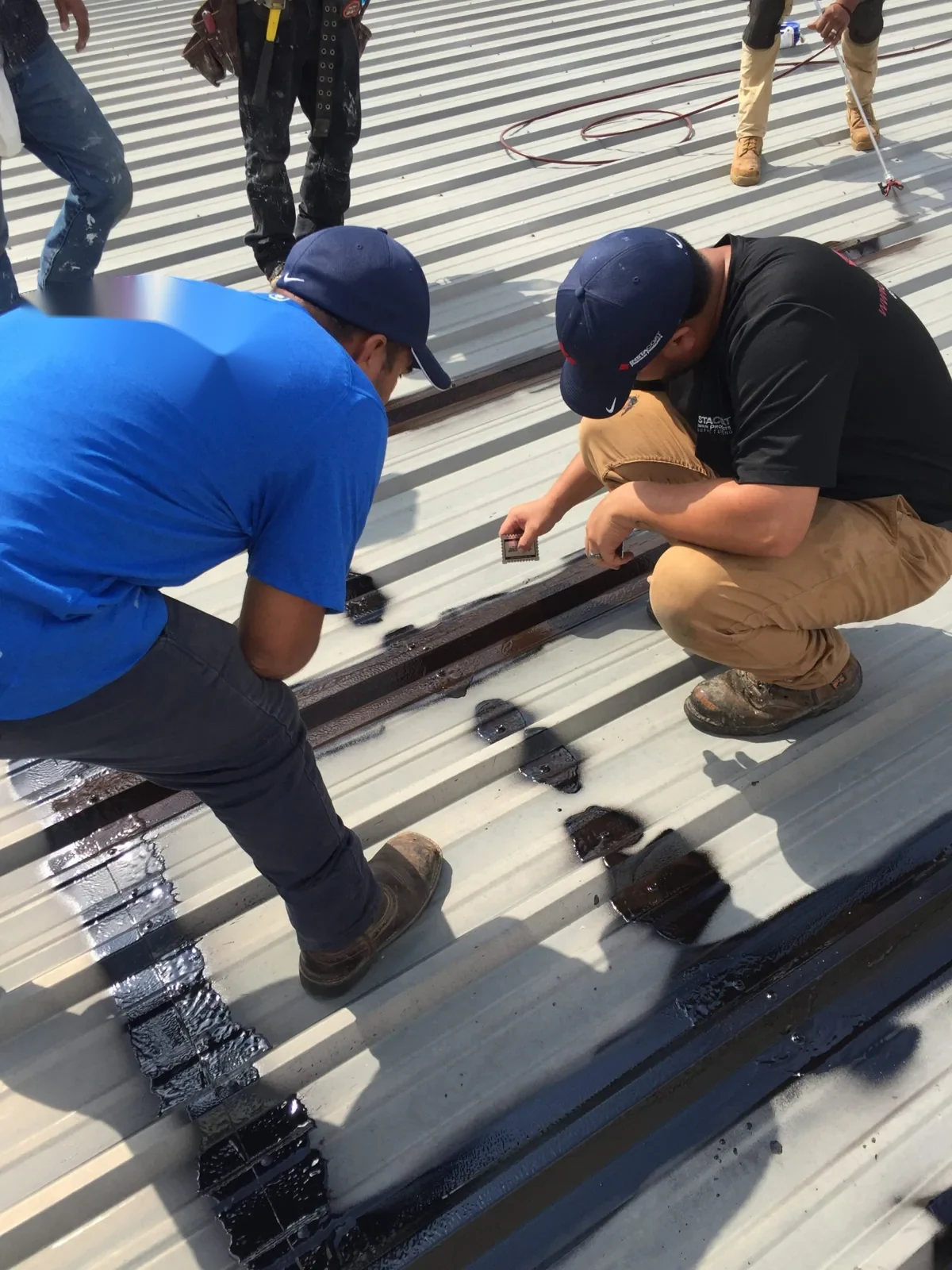
Commercial Roofing Questions
Not by itself. Repairs made with approved methods and materials, and reported if required, normally keep coverage. Unapproved repairs or untracked work by other trades can end it. Read the terms and ask the issuer before work starts.
Maybe. Many manufacturers require written approval first. Some will extend or reissue coverage with an approved coating. Others void the old terms. Get the answer in writing before the work and store it in the roof file.
Manufacturer warranties often continue without the installer, but they may name an approved repairer. Read the terms. We can document the roof's condition and propose a repair that fits the warranty.
Often not. Many warranties exclude hail or limit wind. Storm damage is usually an insurance matter. We record the damage with photos and the date, so the right party can make the call.
Coverage ends, but the roof does not. An inspection just before expiry can find defects while a claim is still possible. After expiry the roof moves to a maintenance and capital plan, and the file shows what is left.