Multi-Site Roof Programs in Prescott Valley, AZ
Multi-site roof programs in Prescott Valley, AZ: one standard survey, one ranked list and one schedule across many buildings, built on dated inspection photos.
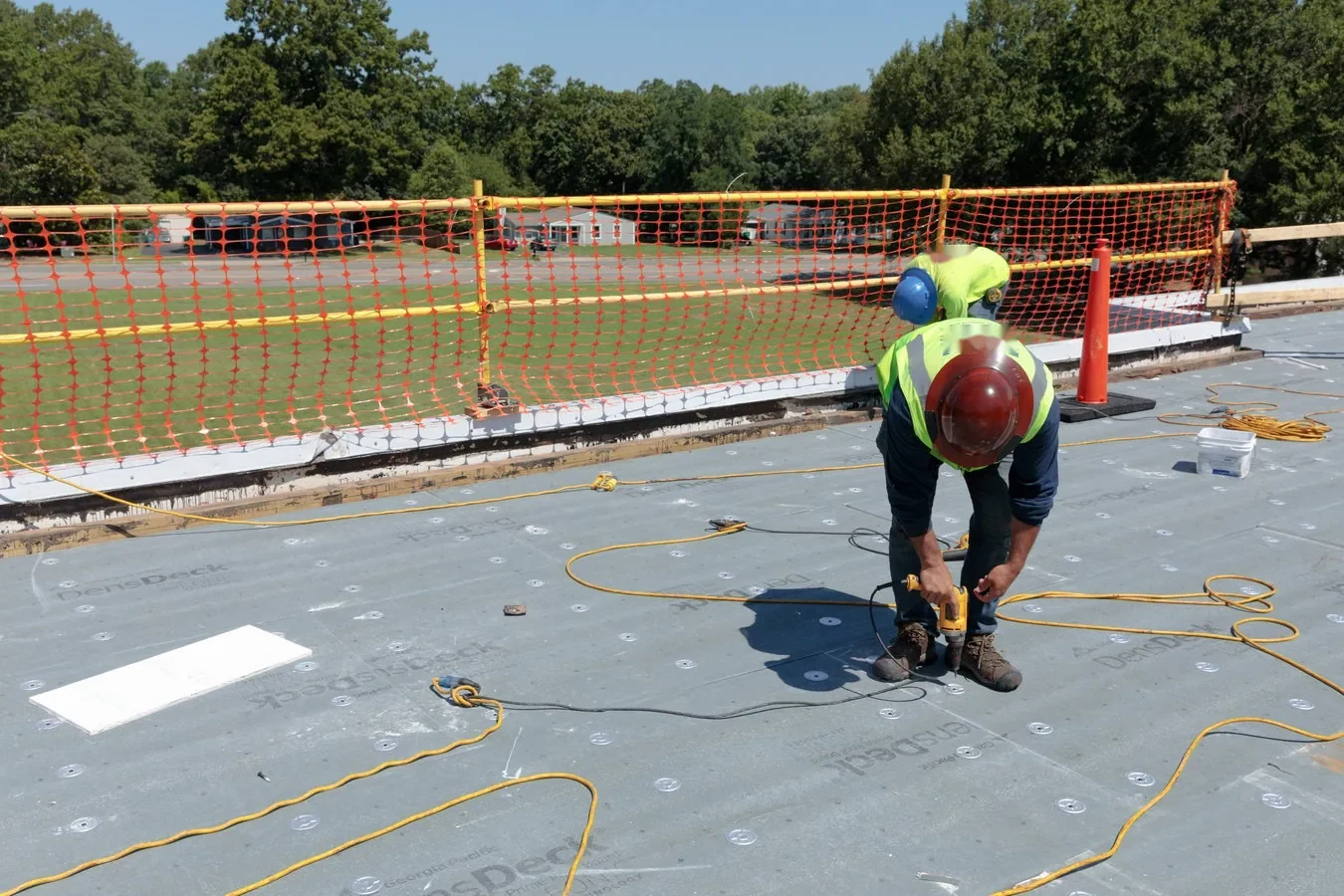
Lay six roof reports side by side. If each uses its own words, its own scale and its own photo style, you cannot compare them. That is the first problem a multi-site program solves. It sets one way to look at every roof. Same walk order. Same photo angles. Same rating. Then the roofs can be ranked against each other. In Prescott Valley, AZ and the towns around it, buildings sit in the same weather but age at different rates. A ranked list shows which one needs money first.
One standard for every roof
The standard has four parts. A walk order. A photo list. A rating scale. A findings format.
The walk order is fixed. Drains, edges, walls, equipment, field. The photo list names each shot and its angle. The rating scale scores drains, seams, flashings, surface, insulation moisture and equipment details. The findings format sorts items into fix now, fix soon and watch. Every roof gets the same treatment. A manager can open any report and find the same page in the same place. When a new building joins the program, it enters through the same door.
The standard also fixes the vocabulary. A seam is open or tight. A drain is clear, partly blocked or blocked. A flashing is sound, worn or failed. Plain words mean two people can read the same report and reach the same decision. The vocabulary is listed on the first page of every report, so a new manager can follow without training.
Rank by condition and consequence
Two scores set the order. Condition comes from the walk. Consequence comes from what is under the roof. A roof over a medical suite, a records room or a production line carries more consequence than one over empty storage. A roof with open seams and ponding carries more condition risk than one with a clean surface and clear drains.
The two scores combine into one rank. The worst condition over the highest consequence goes first. The list is not a guess. Each rank rests on photos and probe results. It changes when a storm hits or a repair is made. We update the list after each visit, and the roof register holds the history behind each rank.
Ties are broken by lead time and by season. Two roofs with the same score are sequenced so that the one needing long-lead materials is ordered first, and the one needing a dry, warm window is placed in spring or early autumn. The sequence is written down so that nobody has to remember why one building went before another.
Weather moves the list
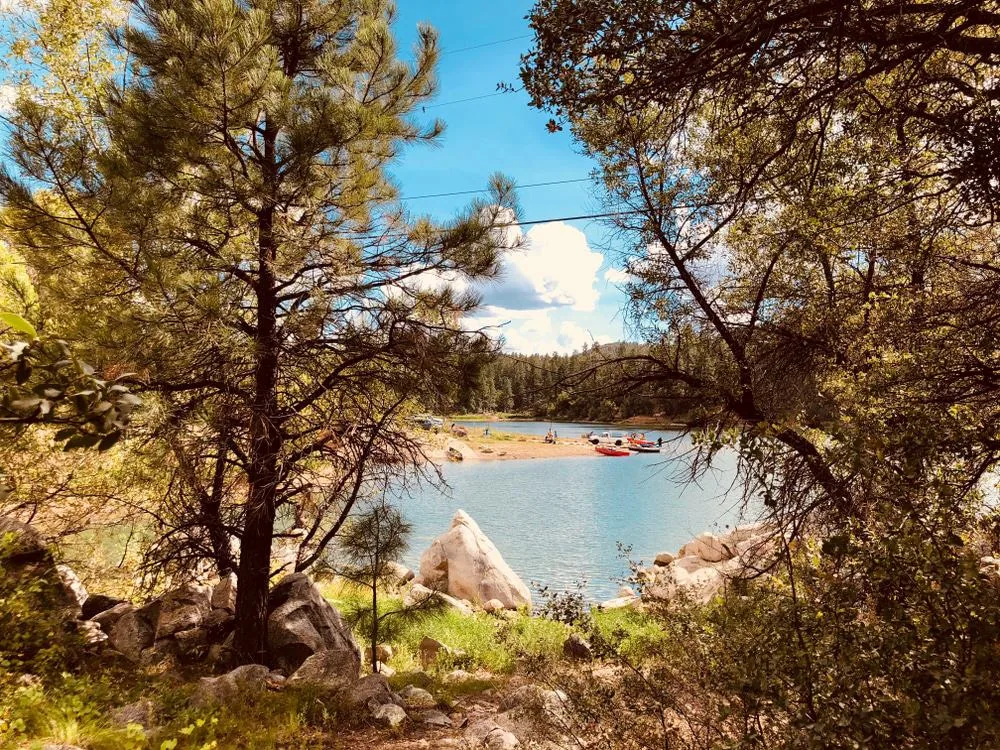
Prescott Valley sits at about 5,100 feet with about 15 inches of precipitation a year, most of it in the July to September monsoon. The July 20, 2026 storm delivered a downpour, strong wind and pea-sized hail, and it left signals and trees down and more than 130 APS customers without power. A cell like that does not hit every building the same way.
After a cell, we visit the exposed roofs first. We check edges, drains and seams. We update the ranks. A roof that held moves down. A roof that took damage moves up. The program lets an owner respond to the weather instead of guessing. Frost arrives in late October and holds into May, so a second pass before the first freeze catches drain and flashing problems while repairs are still easy.
The program also tracks freeze. Water in a drain bowl or seam cracks it. Meltwater that refreezes at a scupper builds ice. After the first hard freeze, we check the drains on the exposed roofs, because a frozen outlet backs water onto the field. The check takes minutes per roof and the results go straight into the rank.
One schedule across buildings
The schedule groups work by season, by area and by building calendar. Monsoon prep in June. Post-storm visits in August and September. Pre-freeze checks in October. Spring walks after the thaw. Large projects land in the weeks when weather and the building allow.
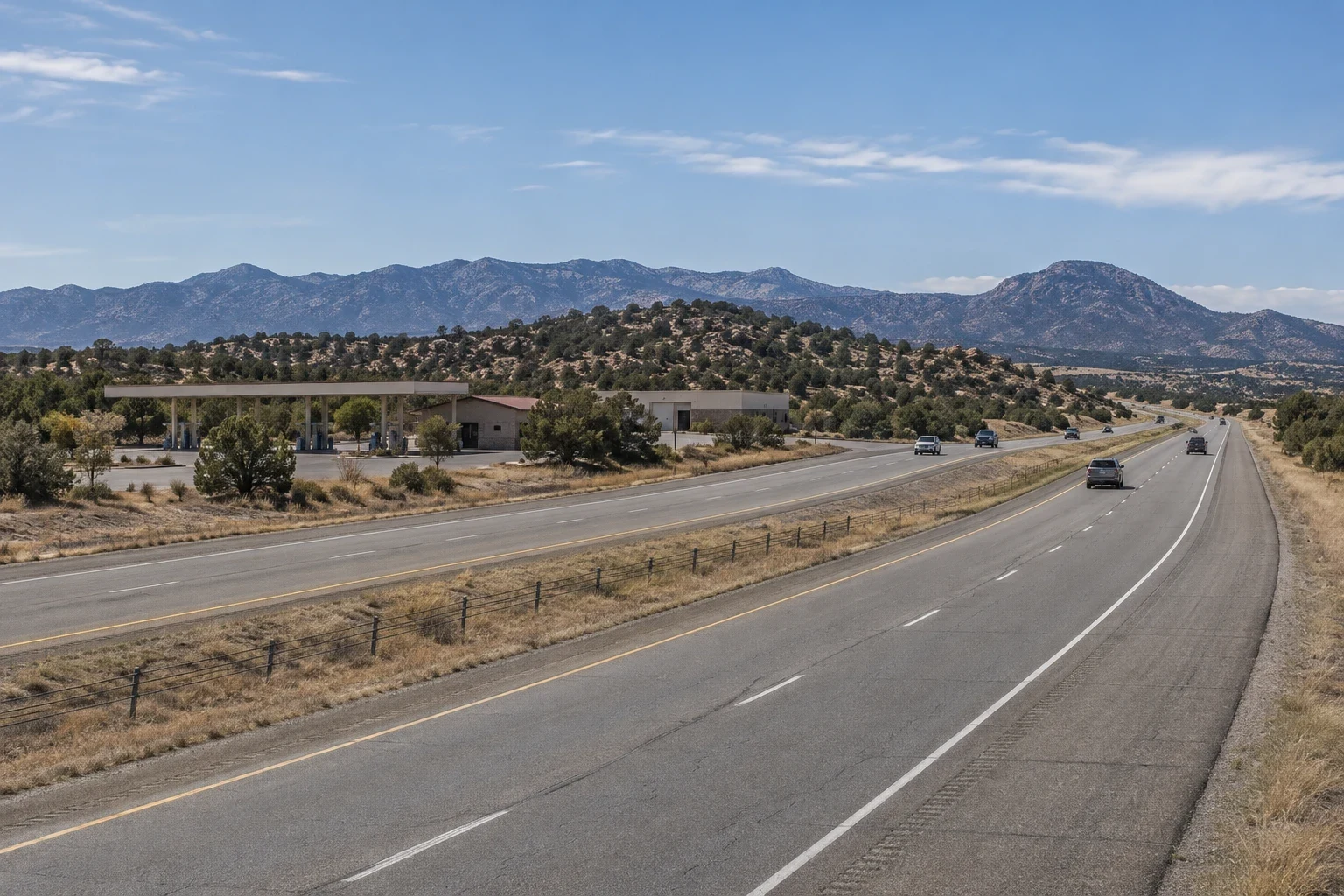
Grouping by area saves time. Roofs along the SR 69 corridor, on the east side near Fain Road, and in the Entertainment District can be grouped by area into a single day's route where the count allows. Owners with sites in Prescott, Dewey-Humboldt or Chino Valley can include them in a route. The bid shows travel as its own line, so the cost of the outlier is clear.
Contractor consistency is a quiet benefit. One crew that has walked each roof knows the access routes, the hatch locations and the tenant contacts. It does not need to relearn a building each visit. When a repair is needed after a storm, the crew arrives knowing which roof it is and what was found last time. That cuts the time to make the roof safe.
Mixed buildings, mixed roofs
A portfolio rarely has one kind of building. The town's economy includes industrial, manufacturing, retail and service businesses plus many retirees. Its largest employers include Yavapai Regional Medical Center East Campus, Humboldt Unified School District, MI Windows and Doors, the Ace Hardware Retail Support Distribution Center, Walmart and Fry's. A portfolio may hold a warehouse, a clinic, a strip center and a school-type building.
Each type adds checks to the standard. A warehouse needs a long drain tally, a strip center needs a penetration register and a clinic needs an access note. The core stays the same, so reports still compare. A distribution center roof and a senior living roof carry very different add-ons, and both sit inside the same program.
What to ask for in writing
Ask for the standard before the first walk. Ask for the ranked list with reasons. Ask for the route and the travel line. Ask how the list updates after a storm. Ask for one point of contact. Ask what the reporting looks like for a board or a lender.
Ask for a capital plan built from the ranks. A program without a plan only describes the problem. A plan puts money and dates beside each roof. The findings sheet reaches you before any repair is priced, and you decide what to fund each year.
Commercial Roofing Questions
How many buildings make a program worthwhile?
Two or three is enough to benefit from one standard and one schedule. The value grows with the count. A single set of reports lets you rank and budget across them. Larger portfolios gain from route planning and shared reporting.
Can we start with a few roofs and add more later?
Yes. Start with the roofs you worry about most. New roofs enter through the same standard, and the ranked list grows. Each addition takes a baseline walk and a photo set.
How is the program priced?
In parts: the baseline walks, the recurring visits, and repairs as they come up. Travel is shown on its own line. We give prices for each part before you commit, so you can compare them to what you pay now.
What if my buildings have different owners or managers?
Each building keeps its own file and its own report. A shared ranked list is optional and goes only to those who ask for it. The standard is the same, which makes comparison possible when owners choose to do it.
Does the program cover emergencies?
Emergency response is separate from scheduled visits. The program makes emergencies easier, because the roof plan, the photos and the contacts are on file. A crew arriving after a storm knows what the roof looked like before.
Request a walk-through of your first three roofs
Ask for a roof walk and we will photograph every finding and rate each roof on one scale. You get a written findings sheet with photos before any repair is priced.
Request a Roof Assessment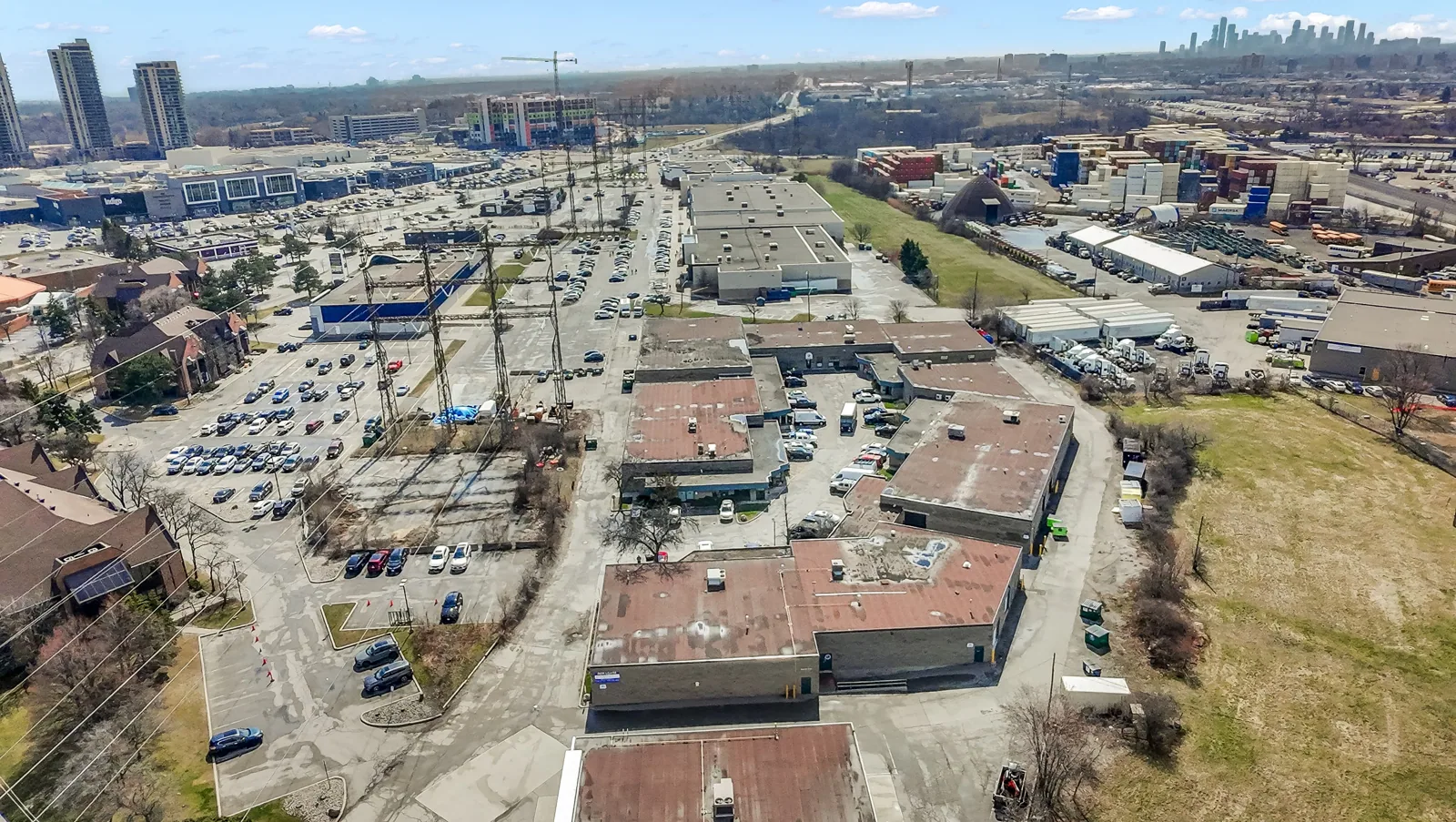
Commercial Roofing Questions
Two or three is enough to benefit from one standard and one schedule. The value grows with the count. A single set of reports lets you rank and budget across them. Larger portfolios gain from route planning and shared reporting.
Yes. Start with the roofs you worry about most. New roofs enter through the same standard, and the ranked list grows. Each addition takes a baseline walk and a photo set.
In parts: the baseline walks, the recurring visits, and repairs as they come up. Travel is shown on its own line. We give prices for each part before you commit, so you can compare them to what you pay now.
Each building keeps its own file and its own report. A shared ranked list is optional and goes only to those who ask for it. The standard is the same, which makes comparison possible when owners choose to do it.
Emergency response is separate from scheduled visits. The program makes emergencies easier, because the roof plan, the photos and the contacts are on file. A crew arriving after a storm knows what the roof looked like before.