Duro-Last Roofing Systems in Prescott Valley, AZ
Inspection, repair and replacement planning for Duro-Last prefabricated PVC roofs in Prescott Valley, AZ, with a written findings sheet and photos.
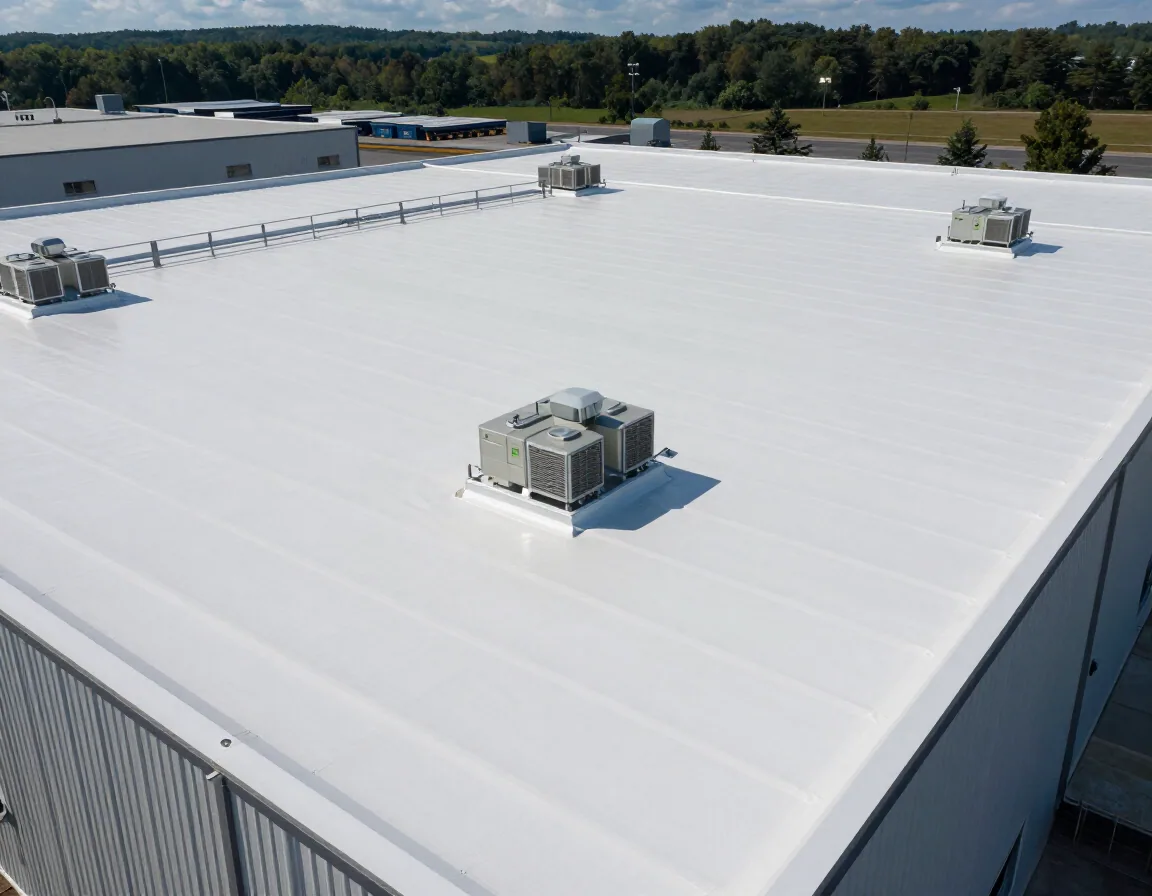
Find the field seams. On a prefabricated roof, most seams were made in a factory. The ones you see on the roof are where one section meets the next. Those are the seams that matter most. Duro-Last is known for custom-fabricated PVC roofing. Sections are cut and welded to measurements taken from the roof, then shipped ready to install. In Prescott Valley, AZ, that approach cuts the time a roof sits open.
We install, repair and maintain prefabricated PVC systems. We walk the roof, probe the field seams and photograph what we find. You get a written sheet before any repair is priced. The sheet shows the layout of sections, the condition of each field seam and a ranking of the work. Repair now. Repair this season. Watch.
What prefabrication changes
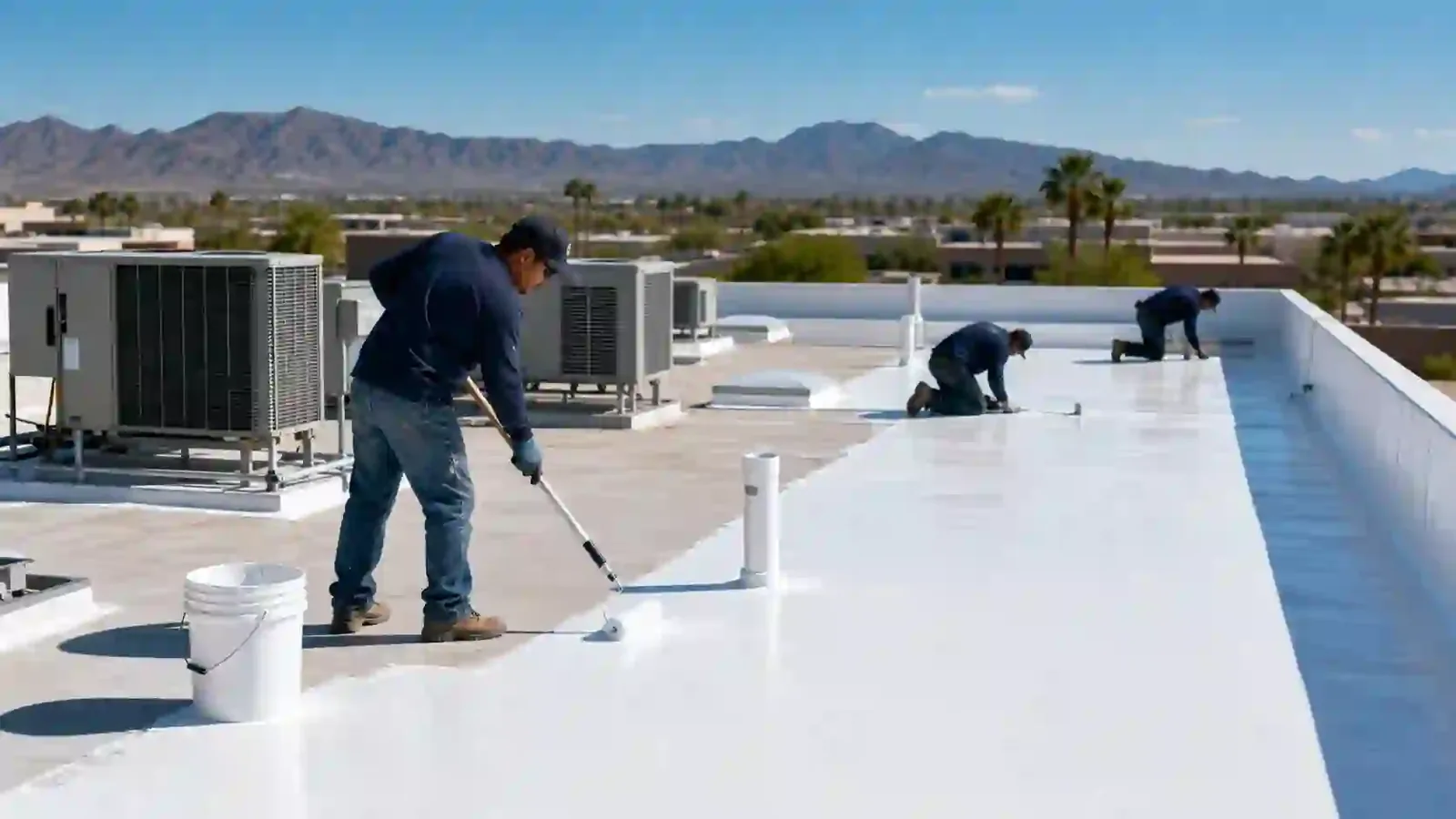
Factory welds shorten the work on site. Crews roll out sections, fasten them, weld the field seams and detail the edges. The building dries in faster than with a roof built seam by seam on site.
That matters in monsoon season. Monsoon cells can turn violent in July and August, and the July 20, 2026 storm packed heavy rain, strong wind and pea-sized hail into one pass. A roof that is open for less time has less chance of being caught. The tradeoff is lead time. Sections are made to measure, so a field survey comes first. Then comes fabrication. Then comes delivery. We give the owner a date for each step. Material arrives on a delivery plan tied to the crew count, and a pallet plan keeps loads off the roof until they are needed. If a section must wait for weather, only that section waits. The bid carries an allowance for monsoon holds and a dry-in date, so the owner sees the schedule risk as a line and not as a surprise.
Why the survey comes first
A bad measurement means a misfit section. A misfit means a delay and a change order. So the survey is careful. We record every penetration, curb, drain and wall on the plan. We measure the slope. We note the substrate.
We also record what is up there. Rooftop units, vents and pipes each need a cut in the sheet or a boot over it. Drain locations tell us where tapered insulation may be needed. The survey doubles as the first findings sheet for the existing roof. If the old roof has wet insulation, the survey finds it before the new sections are ordered. A commercial roof replacement that starts with a good survey finishes with fewer changes. The same visit checks the deck, the edges and the walls. A rusted deck panel or a rotted nailer found before tear-off is a priced item. Found after tear-off, it is a delay. Drain locations are confirmed as well, because tapered insulation or an added drain is easier to build into the first order than to add later.
What thermal swing does to PVC
At about 5,100 feet, Prescott Valley sees frost from late October to the start of May, and in Prescott the day-to-night gap averages close to 30 degrees.
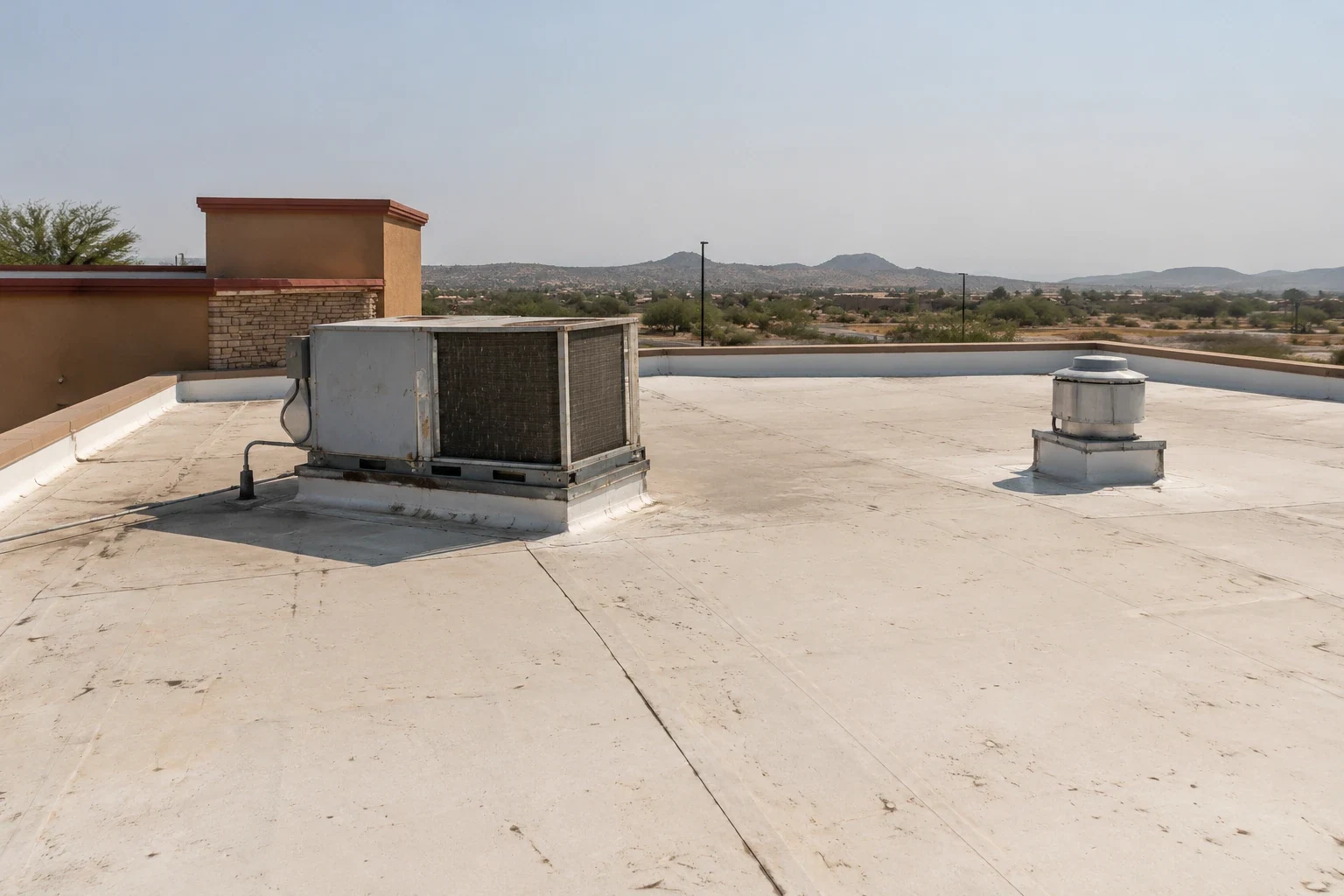
A PVC sheet keeps its flexibility through plasticizers. Over years, those migrate. The sheet can stiffen. Cold makes it stiffer. It can pull back from walls and curbs. It can crack at edges. Every termination gets a check for pull-back. A taut edge or a visible gap is the sign. We photograph it each visit and compare sets. A gap that widens is a retrofit item. We price it before the first freeze. A retrofit welds a new flashing strip over the old termination and secures the top edge at the wall. It is a short job, usually a day for each wall. Hail is the other check. Pea-sized stones rarely hurt a PVC sheet, but we look for marks after a storm and cut a small core where a mark looks deep.
Where it fits
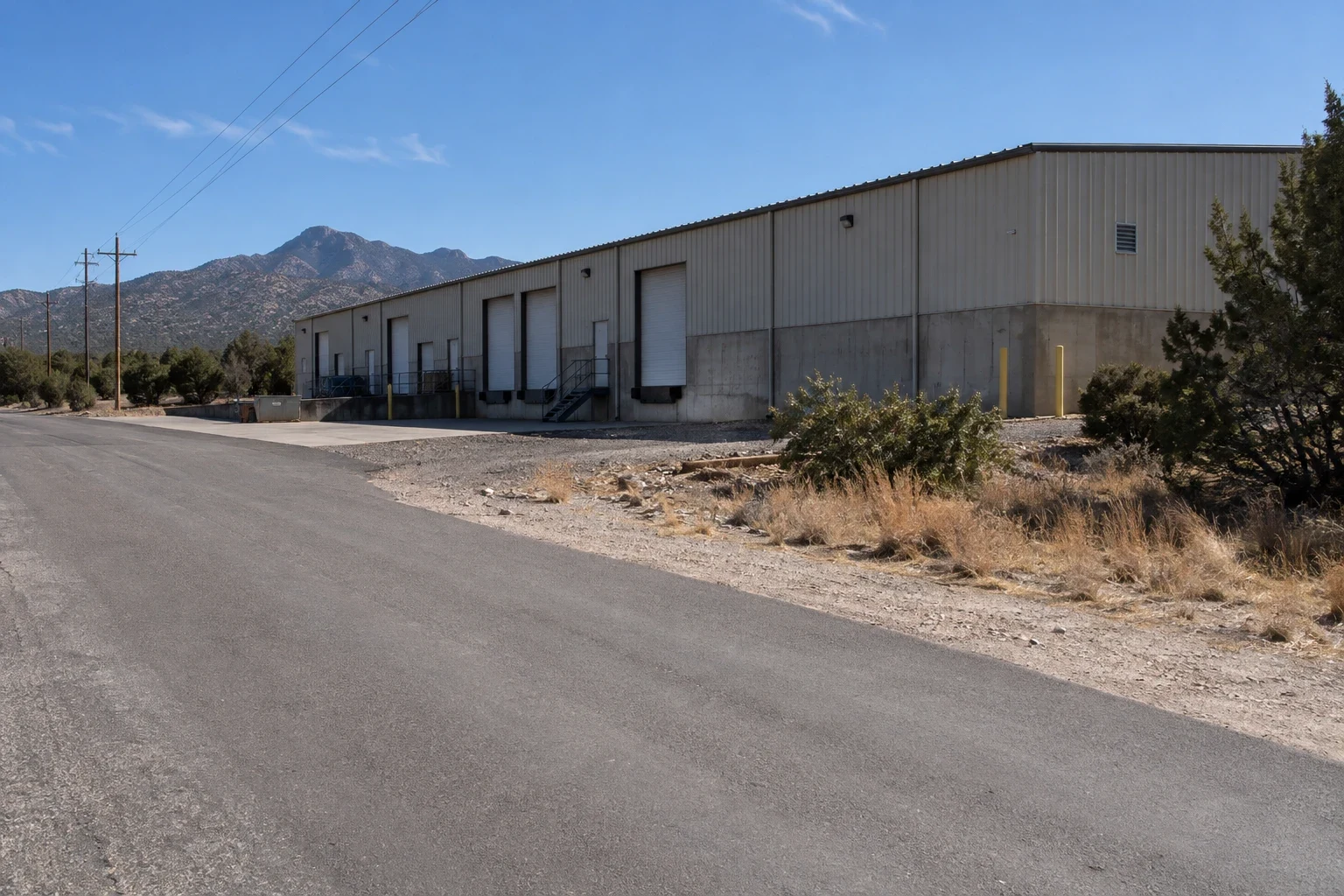
Prefabricated PVC suits small and mid-size commercial buildings that cannot stay open to the weather. It also suits roofs with grease, oils or vapor. Restaurants, food service and some light industrial buildings fall in that group, including restaurant roofs with kitchen exhaust.
Humboldt Unified School District is among the town's largest employers, and school roofs have a calendar to respect. The Fain Road corridor holds manufacturers and distributors, such as MI Windows and Doors, where production does not stop for a roof. Each roof gets walked and recorded. The Fain Road corridor roofs and record them. Then the owner sees the choices side by side. Cost follows roof area, penetration count, exhaust layout, insulation condition and access for lifts and trucks. Each driver is listed in the scope. A manager with a restaurant on one roof and a plant on another can see why the two bids differ, and where the money goes first.
How a custom sheet is repaired
A repair on a prefabricated sheet is a hot-air weld. The area is cleaned and prepared, then a patch or cover strip is welded on. Older PVC may need extra prep. We test the weld on a small area first.
We photograph each repair and mark it on the plan. If the same spot fails twice, we look for a cause. Traffic is a common one. We mark a route and add walk pads where service crews pass. A membrane puncture repair is quick, but a puncture that repeats in one place tells us the route needs protection. We add the pad route to the plan and note where it ends. Where a unit needs frequent service, the pad goes to the curb and no farther. That keeps the sheet clear around the rest of the equipment and gives the next inspector a path to follow.
What stays in the file
The file holds the section layout, the dated photos, the repair history and any warranty papers. Original fabrication drawings are worth keeping. If they are lost, our survey rebuilds the layout.
Owners with several buildings can compare roofs on one scale. A Sika Sarnafil roof and a Duro-Last roof read in the same fields. The file shows the next review date and the open items, with a cost range for each. It also records how the sections were laid out and which seams were made in the factory and which on site. A repair crew needs that map to know where to look first when a leak shows up. A Versico roof elsewhere in the portfolio is recorded the same way.
Commercial Roofing Questions
How long does fabrication add to a project?
Plan for a field survey, fabrication and delivery before installation starts. We give a date for each step so the owner can set the work window.
Can a custom sheet be patched with any PVC?
It needs a compatible material and a prepared surface. Older sheets may need extra cleaning. We test the weld on a small area first.
Is PVC worth the cost on a small roof?
On a roof with grease, oils or vapor, often yes. On a clean roof with no exhaust, a TPO sheet may do the same job for less. We say so when it is true.
What does shrinkage at a wall look like?
The sheet draws back from the base of the wall or curb. The edge looks taut, or a gap shows. The photo sets show it widening before it leaks.
What should a facility director send to start?
Send the building address, the equipment list, any original fabrication drawings and past reports. A photo-backed findings sheet comes before any price.
Request a walk-through
Ask for a roof walk. We will survey the roof, photograph every finding and hand you a written sheet before any repair is priced.
Request a Roof Assessment
Commercial Roofing Questions
Plan for a field survey, fabrication and delivery before installation starts. We give a date for each step so the owner can set the work window.
It needs a compatible material and a prepared surface. Older sheets may need extra cleaning. We test the weld on a small area first.
On a roof with grease, oils or vapor, often yes. On a clean roof with no exhaust, a TPO sheet may do the same job for less. We say so when it is true.
The sheet draws back from the base of the wall or curb. The edge looks taut, or a gap shows. The photo sets show it widening before it leaks.
Send the building address, the equipment list, any original fabrication drawings and past reports. A photo-backed findings sheet comes before any price.