Auto Dealership Roofing in Prescott Valley, AZ
Roof inspection, hail checks and repair for auto dealerships and service centers in Prescott Valley, AZ, with written findings before any work is priced.
Stand in the service drive and look at the roof over the bays. Dark streaks run from the exhaust fans down the membrane. Each streak marks where fumes and grease have sat on the surface. Exhaust fans are the first place to look on a dealership roof. In Prescott Valley, AZ, we look past the streaks and check what lies beneath, then deliver photographs and a written sheet ahead of any repair price.
A dealership has three roofs in one. A showroom, a service shop and a parts area. Each wants something different from the roof above it.
What we find
A showroom roof is often flat or nearly so. It sits over a lot of glass and a lot of display. A leak there is visible to every customer. The common causes are open seams, cracked flashing at the glass wall and drains that cannot keep up.
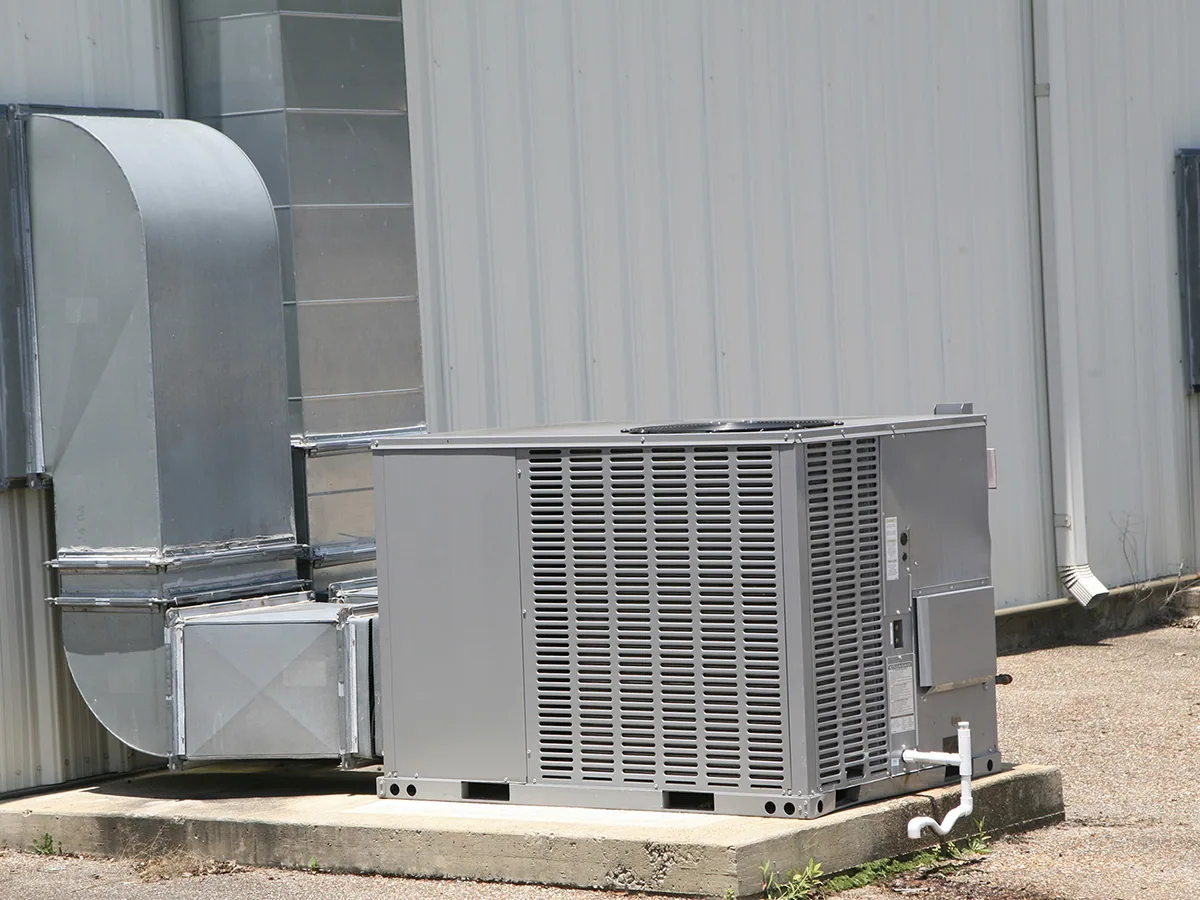
The service shop roof is the hardest worked. It carries exhaust fans, make-up air units, compressors and sometimes lift equipment vents. Each one sits on a curb. Each curb has a seal. The seals crack from heat and vibration. Grease and oil from exhaust stain the membrane and soften some roofing materials over time.
A parts area can be a plain, low-slope roof. It has fewer penetrations, but it holds inventory that cannot get wet. Ponding lines show up there. A dip in the deck can hold water for days.
Canopies are the fourth item. Many dealerships have a covered delivery bay or a wash tunnel. These roofs are small, and they are easy to forget.
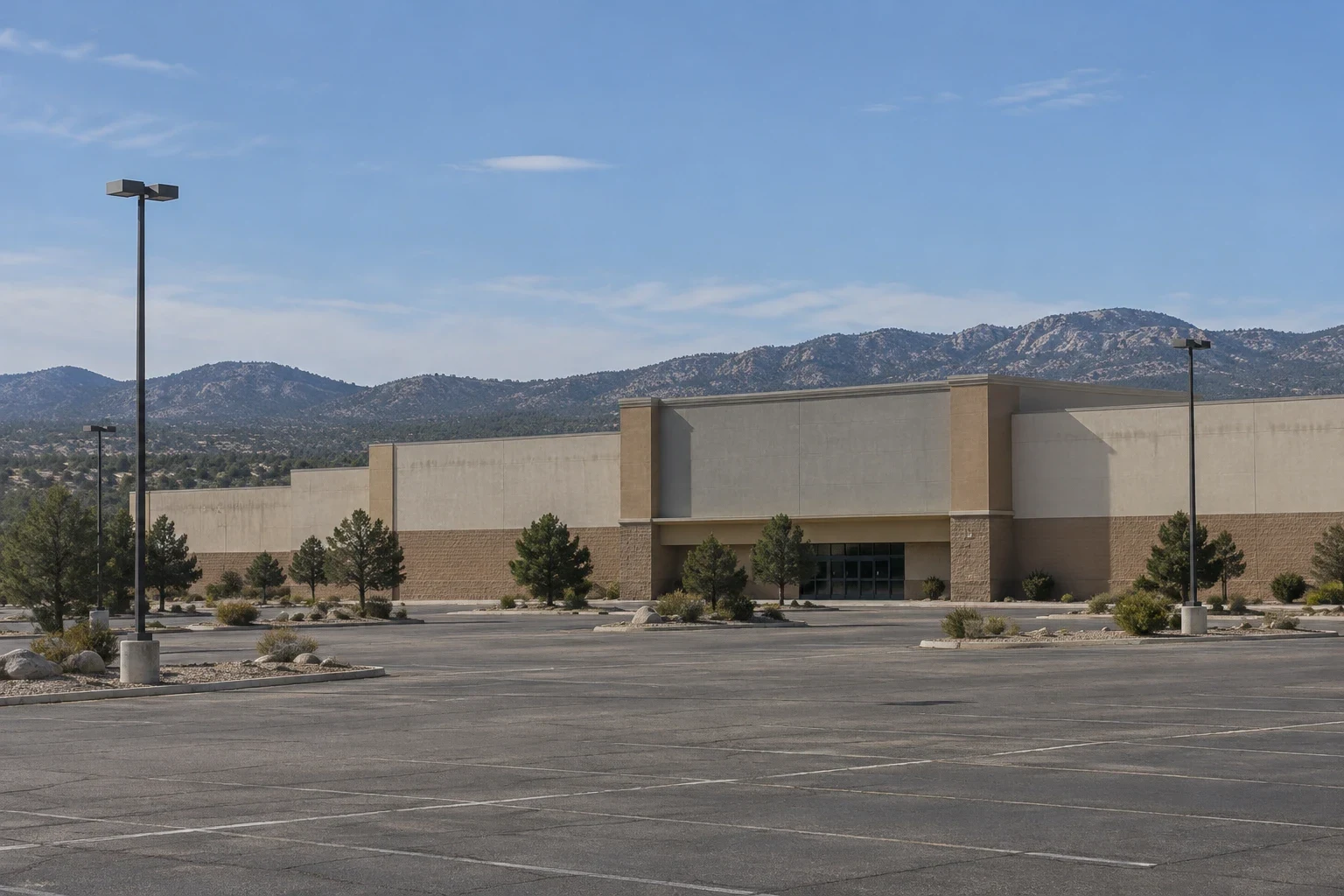
A large parts and distribution wing behaves like the big roofs on big box retail buildings. Long runs, few edges, and a lot of water to move. We check the drains and the low spots there first, because a pond over inventory is the costliest finding on the site.
Why hail matters on a dealership
A dealership lot is full of cars, so hail is a worry for the inventory. It is also a worry for the roof. Prescott Valley sees hail in monsoon cells. The July 20, 2026 storm is the local reference: heavy rain, strong wind, pea-sized hail and signals knocked down.
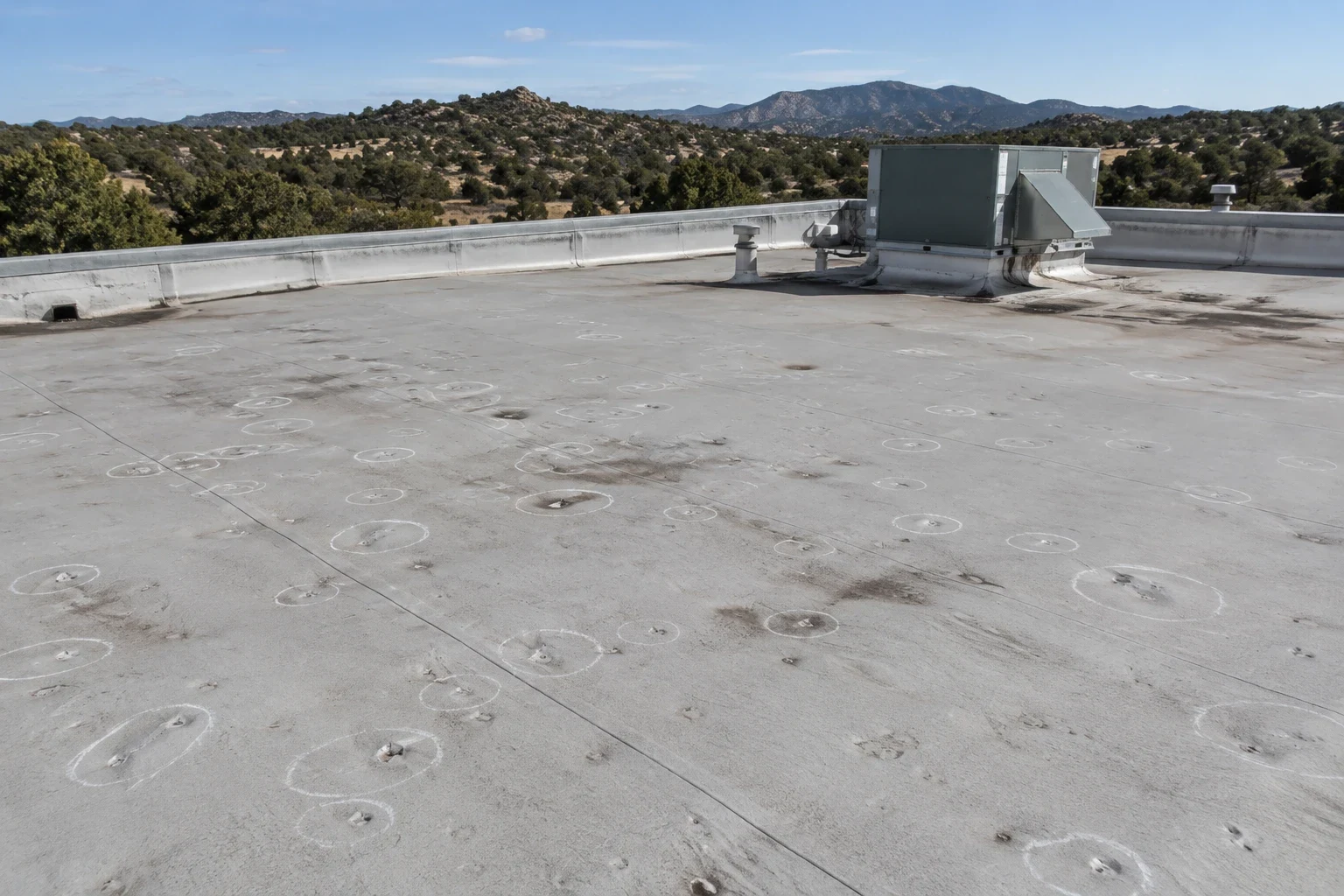
Hail that small does not punch through. It leaves a bruise on a soft membrane or a dent in thin metal. A bruise looks like a faint dimple, and a core cut can show a cracked insulation board beneath. Water finds that crack at the next freeze.
After a hail event, we walk the roof and press on the surface. We photograph every bruise and mark it on a plan. An insurer wants dated photographs of each bruise, the same record hail damage repair relies on. If your lot had a damage event, the dated roof record is as important as the car claim.
What monsoon and freeze do
At about 5,100 feet, Prescott Valley collects roughly 15 inches of precipitation a year, mostly in July and August. A monsoon cell dumps rain in minutes. Drains on a big flat roof get tested hard. A drain screen packed with gravel and leaves turns a heavy shower into a pond.
Winter adds freeze. Freezing mornings begin around October 21 and can continue to May 1, with swings of nearly thirty degrees a day. Water in a seam at noon is ice at dawn. That cycle opens seams a hair at a time.
Wind matters on open sites. A dealership on a wide lot along a road such as State Route 69 has few windbreaks. Edge metal and caps take the first load. We check fasteners and joints on every perimeter.
What to repair now, and what can wait
Repair now: open seams over the showroom or the parts room, cracked flashing at the glass wall, drain screens that are packed, a curb seal that is leaking into a service bay. These let water in or will in the next storm.
Repair soon: a worn pipe boot, sealant that has dried, grease staining that has softened the surface near an exhaust fan. We can cover the stained area with a patch or a walk pad that resists grease.
Can wait: surface wear on a sound membrane, small blisters that have not cracked, cosmetic fade. We list them and look again next visit.
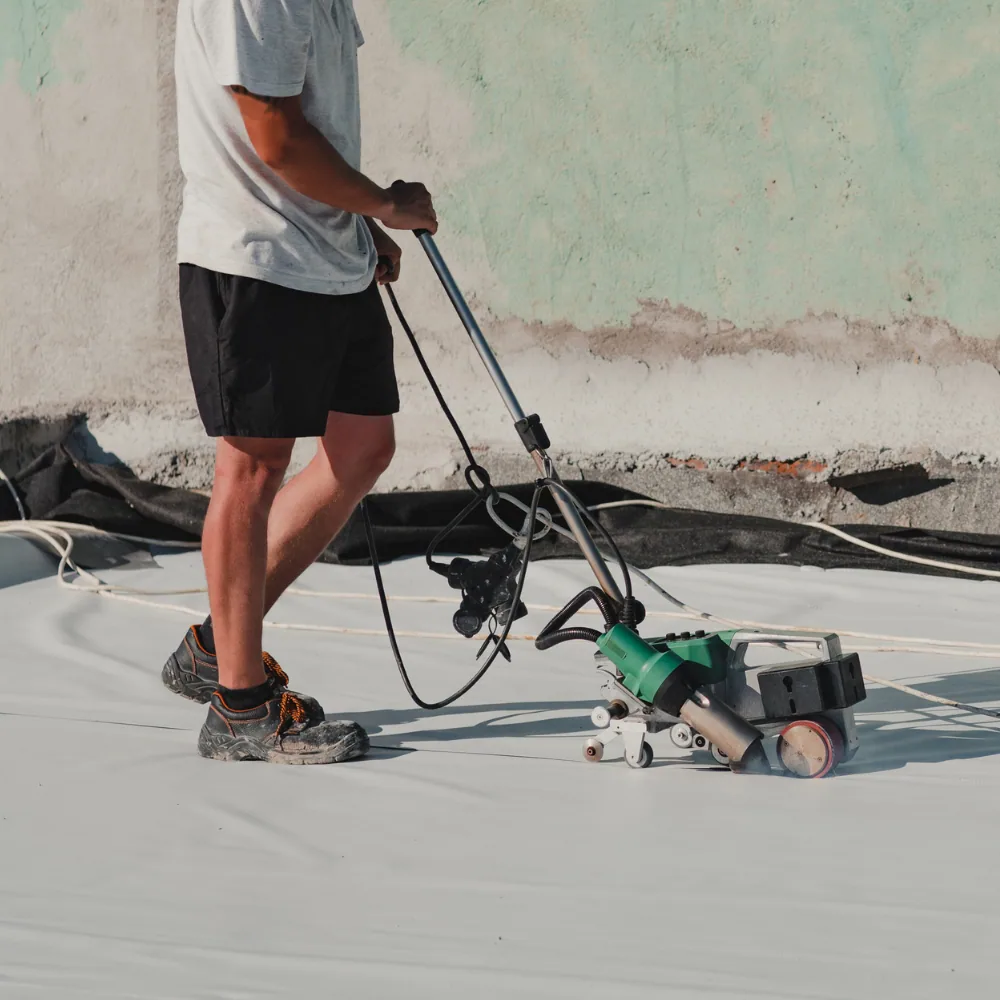
The service shop may justify a different membrane at the fan. A grease-resistant patch or a section of PVC near the exhaust can help, since PVC shrugs off fats and oils that soften other sheets. For the equipment, curb and support work reseals each unit and sets proper height.
Working around sales and service
A dealership keeps selling and servicing through a roof job. Sales run on weekends and service starts early in the morning, and we plan around both.
Noisy steps, like tear-off and fastening, go in mid-week hours when the showroom is quiet. Work over the service bays can start after the first rush. We stage material away from the delivery bay and keep customer lanes open. If a section is open, we dry it in before we leave. A monsoon cell is not a reason to leave a hole.
We also protect the lot. Debris falls. A tarp and a catch system keep screws and grit off cars. We walk the lot at the end of each day and pick up what we find.
What to ask for in writing
Request photographs and a roof plan in the findings sheet, a price on each item split between now and later, and a plain account of what the work does to your warranty. Find out how the crew protects vehicles and customer lanes.
Ask about the material. Many commercial roofs are single-ply, such as TPO, or built-up with a modified cap. Tell us what you have, and we will check it against the findings. If a dealership sits in a retail center, such as those along the Glassford Hill Road corridor, the lease may split roof duties with the landlord. Ask who pays for what, especially where the building shares a shopping center roof with other tenants.
Commercial Roofing Questions
Does grease from the service area damage a roof?
It can. Grease and oil soften some membranes and trap dirt. The area near each exhaust fan is where we see it. We clean the surface, check the membrane for softness, and add a grease-resistant patch or walk pad where needed. A scheduled clean-up each spring helps.
Should we get the roof checked after every hail event?
After any event with hail large enough to dent a car, yes. Even small hail leaves bruises that show later. A dated walk and a photo set give you a record. If the roof is fine, you have proof. If it is not, you have what you need for a claim.
Can the showroom stay open during a reroof?
Usually. We work in sections and close each one the same day. Noisy work moves to quiet hours. We keep material and crew away from customer entries, and we protect the interior with a catch system if a ceiling is involved.
How long does a dealership roof last in this climate?
It depends on the system and how it was kept up. Freeze cycles and monsoon hail add wear. A dry roof with clear drains and sealed curbs lasts longer than one that was left alone. A findings sheet and a core cut tell us how much life remains.
What should we send before the walk?
Send a site plan, any roof plans or warranty papers, and a list of past leak spots. Mark any area that cannot be disturbed, like paint booths or parts storage. We will plan the walk around your schedule.
Request a walk-through
Ask for a walk-through of your dealership roof. We will send a written findings sheet with photos before we price any repair, and we will plan the work around your sales and service hours.
Request a Roof Assessment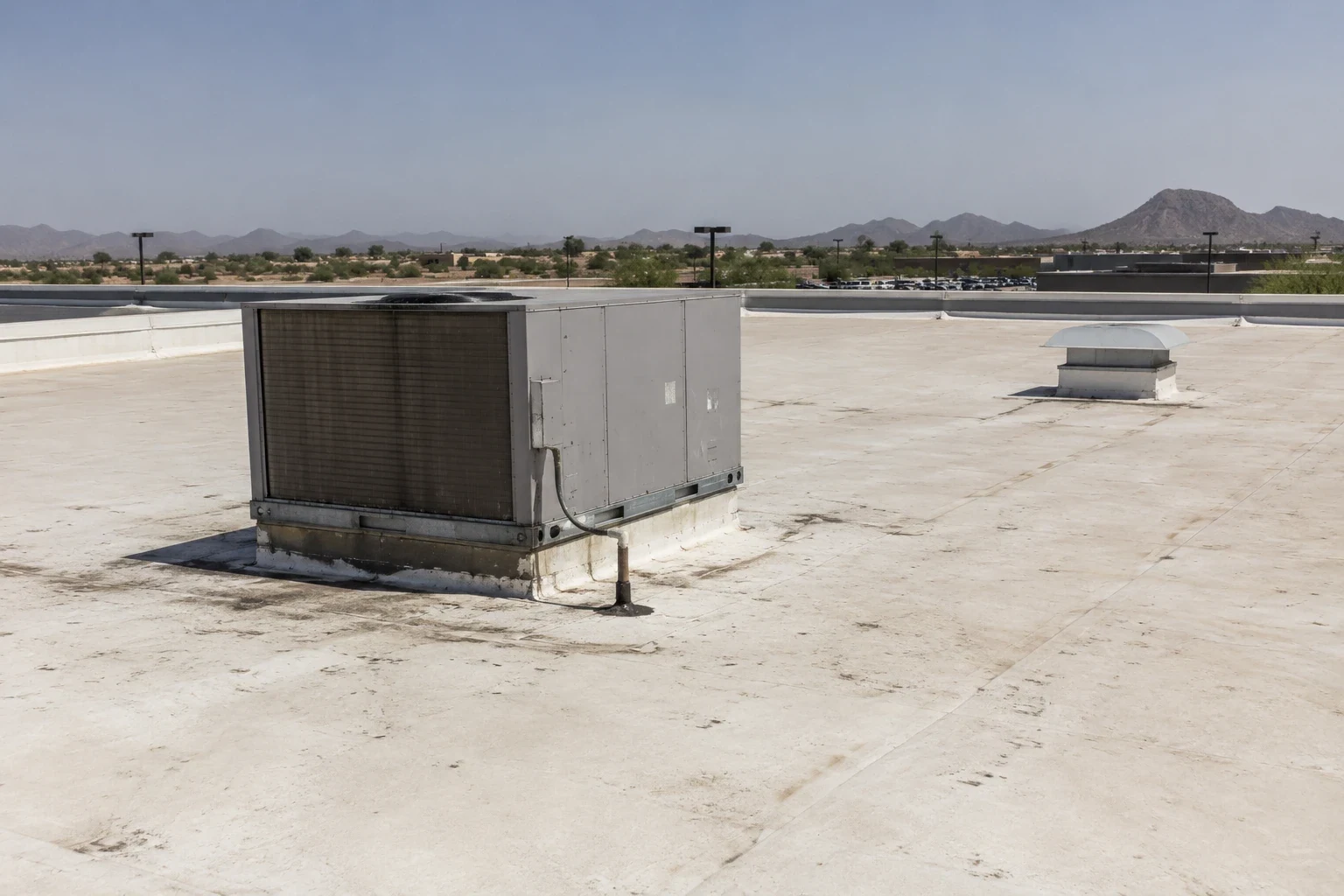
Commercial Roofing Questions
It can. Grease and oil soften some membranes and trap dirt. The area near each exhaust fan is where we see it. We clean the surface, check the membrane for softness, and add a grease-resistant patch or walk pad where needed. A scheduled clean-up each spring helps.
After any event with hail large enough to dent a car, yes. Even small hail leaves bruises that show later. A dated walk and a photo set give you a record. If the roof is fine, you have proof. If it is not, you have what you need for a claim.
Usually. We work in sections and close each one the same day. Noisy work moves to quiet hours. We keep material and crew away from customer entries, and we protect the interior with a catch system if a ceiling is involved.
It depends on the system and how it was kept up. Freeze cycles and monsoon hail add wear. A dry roof with clear drains and sealed curbs lasts longer than one that was left alone. A findings sheet and a core cut tell us how much life remains.
Send a site plan, any roof plans or warranty papers, and a list of past leak spots. Mark any area that cannot be disturbed, like paint booths or parts storage. We will plan the walk around your schedule.