Big-Box Retail Roofing in Prescott Valley, AZ
Roof inspection, repair and replacement for big-box stores in Prescott Valley, AZ, with written photo findings and store-hours scheduling.
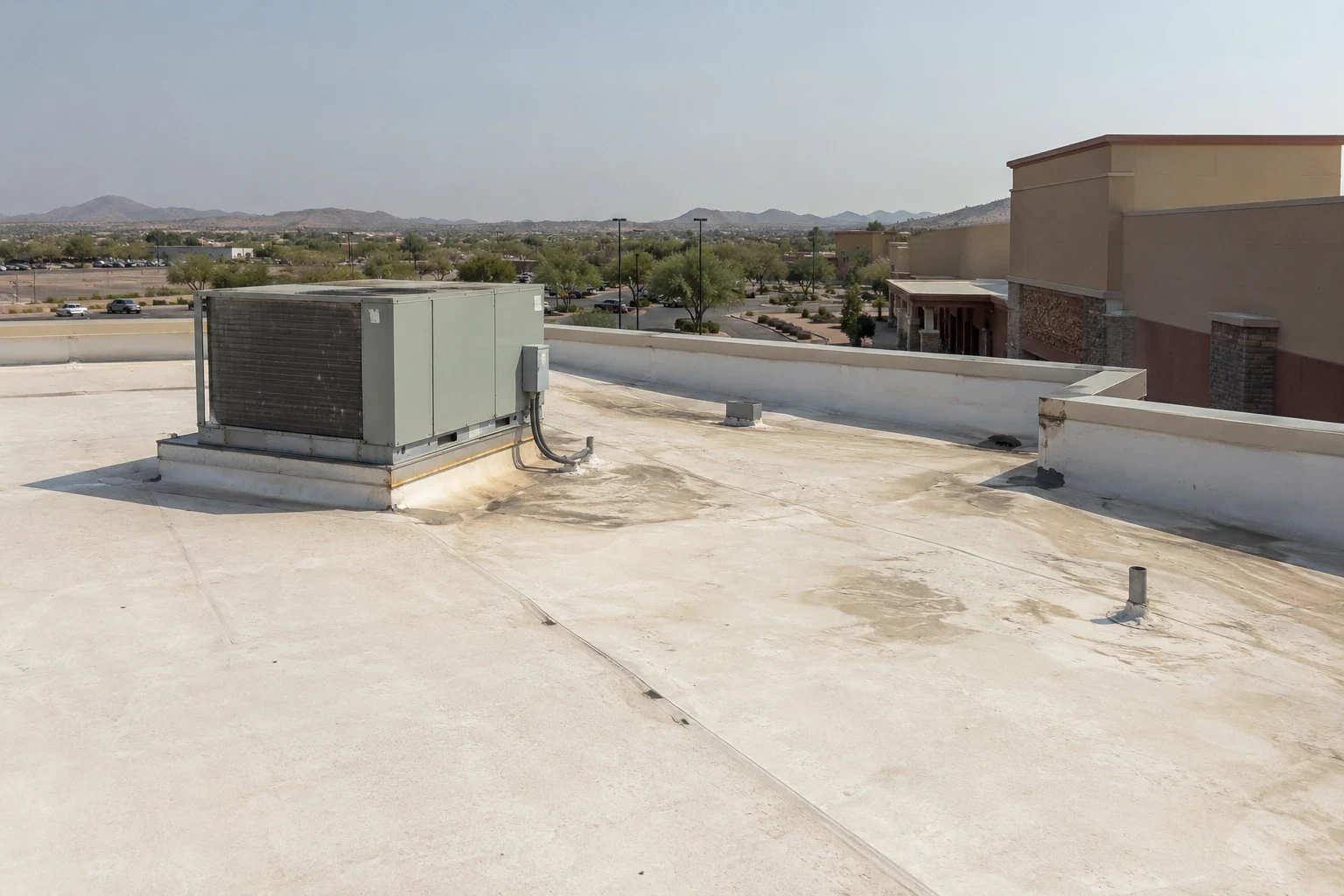
Check the seams near the rooftop units. A big-box store can have many units on one roof, and the membrane around each one takes foot traffic from service crews. Worn paths, cracked sealant and seams lifting at the curb are what to look for. Technicians walk the same route every month, and the daily temperature swing near 30 degrees works every joint. Across a big-box roof in Prescott Valley, AZ, we press each seam, photograph what we see and put it in a written sheet before any repair has a price.
What a big-box roof looks like
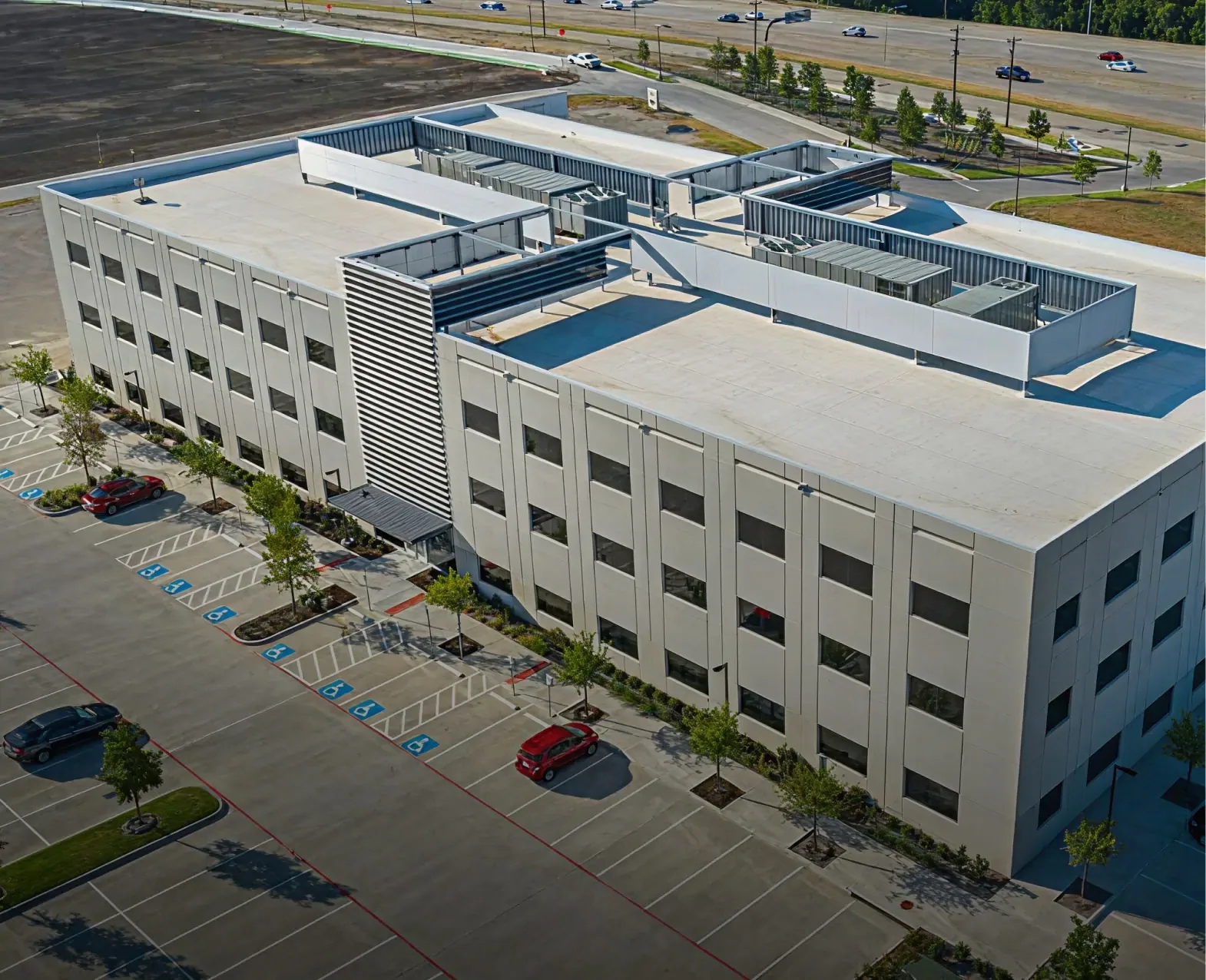
A big-box roof is a broad, low-slope field. It has many rooftop units, a few drains, a perimeter parapet and a handful of skylights or vents. Across that span, heat and cold move the whole sheet together.
The weak spots are the places where the field is interrupted. Curbs, drains, walls and expansion joints all take the strain. We mark each one on the plan and grade it. The grades are simple: sound, watch, repair or replace.
The field between them is often sound. Fixing the details first is cheaper than replacing the whole field.
Rooftop units are the biggest detail. A store may have refrigeration condensers, air handlers, exhaust fans and vents. Each unit sits on a curb. Each curb has flashing and sealant. We count the units and note which curbs look original.
What the local stores tell us
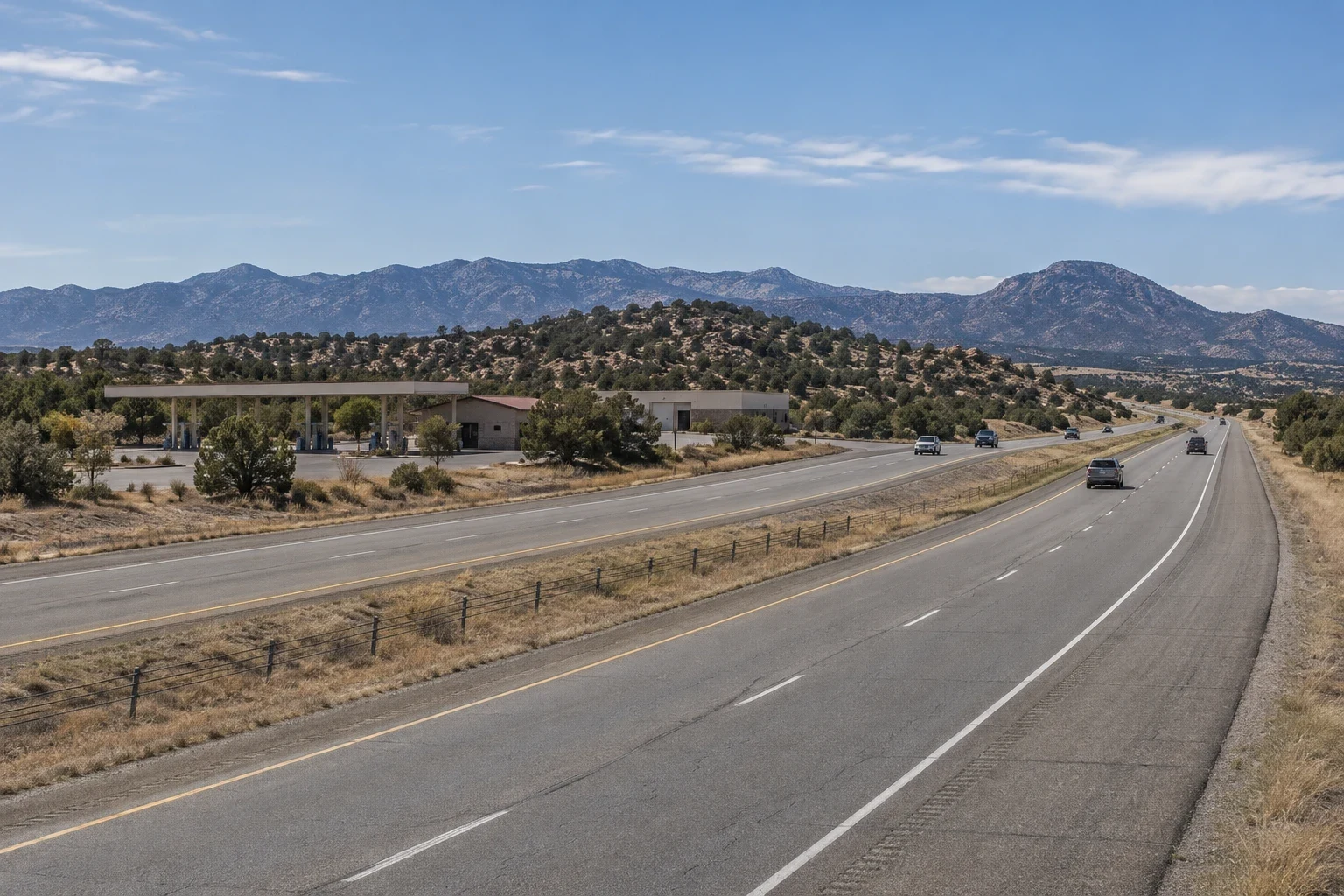
Big-box and grocery employers in Prescott Valley include Walmart with 380 employees, Fry's Food Store with 232, Home Depot with 180 and Safeway with 160. They sit along the SR 69 corridor, where the six-lane road connects Prescott Valley with downtown Prescott and Interstate 17.
A store of that kind has a roof that must not leak over a sales floor. Product sits under the roof, shoppers walk under it, and a drip can close an aisle. The roof is a risk to inventory as well as a building part.
Home improvement stores add another problem. Tall racks near the deck mean a drip can land on stock. Garden centers and canopies add edges and drains outside the main roof. We include them in the walk, since they leak too.
A grocery store adds refrigeration lines and cold-case drains to the same list.
Why wind and hail matter
Glassford Hill rises to 6,177 feet and exposes nearby buildings to ridge-top wind. Gust fronts from monsoon cells add to it. A wide roof catches wind at the edges, and loose coping lifts first.
Heavy rain, strong wind and pea-sized hail hit Prescott Valley on July 20, 2026, and traffic signals and trees went down. Pea-sized hail can bruise a thin membrane. A bruise leaks after the next freeze.
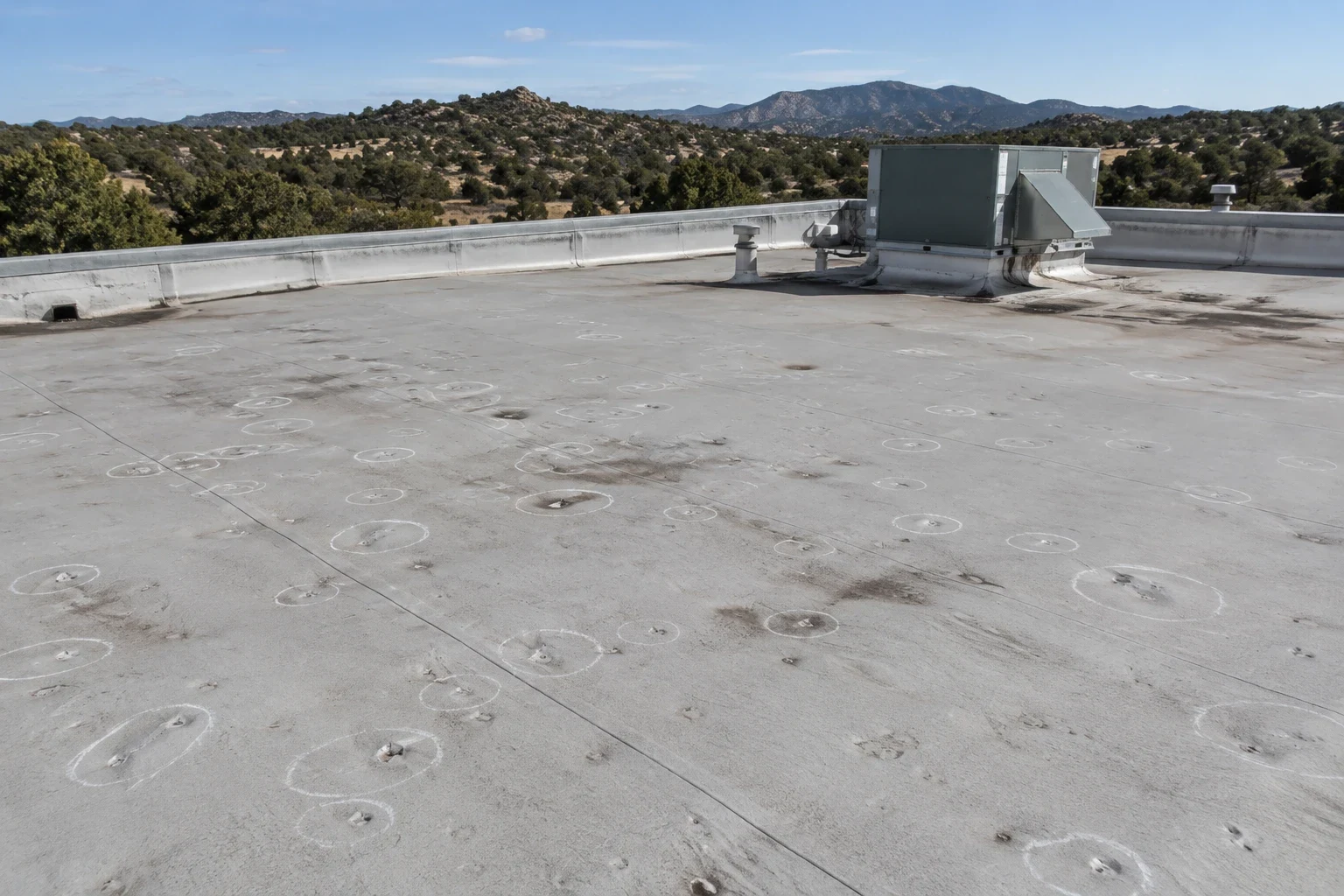
We check the edge metal, press along the field and mark each soft spot. A hail damage repair record, with dates and photographs, supports a claim.
Call after any storm. A crew can respond at any hour, locate where water is getting in, tarp or patch the opening and photograph the damage, and a written summary follows the same day.
What freezing mornings do
From late October to May 1, water in a lap freezes and opens it. Over a winter, the lap opens a hair more each cycle.
Snow in Prescott averages about 10 inches a season, and the melt has to find a drain. With few drains across a broad roof, one blocked outlet holds a lot of water, so screens get cleared and flow tested before the first freeze.
We also look at the walls around the roof. Cold air and wet joints work the wall flashing loose. A loose wall flashing sends water behind the wall and down to the sales floor, and the stain shows up far from the entry point.
How to schedule around store hours
A store keeps trading through a roof job, so we plan around hours, deliveries and busy weeks. The crew works in sections, each dried in before shift end.
We stage material away from the front walk and the loading dock. We cover air intakes. We keep truck lanes open. We fence the work area and sweep the lot. We tell the store manager the dates in writing, with the hours of loud work marked and a reminder two days ahead.
Holiday weeks need special care, since a store may want no roof work in its busiest season. We plan large work for the quiet months, late spring through early fall, and keep winter to emergency repairs.
The same staging serves any occupied building reroofing job.
What to repair now and what can wait
Repair now: leaks over sales floors, open seams, failed curb flashing and blocked drains. Water finds these first.
What can wait: light staining, chalking and small blisters that have not cut the fabric, each listed with a photograph and a price. For wet insulation, an infrared moisture survey maps the damp zones with the roof still closed. A shopping center that holds a big box may split the roof between the landlord and the store. A Glassford Hill Road store and an SR 69 store face the same weather, but each lease may split cost differently.
Commercial Roofing Questions
Can a big-box store stay open during a reroof?
Yes. The crew takes one section at a time, closes each before the shift ends, and keeps customer routes clear. The sales floor stays open under a protected zone, and the crew uses a separate gate for deliveries. We stage material away from the entry and the dock. Tell us your busiest days and we schedule around them. We also ask about fire lanes and customer pickup areas, and we keep both clear. Your manager approves the plan before work starts, and we send a short notice for staff and a contact name for questions.
Should we repair or replace a big-box roof?
Repair fits dry insulation and isolated defects. Replacement fits cores that come back wet over a wide area, or seams failing in many places, since patching every seam costs more than a new field. Both prices come with core photographs. A store can repair details first and plan replacement for a later year. The sheet lists the repairs in order of risk, so a regional manager can fund the top of the list now and carry the rest into the next budget.
Who owns the roof, the landlord or the store?
Check the lease. We mark the owner of each curb and each section on the plan. Dated photographs of the roof before and after any rooftop work settle most disputes. We can help you document the condition at lease signing or renewal. A dated photo set and a plan taken on day one give both sides the same starting point.
What does hail do to a big-box roof?
Stones from pea-sized to half-inch can bruise membrane and dent vents and units. A bruise can wait weeks to leak. Once a storm passes, we press along the field, mark soft spots and photograph each with a date.
How often should we inspect the roof?
Walk it at least twice a year, in autumn before the freeze and in spring after it. Each walk takes a few hours on a large roof, and the photographs go into the file so changes show over time. Add a walk after any major storm. Ask service crews to report damage the day they find it. A bent vent cap or a gouged membrane takes minutes to photograph and saves a leak later.
Request a walk-through
Ask for a walk-through of your store roof. We send a written findings sheet with photos before we price any repair. You decide what to fix now and what can wait.
Request a Roof Assessment
Commercial Roofing Questions
Yes. The crew takes one section at a time, closes each before the shift ends, and keeps customer routes clear. The sales floor stays open under a protected zone, and the crew uses a separate gate for deliveries. We stage material away from the entry and the dock. Tell us your busiest days and we schedule around them. We also ask about fire lanes and customer pickup areas, and we keep both clear. Your manager approves the plan before work starts, and we send a short notice for staff and a contact name for questions.
Repair fits dry insulation and isolated defects. Replacement fits cores that come back wet over a wide area, or seams failing in many places, since patching every seam costs more than a new field. Both prices come with core photographs. A store can repair details first and plan replacement for a later year. The sheet lists the repairs in order of risk, so a regional manager can fund the top of the list now and carry the rest into the next budget.
Check the lease. We mark the owner of each curb and each section on the plan. Dated photographs of the roof before and after any rooftop work settle most disputes. We can help you document the condition at lease signing or renewal. A dated photo set and a plan taken on day one give both sides the same starting point.
Stones from pea-sized to half-inch can bruise membrane and dent vents and units. A bruise can wait weeks to leak. Once a storm passes, we press along the field, mark soft spots and photograph each with a date.
Walk it at least twice a year, in autumn before the freeze and in spring after it. Each walk takes a few hours on a large roof, and the photographs go into the file so changes show over time. Add a walk after any major storm. Ask service crews to report damage the day they find it. A bent vent cap or a gouged membrane takes minutes to photograph and saves a leak later.