Self-Storage Roofing in Prescott Valley, AZ
Roof inspection, leak repair, metal retrofit and coating for self-storage facilities in Prescott Valley, AZ, with unit-level findings and a written repair list.
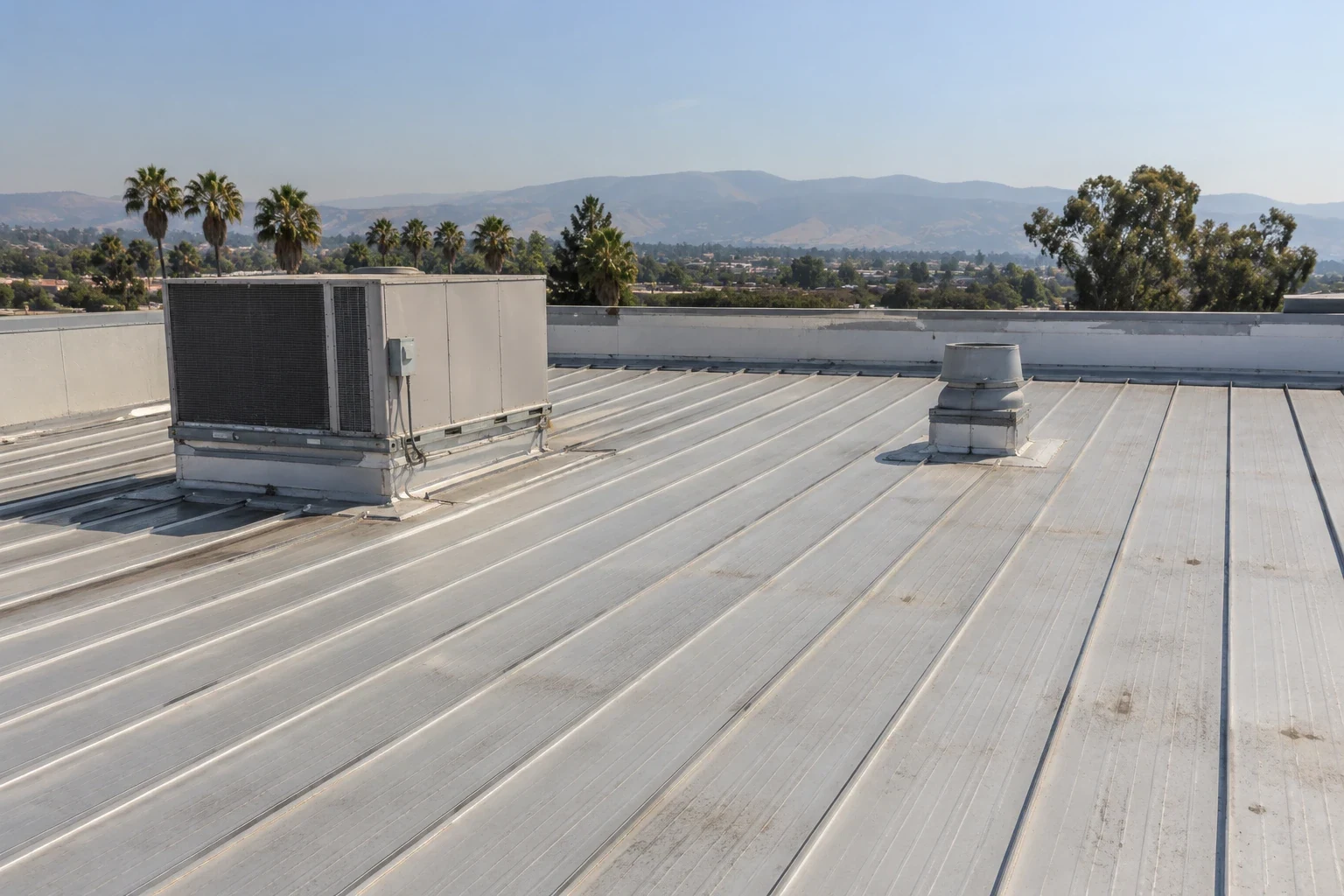
Pick one row of units and look at the fasteners. Rust rings around screw heads on a metal roof mean the washers have aged. Each ring is a small hole that opens and closes with the heat of the day. A storage roof can have hundreds of them. We walk the roof in Prescott Valley, AZ, and count the ones that have failed. Then we photograph them, mark them on a plan and give you a written sheet before anyone prices a repair.
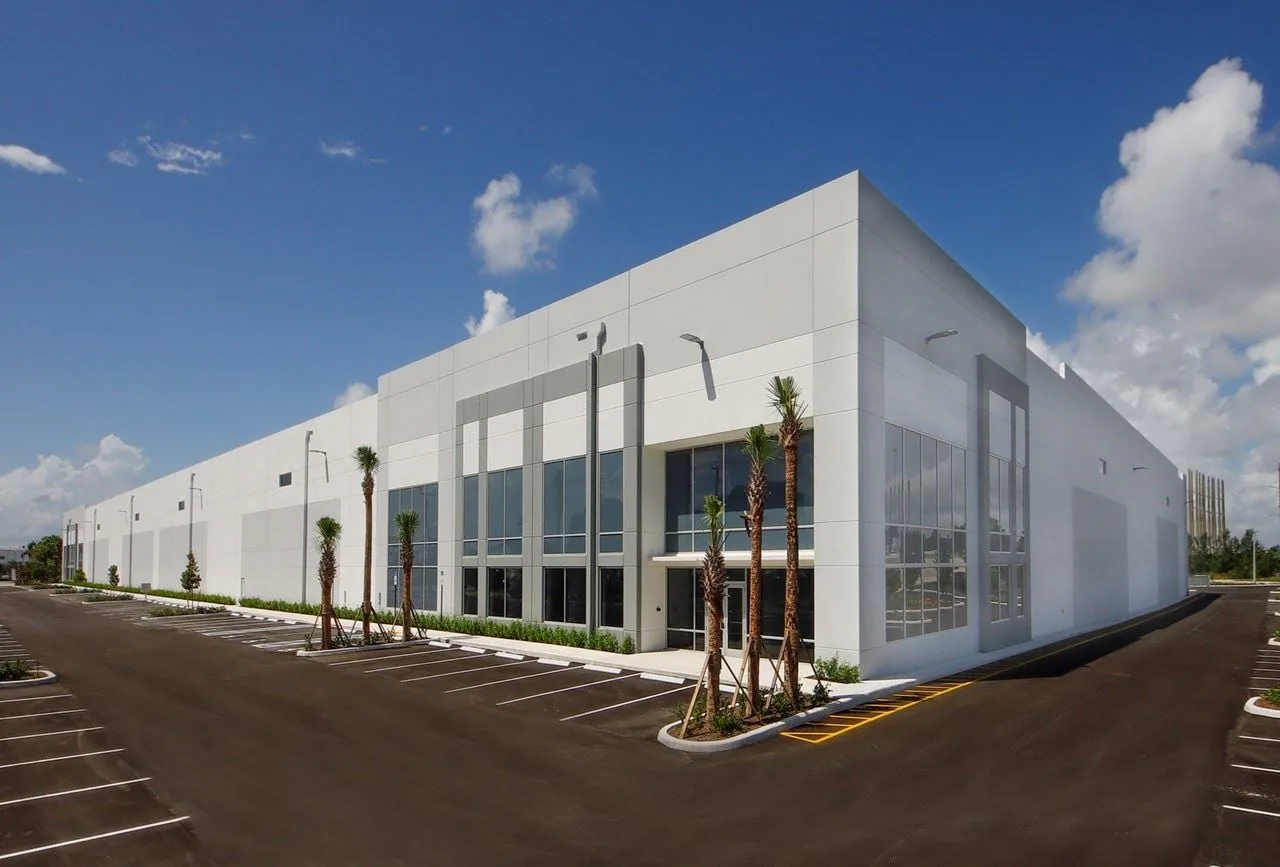
Self-storage is simple on its face. Long buildings, many doors, a roof over each row. That simplicity is why small problems repeat across the whole property.
What we find
Storage buildings are long and narrow. Many are metal. Some have low-slope membrane roofs over the drive-up rows. The mechanics are different, so the findings differ.
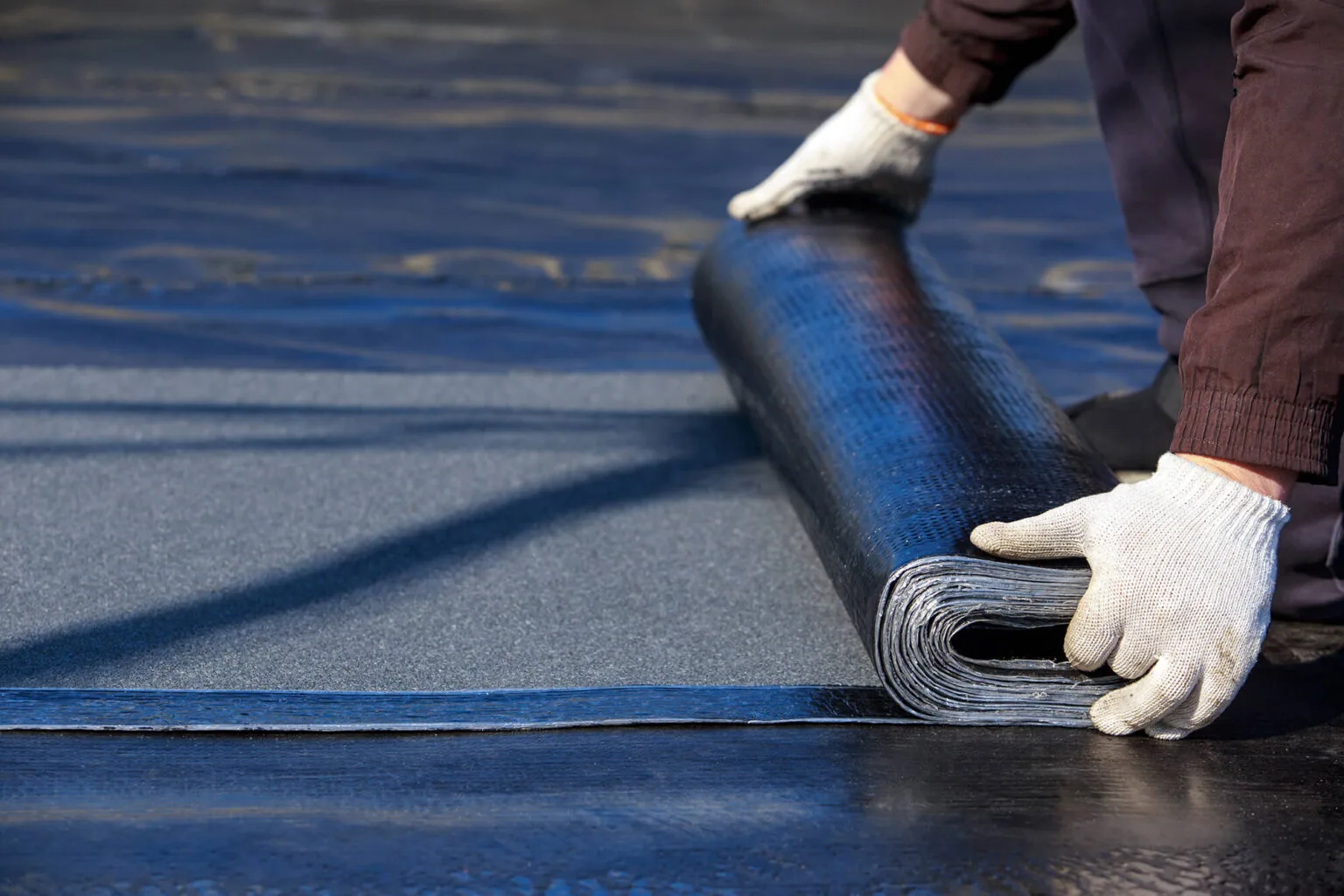
On metal roofs, the findings run to loose or backed-out fasteners, worn washers, open laps and dented panels, plus failed sealant at ridge caps and the eave. On membrane roofs, they run to opened seams, drains packed with gravel and flashing pulled from the parapet wall.
The pattern that matters most is repetition. A bad fastener detail is not one bad fastener. It is the same detail on every row. So the repair is a program. We write the count, price it by the row, and give the owner a way to phase the work.
The other pattern is edge damage. Delivery trucks, moving vans and tenants with trailers clip eaves and gutters. We check the edge of every building.
Why a leak costs more in storage
A storage tenant keeps things that matter. Furniture, files, tools, family goods. Water on those items becomes a claim, and a claim becomes a conversation with the manager. A small leak over a single unit can lead to a refund, a lost tenant and a bad review.
The roof is not visible from the office. A leak may be found by a tenant on a Saturday. By then the water has been there for days. So the key is early finding. A spring and fall walk catches the open lap and the failed fastener before the next storm.
For a property with many buildings, we give each building a number and each row a letter. Findings are logged by number and letter, so the manager can match a tenant complaint to a roof location in seconds. When a complaint comes in, our leak repair visit starts at the row and traces uphill.
Climate-controlled and enclosed buildings add one more risk. A wet roof assembly above a conditioned unit sweats on cold mornings and drips without a leak. We use a moisture scan to tell the two apart. Roofs over office space and larger warehouse-style blocks follow the same checks as a warehouse roof.
What monsoon and freeze do
Roughly 15 inches of precipitation fall on Prescott Valley in a year, and July and August carry most of it. Rain, gusts and hail can arrive within minutes of each other, as they did on July 20, 2026, when pea-sized hail came down with signals and trees. Metal panels can dent under hail. Dents do not always leak, but they mark where a coating or a seal will fail first.
Winter works on the fasteners: freezing mornings arrive around October 21 and last until about May 1, and the day-to-night swing reaches nearly thirty degrees. Metal expands and contracts every day. Each cycle moves the panel against the screw. Over the years, the hole around the screw widens.
Wind is the other force. Sites near Glassford Hill, along the State Route 69 corridor or on the open east side near Fain Road can see strong gusts. Light metal panels at the eave and ridge take the load. We check the edge fasteners and caps on every building.
What to repair now, and what can wait
Repair now: open laps, missing caps, failed fasteners over occupied units, clogged gutters that spill onto doors. These let water in.
Repair soon: worn washers on rows that still seal, rusted fasteners with no leak yet, sealant beads that have dried. A day of fastener replacement and resealing on a row costs far less than a replacement panel.
Can wait: cosmetic fade, small dents and surface rust on otherwise sound panels, each noted for a later walk.
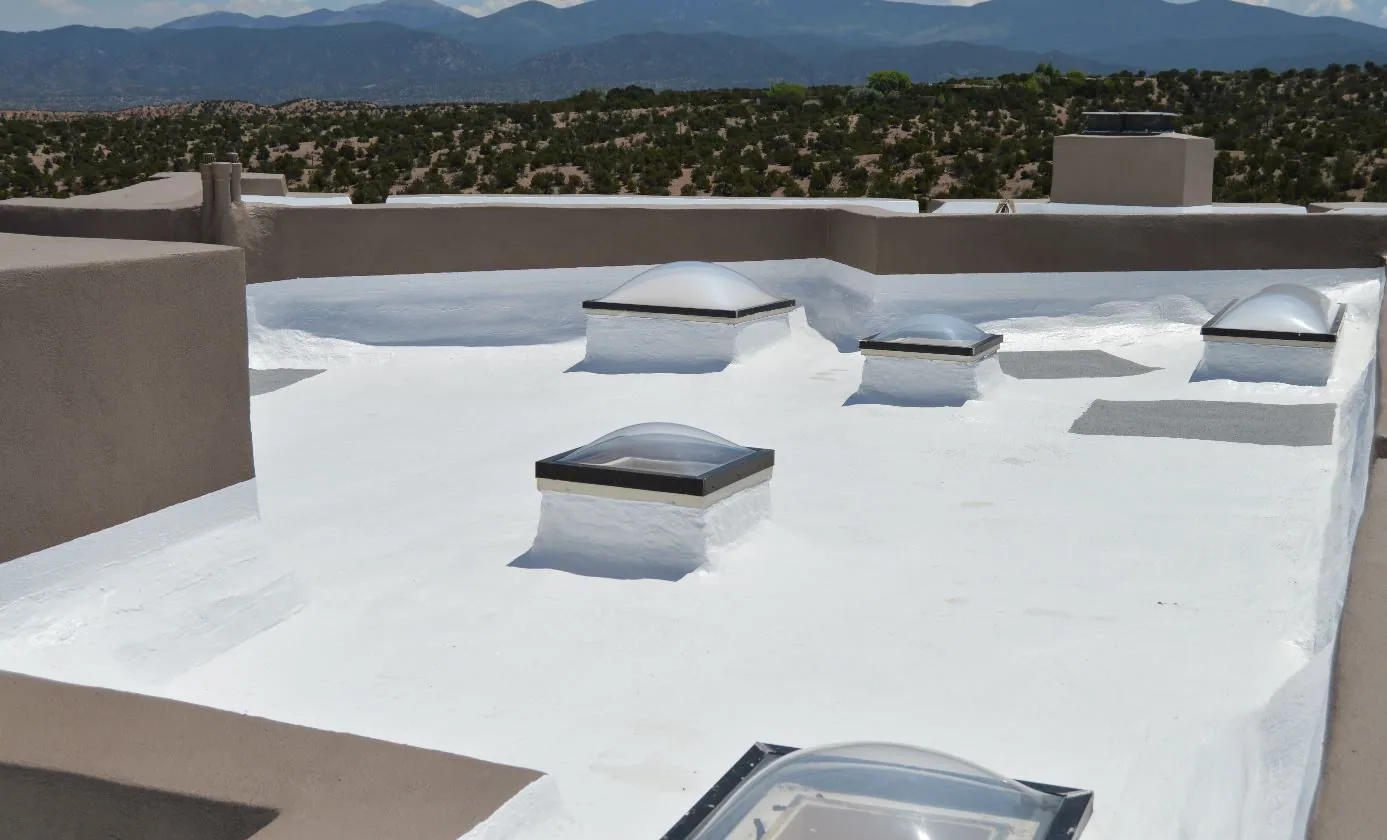
If the panels are sound but the finish is tired, a coating can extend life. A roof coating restoration on prepared metal adds a waterproof layer over seams and fasteners. If the panels are rusted through or the fastener holes are blown out, the answer is a metal roof retrofit or replacement. We price both and show the trade-off.
Snow load is a quiet factor. Prescott averages about ten inches of snow a season. On a long, low pitch, snow slides unevenly and can pile at the eave or rip a gutter. We check eave metal and snow clips where they exist and note where a slide could land on a drive lane or a roll-up door.
What to ask for in writing
Ask for a building-by-building findings sheet with photos. Ask for prices by row or by building. Ask whether the repair needs tenants to move their goods. Ask for a work sequence that keeps the office open and the gate clear.
Ask about material. New standing seam metal uses concealed fasteners and avoids the exposed-screw problem. Older exposed-fastener panels need a repair program. Ask what each costs over ten years, not just today.
Ask about location. A storage facility in the Fain Road corridor or near Big Sky Business Park sits among warehouses and light industrial buildings, and a flex and light-industrial building shares many details with a storage row.
Commercial Roofing Questions
How often should a storage facility roof be inspected?
At least twice a year, in spring after the freeze and in early fall before the monsoon ends. Walk every building, probe laps and caps, and check gutters. Add a visit after any hail event. We log the findings by building and row so you can compare year to year.
Can fasteners be replaced without replacing panels?
Yes, when the panel is sound and the hole is not blown out. We replace the fastener with a larger or better-sealing one, add a new washer and seal the head. Where the hole is stripped, we use an oversize fastener or patch the panel. We count each one and price by the row.
What if a tenant reports a leak but I cannot find it?
Send us the unit number and a photo of the stain. We go to the row, walk the roof above and test laps, caps and fasteners. If the cause is not visible, a moisture scan can show where water sits. Then we write the finding and the fix.
Does hail damage on metal need insurance review?
Often. Hail dents are easy to see and easy to date to a storm. We photograph them, map them and give you a record. Your insurer decides the claim. The map helps you separate cosmetic dents from damage that affects the seal.
Can repairs happen while tenants are using the property?
Yes. Roof work is overhead and does not block the units. We keep lanes open, stage material away from doors, and close the gate area when a lift is moving. We tell the office which rows are in work each day.
Request a walk-through
Ask for a walk-through of your storage facility roofs. We will send a written findings sheet with photos before we price any repair, and we will log every row so you can plan the work.
Request a Roof Assessment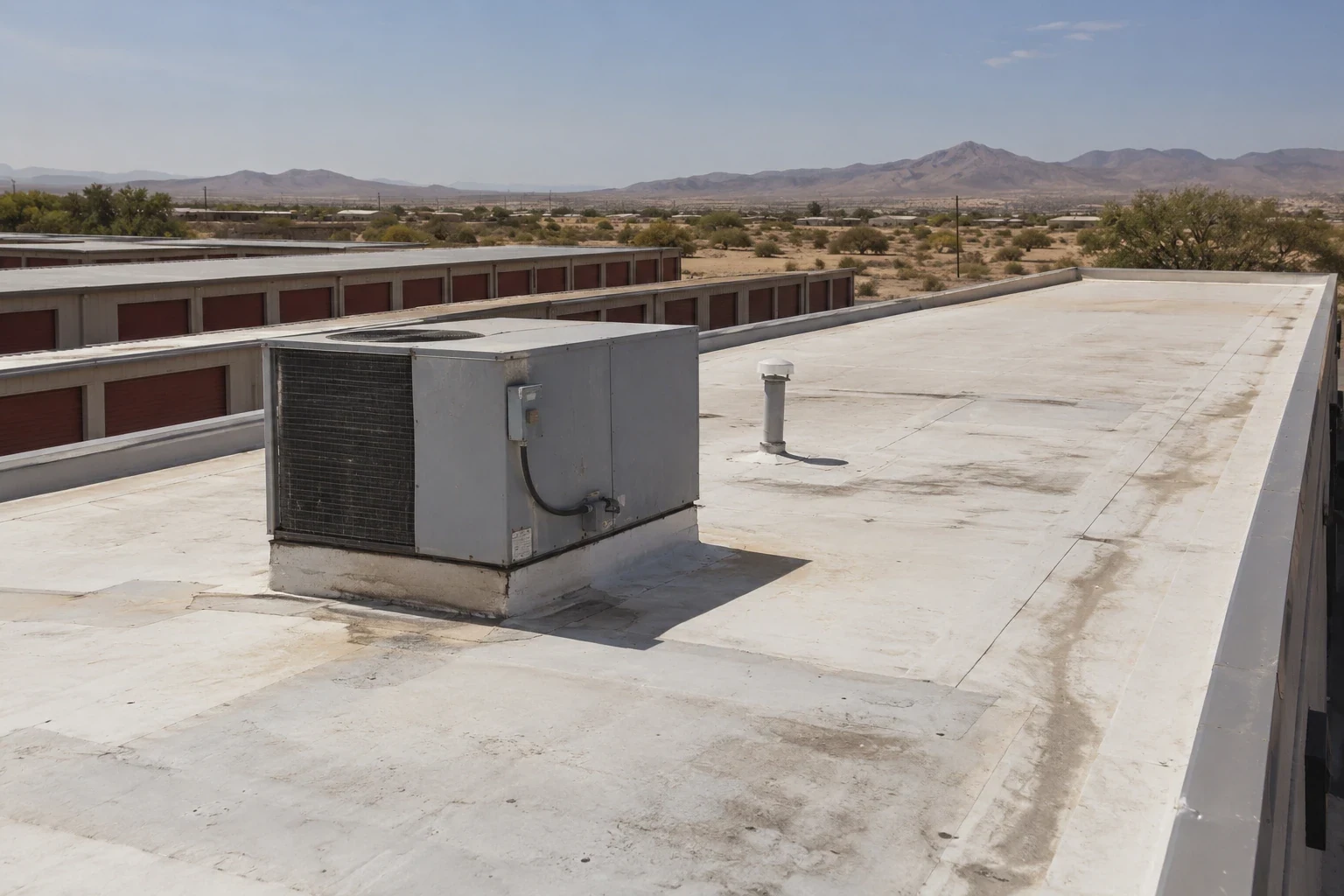
Commercial Roofing Questions
At least twice a year, in spring after the freeze and in early fall before the monsoon ends. Walk every building, probe laps and caps, and check gutters. Add a visit after any hail event. We log the findings by building and row so you can compare year to year.
Yes, when the panel is sound and the hole is not blown out. We replace the fastener with a larger or better-sealing one, add a new washer and seal the head. Where the hole is stripped, we use an oversize fastener or patch the panel. We count each one and price by the row.
Send us the unit number and a photo of the stain. We go to the row, walk the roof above and test laps, caps and fasteners. If the cause is not visible, a moisture scan can show where water sits. Then we write the finding and the fix.
Often. Hail dents are easy to see and easy to date to a storm. We photograph them, map them and give you a record. Your insurer decides the claim. The map helps you separate cosmetic dents from damage that affects the seal.
Yes. Roof work is overhead and does not block the units. We keep lanes open, stage material away from doors, and close the gate area when a lift is moving. We tell the office which rows are in work each day.