Commercial Roofing in Cottonwood, AZ
Commercial roof inspection, repair, coating and replacement for Cottonwood, AZ, where hotter summers change how membranes age and what we check first.
Lay a palm on a dark roof in Cottonwood, AZ in July and you feel the problem. July highs there average about 101 degrees, with a record of 118, and that is a hotter roof than the ones at 5,100 feet in Prescott Valley. Cottonwood sits at about 3,461 feet on the Verde River and had 12,029 residents in 2020. The first look goes to heat, then to the seams. Findings are photographed, and the written sheet comes before any repair has a price.
What hotter summers do
Heat ages a membrane from the top. A dark single-ply sheet runs far hotter than the air. Plasticizers cook out, sealants dry and laps lift. A reflective surface changes that arithmetic, but only when the sheet underneath is sound.
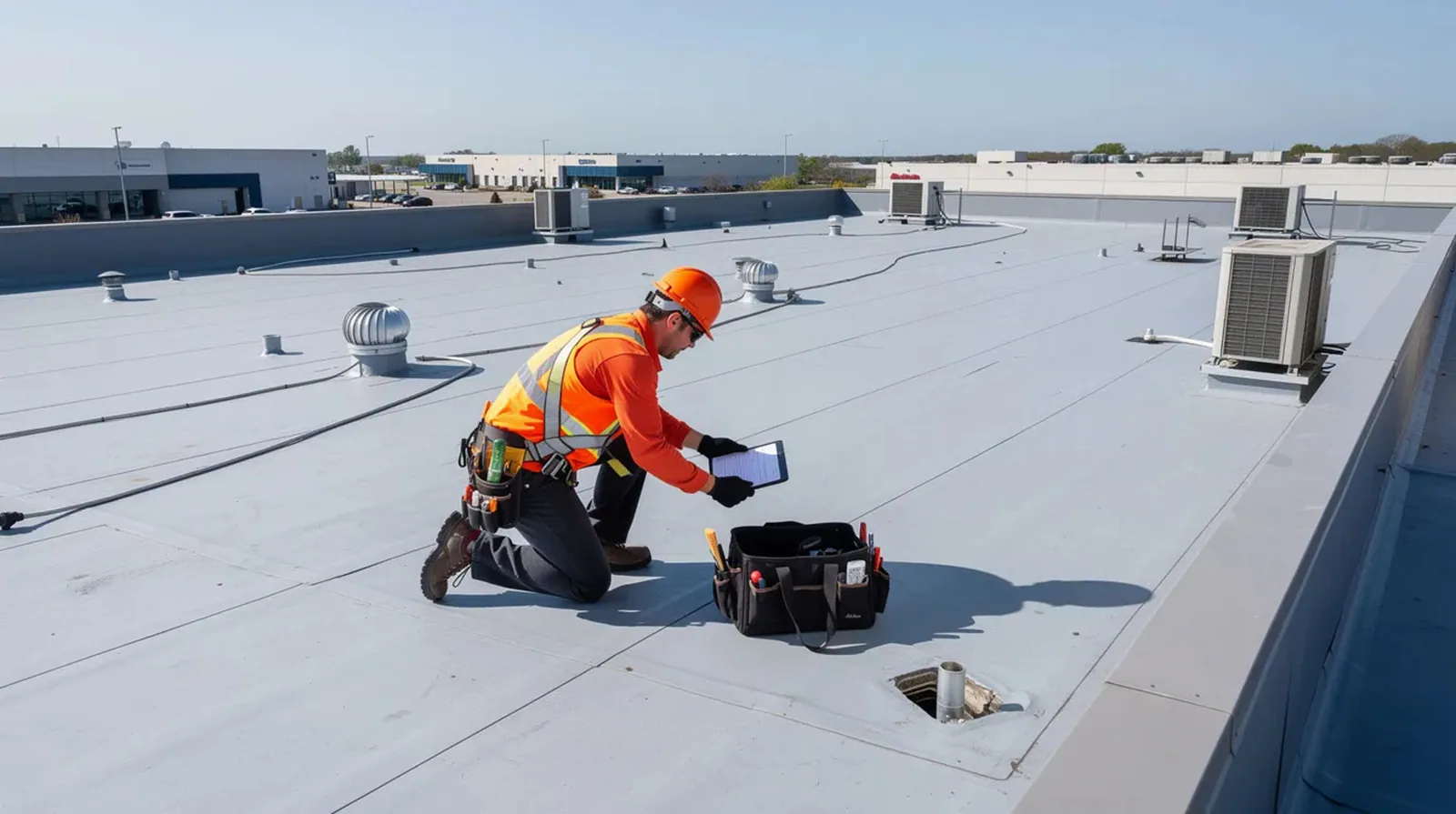
So a first walk reads the surface before the seams. Is it chalked? Is it crazed? Are the flashings pulling back from the walls? Corners get pressed and laps probed, and each finding is logged with a photograph and a location mark.
Hot roofs also expand more. A long run of membrane or metal grows and shrinks with the day, and details at walls, curbs and parapets take the strain. Gaps behind flashings and sheets pulled tight against a wall are the signs to look for. A flashing under tension tears at the corner first, and a tear at a corner is a leak. Caught early, it is a short repair and not a patch the size of a door.
Equipment on a hot roof ages too. Rooftop units run hard through July, their curbs bake, and the sealant at each base is the first thing to dry. Walk pads under service routes keep boots off seams softened by heat. Where a unit sits on bare membrane, a pad or a raised stand spreads the load and gives the sheet a break.
Sixty-seven cold mornings
Cottonwood is hot, but it is not frost-free. Roughly 67 freezing mornings arrive each winter, and annual rainfall runs about 12 inches, with snow rare. A heat-stiffened sheet that meets a hard frost is more brittle than the same sheet in a mild winter.
That pairing is the real test of a Cottonwood roof. A summer of baking followed by dozens of cold mornings works seams from both ends. Laps get probed in late autumn, before the frost starts, and again in spring. Adhesives and coatings do not cure on a frosted deck, so cold-morning starts are held until the surface is dry and warm.
Drains and gutters get their winter check as well. Ice in a downspout can split a joint, and meltwater that refreezes at a scupper holds the next melt on the roof. A short autumn pass clears the outlets and tightens hangers, so the first hard frost finds a roof that can drain.
Roofs in a river valley
The Verde Valley Fairgrounds and Cottonwood Airport are among the city's larger commercial and public sites, which says something about the mix of building uses. What each building carries on its roof gets confirmed on the walk. What a flat roof in a river valley needs is known in advance: drains and scuppers that stay clear of leaves and silt, a low spot that does not hold water and a corner without a bird nest.
A clear drain is the cheapest protection a roof has. A packed one turns a rain into a pond. Ponding lines are mapped and measured against the nearest drain.
A lender or a buyer wants records. A dated photo set, a drain tally and a list of repairs show the roof has been looked after. One file per roof stays current at each visit, and when ownership changes, the file moves with the building. A new owner sees what was found, what was fixed and what stayed on the watch list, which makes the first budget year far easier to plan.
Options and what drives cost
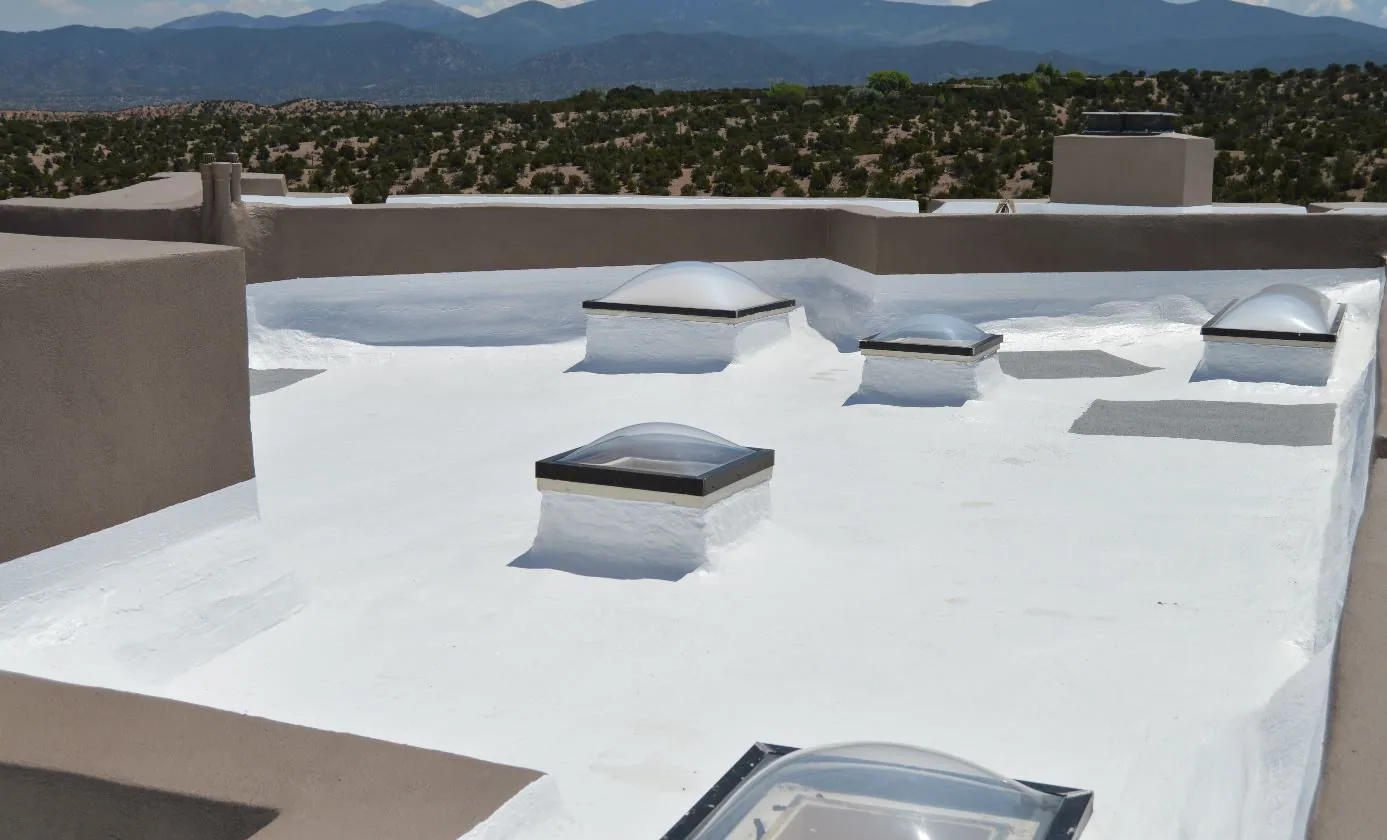
A sound roof with a tired surface can often be restored with a reflective coating, and in a hot town that has real appeal, because a white surface cuts the heat the sheet absorbs. A roof with wet insulation needs replacement. A roof with a few bad details needs repair. Size, insulation condition and penetration count set the cost.
A coating restoration runs well below a tear-off, but it works only over a dry roof, so cores and a moisture scan come first.
Timing moves the price as much as the roof does. Summer work starts early, before the surface is too hot to weld or coat. Spring and fall give the widest windows. Holds go into the schedule where you can see them before you sign.
Matching the walk to the building
Retail, office, medical and light-industrial buildings all get the same method, and the counts differ. A strip with many tenants has many curbs and vents. An office has a few large units. A clinic has intakes to protect. A light-industrial building has wide fields and exhaust. A commercial roof inspection ends with a map of the roof showing every finding, so the next crew starts from that map and not from zero.
Storms across the valley
The monsoon reaches the whole region between July and September. Prescott Valley's July 20, 2026 storm brought heavy rain, strong wind and pea-sized hail, and power failed for over 130 customers there. Cottonwood is lower and warmer, so frost counts for less than heat, yet gust fronts and cloudbursts reach everywhere. After a storm, hail bruises, lifted flashings and clogged drains are marked with dated photographs. Owners with buildings in Camp Verde or Clarkdale can have those roofs walked on the same trip, and a leak that cannot wait goes to emergency roof repair first.
Commercial Roofing Questions
Does a white roof matter more in a hotter town?
The harder the building cools, the more a reflective surface helps. Cottonwood's July highs average about 101 degrees. A reflective membrane or coating earns its place where air conditioning runs hard from May to September, once the roof is read to see whether it can take one. The findings sheet states the case.
How do I know if my roof can be coated instead of replaced?
Cores and a moisture scan decide. With dry insulation and bonded seams, coating can work. With water in the insulation, it cannot. Cores at several points, not one, make the case, and the photographs show it.
What should I do after a storm?
Walk the roof edge and drains if it is safe, or send a photo from the ground. Look for lifted edges, debris in drains and water still standing a day later. A professional walk after hail or high wind is worth having, with dated photographs kept in one file.
Can you work on a roof while the building stays open?
Yes. The crew works in zones, dries in each before leaving and protects air intakes. The scope names quiet hours and delivery times, and tenants hear a week ahead. An occupied building reroofing plan puts it in writing.
What does a first visit cost?
Nothing is quoted from a distance. The roof is walked first, then a written findings sheet with photographs and ranked repairs follows, and you decide what to fix now and what can wait. The sheet stays yours whether or not you hire us for the work.
Request a walk-through
Ask for a roof walk in Cottonwood. Send the roof age and any leak history. You receive a written findings sheet with photos before any repair is priced.
Request a Roof Assessment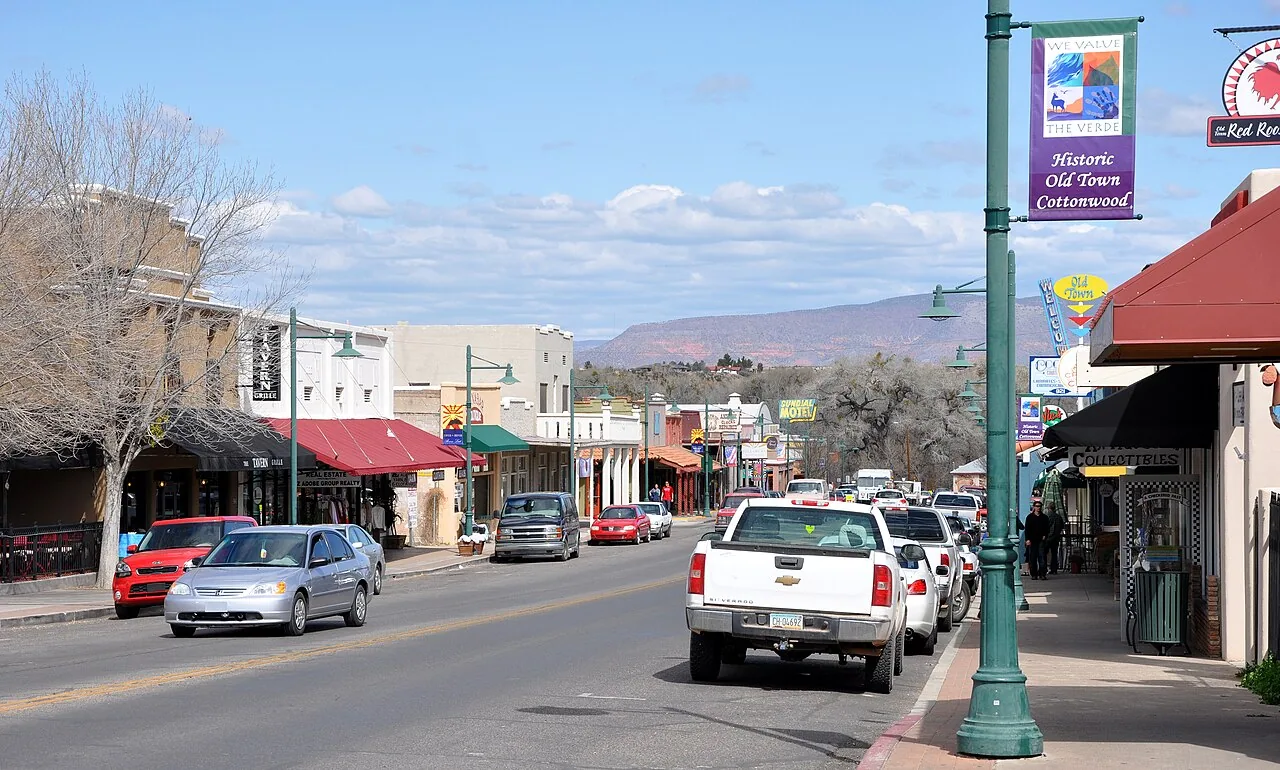
Commercial Roofing Questions
The harder the building cools, the more a reflective surface helps. Cottonwood's July highs average about 101 degrees. A reflective membrane or coating earns its place where air conditioning runs hard from May to September, once the roof is read to see whether it can take one. The findings sheet states the case.
Cores and a moisture scan decide. With dry insulation and bonded seams, coating can work. With water in the insulation, it cannot. Cores at several points, not one, make the case, and the photographs show it.
Walk the roof edge and drains if it is safe, or send a photo from the ground. Look for lifted edges, debris in drains and water still standing a day later. A professional walk after hail or high wind is worth having, with dated photographs kept in one file.
Yes. The crew works in zones, dries in each before leaving and protects air intakes. The scope names quiet hours and delivery times, and tenants hear a week ahead. An occupied building reroofing plan puts it in writing.
Nothing is quoted from a distance. The roof is walked first, then a written findings sheet with photographs and ranked repairs follows, and you decide what to fix now and what can wait. The sheet stays yours whether or not you hire us for the work.