Commercial Roofing in Wilhoit, AZ
Commercial roof inspection, repair, coating and replacement in Wilhoit, AZ, a small roadside community where one planned trip should cover the whole roof.
Read the age of the road before the age of the roof. Wilhoit, AZ had 864 residents in 2020 at about 4,590 feet, and the area grew along the 1920s road that linked Phoenix and Prescott. The community is known for its mobile homes, so commercial buildings are few and small. A small roof leaves nowhere for a defect to hide, which makes the walk thorough and the sheet short. Seams get probed, findings get photographed, and the written sheet reaches the owner before any price does.
Few buildings, every inch checked
When a community is known for housing more than for commercial space, the commercial roofs that do exist tend to be small: a shop, a storage building, a hall or an office. On a roof like that, one visit can cover every foot, and the sheet describes the whole roof and not a sample. An owner who has never held a roof record gets a plan with every opening numbered, a photograph for each and a plain ranking of what to fix first.
Small roofs have fewer drains, so a single clog matters more. They have fewer curbs, so a single failed flashing matters more. A roof with one rooftop unit and one vent stack puts most of its risk in those two details. Sealant, boots and curb corners get pressed and photographed, and the repair list follows from what gives.
Roofs along an old highway
A road built in the 1920s between two cities leaves buildings close to traffic and close to dust. Passing trucks lift grit that lands on roofs and fills drain screens. Wind off the road pushes on edges, and metal caps rattle loose over the years.
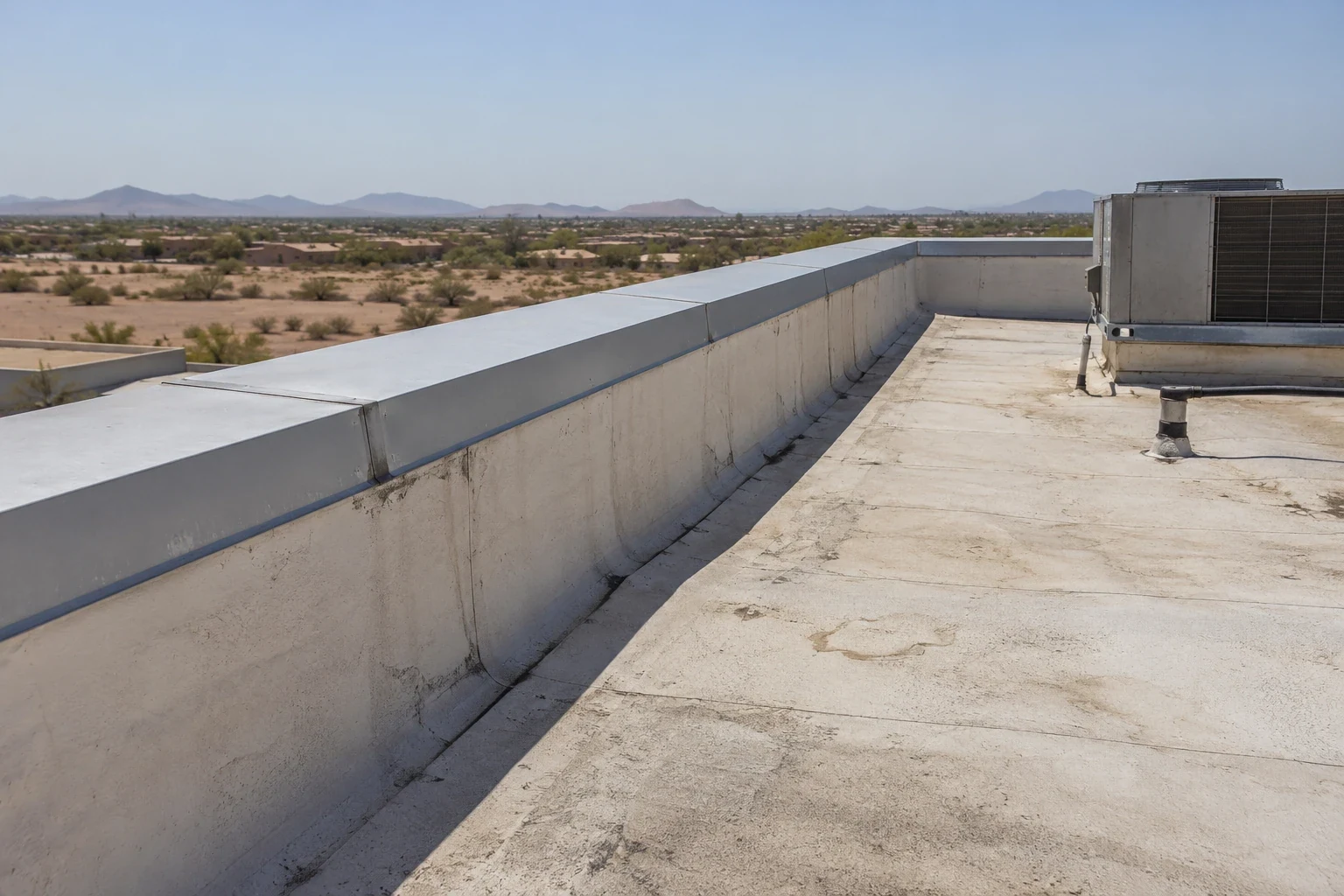
Each outlet is cleared and photographed. Edge metal is tugged section by section, loose pieces are marked and missing fasteners counted. A edge metal and gutter pass is often the cheapest upgrade a small roof can get, and it keeps a gust from starting a peel.
Exposed-fastener metal
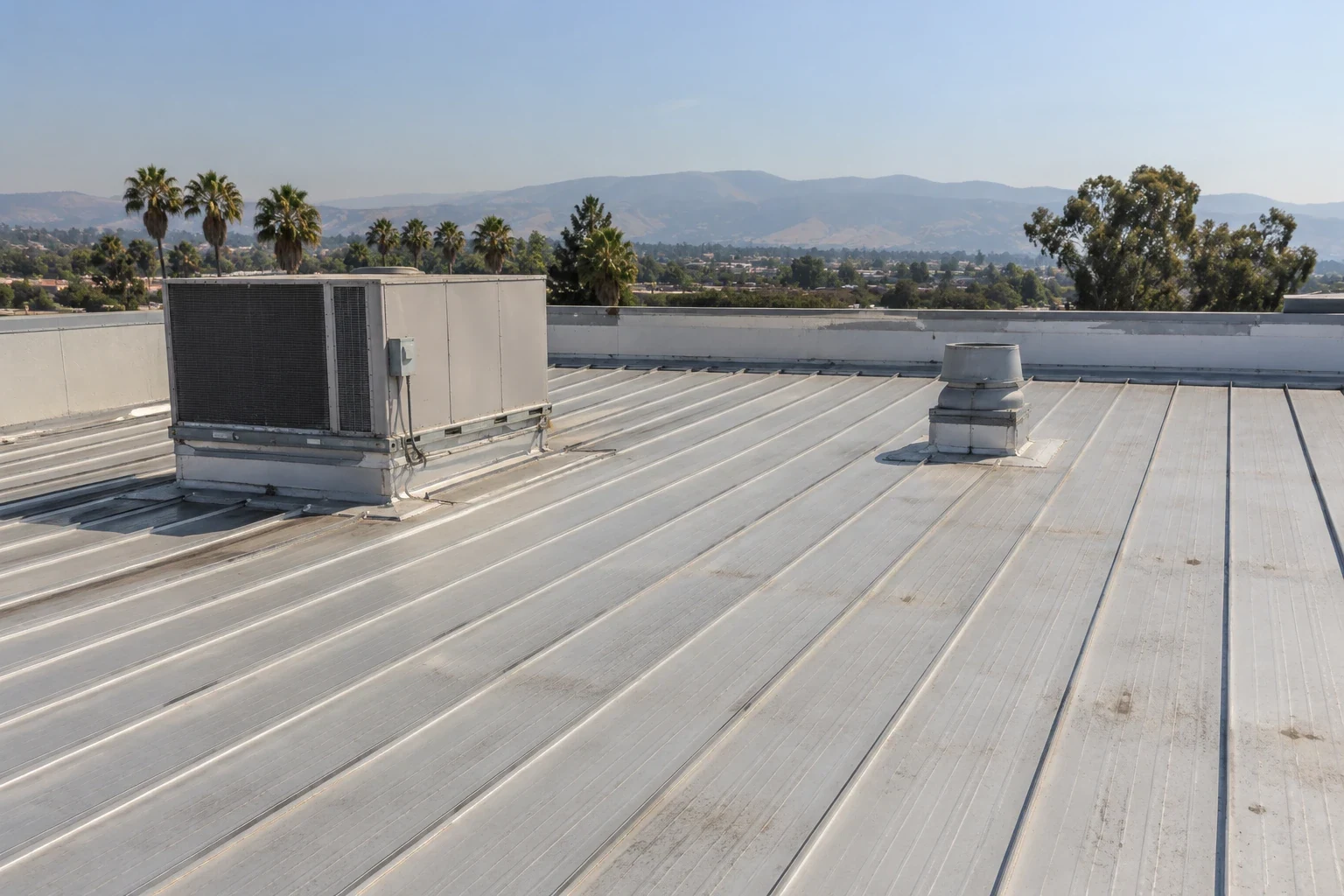
Small commercial buildings in rural communities often wear metal panels. A panel screwed down through its face moves with the day, and the hole around each screw slowly widens. Washers harden and crack, laps lose their tape, and water finds the screw line before anything else.
A retrofit therefore begins with fasteners and laps, not with paint. Loose screws are counted run by run, and the count prices the work. A metal roof retrofit can take any of three forms: new screws and sealant, a reflective coating over sound metal, or an overlay panel system when the old roof is failing across its length. The sheet sets the three side by side with years and costs, so the owner chooses with the numbers visible.
Drips are not always leaks. A cold morning chills the panel, warm air from inside condenses on it, and water falls in places no screw line explains. Before the roof takes the blame, the underside of the panel, the insulation facing and the building's airflow get looked at. If the cause is condensation, a few inexpensive changes to ventilation can end the drip and leave the roof alone.
Access follows the panel. Ribbed metal is slick with frost or dew, so crews start after the surface dries and use walk boards and harnesses. A slow, safe start costs less than a fall.
Frost, wind and the monsoon
At about 4,590 feet, Wilhoit gets frost that lower towns do not, so freezing water in laps and screw holes matters here. Daily swings work metal against its fasteners. Seams and screw lines are checked after the first cold snap, and again after the monsoon.
Gutters and downspouts on small buildings fill with grit and leaves, and ice can split a joint. Hangers get reset and joints sealed before the cold season, since a gutter that sags holds water against the very edge it should protect.
Monsoon cells arrive between July and September. The July 20, 2026 storm that crossed Prescott Valley brought pea-sized hail, heavy rain and strong wind, and cells like it reach the whole region. Metal dents under hail without always leaking, and the dents mark where a coating or a seal will fail first. Dents are photographed with a straight edge for scale, and the paint is checked for cracks.
Repair, coat or replace
Condition decides. Light surface wear on dry, sound panels can be coated. Loose screws and failed boots call for repair. Rusted-through panels or a wet deck call for replacement. Cost follows roof area, fastener count and access, and for a small building, travel and mobilization are a large share, so repairs are grouped into one trip.
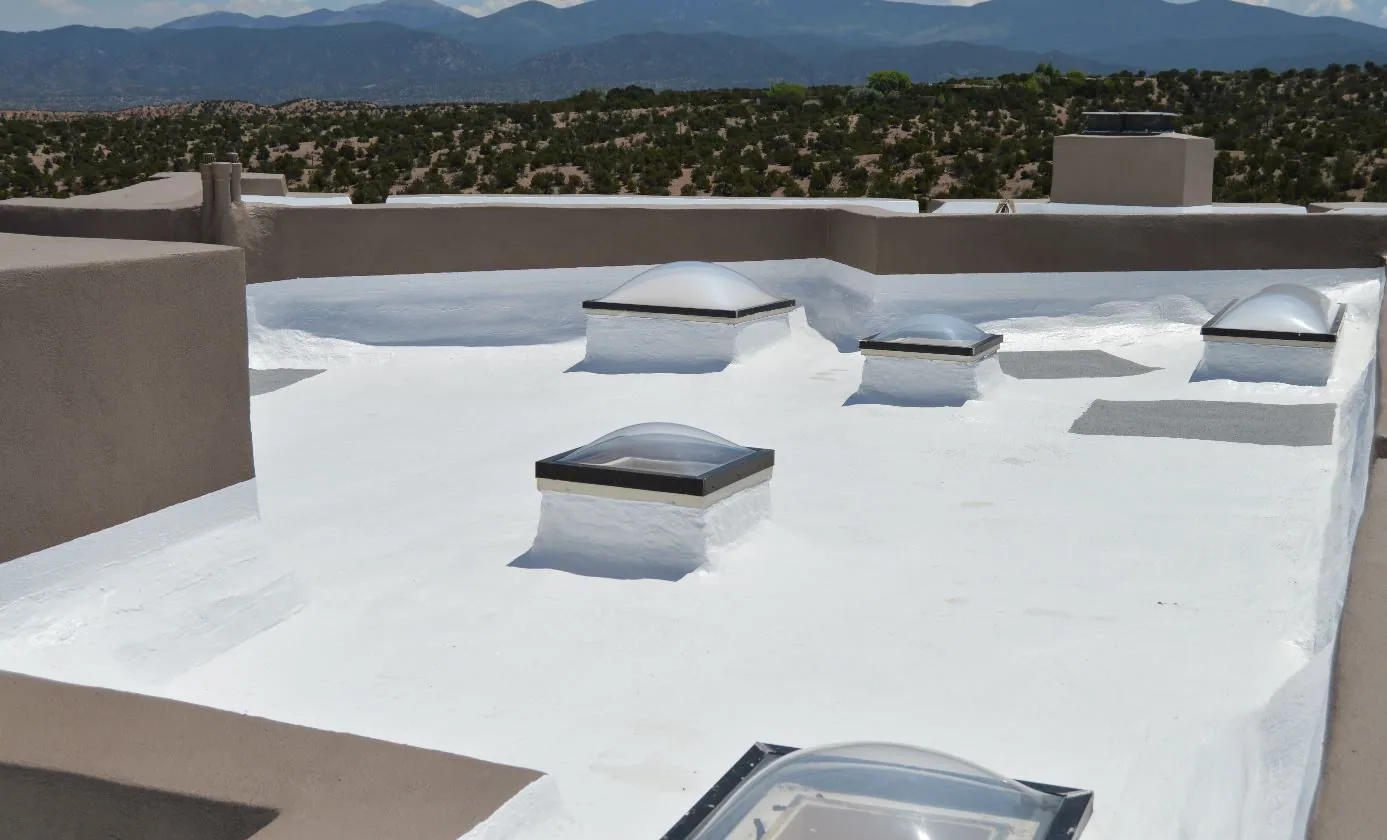
A coating restoration needs a clean, dry surface, so washing and rust treatment come first. Cores and a moisture scan decide whether the insulation below is dry. The sheet shows what each path adds in years, and it names the travel line apart from the roofing, so the owner can see how much of a quote is distance.
A hall, a shop or a storage building in a place like this may share a lot with a home or a neighbor's fence. Staging is planned on the first visit, with a spot for the truck, a path for material and a note on where debris will fall, so nobody nearby is caught off guard on the day of work.
What to do first
Photographs or a rough plan of the roof, along with its approximate age and any history of leaks, are enough to open the file. Peeples Valley and Kirkland are neighbors on county roads, which lets an owner with several buildings book one trip. A commercial roof inspection sets the baseline, and a leak in progress is treated as emergency roof repair before anything else.
Commercial Roofing Questions
Can I just tighten the screws on a metal roof?
A screw turning in a widened hole holds nothing, and a hard turn crushes the washer. Sound framing, a bigger screw, a fresh washer and sealant make the repair. Loose fasteners are counted before any work, so the price follows the real problem.
Why does my metal roof drip when it has not rained?
Cold panels chill the warm air under them and the moisture collects as water. That drip follows temperature and does not line up with a screw row. The underside and the insulation get checked, and the cure may be airflow, not sealant.
Is a coating enough to stop leaks on an old metal roof?
It seals small gaps and laps and cuts surface heat. A wide hole or active rust needs more. Fasteners and laps are repaired first, then a test patch checks adhesion before the whole roof is coated.
What does a small building gain from a written sheet?
A small building gets a record it never had, often for the first time since it was built. The sheet shows what was found, what each repair costs and what can wait, and a later owner, lender or insurer can read it in minutes.
How soon can a crew reach a roof off the highway?
Emergency calls are taken day and night. Travel depends on the road, and an arrival estimate is given when the call is booked. A temporary dry-in goes on first when access allows. A response time is stated when the call is booked, and the crew brings temporary cover for the opening.
Request a walk-through
Ask for a roof walk in Wilhoit. Send the roof age and any leak history. You receive a written findings sheet with photos before any repair is priced.
Request a Roof Assessment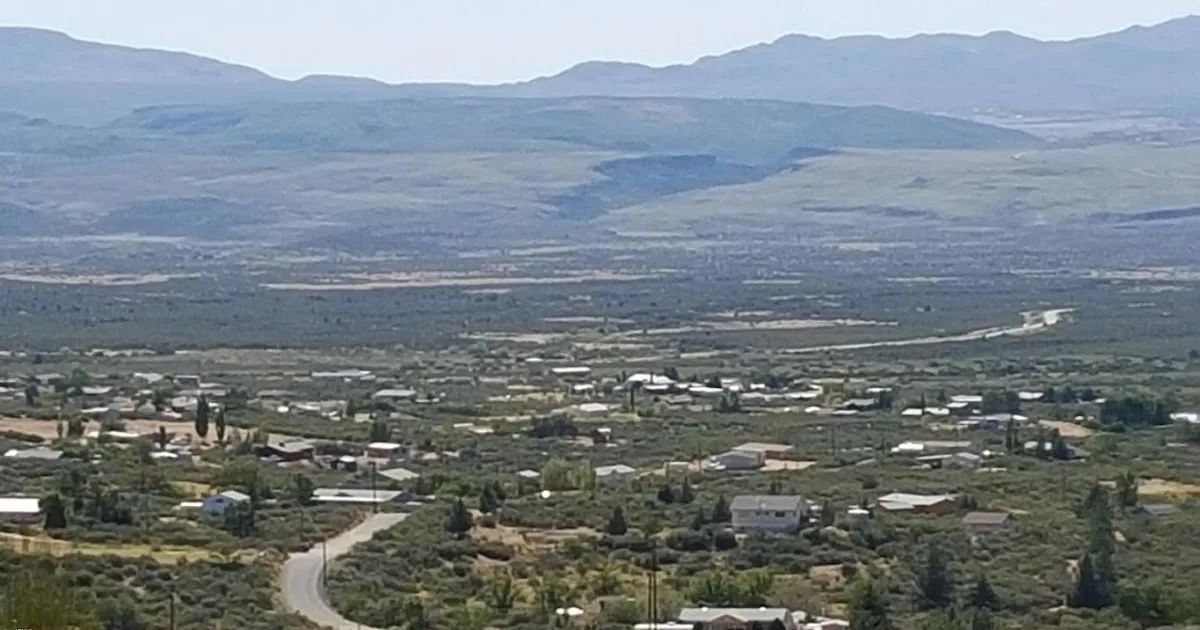
Commercial Roofing Questions
A screw turning in a widened hole holds nothing, and a hard turn crushes the washer. Sound framing, a bigger screw, a fresh washer and sealant make the repair. Loose fasteners are counted before any work, so the price follows the real problem.
Cold panels chill the warm air under them and the moisture collects as water. That drip follows temperature and does not line up with a screw row. The underside and the insulation get checked, and the cure may be airflow, not sealant.
It seals small gaps and laps and cuts surface heat. A wide hole or active rust needs more. Fasteners and laps are repaired first, then a test patch checks adhesion before the whole roof is coated.
A small building gets a record it never had, often for the first time since it was built. The sheet shows what was found, what each repair costs and what can wait, and a later owner, lender or insurer can read it in minutes.
Emergency calls are taken day and night. Travel depends on the road, and an arrival estimate is given when the call is booked. A temporary dry-in goes on first when access allows. A response time is stated when the call is booked, and the crew brings temporary cover for the opening.