Government and Municipal Building Roofing in Prescott Valley, AZ
Roof inspection, repair and replacement scopes for municipal, county and public buildings in Prescott Valley, AZ, written for staff, councils and auditors.
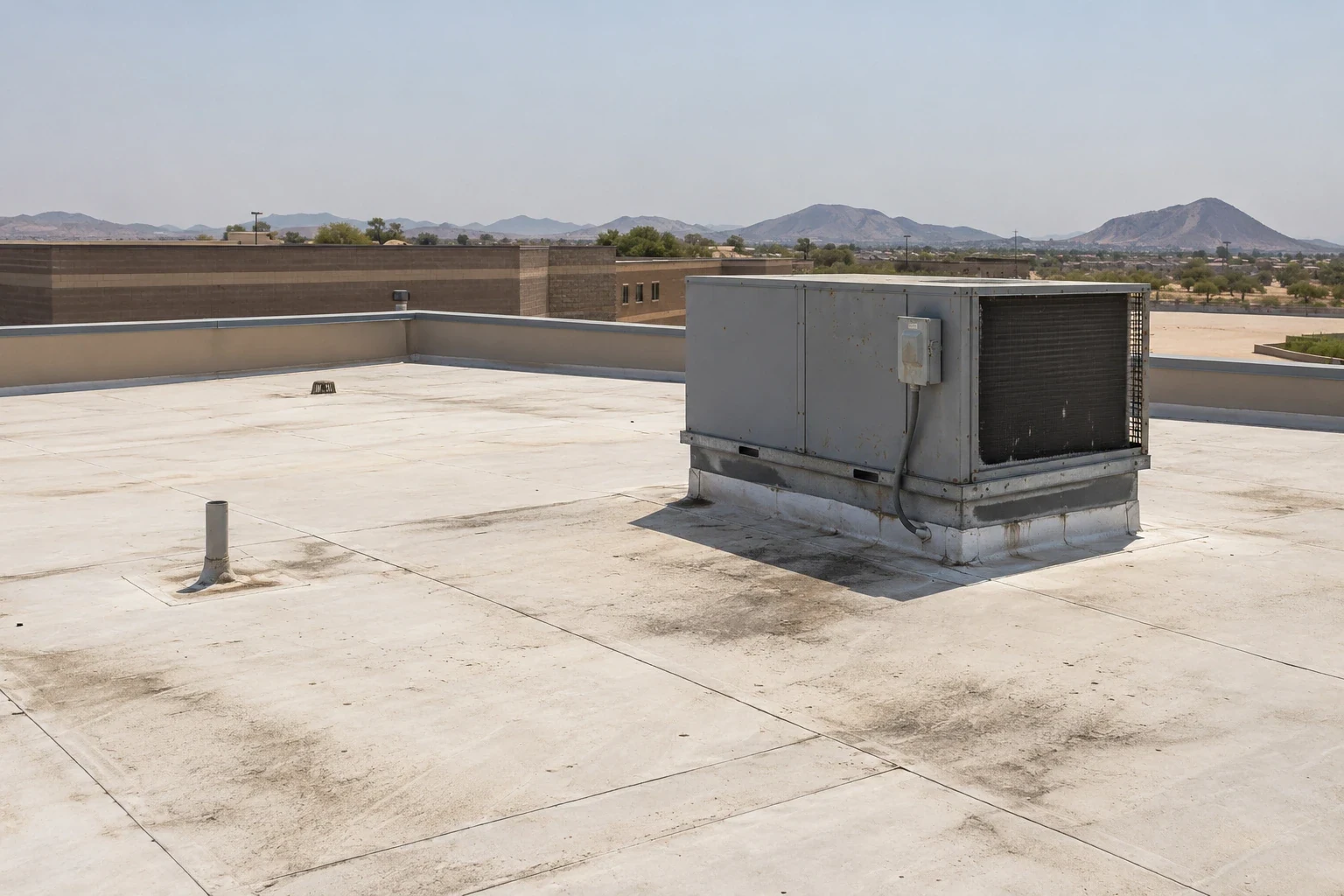
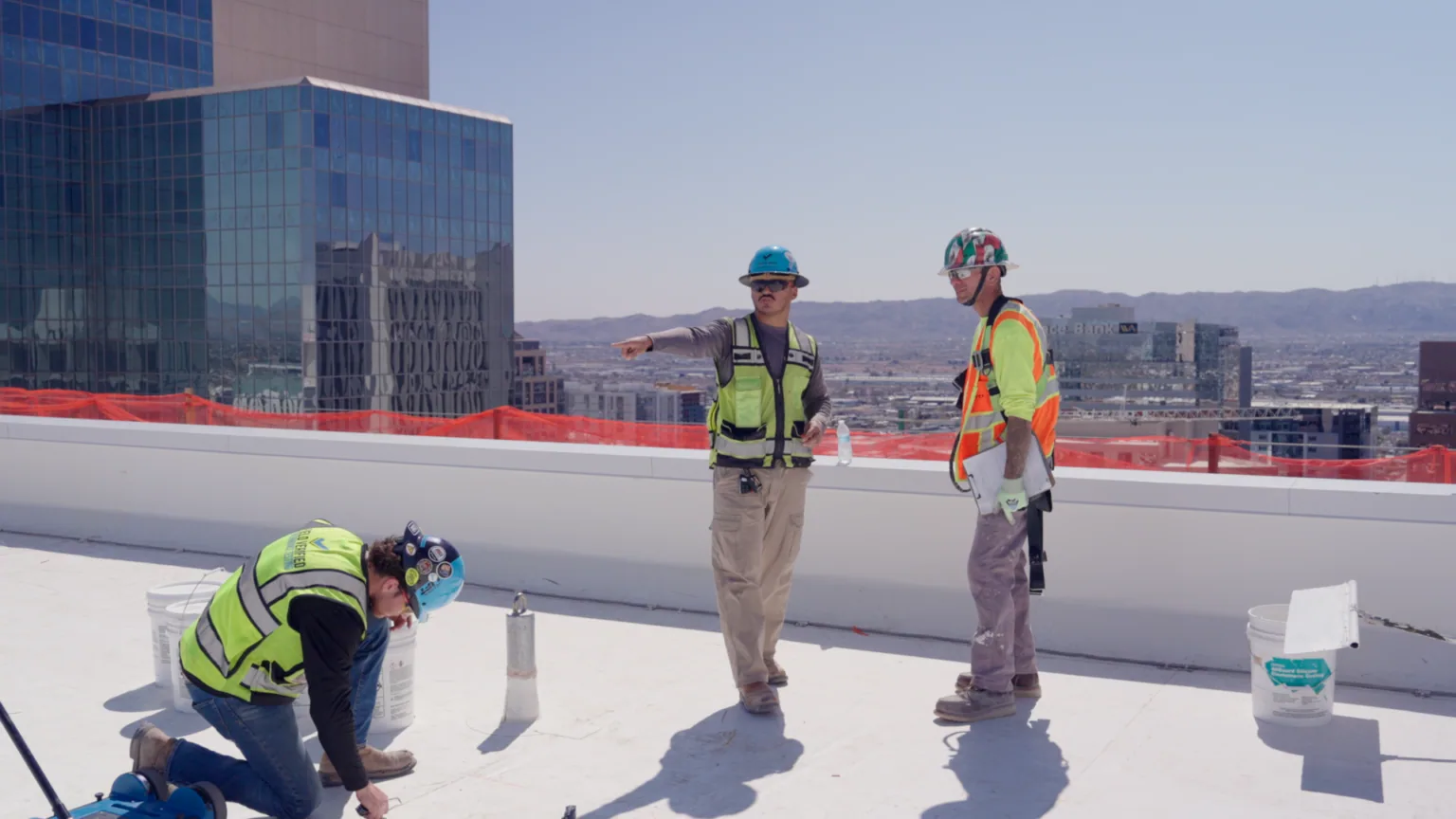
Pull the roof file for a public building and count the pages. A thin file is common: a warranty letter, one invoice, maybe a note from a past leak. That thin file is the first thing to fix on a public roof. Without a record, a council or a facilities office cannot say how old the roof is or what it needs. We walk the roof in Prescott Valley, AZ, and build the record that is missing. Photos, a plan, a list of findings, and a price for each item.
The goal is a roof file that a new staff member, a council member or an auditor can read in ten minutes and understand.
What we find
Public buildings come in many shapes. A town office with a flat roof and rooftop units. A library with a long low-slope section and a few skylights. A maintenance yard with a metal shop building. A public safety building with equipment on the roof that cannot be shut down.
Each type fails in its own way. The office roof loses its curb seals. The library leaks at its skylight curbs. The metal shop opens up at fasteners and laps. The public safety roof cannot be opened up without a plan for what moves and when.
A common pattern in a thin file is repairs made when a leak shows, then nothing until the next one. With no schedule and no list, small items add up to a roof past its life and a budget request that arrives as a surprise.
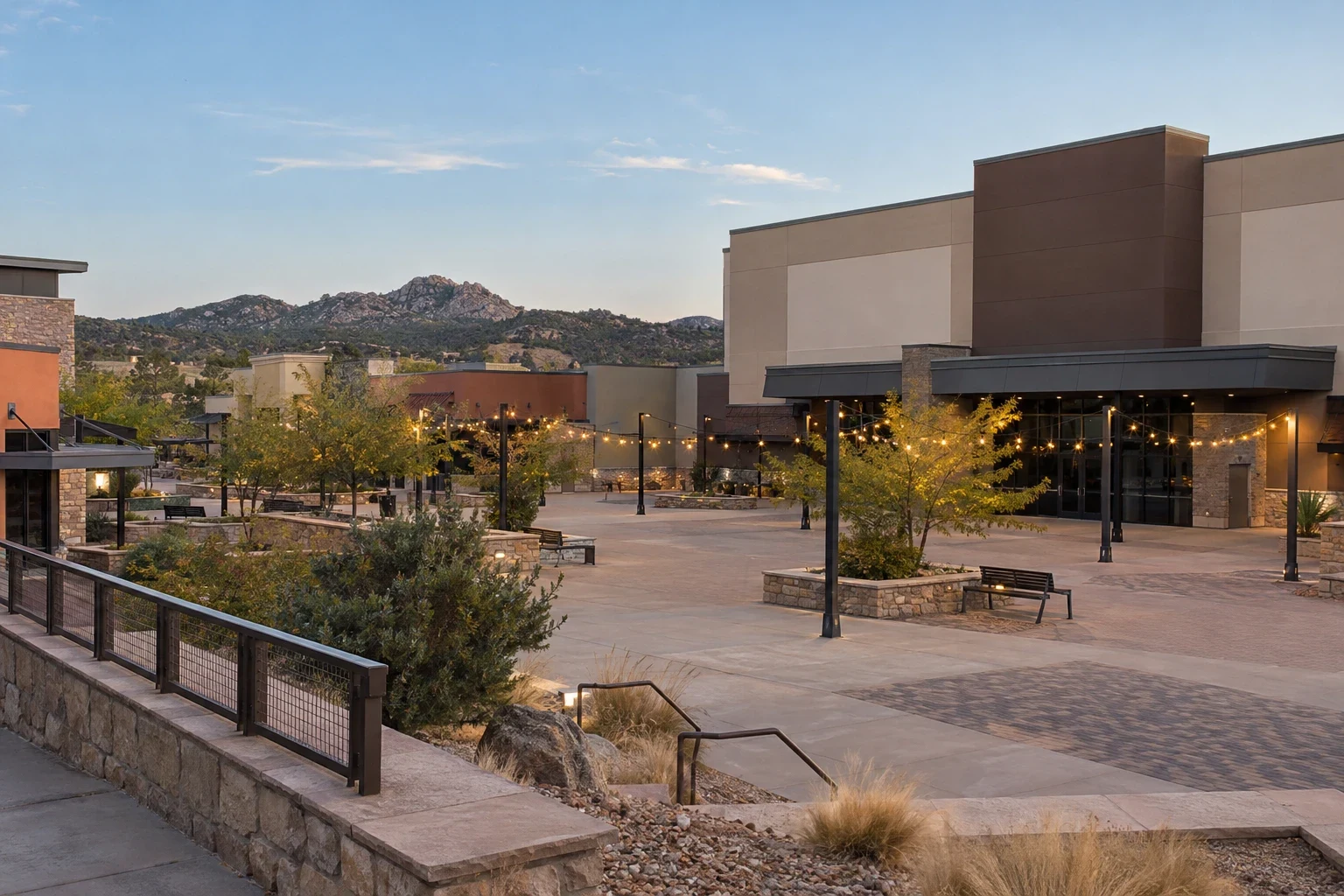
Schools are public buildings too, with their own calendar and rules. A school keeps its own calendar, and school roofing turns on the summer work window. A community center or event hall shares traits with the large-span roofs of the Entertainment District, where public assembly raises the stakes of a leak.
What monsoon and freeze do
July and August are the wet months in Prescott Valley, which averages about 15 inches of precipitation a year. When the July 20, 2026 monsoon storm hit, heavy rain, strong wind and pea-sized hail arrived together, and traffic signals and trees came down across town. Public buildings that have to stay open through a storm, such as those used for emergency response, need roofs that hold when the power is out.
Winter adds its own wear. Freezing temperatures settle in from late October and linger to the start of May, and daily swings near thirty degrees work on seams and flashings. Grit and leaves end up in drains. We check the drain screens every visit.
Near Glassford Hill, ridge-top wind can be sharper than in the lower parts of town. We look at edge metal and caps on buildings in exposed spots.
How roof work fits public funding
Public money moves on a calendar. A department asks in the spring, a council reviews in the summer, and a contract is signed in the fall. A roof that fails in July does not wait for that calendar. So the best plan has two tracks. One is an emergency track for leaks and storm damage. The other is a planned track for replacement and restoration.
Our written scope is built for both. Each item has a location, a photo, a repair method and a price. Items are grouped by urgency. An office can pull the urgent list into a purchase request. A council can see the planned list and decide the year. A roof capital plan turns the second list into a multi-year schedule that matches a budget.
Bids for public work need clear quantities. We list areas, linear feet of flashing and counts of curbs and drains. A bidder can compare line by line. We also note alternates, such as added insulation or a cover board, so the owner can choose.
One more point on cost. A roof file with dated photos shortens bid questions. Bidders do not need to guess at the condition, so they do not pad the price for the unknown. A clean file can help the owner get a fairer bid.
Older and historic public buildings
Prescott is the Yavapai County seat, and its downtown was rebuilt in brick after early twentieth-century fires. Public buildings in and around the Whiskey Row historic district may sit on old masonry, which changes the roof plan. Parapets are tall. Walls are thick. Drainage may run through an internal gutter or a scupper. Our work in Prescott starts with a careful look at those details.
Federal buildings follow their own rules. The Fort Whipple campus of the Northern Arizona VA Health Care System, about ten miles west, includes buildings finished by 1908 and a four-story hospital from 1939. A VA medical center roof on a campus like that carries its own access and records rules. Even for local buildings, the lesson holds. An older building needs an inspection that opens up the details before a scope is written.
What to ask for in writing
The findings sheet should come with photos and a roof plan, a price on each item, a split between repair now and repair later, and the manufacturer's requirements if the roof carries a warranty.
Ask about access and security. A public building may have restricted areas, secure entries or equipment that cannot be shut down. The plan should say who escorts the crew, where material is staged and how the site is left each day.
Ask about schedule and public use. A library has story hour. A court has hearings. A recreation center has leagues. A dry-in plan that closes a section each day lets those activities go on. On the budget side, public agency work runs on bids and records, and a preventive maintenance plan keeps the urgent list short.
Commercial Roofing Questions
Can you write a scope that fits a public bid?
Yes. We list the system, the areas, the quantities and the exclusions, and we number each item. Alternates are separate lines. Your purchasing office decides the contract vehicle and the form. We make sure the quantities are clear enough for bidders to compare.
How do you handle a roof that has to stay in service through a storm?
We plan work in small sections that can be closed the same day, and we watch the forecast. If a monsoon cell is likely, the crew dries in the open area and secures loose material before leaving. For critical buildings, a temporary cover is staged on the roof in advance.
What records should a facilities office keep?
Keep dated photos, a roof plan, every invoice, any warranty paperwork and the findings sheet from each inspection. A single folder or shared drive is enough. The point is that the next person can find them. We deliver the sheet and photos in a format that drops into that folder.
Is a recover over the old roof allowed on a public building?
It can be, when the old roof is dry and the deck is sound. A core cut and a moisture scan tell us. Some public owners prefer a full tear-off for a clean record, so we price both ways and let the owner decide.
Who inspects the finished work?
We walk the roof when we finish and photograph each repair. If your office or an outside inspector wants to walk it too, we schedule the visit and provide the plan and photos. Warranty inspections follow the manufacturer's process.
Request a walk-through
Ask for a walk-through of your public building roof. We will send a written findings sheet with photos before we price any repair, and we will build the roof file your office needs.
Request a Roof Assessment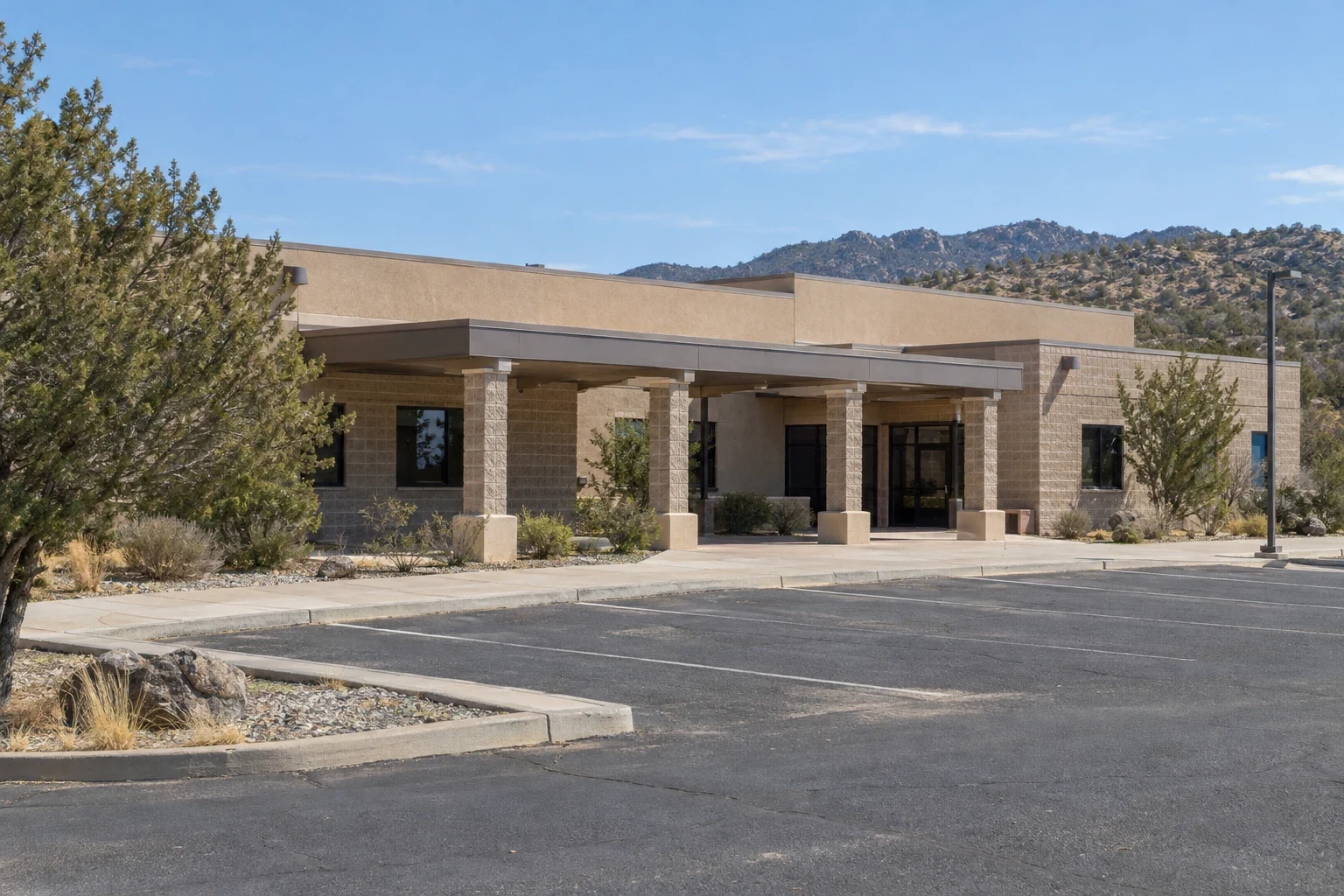
Commercial Roofing Questions
Yes. We list the system, the areas, the quantities and the exclusions, and we number each item. Alternates are separate lines. Your purchasing office decides the contract vehicle and the form. We make sure the quantities are clear enough for bidders to compare.
We plan work in small sections that can be closed the same day, and we watch the forecast. If a monsoon cell is likely, the crew dries in the open area and secures loose material before leaving. For critical buildings, a temporary cover is staged on the roof in advance.
Keep dated photos, a roof plan, every invoice, any warranty paperwork and the findings sheet from each inspection. A single folder or shared drive is enough. The point is that the next person can find them. We deliver the sheet and photos in a format that drops into that folder.
It can be, when the old roof is dry and the deck is sound. A core cut and a moisture scan tell us. Some public owners prefer a full tear-off for a clean record, so we price both ways and let the owner decide.
We walk the roof when we finish and photograph each repair. If your office or an outside inspector wants to walk it too, we schedule the visit and provide the plan and photos. Warranty inspections follow the manufacturer's process.