Commercial Roofing in Yarnell, AZ
Commercial roof inspection, repair and replacement in Yarnell, AZ, a hillside town where fire-rated assemblies, wind and hauling shape the plan.
Look at what is above the roof as well as what is on it. Yarnell, AZ sits at 4,780 feet on State Route 89, which drops 1,300 feet over four miles on Yarnell Hill. The town had 570 residents in 2020, and its economy rests on ranching, mining and services to travelers and retirees. On June 30, 2013, the Yarnell Hill Fire destroyed half the town and killed 19 firefighters. A commercial roof here carries that history in the questions an owner asks: how does it hold up against embers, how does it take wind on a slope, how far must a crew haul material. The walk covers each roof from edge to field, and no number goes out until the written sheet has been read.
Roofs and embers
A roof is the part of a building that embers land on. Fire-rated roof assemblies are tested for how they resist burning material landing on the surface, and membranes, coatings, insulation and decks each play a part. No roof is promised to survive a wildfire. What can be said is what a roof is made of and what a rated assembly needs.
On a walk, the surface, the edges and the gaps get noted. Debris in valleys, behind equipment and along parapets feeds a spark, and gaps at edge metal let embers in. Debris is cleared and gaps are flagged and photographed.
Surfaces matter. A mineral-surfaced cap sheet, a gravel-surfaced roof and some coatings carry fire ratings when installed as tested assemblies. A bare, dry membrane with foam exposed beneath it does not. The assembly is read from cores, because a rating belongs to the whole stack and not to one layer. If an owner wants a rated roof, the sheet states the gap between what the roof is and what the rating needs: surface, cover board, insulation type and edge details.
After a fire event
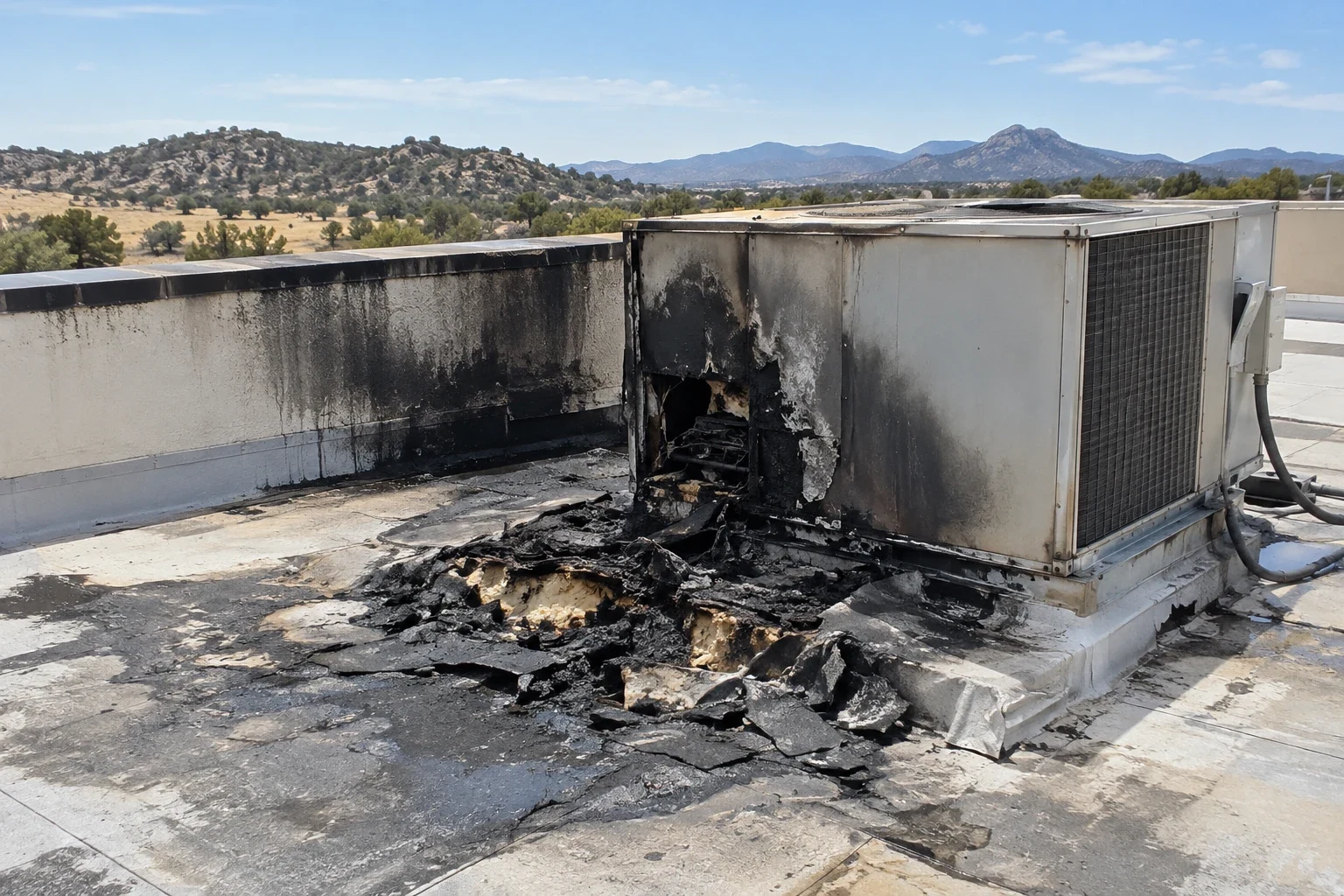
A roof near a fire can be damaged without being burned. Heat can blister membranes and warp metal. Embers can pit a surface. Smoke and ash can clog drains and stain a coating. After any nearby fire, a fire damage roof repair starts with a core and a moisture scan, because water used to fight a fire can soak insulation.
Every mark and every blister is photographed, and the record supports an insurance review. Work is then sorted into repair now, repair soon or watch.
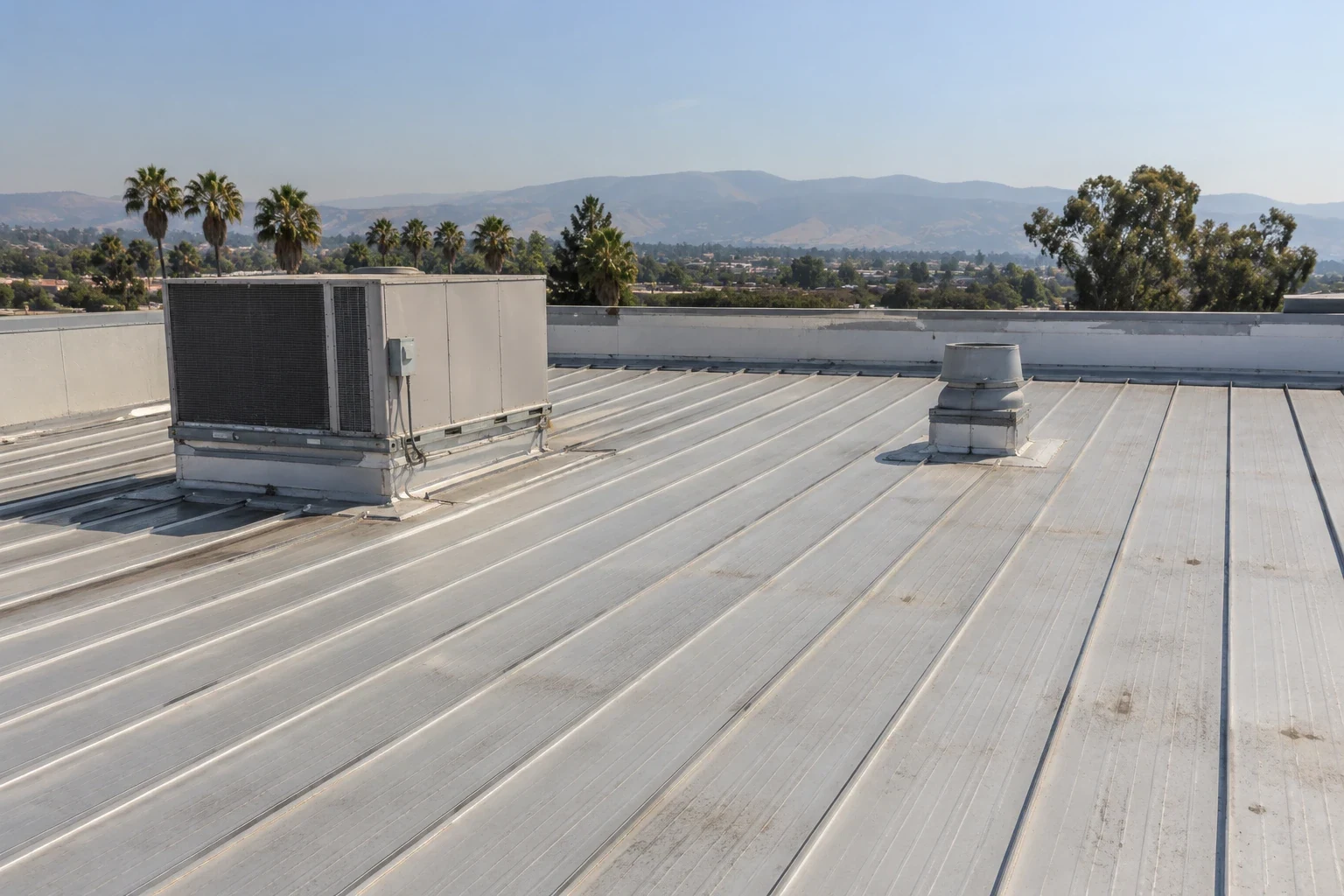
Metal roofs get their own check. Heat can discolor paint and soften sealant without warping the panel. Fasteners and seams are probed for movement. Panels that held shape often need only resealing and new washers, which costs far less than replacement. If a panel has buckled, the clips and trim below get a look. A metal roof retrofit may follow when the finish has failed across a slope.
Wind, runoff and a steep approach
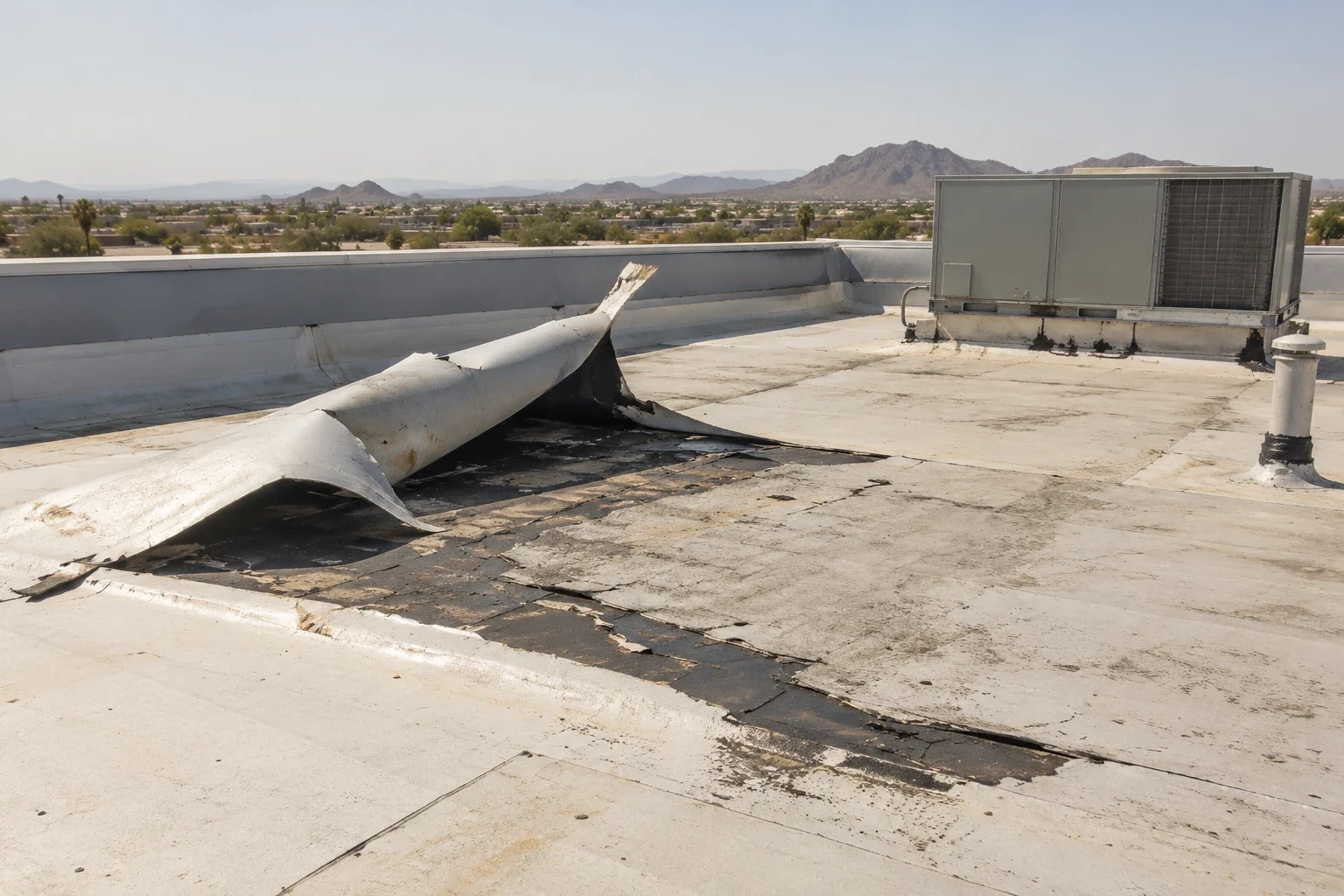
Wind on a slope speeds over ridges and tumbles off them. Roofs on exposed lots take uplift at the edges and corners, so edge metal, coping and fastening get checked and anything loose is tightened or replaced. A wind damage repair after a gust stays small when the edge was sound.
The road matters too. Getting a crane or a load of material up a steep grade takes planning, so delivery timing and truck size go into the scope before a price is set.
Hillside runoff is the other slope problem. A bare hill sheds water fast, and a parking lot below a building can flood in a cloudburst. Water at the wall finds the lowest flashing. The base of walls, the sill flashing and the scuppers that carry water off the roof all get checked, and a scupper that discharges toward a wall is flagged. A short extension or a rerouted downspout can protect the building at little cost.
Cold, monsoon and timing
Yarnell sits at 4,780 feet, lower than Prescott Valley, and monsoon cells reach the whole region between July and September. Bare slopes shed water fast, so runoff loads drains in a storm. Drains and scuppers are cleared at each visit and photographed.
Timing in a hillside town follows the weather and the haul. Late spring and early fall are the widest windows, with monsoon cells from July to September and cold mornings at the end of the year. The first dry stretch gets booked, material arrives in one trip and a tarp stays staged. If a cell builds, the open section is closed and work stops, and the stop is entered in the log with a picture. A board, a landlord or an owner far away can read that log later and see exactly what weather cost, instead of guessing at it.
Rebuilt and repaired structures add a quiet question: who has the paperwork? A roof installed after a loss may have a warranty letter and an invoice and little else. The first walk builds the missing record, with layers from cores, drain counts and dated photographs, so the next owner is not starting over.
What a first walk covers
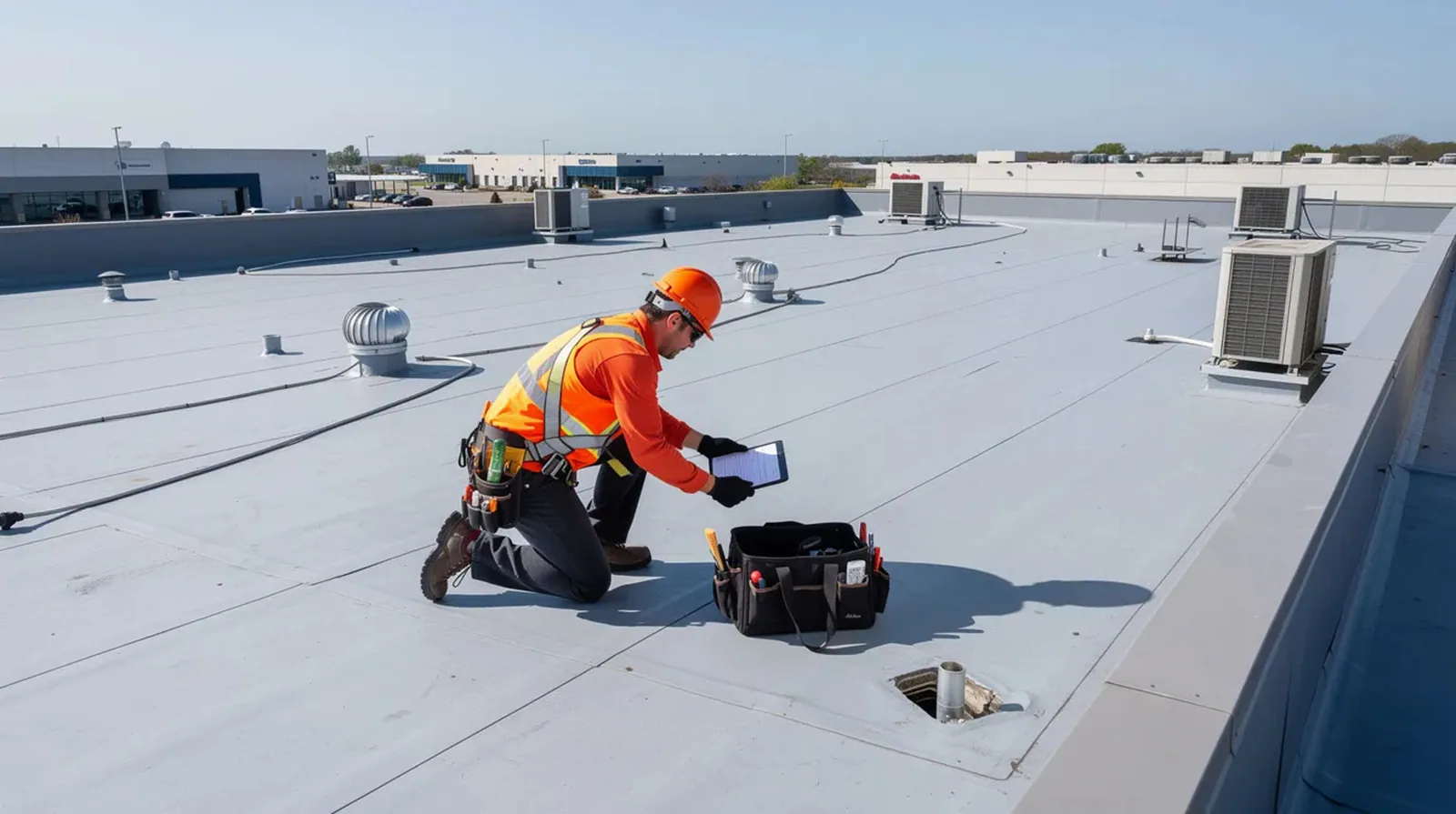
Edges first, then flashings, then every seam in the field. Equipment curbs are pressed and penetrations photographed. For a small building in a small town, one walk can cover every inch, and the sheet then describes the whole roof, with each drain and each opening on the plan. A commercial roof inspection done this way gives an owner prices by tier.
The roof type is named from what is found, not from the building's use or age.
What to do first
Whatever the owner has about the roof (plan, age, past leaks) opens the file. Peeples Valley and Wilhoit lie along the same highway, so an owner with several buildings can share a trip. A roof that leaks now goes to emergency roof repair ahead of everything else, and the permanent scope follows.
Commercial Roofing Questions
Is any roof fireproof?
None is. A rated assembly is tested against burning material landing on it, and a clean, tight roof does better than a cluttered one. Valleys, parapets and equipment areas get cleared of debris, and gaps at the edges get closed. The sheet says what your roof is made of and what a rating would require, with photographs of the cut layers, so you can take it to your insurer and your designer.
What should I check after a nearby fire?
Blisters, pitting, warped metal, clogged drains and ash. Water used to fight fire can soak insulation, so a professional walk with a moisture scan is worth having. Dated photographs support an insurance review and sit in one file.
How does hillside wind change a roof plan?
Edges and corners take the most uplift. Fastening, edge metal and coping get checked, and loose parts are tightened or replaced. A post-storm walk each season shows which details move, and they are repaired before a gust finds them.
Does the steep road change the cost?
It can. Delivery size, crane access and crew travel time all affect price. The approach is walked and a delivery plan is written before pricing. Grouping repairs into one visit means the haul is made once.
What does the written findings sheet include?
Every finding sits on the roof plan with its photograph, rank and tiered price, and the drains, penetrations and equipment are listed beside them. Keep it with your insurance papers so a claim has a clean record behind it. It is updated at each visit, so the file shows the roof over time and not just on one day.
Request a walk-through
Ask for a roof walk in Yarnell. Send the roof age and any leak history. You receive a written findings sheet with photos before any repair is priced.
Request a Roof Assessment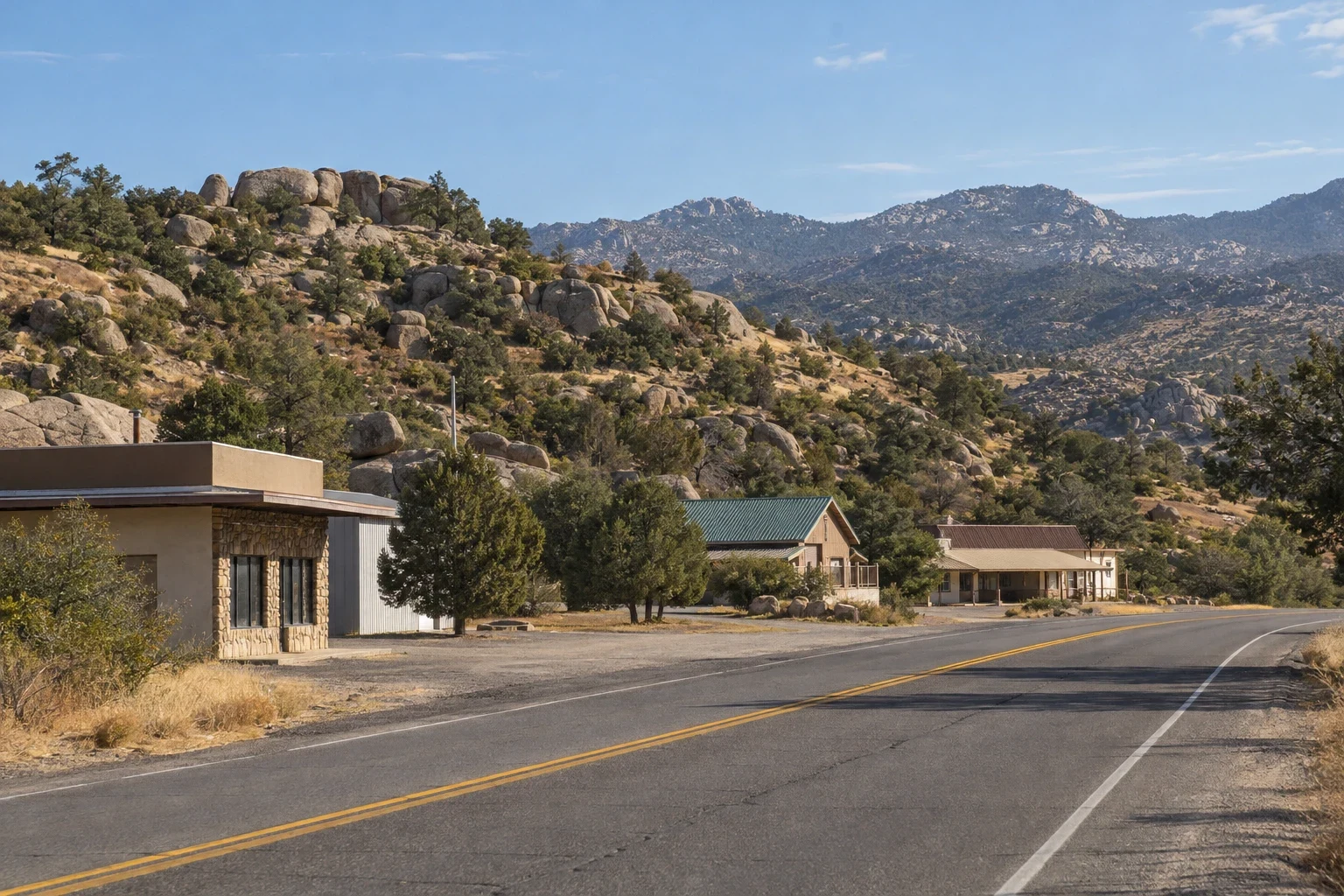
Commercial Roofing Questions
None is. A rated assembly is tested against burning material landing on it, and a clean, tight roof does better than a cluttered one. Valleys, parapets and equipment areas get cleared of debris, and gaps at the edges get closed. The sheet says what your roof is made of and what a rating would require, with photographs of the cut layers, so you can take it to your insurer and your designer.
Blisters, pitting, warped metal, clogged drains and ash. Water used to fight fire can soak insulation, so a professional walk with a moisture scan is worth having. Dated photographs support an insurance review and sit in one file.
Edges and corners take the most uplift. Fastening, edge metal and coping get checked, and loose parts are tightened or replaced. A post-storm walk each season shows which details move, and they are repaired before a gust finds them.
It can. Delivery size, crane access and crew travel time all affect price. The approach is walked and a delivery plan is written before pricing. Grouping repairs into one visit means the haul is made once.
Every finding sits on the roof plan with its photograph, rank and tiered price, and the drains, penetrations and equipment are listed beside them. Keep it with your insurance papers so a claim has a clean record behind it. It is updated at each visit, so the file shows the roof over time and not just on one day.