Cool Roof Installation in Prescott Valley, AZ
Reflective cool roof systems for Prescott Valley, AZ commercial buildings: what a white surface does at 5,100 feet, where it pays and where to wait.
Put a hand on a dark roof at 2 p.m. in July and you learn the whole case for a cool roof. The surface is far hotter than the air. That heat soaks into the insulation and then into the rooftop units that fight it. A white, reflective surface sends much of that sun back out. In Prescott Valley, AZ the question is a little different from Phoenix, because the town sits near 5,100 feet and has real winters. So we do not start with the product. We start with the building, the roof and what we find when we walk it.
What a cool roof is
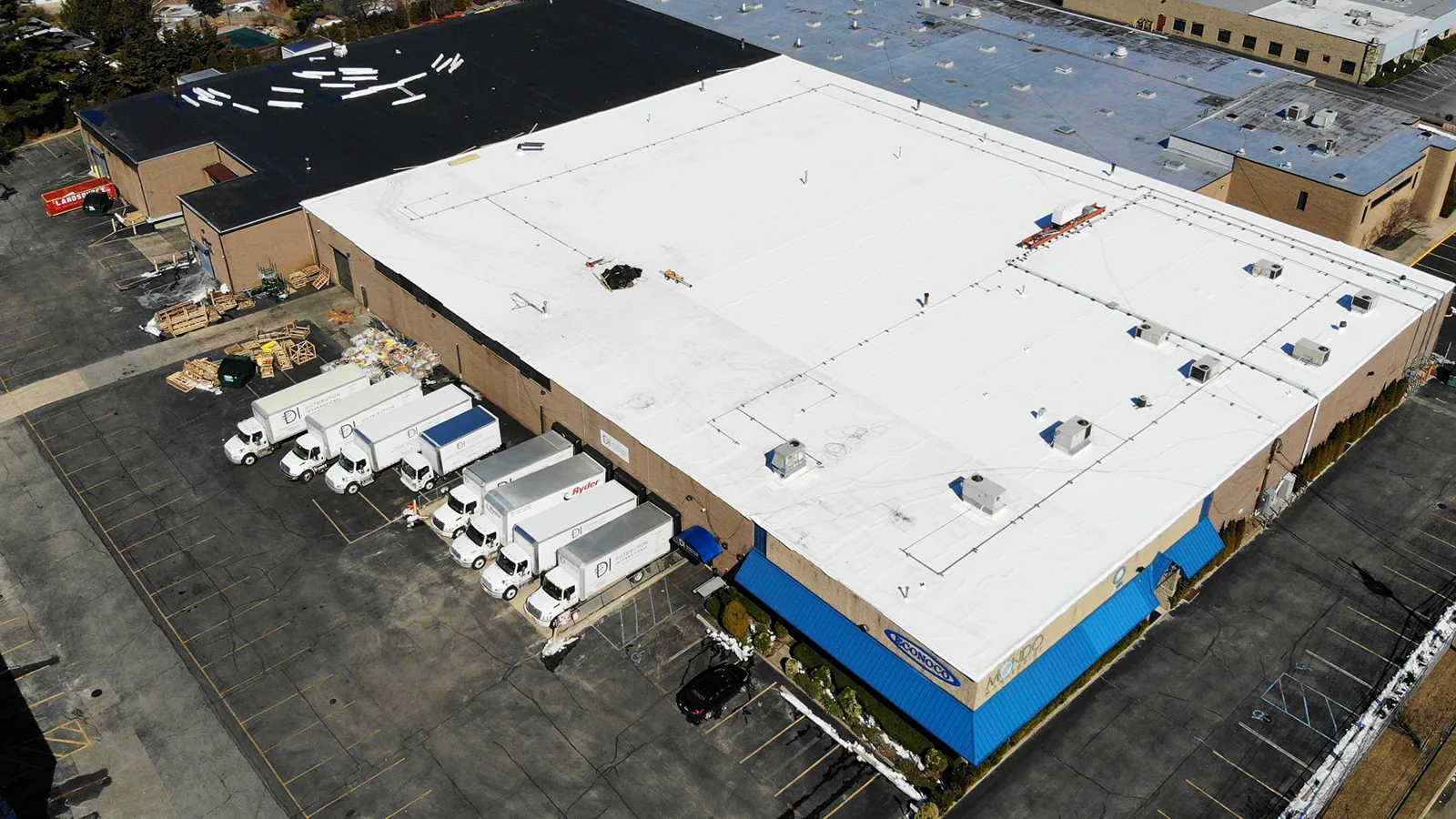
A cool roof is any low-slope roof with a surface that reflects sunlight and sheds heat. Most are white. A white single-ply membrane such as TPO or PVC is one route. A reflective coating over a sound existing roof is another. A light-colored metal panel finish is a third. The surface matters, not the label. A white roof that is caked with dust and pine pollen reflects far less than a clean one.
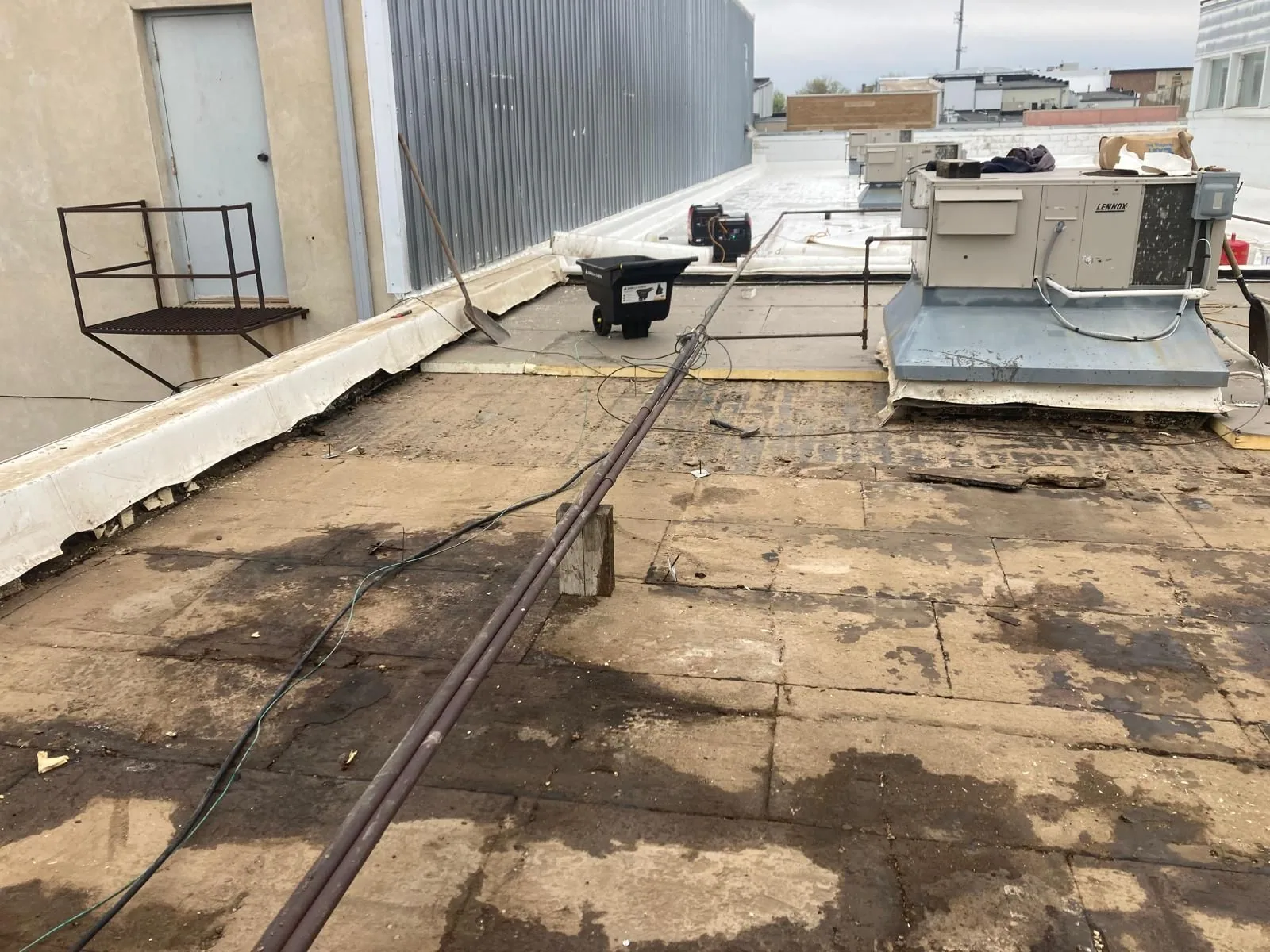
We read the surface the way an inspector does. What is it today? How dirty is it? How much of it is bonded and sound? Those answers decide whether a new membrane, a coating or nothing at all is the right move.
What thermal swing does
The daily temperature swing near Prescott averages almost thirty degrees. A dark membrane in afternoon sun runs much hotter than that air and then drops fast after sunset. Every cycle stretches and relaxes the seams and flashings. A cooler surface narrows the swing the membrane itself feels. That is a quiet benefit. It does not show up on a utility bill. It shows up years later as seams that stayed closed.
We mark it in the findings, not in a promise. When we walk a dark roof with open laps and crazed flashings, we note the heat load as a likely cause, and we show it with photos.
What winter takes back
Here is the part brochures skip. Freezing mornings run from late October through about May 1. In cold months a dark roof picks up a little free heat, and a white one does not. At 5,100 feet that matters more than it does in the low desert. So a cool roof is not an automatic win in Prescott Valley. It wins where summer cooling load is large and where the building runs air conditioning for most of the year.
Warehouses with little cooling see a smaller payback. Retail and office buildings with packed rooftop units see a larger one. We tell you which case you are in. Then you decide with the numbers in front of you.
Insulation changes the math. A roof with thin or wet insulation loses much of any cool-roof benefit, because heat still moves through the deck. So the core cuts come first. If the insulation is thin, adding a layer during the same job is often cheaper than doing it later. The insulation and cover board choice is part of the cool roof plan, not an extra.
Where it pays in town
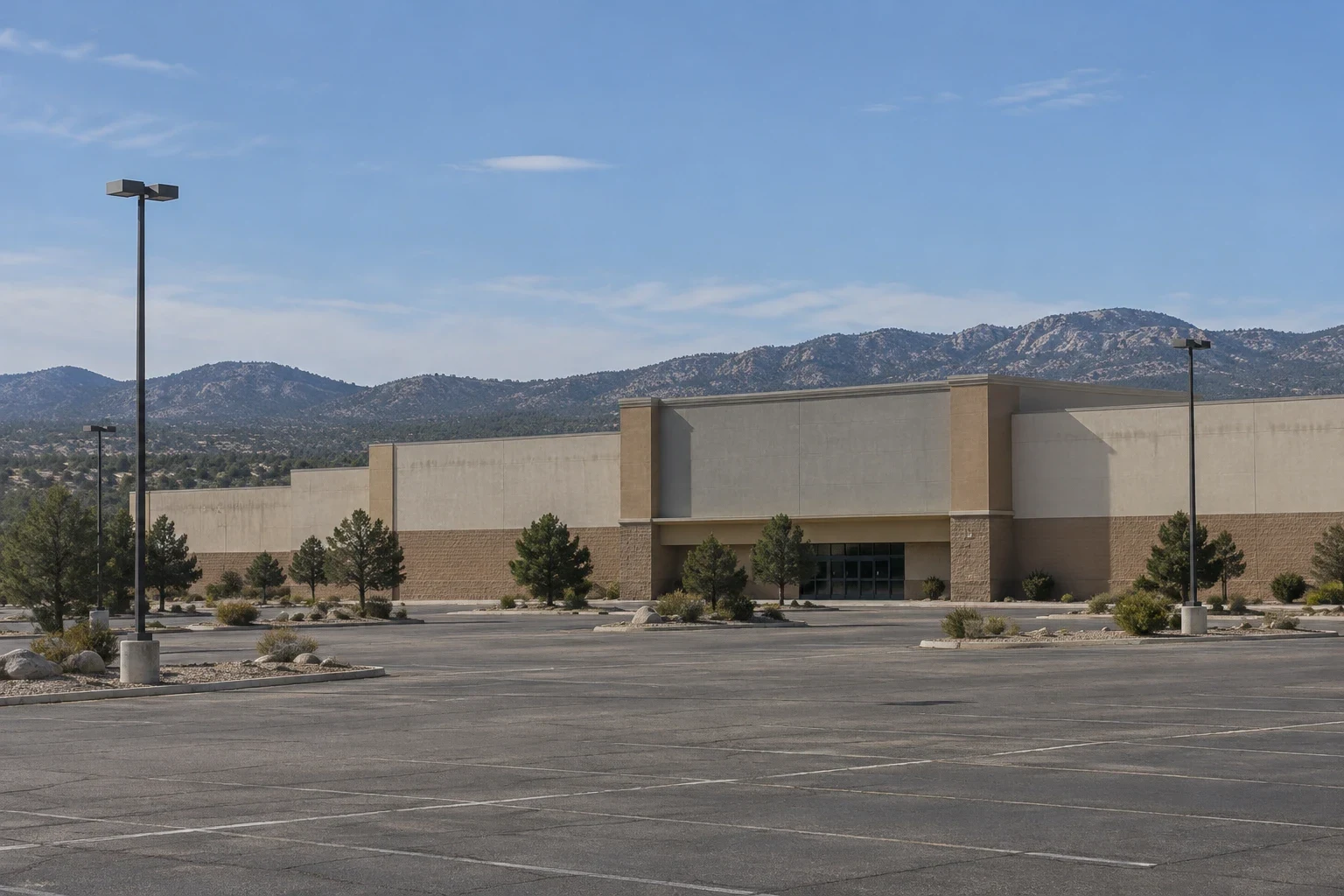
Big roofs with many rooftop units pay best. Look at the retail power centers on SR 69 and Glassford Hill Road. Look at the assembly and theater roofs in the Entertainment District, where the Prescott Valley Event Center seats 6,000 and crowds raise the cooling load on show nights. Look at the medical buildings near Yavapai Regional Medical Center East Campus, where conditioned air is a constant need. A big-box roof with a large cooling plant sits at the top of the list.
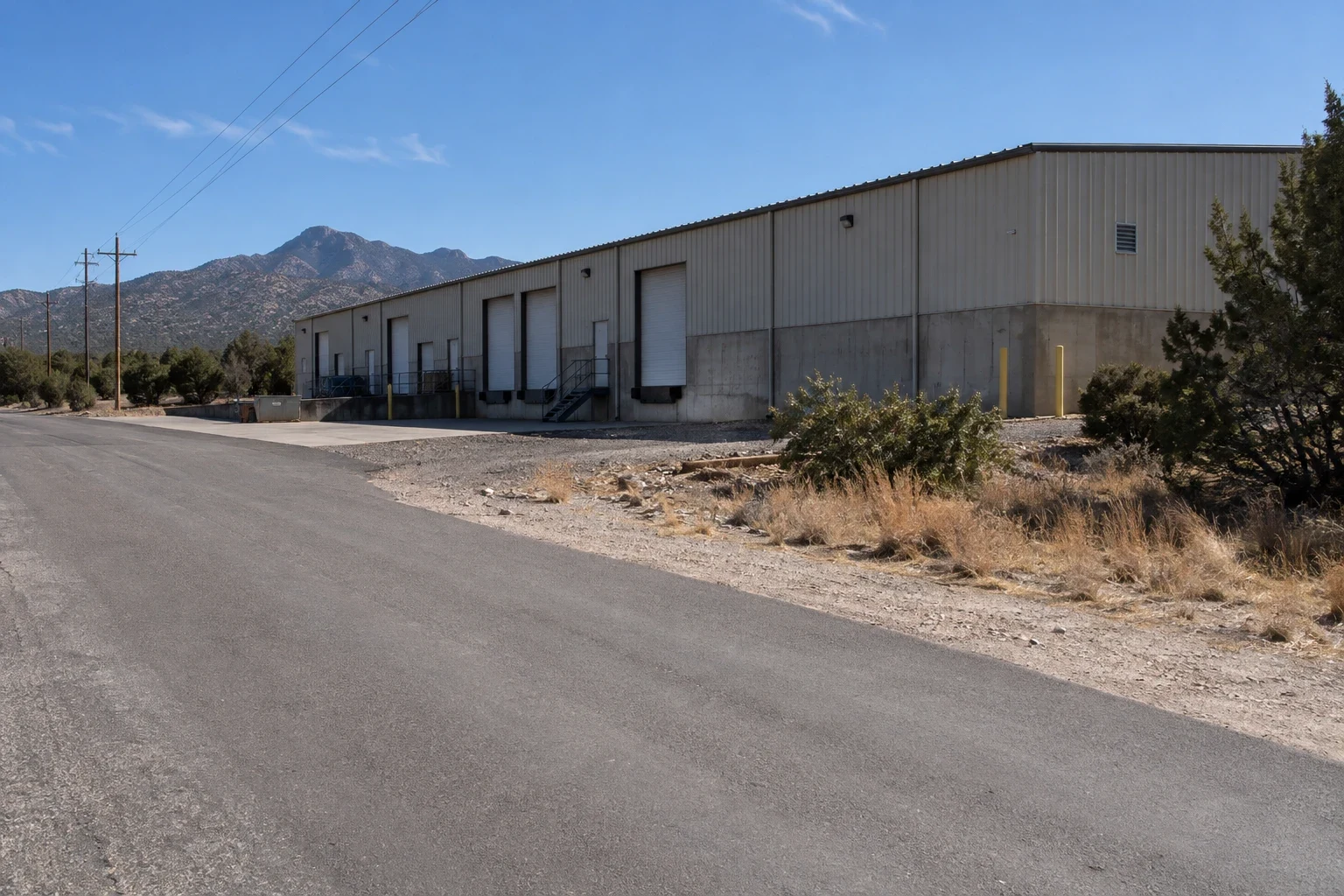
The east side along Fain Road is different. A window maker and a hardware distribution center operate in that area. Whether cooling is a big line for such buildings depends on the building, so we ask what is under the roof before we recommend a surface. Each building gets its own read, and the Entertainment District, SR 69 and Fain Road roofs rarely land on the same answer.
How we install it
On a roof with sound insulation, a white TPO membrane over a cover board is the usual choice. We probe the old seams first. We take core cuts to see if the insulation is dry. On a roof that is still in fair shape, a reflective coating restoration can cost far less than a tear-off. Both options need a clean, dry surface and dry weather, so we schedule around the July to September monsoon and the first hard freeze. A coating that cures in a cold morning can fail to bond, so we watch the overnight low as closely as the daytime high. The best windows are usually late spring and early fall.
Other roof types take a cool surface too. A light-colored standing seam metal roof sheds heat well, and a white silicone coating suits a low-slope roof that holds a little water after a monsoon cell. We match the surface to the ponding line we find, not to a catalog.
Every step gets a dated inspection photo. When we finish, you receive the system data and the surface readings in one file.
What to ask for in writing
Ask for the reflectance value of the finished surface, the warranty terms for the membrane or coating and the cleaning interval that keeps the surface working. Ask what the roof will be like in a freeze, because some coatings are slick when frosted. We put these items on the findings sheet, with the photos, so the facility director has them in hand before any bid is signed.
Commercial Roofing Questions
Will a cool roof raise my winter heating bill in Prescott Valley?
It can, by a small amount, because a white roof gives up some free winter heat. The effect is smaller on buildings that run cooling most of the year and larger on buildings that rarely cool. We recommend a cool surface where rooftop units run hard from May to September, and we say plainly when a building will not gain enough to justify the cost.
Can I coat my existing roof white instead of replacing it?
Often yes, if the roof is sound. We cut cores to confirm the insulation is dry and probe the seams. Coating over wet insulation traps water and fails. When the cores come back dry and the seams are tight, coating is the cheaper path, and we show you the photos that support the choice.
How long does a white surface stay white?
Dust, pollen and monsoon runoff dull it. A yearly wash after the monsoon season keeps most of the reflectance. We record the surface condition in the inspection photos each visit, so you can see the drift and decide when a wash or a recoat is worth the money.
Does hail damage a reflective coating?
Pea-sized hail like the July 20, 2026 storm usually leaves the surface alone, but larger stones can bruise a coating or a membrane. After any hail event, we walk the roof, look for bruises and seam damage and photograph them. That record also supports an insurance claim.
Do cool roofs qualify for incentives?
Some programs exist for reflective roofs, but terms change. We provide the product data and the installed surface readings that most programs require, and you or your tax advisor can check current terms before you commit.
Request a walk-through
Ask us to walk the roof with you. You receive a written findings sheet with photos and surface readings before any cool roof option is priced. Then you decide whether white pays on your building.
Request a Roof Assessment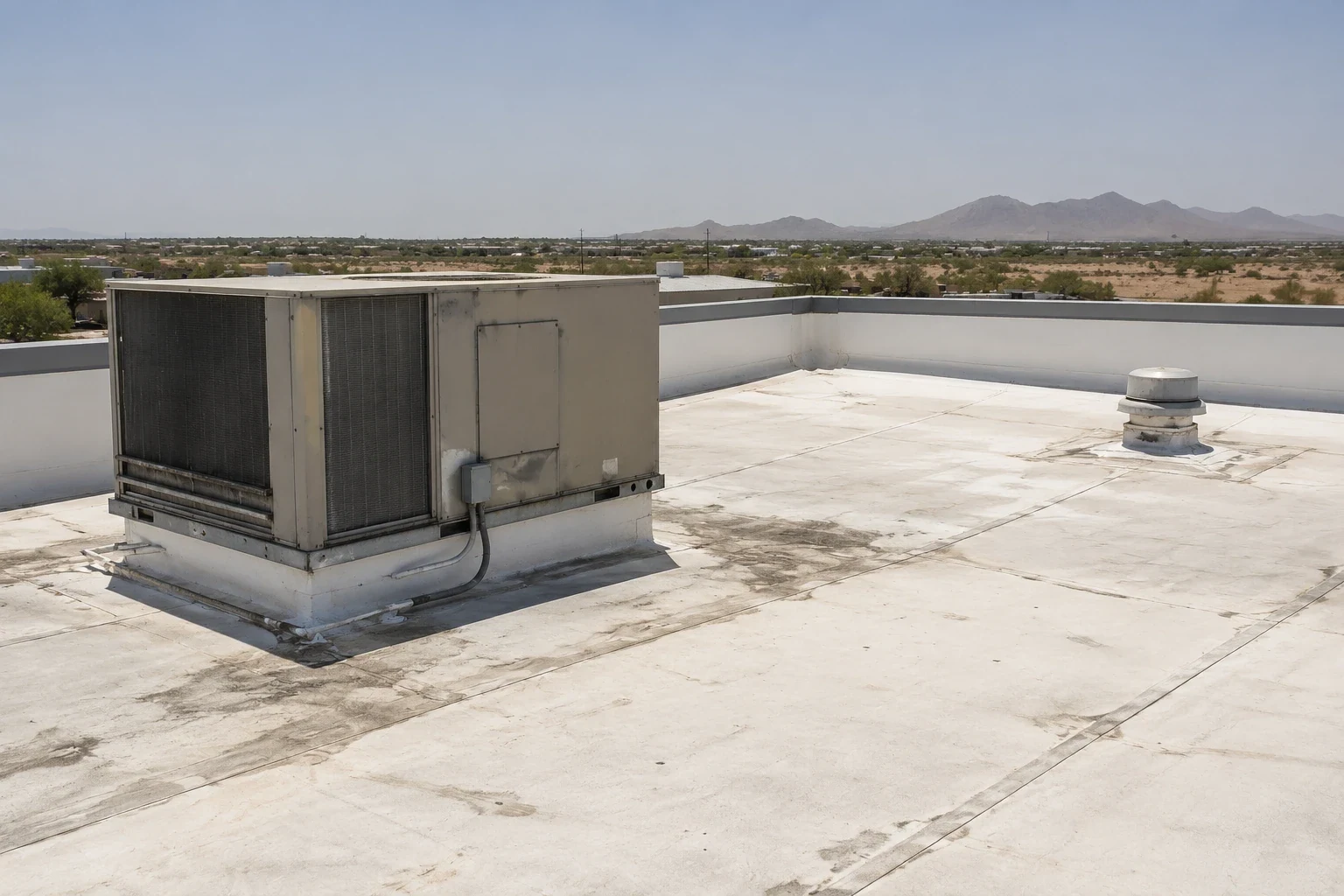
Commercial Roofing Questions
It can, by a small amount, because a white roof gives up some free winter heat. The effect is smaller on buildings that run cooling most of the year and larger on buildings that rarely cool. We recommend a cool surface where rooftop units run hard from May to September, and we say plainly when a building will not gain enough to justify the cost.
Often yes, if the roof is sound. We cut cores to confirm the insulation is dry and probe the seams. Coating over wet insulation traps water and fails. When the cores come back dry and the seams are tight, coating is the cheaper path, and we show you the photos that support the choice.
Dust, pollen and monsoon runoff dull it. A yearly wash after the monsoon season keeps most of the reflectance. We record the surface condition in the inspection photos each visit, so you can see the drift and decide when a wash or a recoat is worth the money.
Pea-sized hail like the July 20, 2026 storm usually leaves the surface alone, but larger stones can bruise a coating or a membrane. After any hail event, we walk the roof, look for bruises and seam damage and photograph them. That record also supports an insurance claim.
Some programs exist for reflective roofs, but terms change. We provide the product data and the installed surface readings that most programs require, and you or your tax advisor can check current terms before you commit.