Holcim Elevate Roofing Systems in Prescott Valley, AZ
Inspection and repair of Holcim Elevate (formerly Firestone Building Products) commercial roofs in Prescott Valley, AZ, with written findings and photos.
Old paperwork may carry an old name. Check the warranty folder for the words Firestone Building Products. Holcim Elevate is the name that replaced it. The roof underneath did not change. Holcim Elevate supplies commercial low-slope roofing: single-ply membranes, insulation and metal and accessory components. If your Prescott Valley, AZ, building carries one of those systems, the first step is to confirm what is on the roof.
We install, repair and maintain these systems. We walk the roof, take cores where the evidence points and photograph every finding. Then we write a plain sheet that records both company names if both appear in your files.
Two names, one roof
Paperwork trails get messy. A warranty from one year may carry the old name. A repair letter from another year may carry the new one. A buyer may hold neither. We read what is there and write down what is missing, item by item, with dates.
If the files are thin, we start from the roof. A core cut and the stencils on the sheet usually identify the system. We note the date we confirmed it. The warranty management record then lists what is known, what is not and what the owner should ask the maker to confirm in writing. That list helps in a sale or a refinance. A buyer's inspector will ask for it. A lender may ask for it too. Having the list ready on paper shortens the questions that come back after the first site visit, whether the building sits near Big Sky Business Park or in downtown Prescott, and it shows that the roof has been looked at by someone who wrote down what they saw.
What the range includes
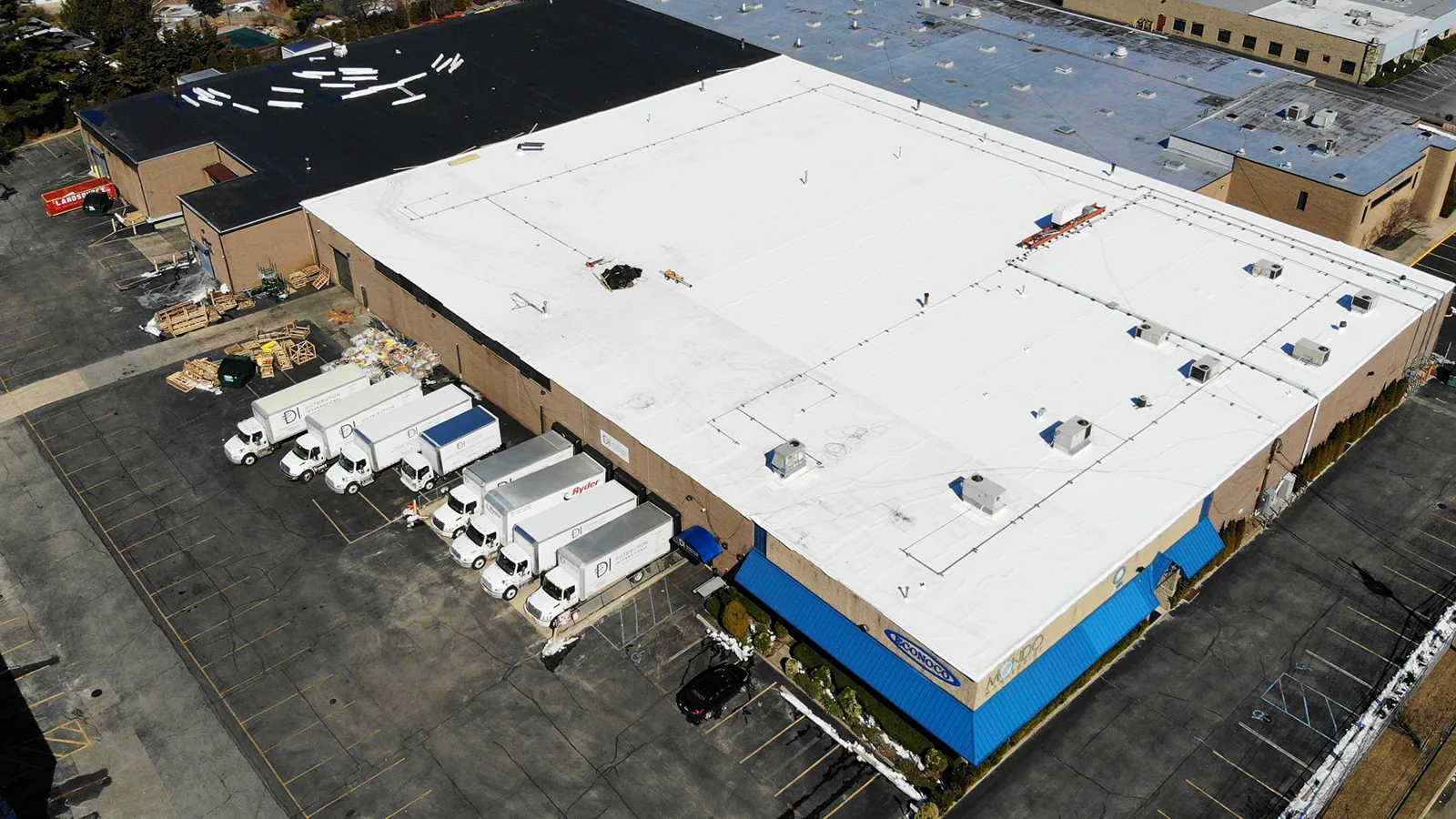
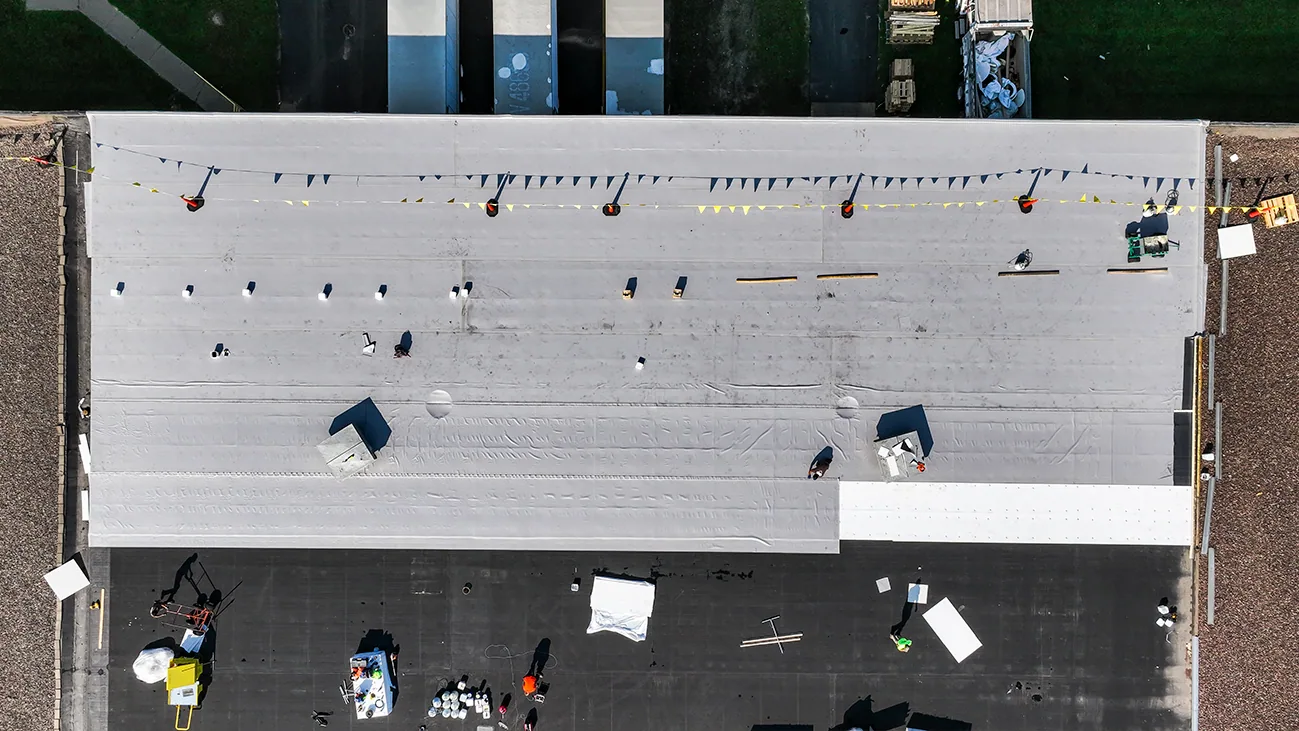
The commercial range centers on single-ply sheets such as TPO, EPDM and PVC, the same families a Carlisle SynTec roof would show. It pairs them with polyisocyanurate insulation and cover boards. It also includes metal roofing components and edge details.
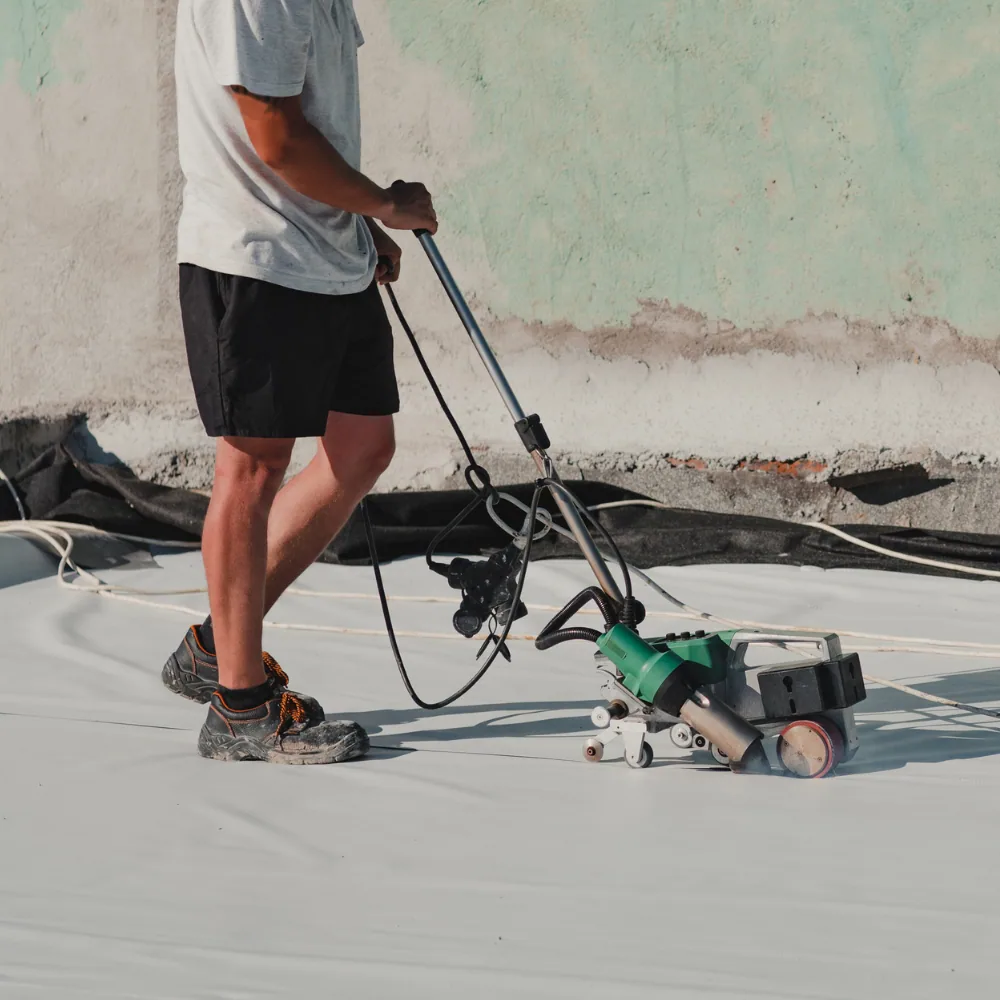
Each sheet type has its own seam method. TPO welds. EPDM uses tape or adhesive. PVC welds and tolerates oils. We name the sheet on the first page of the findings sheet. We also name the attachment. That tells us how a good seam should respond to a probe and which repair materials fit. Edge metal and sealants are separate items. They can outlast a sheet or fail well before it. We price them apart, so the owner can replace the part that failed and not the whole assembly. Each one gets a photo and a location on the plan.
Large spans and public crowds
In the downtown Entertainment District, the Prescott Valley Event Center holds 6,000 seats and sees an estimated 75,000 guests a year, a good number from out of town. A leak over public assembly space costs event dates. The district also holds restaurants, a multi-screen theater and retail, so large-span and low-slope roofs sit side by side.
Each roof there is walked and recorded. For the Entertainment District, our plan starts with drains, penetrations and edge metal. Then we agree on work windows with the facility director, so crews stay away from event days and loading times, much as a plan for retail on Glassford Hill Road would avoid peak shopping hours. Tall volumes and long spans change the work. Lifts need clear ground, and the roof edge may sit high above the street. We ask early about crane access, setback and the hours when public walkways must stay open. Those answers go into the schedule before a start date is set.
What monsoon and freeze do
The wettest months are July and August. Short cells bring gust fronts, hard rain and pea-sized hail. On July 20, 2026, one such storm knocked down traffic signals and trees across Prescott Valley.
Cold follows. Around Prescott, freezing mornings last from about October 21 to May 1, and the day-night swing nears 30 degrees. A single-ply sheet takes both. We probe seams after the monsoon and again before the first freeze. We clear drain screens, check edge metal and look at the flashings at every wall. A gap that opens in September is cheap to close. The same gap in January is a leak. Hail needs one more line. Pea-sized stones rarely harm a sound sheet, but we still look for marks after a storm, and we cut a small core where a mark looks deep. That plug shows how far the damage goes. A regional storm tells us the weather, not the condition of your roof.
How we repair a seam or flashing
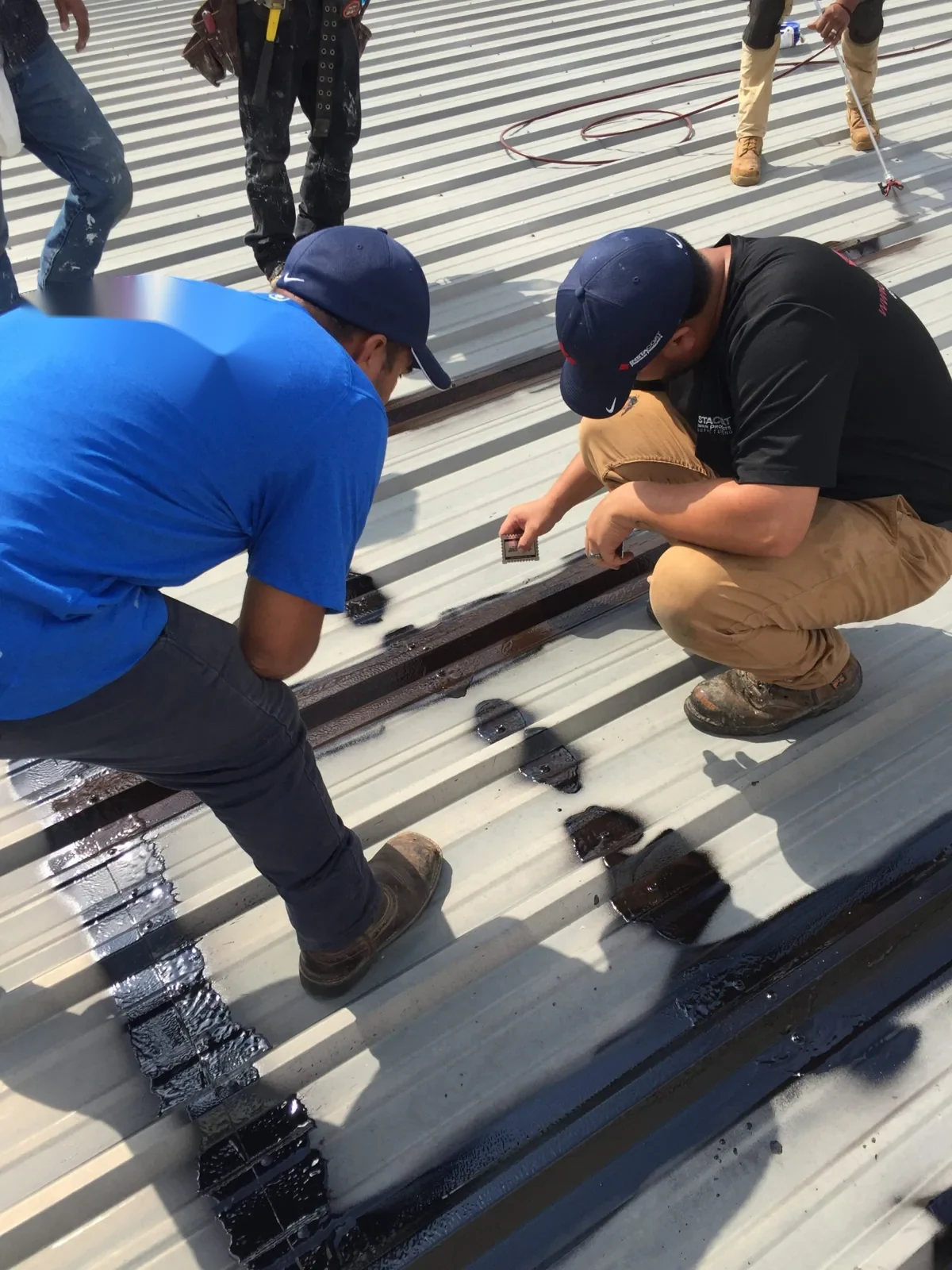
We find the failure and clean the area. Then we repair with a compatible material. On a welded sheet, that means a weld-on patch or cover strip. On a taped or adhered sheet, it means rebuilding the splice, and flashings get fresh terminations wherever the old ones have pulled away.
Each repair is photographed and logged by location. If the same spot fails twice, we look below the sheet. Ponding, movement and wet insulation cause repeat failures. A flashing failure that returns usually needs a rebuild and not another patch. The rebuild replaces the old termination, checks the wall behind it and sets new fasteners and sealant. We log the date, so the next walk checks that spot first. A repair with a date is easier to follow than a repair with a story, and it tells the next crew exactly where to begin looking when the same wall is walked again after the next freeze.
Schools and mixed portfolios
Humboldt Unified School District is among the town's largest employers. School roofs follow a calendar, with summer breaks as the main window. A district with several buildings benefits from a ranked list and phased work. A multi-site roof program sorts buildings by remaining service. It sets one report format for every roof.
The same format reads across makers. A Duro-Last roof and a Holcim Elevate roof sit in the same table. The board sees which building is next. For a district, the summer break is the main work window. We plan sections so each is dried in before the crew leaves, and we agree on access routes with the facility director before the first day.
Commercial Roofing Questions
Is Holcim Elevate the same company as Firestone Building Products?
Holcim Elevate is the name that replaced Firestone Building Products. The roof is the same. Older papers may carry either name, so we record both on the findings sheet.
What if the warranty paperwork is missing?
We identify the system from the roof, using stencils and a core cut. We list what we confirmed and what the owner should ask the maker to verify in writing.
How do you protect an event venue's schedule?
We agree on work windows with the facility director and plan around events, loading times and public entrances. Work goes in sections so no more roof is open than the crew can close in a day.
Can a leak over an assembly space be stopped quickly?
Yes, with temporary measures. We trace the water path, seal the opening and protect the interior. A permanent repair follows once the cause is clear.
What helps when scheduling a walk?
Send the building address, any warranty papers under either company name and past reports. We deliver a findings sheet with photos before pricing any repair. Photographs of any stencils or labels on the roof also help identify the system before the walk.
Request a walk-through
Ask for a roof walk and we will confirm what is on the roof, photograph every finding and hand you a written sheet before any repair is priced.
Request a Roof Assessment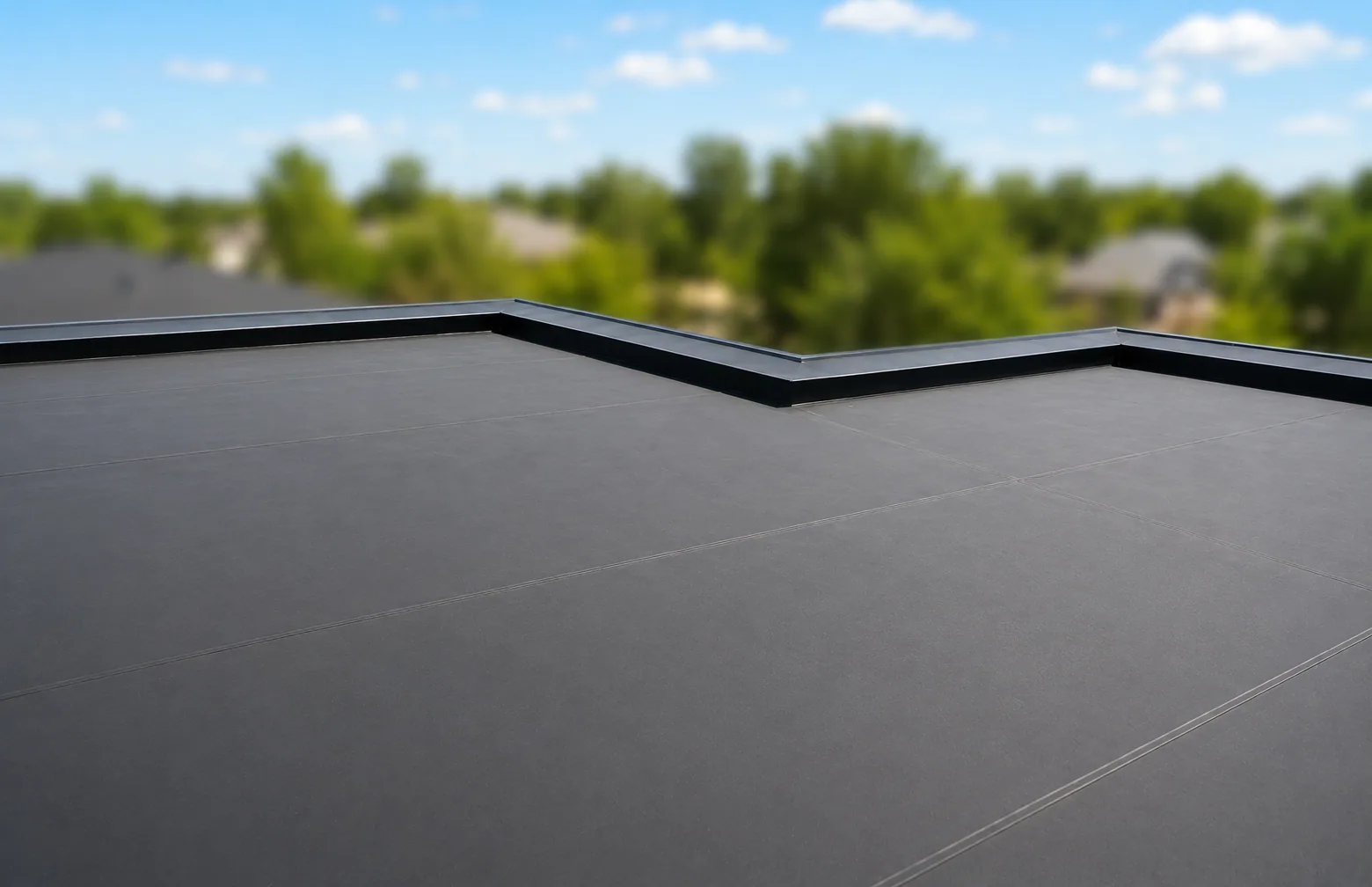
Commercial Roofing Questions
Holcim Elevate is the name that replaced Firestone Building Products. The roof is the same. Older papers may carry either name, so we record both on the findings sheet.
We identify the system from the roof, using stencils and a core cut. We list what we confirmed and what the owner should ask the maker to verify in writing.
We agree on work windows with the facility director and plan around events, loading times and public entrances. Work goes in sections so no more roof is open than the crew can close in a day.
Yes, with temporary measures. We trace the water path, seal the opening and protect the interior. A permanent repair follows once the cause is clear.
Send the building address, any warranty papers under either company name and past reports. We deliver a findings sheet with photos before pricing any repair. Photographs of any stencils or labels on the roof also help identify the system before the walk.