Church and House of Worship Roofing in Prescott Valley, AZ
Roof inspection, leak repair and replacement for churches and houses of worship in Prescott Valley, AZ, with written findings a board or committee can review.
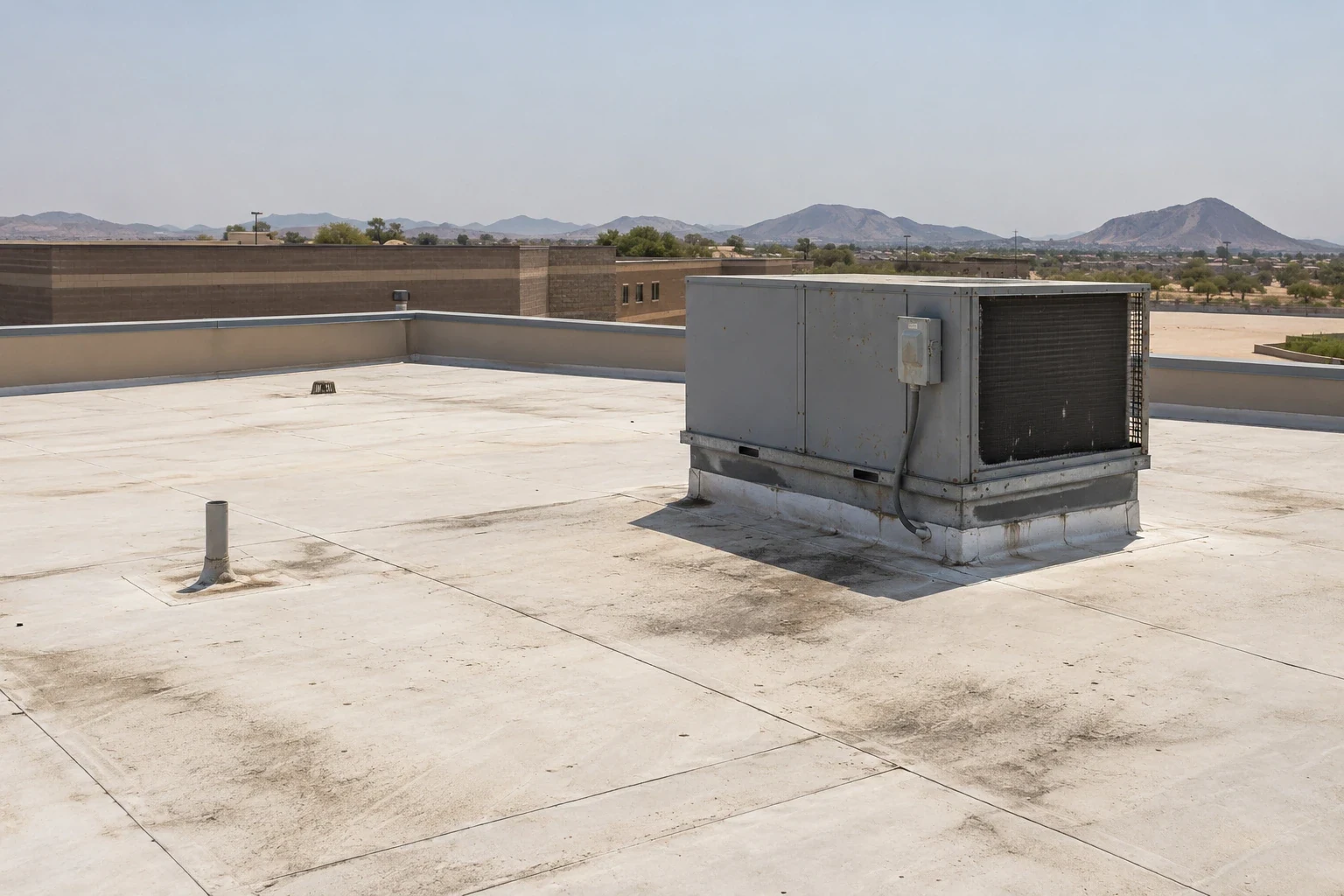
Look up from the back pew after a monsoon cell. A pale ring on the sanctuary ceiling means water has been here before. It may have dried. It may come back. We walk the roof in Prescott Valley, AZ, find the path the water took and photograph what we see. A church roof is rarely one roof. It is a steep sanctuary, a flat fellowship hall, a bell tower, a covered entry and a few additions. Each part ages in its own way.
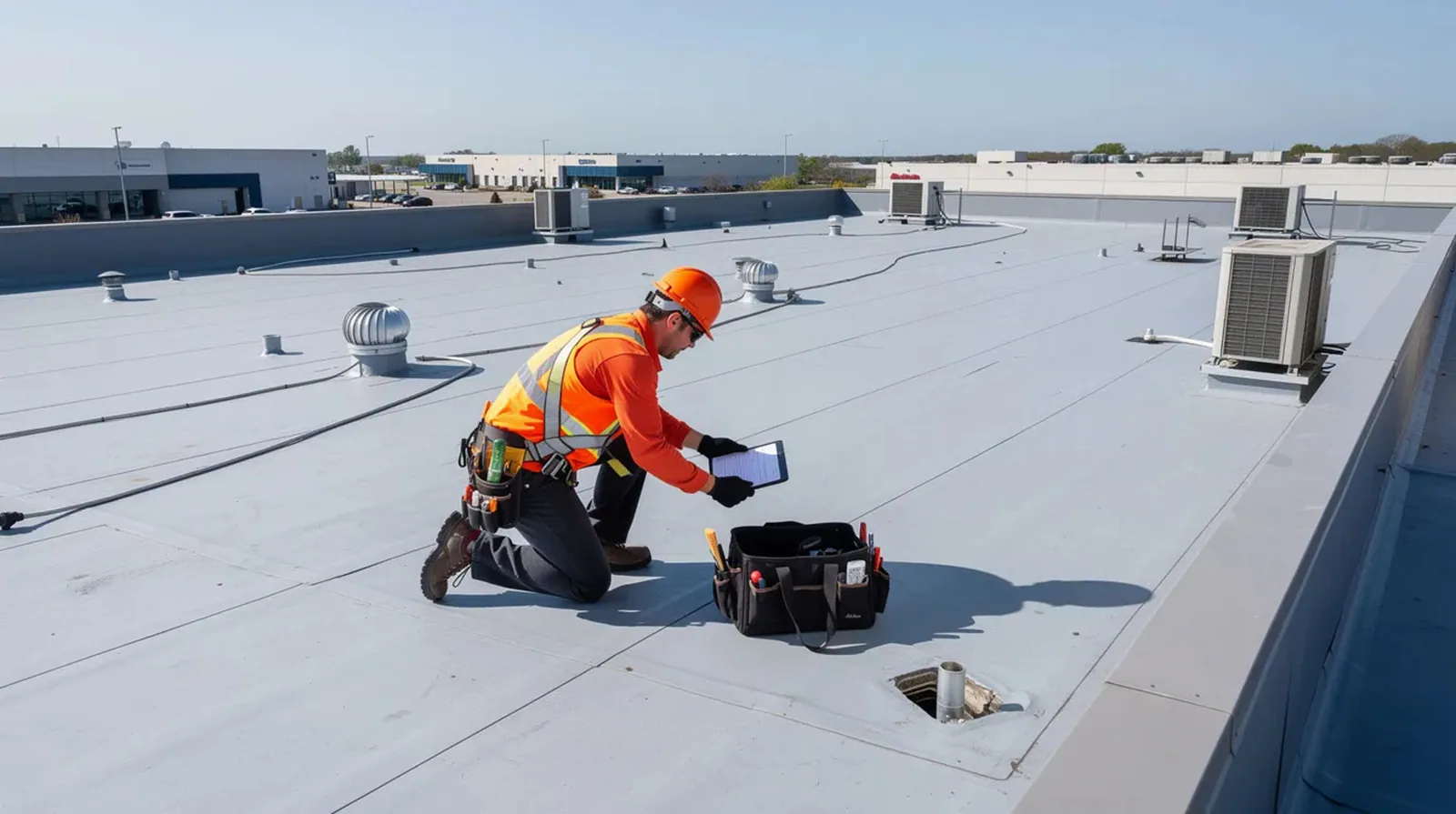
You get a written findings sheet with photos before anyone prices a repair. A board or building committee can read it, and a treasurer can use it.
What we find
A sanctuary roof is often the steepest. It sheds water well, but its flashings work hard. A valley, a chimney, a bell tower base and a cross mount each give water a way in. We check every one.
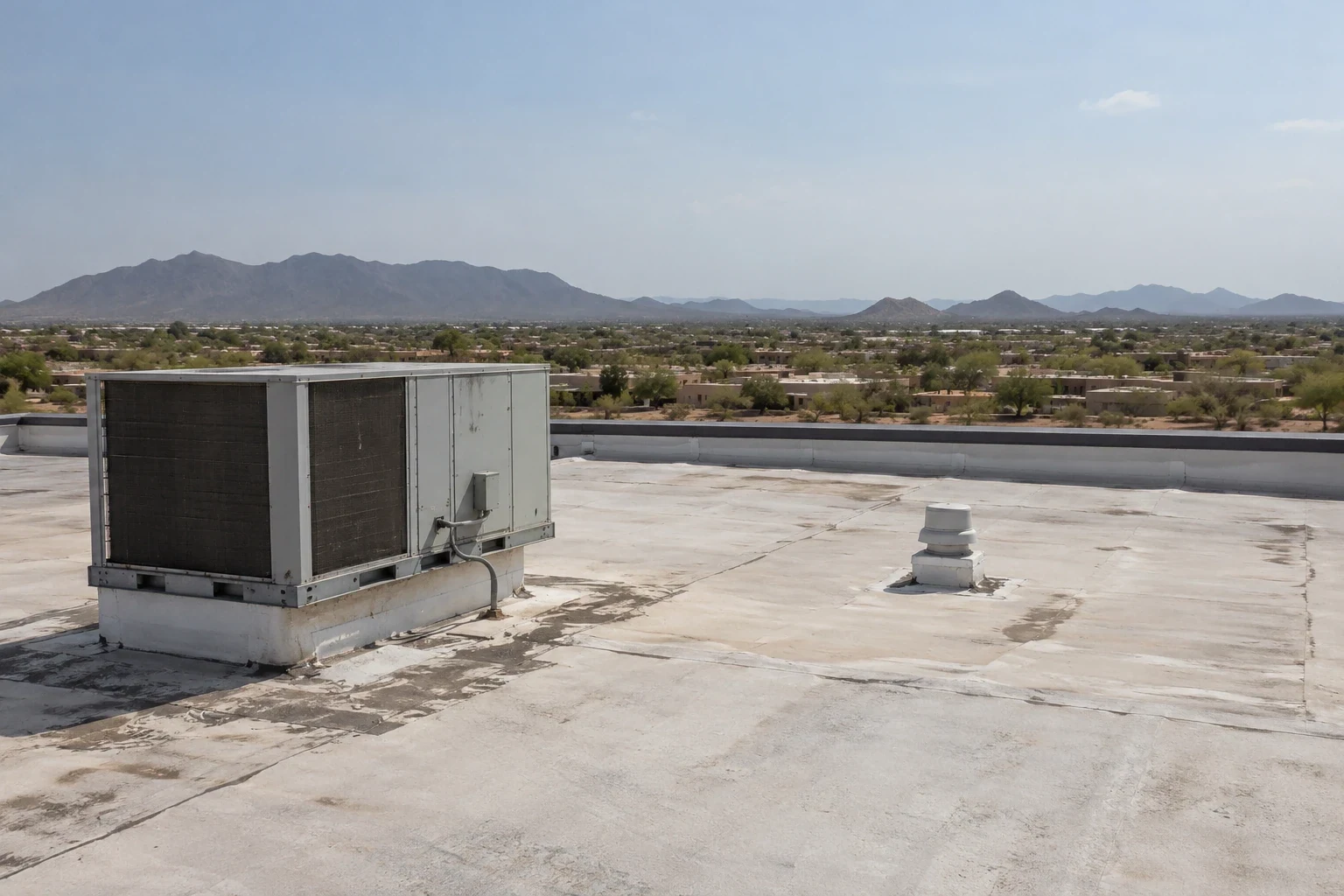
The fellowship hall, classroom wing or office is often a low-slope roof. That is where drains packed with gravel and leaves, a ponding line that shows where the deck dips, and seams that have opened a hair tend to turn up.
Additions are the third place to look. A church grows. A hall is added to the side. A porch is added to the front. The place where new roof meets old wall is a joint that needs flashing and a clean seal. Those joints are a classic weak point on a church that has grown.
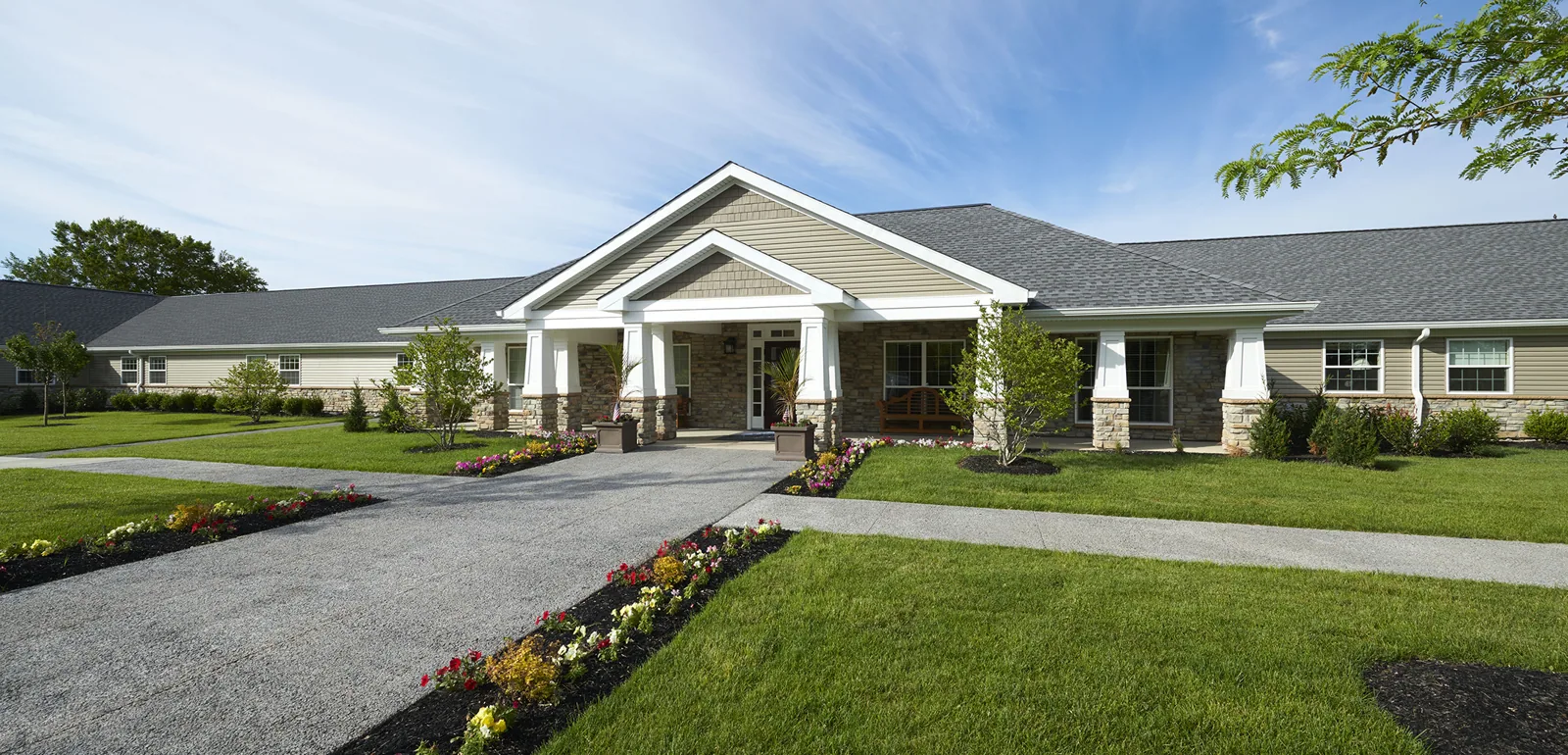
A congregation that runs a school or day program on site inherits school roof concerns, such as summer work windows and fenced yards. A campus with a care ministry or senior housing adds the concerns of senior living roofing.
What monsoon and freeze do
At 5,100 feet, Prescott Valley receives about 15 inches of precipitation in a year, with July and August the wettest. A monsoon cell can bring rain, gusts and hail in one pass, and the July 20, 2026 storm dropped pea-sized hail while signals and trees came down.
Hail that small does not punch through a roof. It bruises soft surfaces, and a bruise shows up later. Freezing mornings run from about October 21 through May 1, and daily swings reach nearly thirty degrees. A bruised spot takes in water at noon and freezes at dawn. After a few winters, it becomes a leak.
Wind matters too. Glassford Hill rises to 6,177 feet above town, and buildings nearby can see ridge-top gusts. A loose cap or lifted edge on a tall sanctuary roof is easy to miss from the ground.
Gutters carry more of the load than they look like they do. Leaves, grit and hail pack them in fall. Snow melts in the afternoon and refreezes at night, and the ice can lift a gutter off the fascia. We check the slope, the hangers and the outlets, and we note which downspouts drain onto a walkway where ice will form.
How to check it yourself
A volunteer can do a lot without climbing. Walk the grounds after a storm. Look for shingles, granules or pieces of metal on the ground. Look at the downspouts. Water should leave them at the base, not stain the wall.
Inside, check the ceilings at the corners and along the outside walls. Look for rings, bubbles in paint and damp insulation in attic hatches. Take a dated photo each time. A folder of photos is the start of a roof record.
Do not climb a wet or icy roof. A fall is a worse outcome than a leak. Call us for a commercial roof inspection, and we will bring the safety gear. For a tall steeple or hard-to-reach section, a drone roof inspection shows the surface without anyone on a ladder.
What to repair now, and what can wait
Repair now: an open flashing, a missing cap, a drain that is packed solid, a crack near a chimney. These let water in today and worsen with the next storm.
Repair soon: a brittle pipe boot, dried sealant, a gutter pulling loose. These are cheap if done in a dry week.
Can wait: surface wear on a sound roof, cosmetic staining and small blisters that have not cracked. We list these with a note on when to look again.
Churches work on a budget cycle. A church often answers to a board, a committee or a denomination office. So the sheet separates the items by urgency and gives a price for each. A committee can approve the first list this month and plan the second list for next year. For the long term, a preventive maintenance visit each spring and fall keeps the first list short. Edge metal and gutters are often the cheapest upgrade with the biggest payoff.
What to ask for in writing
Ask for the findings sheet with photos and a roof plan. Ask for prices on each item, not one total. Ask what the work does to any existing warranty. Ask who will be on site and when.
Ask about the calendar. A church has a rhythm. Sunday services, midweek groups, weddings, funerals and holiday events. Roof noise during a service is a problem. So is a tarp in the lobby on Easter. Tell us the dates that matter, and the written plan will work around them.
Ask about materials. A standing seam metal roof suits a steep sanctuary and sheds snow in one slide, so the plan should show where it lands. A low-slope hall may suit a single-ply or modified bitumen system, and the trade-offs are worth weighing roof by roof. A church in downtown Prescott, where older brick and masonry stand, may need profiles that match the historic fabric.
Commercial Roofing Questions
Can a church replace only the flat part and leave the steeple roof alone?
Often yes. The steep sanctuary roof and the low-slope hall are separate systems with separate lives. We price each on its own line, so the board can replace the worse roof first. The one shared concern is the joint where they meet, which gets new flashing in either case.
How do we handle a leak the week before a major service?
Call us. We can usually set a temporary dry-in the same day, such as a sealed patch or a tarp, and we mark the area on the plan. The permanent repair waits until the event is over. You get a written note on how long the temporary fix is expected to hold.
What does a roof inspection cost a small congregation?
The inspection itself is a modest visit, and the findings sheet tells you what is wrong before any repair is priced. If you only need a look after a storm, say so, and we scope the visit to match. Some congregations pair the walk with a spring cleaning of drains and gutters.
Is hail damage worth reporting to insurance?
It can be, when we find bruises in a membrane or dents in metal that match the date of a storm. We photograph the damage, mark it on a plan and give you a dated record. Your insurer decides what to cover. The record helps you ask the question the right way.
Do we need a structural review before a reroof?
Sometimes. If we find a sagging deck, soft wood or signs of moisture in the rafters, we say so in the findings and suggest an engineer look before new roofing goes on.
Request a walk-through
Ask for a walk-through of your church roof. We will send a written findings sheet with photos before we price any repair, and we will plan the work around your services and events.
Request a Roof Assessment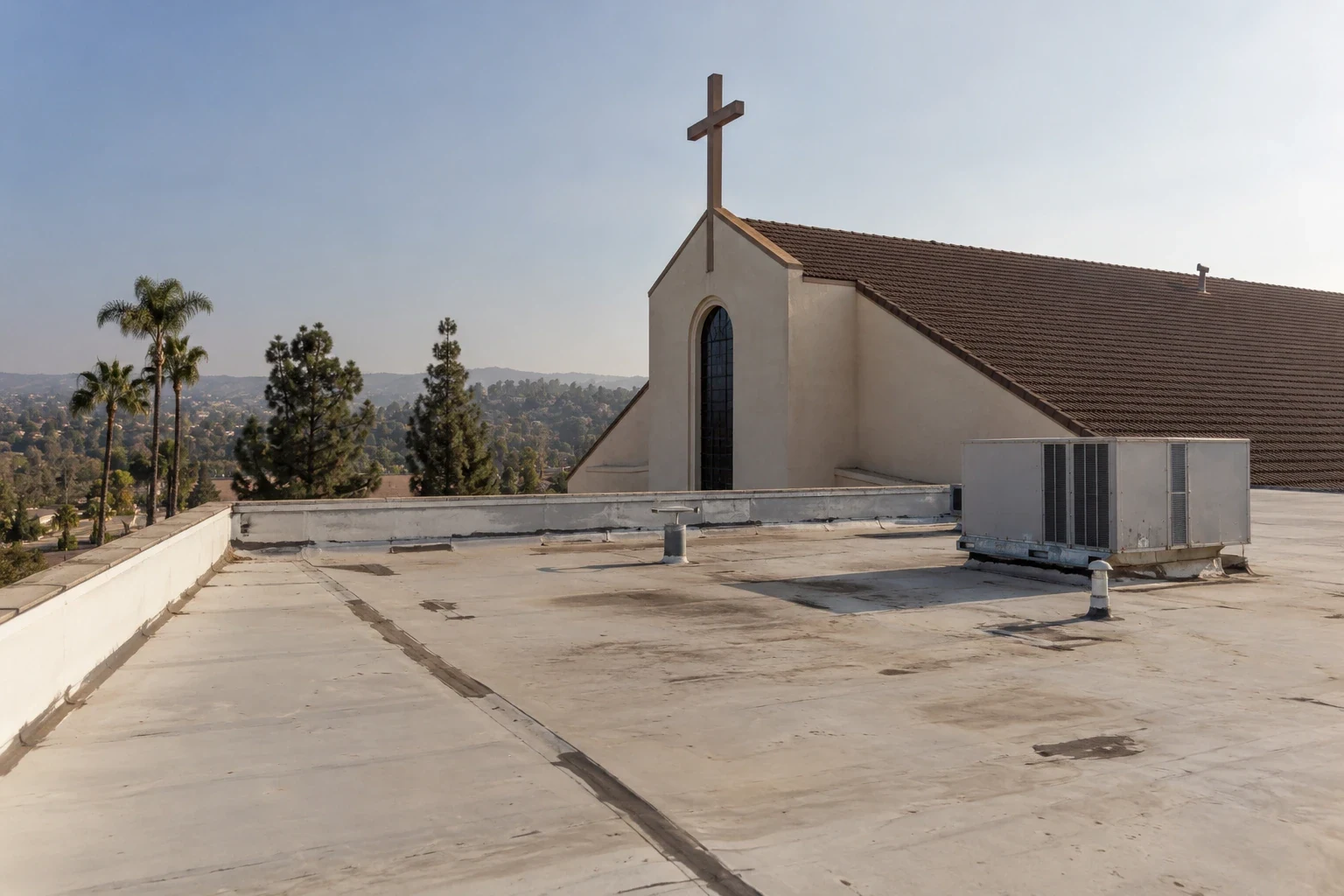
Commercial Roofing Questions
Often yes. The steep sanctuary roof and the low-slope hall are separate systems with separate lives. We price each on its own line, so the board can replace the worse roof first. The one shared concern is the joint where they meet, which gets new flashing in either case.
Call us. We can usually set a temporary dry-in the same day, such as a sealed patch or a tarp, and we mark the area on the plan. The permanent repair waits until the event is over. You get a written note on how long the temporary fix is expected to hold.
The inspection itself is a modest visit, and the findings sheet tells you what is wrong before any repair is priced. If you only need a look after a storm, say so, and we scope the visit to match. Some congregations pair the walk with a spring cleaning of drains and gutters.
It can be, when we find bruises in a membrane or dents in metal that match the date of a storm. We photograph the damage, mark it on a plan and give you a dated record. Your insurer decides what to cover. The record helps you ask the question the right way.
Sometimes. If we find a sagging deck, soft wood or signs of moisture in the rafters, we say so in the findings and suggest an engineer look before new roofing goes on.