Commercial Roofing in Jerome, AZ
Commercial roof inspection, repair and replacement in Jerome, AZ, a historic hillside town where access, movement and preservation rules shape the work.
Check the joint where the roof meets the hill wall. In Jerome, AZ the ground moves, and the roof joint is where it shows. The town is a National Historic Landmark of 464 residents on the steep Black Hills slopes along State Route 89A. Hillside subsidence destroyed dozens of buildings and damaged at least 10 downtown buildings by 1928, so structural movement is a roofing factor here. A roof walk starts at the joints, then reads the seams, and the written sheet reaches the owner before any repair is priced.
Roofs on a moving hill
A building that shifts a hair each year pulls on its roof. Flashings crack where a roof meets a wall that has settled. Sealant opens along a parapet that has leaned. A drain that once ran true can sit high, and water that used to leave now stands.
So we measure what the roof shows. A level and a string line check the slope. Cracks in masonry above the roof line get photographed and dated. If a crack has grown since the last visit, the sheet says so and recommends an engineer's look before anyone adds weight to the roof. Roofing cannot cure a moving wall, but it can keep water out while the owner decides what to do about it.
Flexible details help. A membrane flashing with room to move outlasts a rigid one, and a counterflashing that laps loosely handles shift better than a sealed bead. Rigid sealant alone is the weak choice here.
Tourist buildings, food service and foot traffic
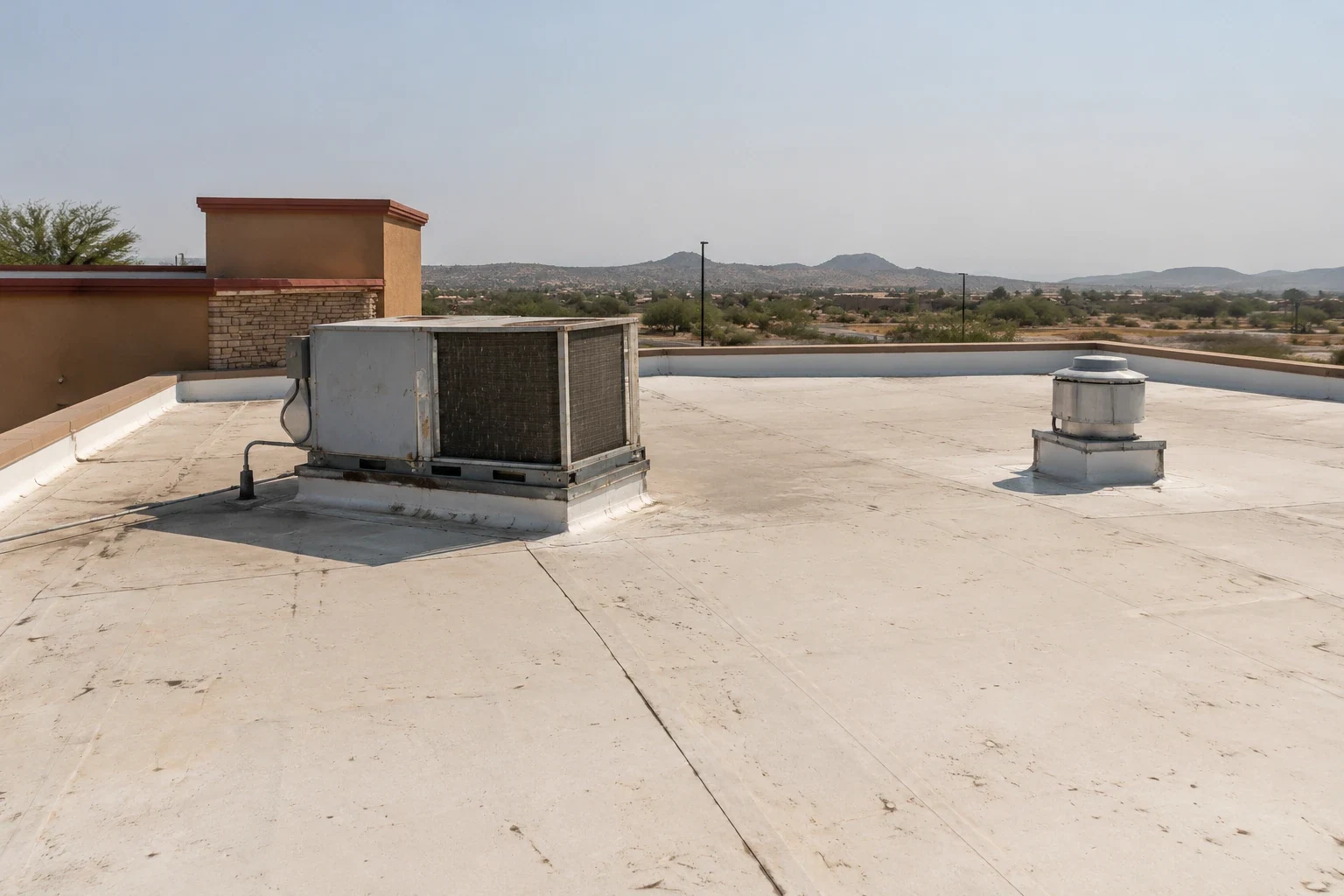
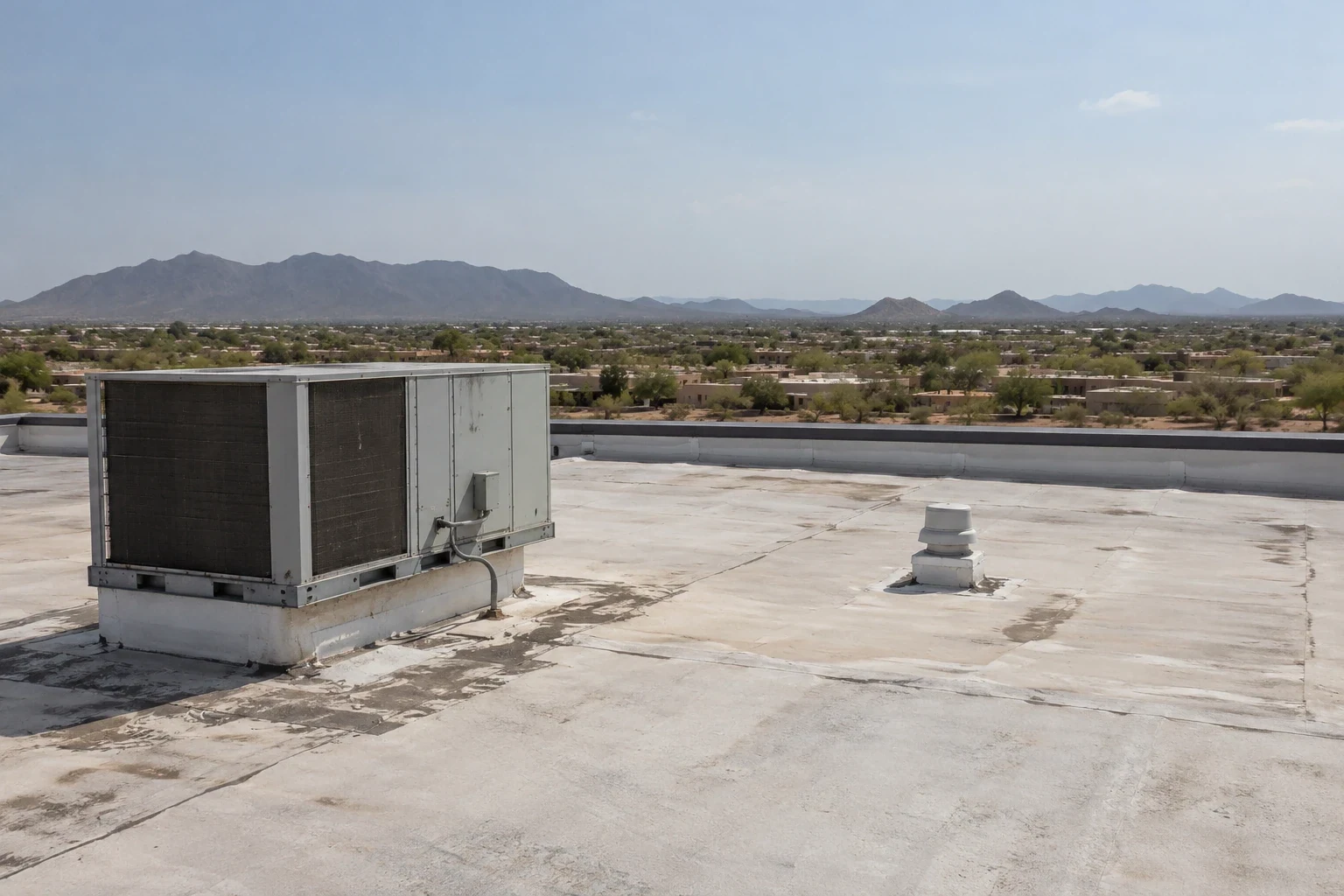
More than half of the people who work in Jerome earn their pay in arts, entertainment, retail, food or recreation, and that puts many commercial roofs over tourist buildings. A restaurant roof carries kitchen exhaust, and grease softens some membranes. A gallery roof may be small and flat behind a historic front. A shop with a rooftop deck sends foot traffic across the sheet.
Each of those gets a different check. Around exhaust fans, the sheet is pressed for softness and the grease tray is looked at. On a deck, walk pads and a drain check come first. On a small flat roof, the parapet cap and the scupper are the story. A restaurant roof raises the grease question in full, and the same habits apply to a kitchen above a tourist street.
Access on steep streets
Narrow streets and steep grades decide how a crew gets to a roof. A truck may not turn. A lift may not stand level. Material may have to come up by hand or in small loads. These facts change cost, so they go on the sheet as their own lines before a price is set.
A drone inspection helps on a hillside, because a roof seen from above is easier to judge than one glimpsed from a switchback. It shows rooflines that are awkward to see from the street. The drone does not replace the walk, since it cannot probe a seam, but it tells the crew where to go.
Wind, rain and a little snow
Jerome gets about 17.71 inches of precipitation a year and about 6.3 inches of snow, and the town is often windy in spring and fall. Wind comes up the slope and over the roofs, lifting caps and edge metal first. Freeze and thaw work flashings along the same joints that already feel the hill.
Edge metal, cleats and fastener rows are checked in the fall and again before spring wind. A loose cap gets reset before the next gust, and a split sealant bead is cut out and renewed. Prescott Valley's July 20, 2026 storm showed how quickly a monsoon cell can change the day, and a roof on a slope has little time to shed what falls.
Drains and scuppers on a slope
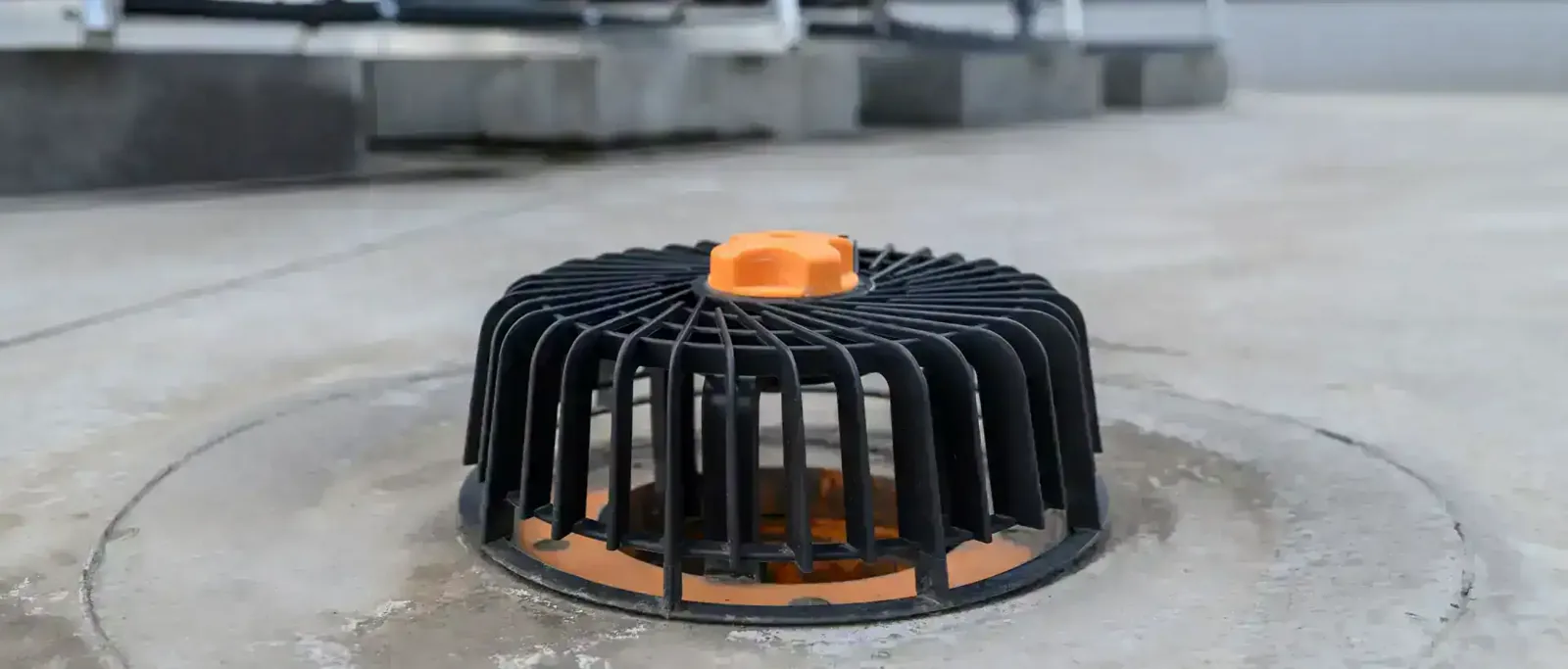
Water on a hillside roof has somewhere to go, and it goes fast. A scupper that discharges onto a neighbor's wall or a steep walkway causes trouble below the roof as well as on it. Each outlet is traced to see where the water lands, and the sheet notes any that spill onto a path where people walk.
Gutters and downspouts get the same trace. Ice in a downspout can split a joint, and a split joint drips onto the wall it was meant to protect. The fix is usually a reset hanger, a new joint and a clear path to the ground. A drains and scuppers record in the file lets each walk start where the last one stopped.
Roofs with internal drains deserve a camera check by plumbing staff before winter. A blocked leader backs water onto the roof or into a wall, and in an old building the wall is part of the history. Clearing it early keeps both safe.
Records matter on a hill. A dated photo set of each joint, each crack and each drain shows how the building moved and how the roof responded, and it gives an engineer, an insurer or a buyer something solid to read.
Historic fabric and approvals
A National Historic Landmark town has rules about what a building may look like. A roof repair that changes a visible parapet or a front cap may need approval before work starts. Owners should confirm which rules apply before a date is set, and the roof record goes along with the application.
Repairs in kind are usually the safest path: matching profiles, finishes and materials where they show, and working out of sight where they do not. Flashing, underlayment and drains can often be renewed without touching what the street sees. The sheet separates the hidden work from the visible work, so an owner can take only the visible part to whoever approves it.
Planning a visit
Jerome sits on the road toward the rest of the Verde Valley, so owners with buildings in Clarkdale or Cottonwood can group walks. Send the roof plan, the building's approximate age and any leak history. A leak repair visit starts at the stain and works uphill, and the permanent scope follows once the path is clear.
Commercial Roofing Questions
Does hillside movement change a roof repair?
It changes the details. Flexible flashings and loose counterflashing laps handle shift better than rigid sealant. If cracks have grown, an engineer should look before weight goes on the roof. The roof sheet records the cracks with dates, so the next visit can compare.
Can a historic building be repaired without changing how it looks?
Often. Flashing, drains and underlayment can be renewed out of sight. Where a visible cap or parapet changes, approvals may be needed first. The sheet separates hidden work from visible work.
How do crews work on steep streets?
The plan starts with access: where a truck can stop, where a lift can stand and whether material needs to move in small loads. Those facts are priced as their own lines, so the cost of the hill is visible.
What should a restaurant owner watch on the roof?
The sheet around each exhaust fan. Grease softens many membranes and holds dust. A grease tray that is emptied on a schedule and a grease-resistant detail at the fan protect the field around it.
When should a tourist-season business schedule roof work?
Outside the busy weeks, and early in the day. Spring and early fall give mild, dry windows. Work over the entrance waits for hours when no one is under it, and the crew keeps a clear path for customers.
Request a walk-through
Ask for a roof walk in Jerome. Send the roof plan and any repair history. You receive a written findings sheet with photos before any repair is priced.
Request a Roof Assessment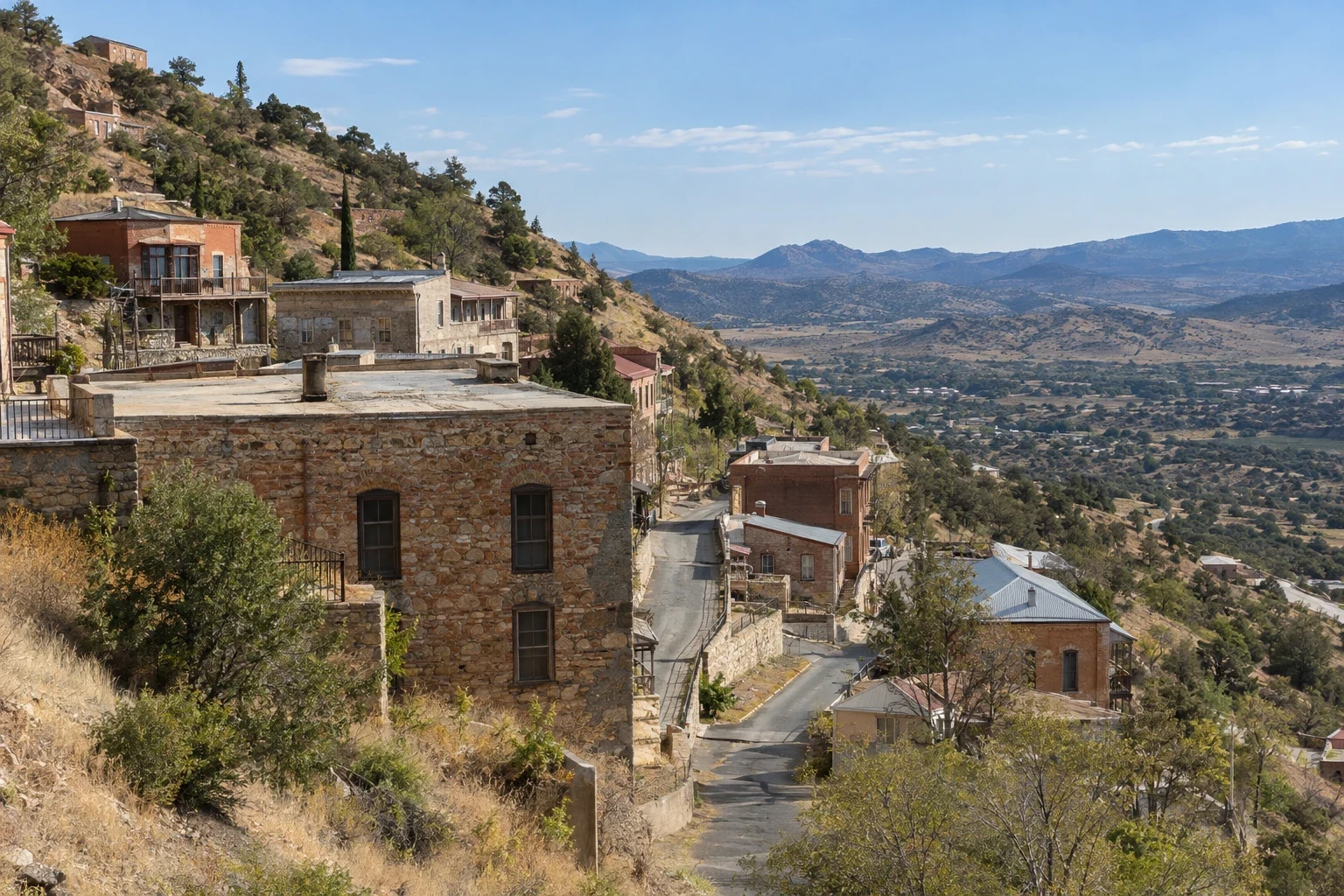
Commercial Roofing Questions
It changes the details. Flexible flashings and loose counterflashing laps handle shift better than rigid sealant. If cracks have grown, an engineer should look before weight goes on the roof. The roof sheet records the cracks with dates, so the next visit can compare.
Often. Flashing, drains and underlayment can be renewed out of sight. Where a visible cap or parapet changes, approvals may be needed first. The sheet separates hidden work from visible work.
The plan starts with access: where a truck can stop, where a lift can stand and whether material needs to move in small loads. Those facts are priced as their own lines, so the cost of the hill is visible.
The sheet around each exhaust fan. Grease softens many membranes and holds dust. A grease tray that is emptied on a schedule and a grease-resistant detail at the fan protect the field around it.
Outside the busy weeks, and early in the day. Spring and early fall give mild, dry windows. Work over the entrance waits for hours when no one is under it, and the crew keeps a clear path for customers.